Pharmaceutical-Grade Construction with Comprehensive Contamination Control Features
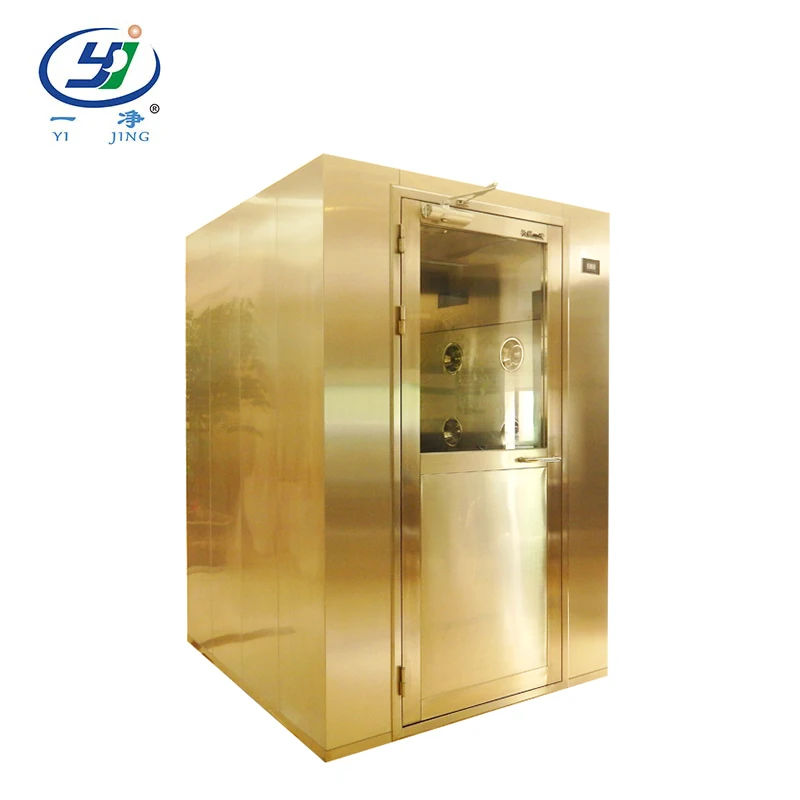
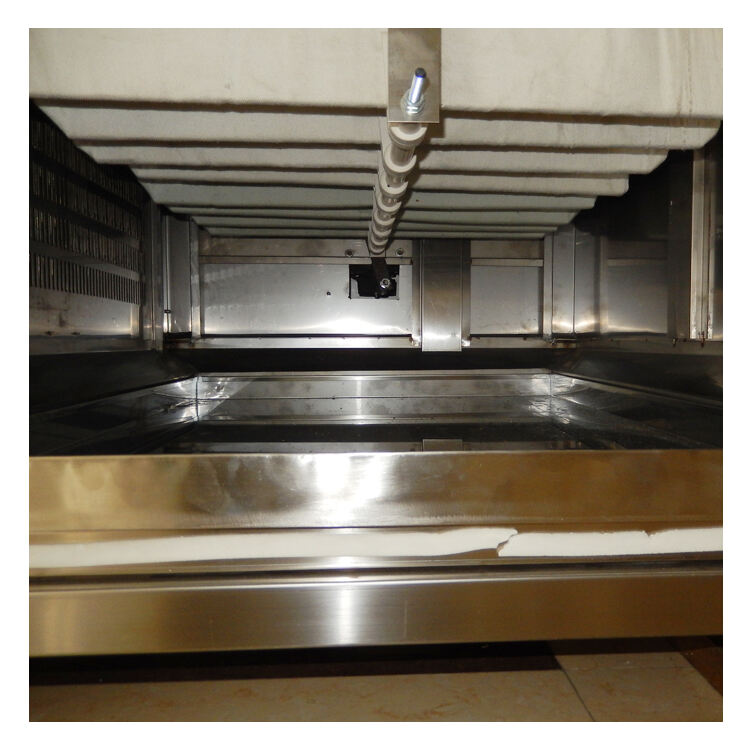
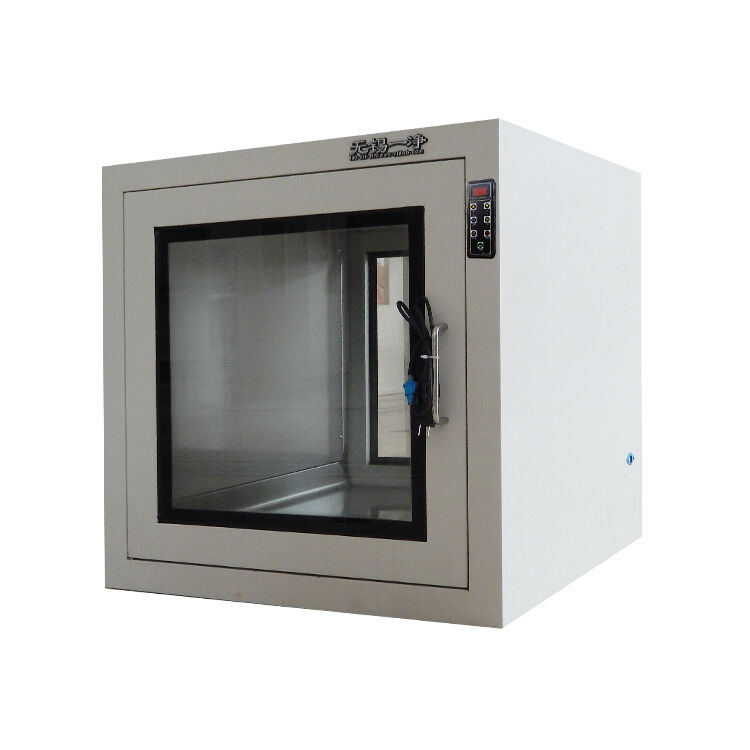
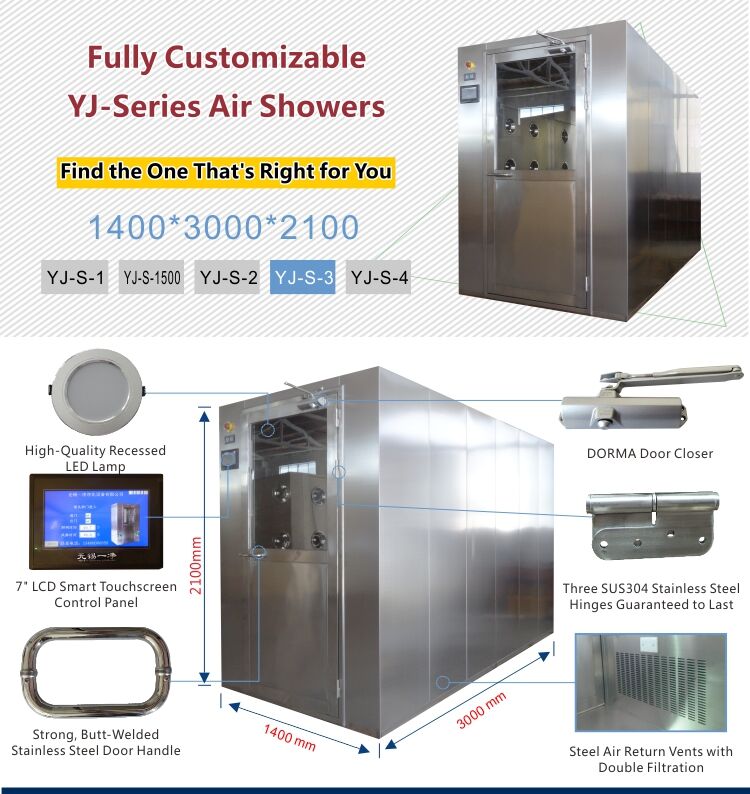
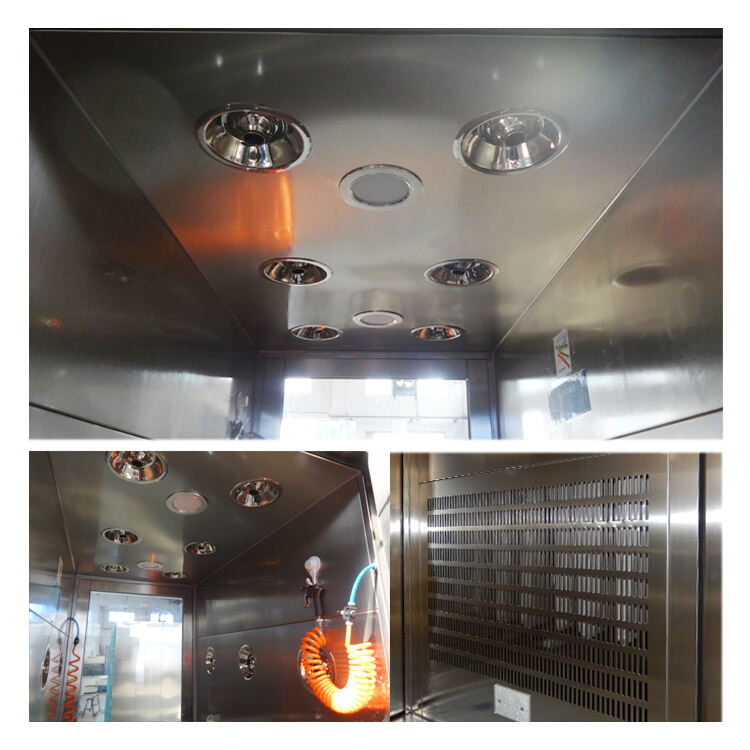
The pass box air shower utilizes pharmaceutical-grade construction principles and comprehensive contamination control features that establish new standards for material transfer equipment in regulated industries. The chamber construction employs high-quality stainless steel, typically 304 or 316 grade, selected for corrosion resistance, durability, and compatibility with aggressive cleaning agents and disinfectants used in controlled environments. All interior surfaces feature electropolished finishes that achieve smoothness levels preventing particle adhesion and microbial colonization while facilitating thorough cleaning and validation. The pass box air shower design eliminates horizontal surfaces, sharp corners, and crevices where contaminants might accumulate, incorporating radiused corners with minimum radii typically exceeding 6 millimeters that meet stringent cleanroom construction standards. Welded seam construction throughout the chamber provides continuous surfaces without gaps or fasteners that could harbor contamination, with welds ground flush and polished to match surrounding surfaces. The door systems feature compression gaskets manufactured from materials like silicone or EPDM that maintain tight seals preventing air leakage between environments with different cleanliness classifications, with gasket profiles designed for complete surface contact even after thousands of operating cycles. Window panels manufactured from tempered safety glass or polycarbonate provide visibility for monitoring transfer operations while maintaining structural integrity and chemical resistance, with frames sealed to prevent particle infiltration. The HEPA filtration system represents a critical component of the pass box air shower contamination control strategy, utilizing filters tested and certified to remove 99.97 percent of particles measuring 0.3 microns in diameter, the most penetrating particle size that represents the greatest filtration challenge. Filter housings incorporate gel-seal or fluid-seal mounting systems that eliminate bypass leakage around filter edges, ensuring all air passing through the chamber receives complete filtration. Optional ULPA filters providing 99.9995 percent efficiency at 0.12 microns accommodate applications requiring even more stringent particle control. The pass box air shower can integrate UV germicidal lamps that provide supplementary microbial deactivation through ultraviolet radiation exposure during or between transfer cycles, addressing biological contamination concerns in pharmaceutical and biotechnology applications. Differential pressure gauges monitor filter condition and system performance, providing continuous verification that the equipment operates within specified parameters. The electrical system utilizes sealed components rated for cleanroom environments, preventing particle generation from motors, switches, and control devices that might compromise the controlled environment. Advanced models incorporate self-diagnostic capabilities that detect performance degradation and alert operators before failures occur, minimizing downtime and maintaining consistent contamination control. The modular design of quality pass box air shower units facilitates easier maintenance, with filter access panels, removable nozzle assemblies, and replaceable gaskets that extend equipment life while reducing service costs. Optional features like automated sanitization cycles, humidity control, and temperature regulation provide comprehensive environmental management within the transfer chamber, addressing the complete spectrum of contamination control variables rather than focusing exclusively on particulate removal.

 EN
EN