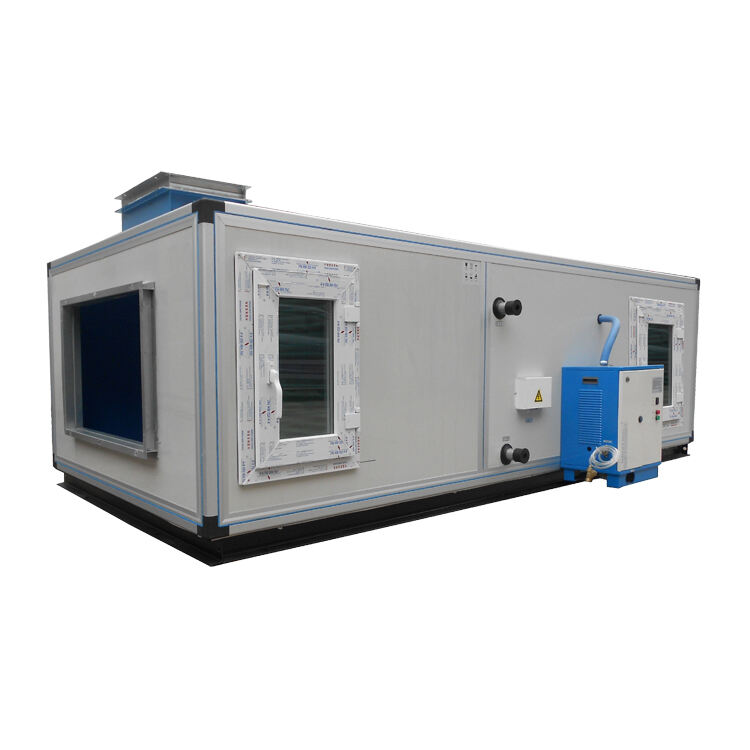
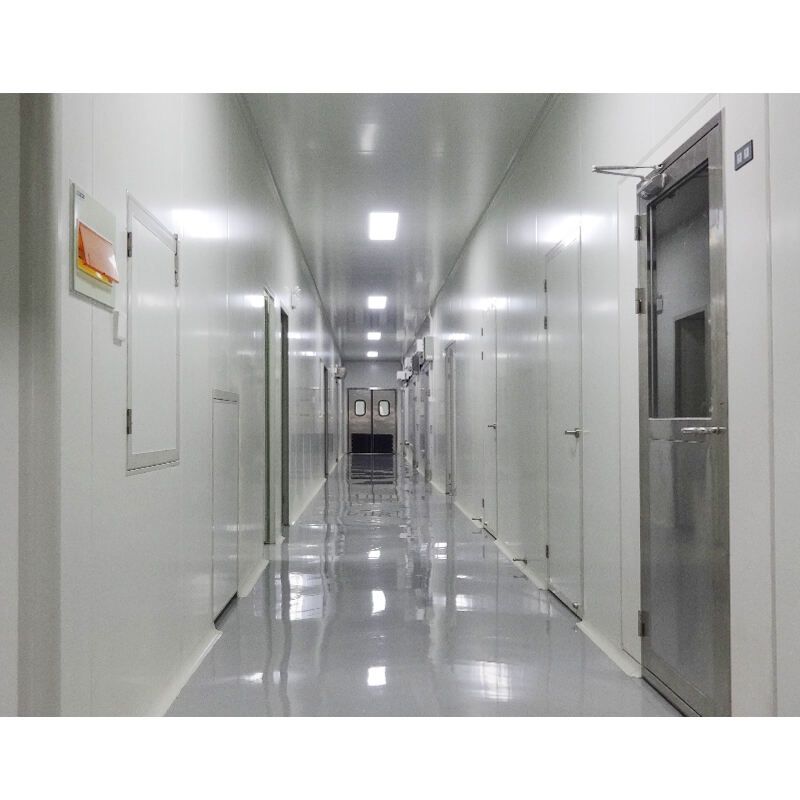
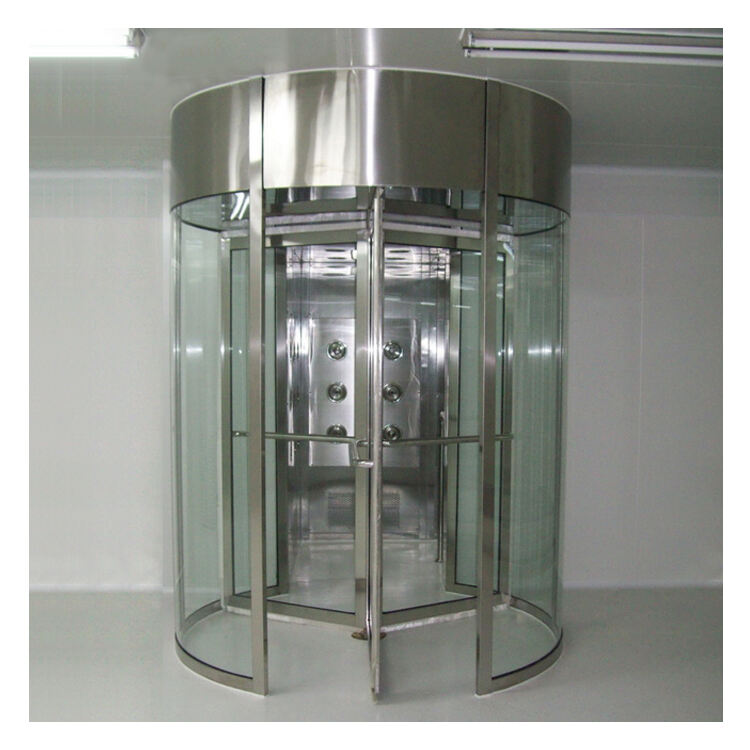
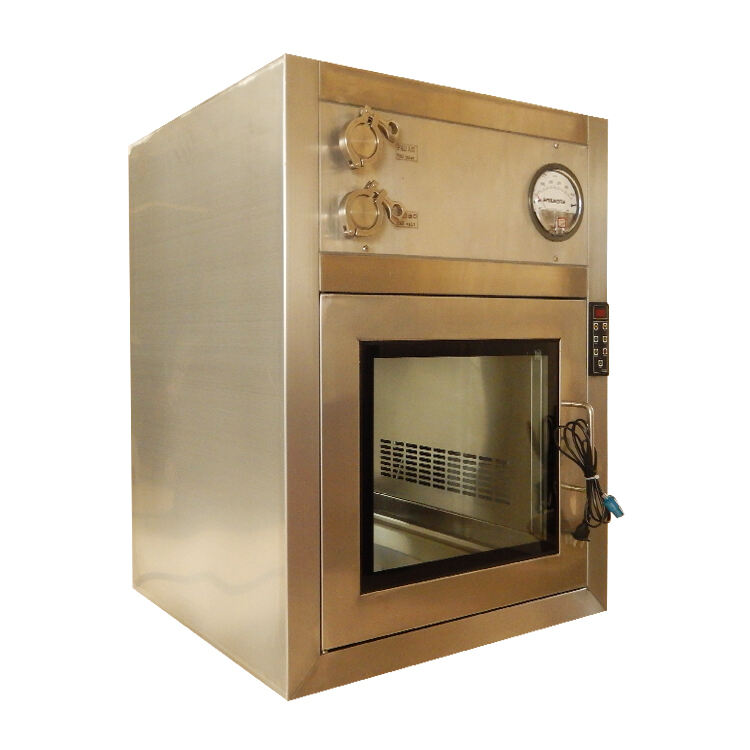
Air Shower Unit - Advanced Contamination Control Systems for Cleanroom Environments

All Categories

Get a Free Quote

Our representative will contact you soon.
Email
Name
Company Name
Attachment
Please upload at least an attachment
Up to 3 files,more 30mb,suppor jpg、jpeg、png、pdf、doc、docx、xls、xlsx、csv、txt
Message
0/1000

Get a Free Quote

Our representative will contact you soon.
Email
Name
Company Name
Attachment
Please upload at least an attachment
Up to 3 files,more 30mb,suppor jpg、jpeg、png、pdf、doc、docx、xls、xlsx、csv、txt
Message
0/1000

air shower unit

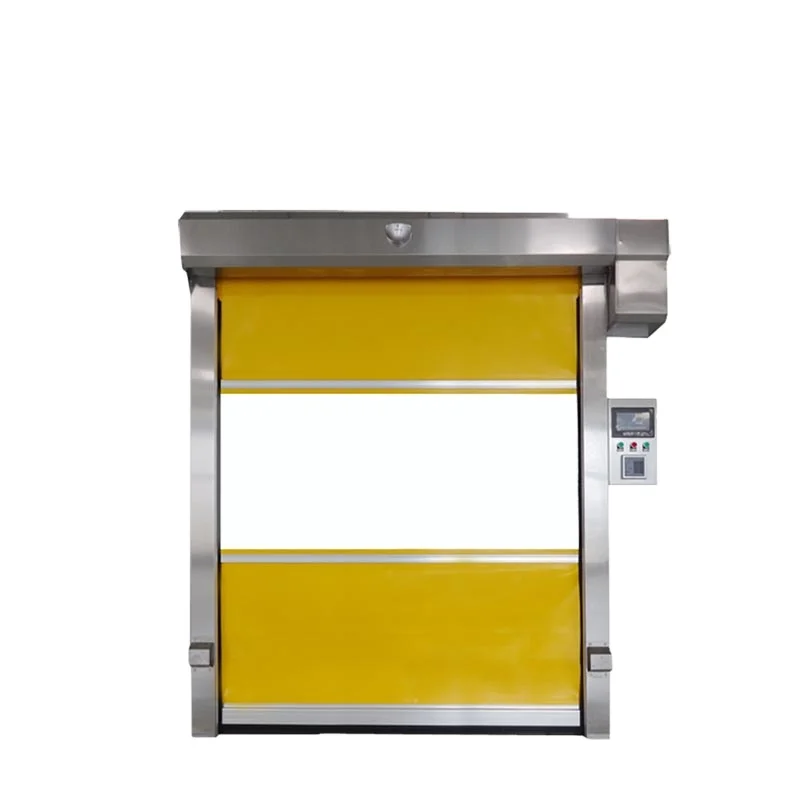
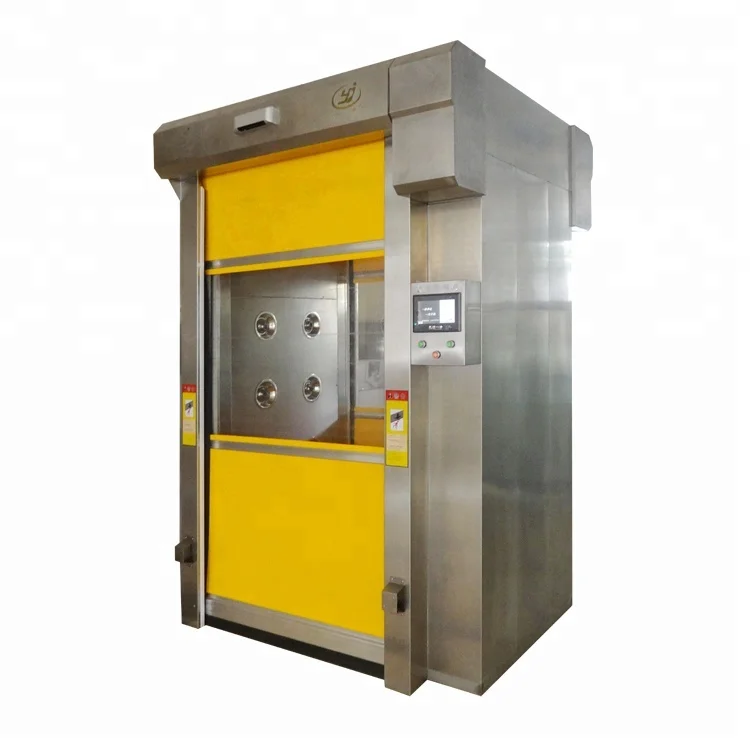
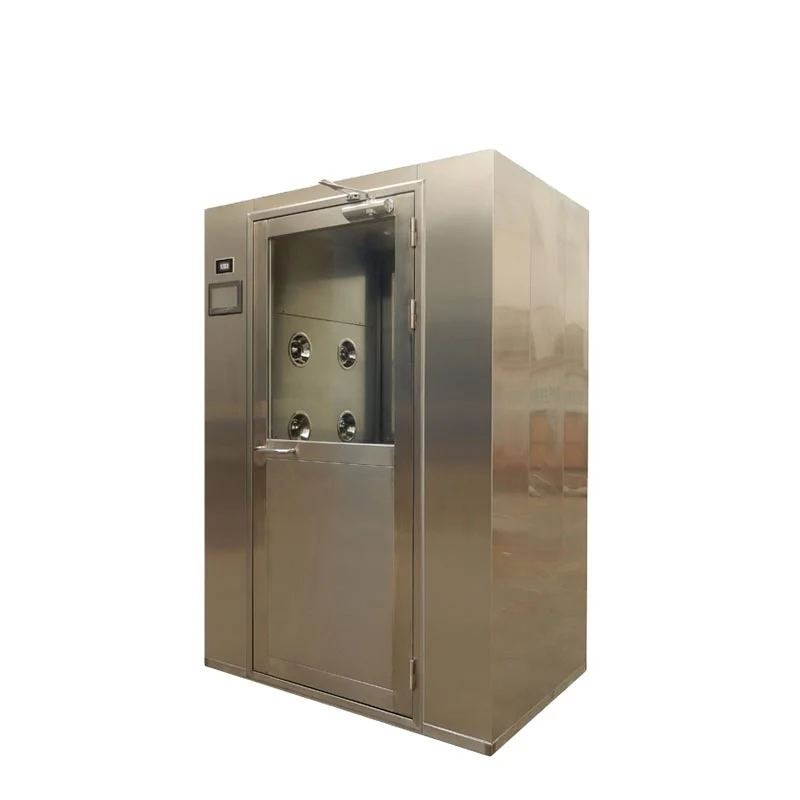
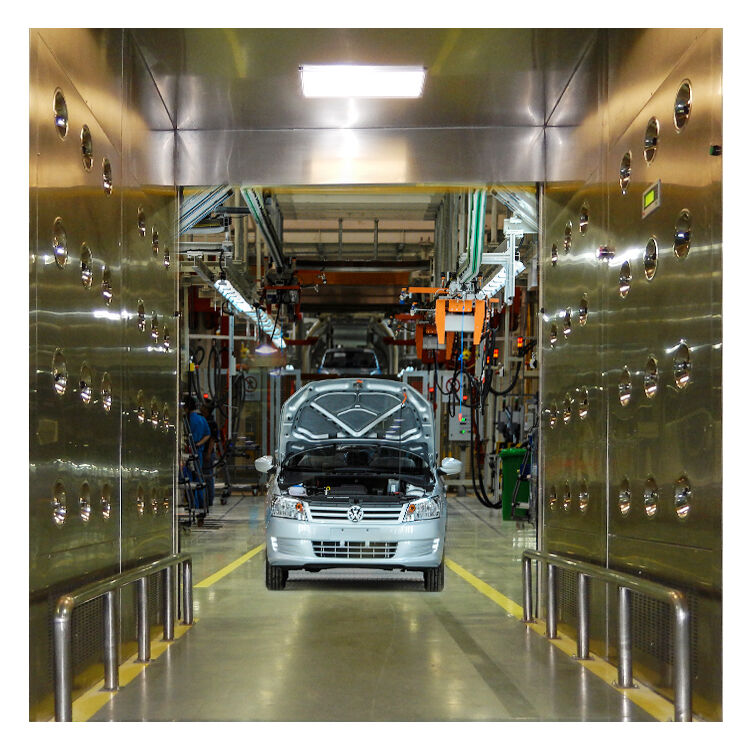
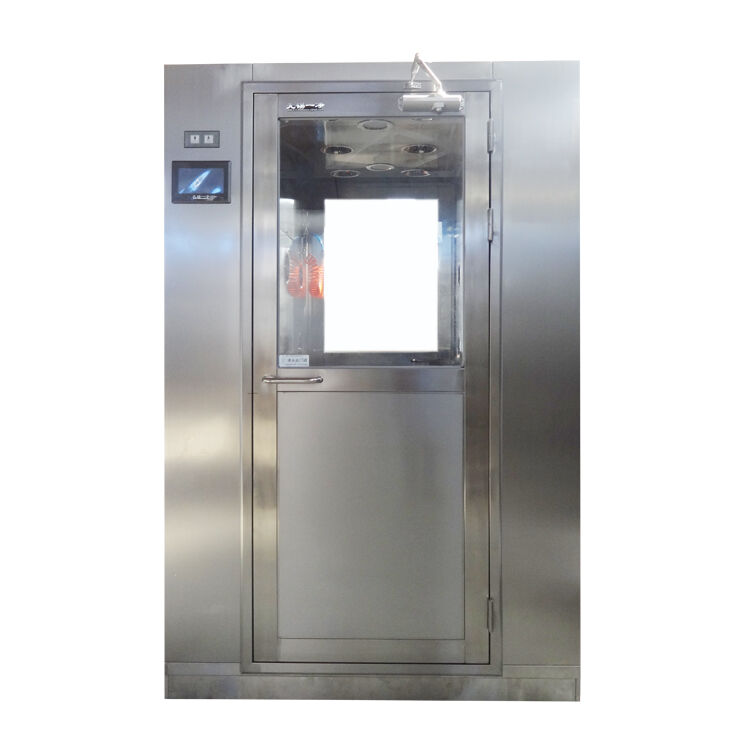
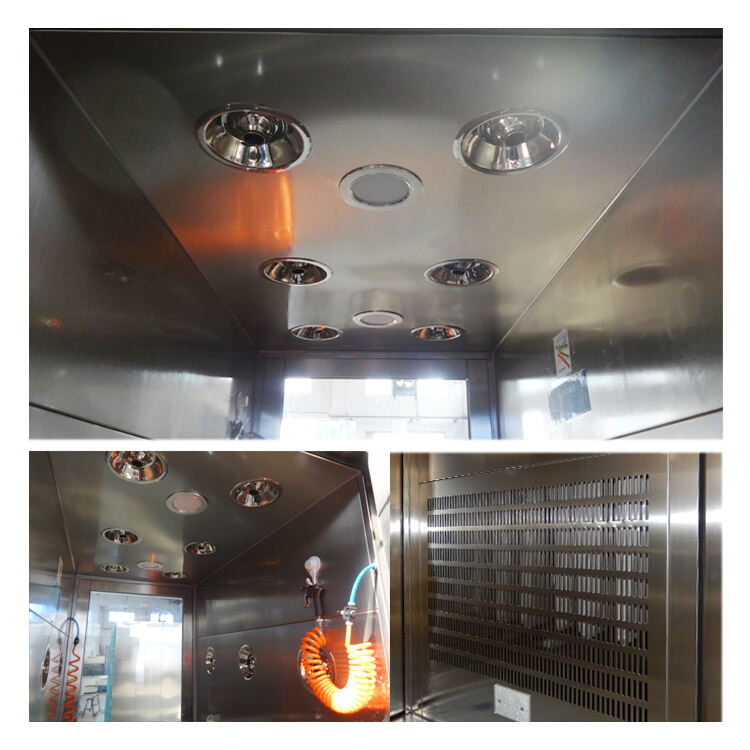
An air shower unit serves as a specialized contamination control system designed to remove particles, dust, and contaminants from personnel and materials before they enter cleanroom environments. This essential equipment creates a high-velocity stream of filtered air that effectively dislodges and eliminates surface contaminants through a systematic decontamination process. Modern air shower unit systems incorporate advanced HEPA or ULPA filtration technology to ensure the air used in the cleaning process meets stringent purity standards. The unit typically consists of an enclosed chamber with automatic doors at both entry and exit points, creating an airlock that prevents cross-contamination between controlled and uncontrolled environments. Inside the chamber, multiple nozzles strategically positioned on walls and ceiling direct powerful air jets across all surfaces of individuals or objects passing through. The air shower unit operates through a carefully controlled cycle that begins when a person enters the chamber and triggers motion sensors or push buttons. High-efficiency fans then generate air velocities ranging from 20 to 30 meters per second, creating sufficient force to remove loose particles while remaining safe and comfortable for users. The contaminated air gets recirculated through filtration systems that capture particles before returning clean air to the nozzles, maintaining a continuous cleaning cycle. These systems find widespread application across pharmaceutical manufacturing, semiconductor production, biotechnology laboratories, medical device manufacturing, food processing facilities, and aerospace component assembly areas. The air shower unit provides a critical barrier between different cleanliness zones, ensuring that stringent contamination control standards remain intact throughout sensitive production processes. Installation flexibility allows these units to accommodate single persons, multiple users simultaneously, or even materials and equipment transfer. Contemporary models feature programmable logic controllers that enable customization of shower duration, air velocity, and operational sequences to match specific industry requirements and regulatory compliance standards.

New Product Releases

Implementing an air shower unit delivers immediate and measurable benefits that directly impact operational efficiency and product quality across manufacturing and research environments. The primary advantage lies in dramatically reducing particle contamination entering controlled spaces, which translates to lower defect rates and higher yields in production processes. Companies experience significant cost savings by preventing contaminated batches, reducing rework requirements, and minimizing product recalls that damage reputation and profitability. The automated operation of an air shower unit eliminates human error associated with manual decontamination procedures, ensuring consistent and reliable performance every time someone enters the cleanroom. This consistency helps organizations maintain compliance with stringent regulatory standards including FDA, ISO, and GMP requirements without requiring constant supervision or verification. Energy efficiency represents another practical benefit, as modern units recirculate and filter air rather than exhausting it, reducing heating and cooling costs associated with conditioning replacement air. The self-contained design means minimal disruption during installation, with most units requiring only electrical connections and basic floor mounting without extensive facility modifications. Maintenance requirements remain straightforward and infrequent, typically involving filter replacements on predictable schedules and occasional cleaning of interior surfaces, allowing maintenance teams to plan efficiently without unexpected downtime. Employee safety and comfort improve compared to alternative decontamination methods, as the air shower unit provides a quick, non-invasive cleaning process that workers easily incorporate into their daily routines. The psychological benefit of visible contamination control measures also increases staff awareness and commitment to maintaining cleanroom protocols throughout their work. Return on investment becomes apparent quickly as the air shower unit prevents costly contamination events that could shut down production lines or compromise entire batches of high-value products. Scalability offers additional advantages, with units available in various sizes and configurations that accommodate growing operations without requiring complete system redesigns. The space-efficient footprint maximizes valuable cleanroom real estate while providing maximum decontamination effectiveness at transition points. Customization options allow facilities to select features matching their specific needs, including emergency exits, communication systems, and integration with facility management software for monitoring and reporting. Documentation capabilities built into advanced models automatically log usage patterns and maintenance activities, supporting audit trails required by regulatory agencies and quality management systems.

Latest News

How to Maintain an Air Handling Unit for Consistent Airflow

21

Oct

How to Maintain an Air Handling Unit for Consistent Airflow

Essential Guidelines for Air Handling Unit Performance Air handling units (AHUs) are the backbone of any building's HVAC system, responsible for maintaining comfortable indoor environments and ensuring proper ventilation. Effective air handling unit ...
View More
How to Maintain Clean Air Systems to Meet ISO Standards

21

Oct

How to Maintain Clean Air Systems to Meet ISO Standards

Essential Guidelines for Industrial Air Quality Management In today's industrial landscape, maintaining clean air systems has become a critical requirement for operational excellence and regulatory compliance. Modern facilities must adhere to stringe...
View More
What Are the Key Differences Between Single and Double Air Showers

05

Nov

What Are the Key Differences Between Single and Double Air Showers

Understanding Air Shower Technology in Clean Room Environments In the realm of contamination control and cleanroom technology, air showers play a vital role in maintaining pristine environments. These sophisticated systems serve as critical gateways ...
View More
What Materials Are Recommended for Pass Box Construction?

05

Nov

What Materials Are Recommended for Pass Box Construction?

Essential Materials for Modern Pass Box Manufacturing Pass boxes serve as critical components in cleanroom environments, pharmaceutical facilities, and laboratories, facilitating the secure transfer of materials between spaces while maintaining contr...
View More

Get a Free Quote

Our representative will contact you soon.
Email
Name
Company Name
Attachment
Please upload at least an attachment
Up to 3 files,more 30mb,suppor jpg、jpeg、png、pdf、doc、docx、xls、xlsx、csv、txt
Message
0/1000

air shower unit

Advanced Filtration Technology for Maximum Particle Removal

Advanced Filtration Technology for Maximum Particle Removal

The filtration system integrated within an air shower unit represents the cornerstone of its contamination control capabilities, utilizing sophisticated engineering to capture and eliminate particles across a wide size spectrum. High-Efficiency Particulate Air filters or Ultra-Low Penetration Air filters form the heart of this system, removing 99.97 to 99.9995 percent of particles as small as 0.3 microns from the air stream. This exceptional filtration performance ensures that the air used to clean personnel and materials maintains purity levels that meet or exceed cleanroom classification requirements. The multi-stage filtration approach typically begins with pre-filters that capture larger particles, extending the service life of primary HEPA filters and reducing maintenance costs over the system's operational lifetime. Intelligent filter monitoring systems continuously track pressure differentials across filter banks, providing real-time data about filter loading and performance degradation. When filters approach replacement thresholds, the air shower unit generates alerts that enable proactive maintenance scheduling before contamination control effectiveness becomes compromised. The sealed filter housing design prevents bypass leakage that could allow unfiltered air to contaminate the air stream, maintaining integrity throughout the entire airflow path. Strategic placement of filters upstream from the fan system protects motor components from particle accumulation while ensuring maximum cleanliness of air delivered to spray nozzles. The recirculation design captures particles dislodged during the cleaning process, immediately filtering them from the air before they can resettle on surfaces or escape the chamber. This closed-loop approach maximizes particle removal efficiency while minimizing energy consumption compared to single-pass systems that exhaust conditioned air. Filter accessibility features allow maintenance personnel to perform replacements quickly and safely without requiring specialized tools or extensive training, reducing service time and associated labor costs. The modular filter design enables partial replacements when sections become loaded unevenly, optimizing filter utilization and reducing waste. Documentation provided with filter replacements includes certification testing results that verify performance specifications, supporting validation protocols and regulatory compliance requirements. The air shower unit filtration system also contributes to improved indoor air quality within the broader facility by preventing particle migration from less controlled areas into sensitive production zones.
Intelligent Automation and User-Friendly Operation

Intelligent Automation and User-Friendly Operation

Modern air shower unit technology incorporates sophisticated automation features that optimize performance while simplifying operation for personnel at all experience levels. Microprocessor-based control systems manage every aspect of the cleaning cycle with precision timing and sequencing that ensures thorough decontamination while maintaining user comfort and safety. Motion sensors detect when individuals enter the chamber, automatically initiating the air shower cycle without requiring manual activation, which eliminates the possibility of operators bypassing the decontamination process. The programmable controller allows facility managers to customize shower duration anywhere from 10 to 60 seconds based on specific contamination risks and industry best practices for their particular application. Voice prompts and visual indicators guide users through the process, instructing them to raise arms, turn around, or perform other movements that expose all surfaces to the cleaning air streams. Interlocking door mechanisms prevent both doors from opening simultaneously, maintaining the airlock integrity that separates controlled and uncontrolled environments. This safety feature eliminates the human error factor that could compromise cleanroom conditions through open doors or incomplete shower cycles. Emergency override capabilities ensure personnel can exit quickly during fire alarms or other urgent situations without becoming trapped inside the chamber. Integration capabilities allow the air shower unit to communicate with building management systems, access control networks, and quality monitoring platforms for centralized oversight and data collection. Real-time operational data including cycle counts, filter status, and maintenance requirements flow to facility dashboards where managers can identify trends and optimize performance. Diagnostic systems continuously monitor critical components including fan motors, sensors, and control circuits, generating alerts when parameters deviate from normal operating ranges. This predictive maintenance approach prevents unexpected failures that could interrupt production schedules or compromise contamination control. User identification systems can track individual usage patterns, supporting training verification and compliance documentation requirements. Adjustable air velocity settings enable operators to balance cleaning effectiveness against user comfort, with higher velocities for heavily contaminated applications and gentler settings for routine personnel decontamination. The intuitive interface design requires minimal training, allowing new employees to use the air shower unit confidently after brief orientation sessions.
Versatile Design Options for Diverse Applications

Versatile Design Options for Diverse Applications

The adaptability of air shower unit configurations addresses the unique requirements of different industries, facility layouts, and contamination control objectives through extensive customization possibilities. Size variations range from compact single-person units measuring approximately one meter wide to spacious multi-person chambers accommodating four or more individuals simultaneously, with dimensions scalable to match traffic volumes and space constraints. Tunnel configurations create continuous decontamination zones for high-throughput operations where numerous personnel transition between areas throughout shifts, maximizing efficiency without creating bottlenecks at cleanroom entry points. Material transfer air shower unit models feature specialized designs for carts, equipment, and supplies, with reinforced floors, wider chambers, and extended cycle times that address the different particle removal challenges presented by objects versus people. Corner-mounted and inline configurations provide installation flexibility that optimizes facility layouts, fitting seamlessly into existing architecture without requiring major structural modifications or disrupting ongoing operations. Interior finishes include stainless steel for pharmaceutical and food applications requiring frequent washdowns and sanitization, or powder-coated steel for electronics manufacturing and general industrial uses where corrosion resistance and durability remain priorities. Nozzle configurations vary from standard circular designs to specialized slot nozzles that create uniform air curtains, with adjustable positioning that directs airflow precisely where contamination risks concentrate. Lighting options include standard fluorescent fixtures, LED systems offering energy efficiency and longer service life, or specialized lighting that integrates with safety systems and provides emergency illumination. Window configurations range from full-view glass panels that reduce feelings of confinement to minimal viewing ports that maximize structural integrity and minimize maintenance requirements. Access control integration transforms the air shower unit into a security checkpoint, with card readers, biometric scanners, or keypad entry systems that restrict cleanroom access to authorized personnel while automatically documenting entry times and identities. Communication systems including intercoms and emergency call buttons enhance safety by maintaining contact between chamber occupants and external personnel during normal operations and emergency situations. Climate control options address extreme environments, with heating elements for cold storage facility transitions and cooling systems for hot manufacturing areas, maintaining user comfort throughout the decontamination cycle. Explosion-proof designs serve hazardous locations where flammable materials or combustible dusts require specialized electrical components and grounding systems that meet safety codes. The modular construction approach enables future expansions or reconfigurations as facility needs evolve, protecting capital investments and providing long-term value.


Get a Free Quote

Our representative will contact you soon.
Email
Name
Company Name
Attachment
Please upload at least an attachment
Up to 3 files,more 30mb,suppor jpg、jpeg、png、pdf、doc、docx、xls、xlsx、csv、txt
Message
0/1000

Get a Free Quote

Our representative will contact you soon.
Email
Name
Company Name
Attachment
Please upload at least an attachment
Up to 3 files,more 30mb,suppor jpg、jpeg、png、pdf、doc、docx、xls、xlsx、csv、txt
Message
0/1000