Clean Room Solutions: Advanced Contamination Control for Precision Manufacturing and Research

All Categories

Get a Free Quote

Our representative will contact you soon.
Email
Name
Company Name
Attachment
Please upload at least an attachment
Up to 3 files,more 30mb,suppor jpg、jpeg、png、pdf、doc、docx、xls、xlsx、csv、txt
Message
0/1000

Get a Free Quote

Our representative will contact you soon.
Email
Name
Company Name
Attachment
Please upload at least an attachment
Up to 3 files,more 30mb,suppor jpg、jpeg、png、pdf、doc、docx、xls、xlsx、csv、txt
Message
0/1000

clean room

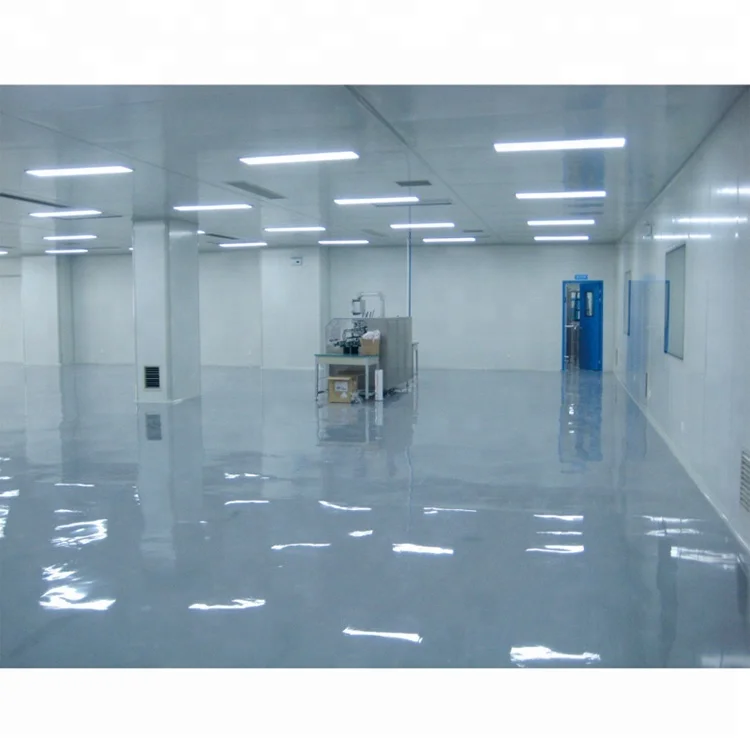
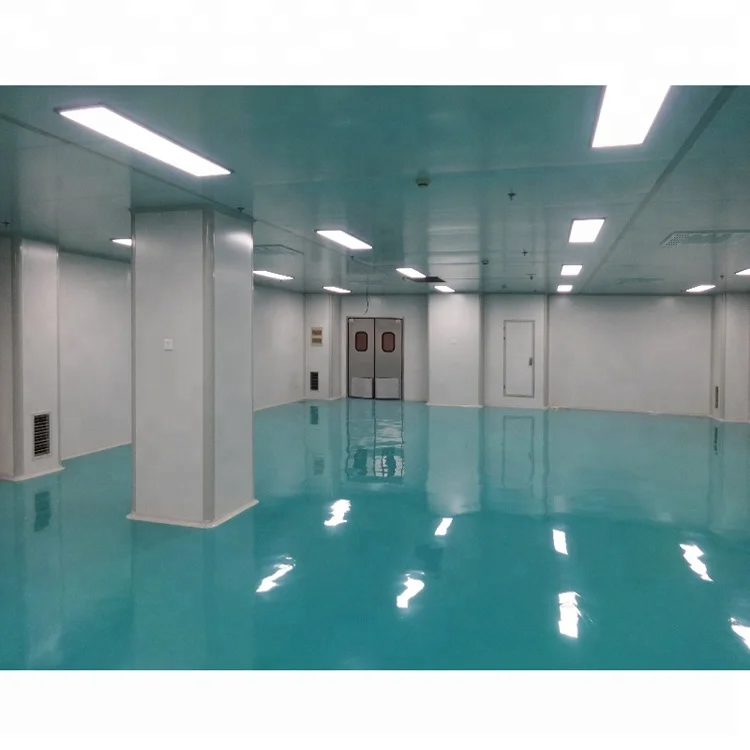
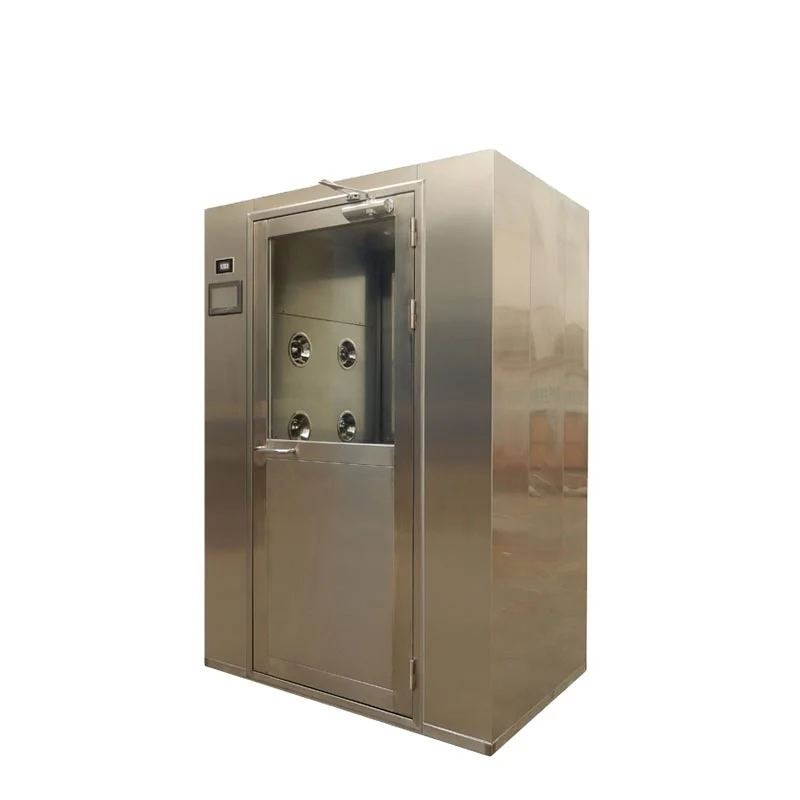
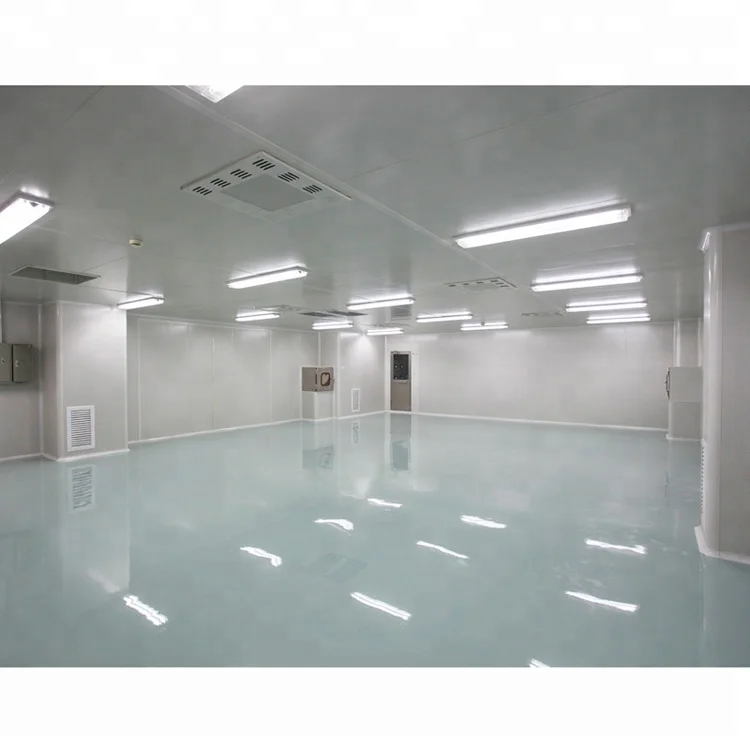
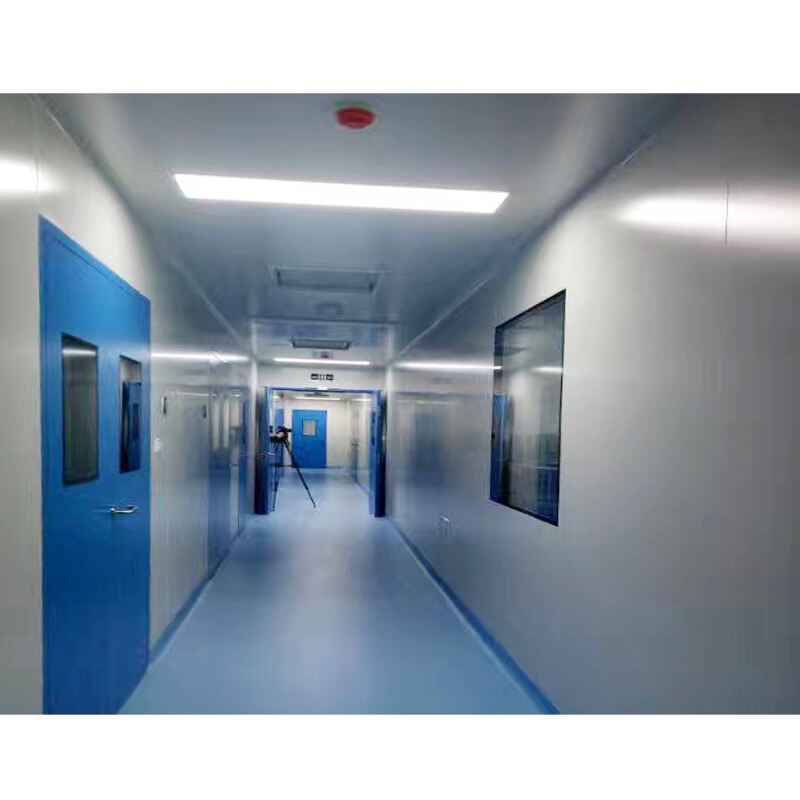
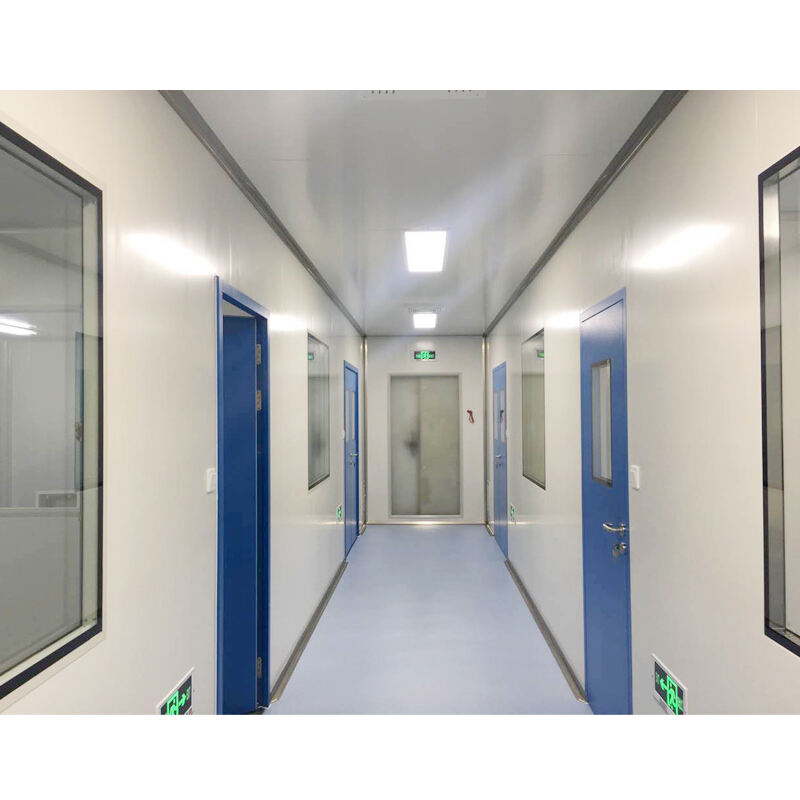
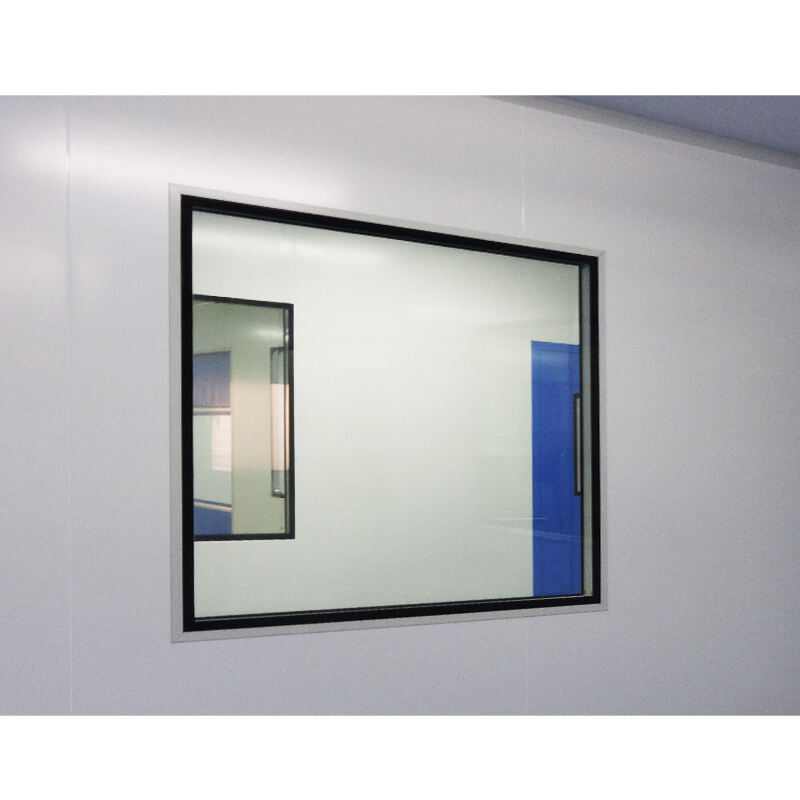
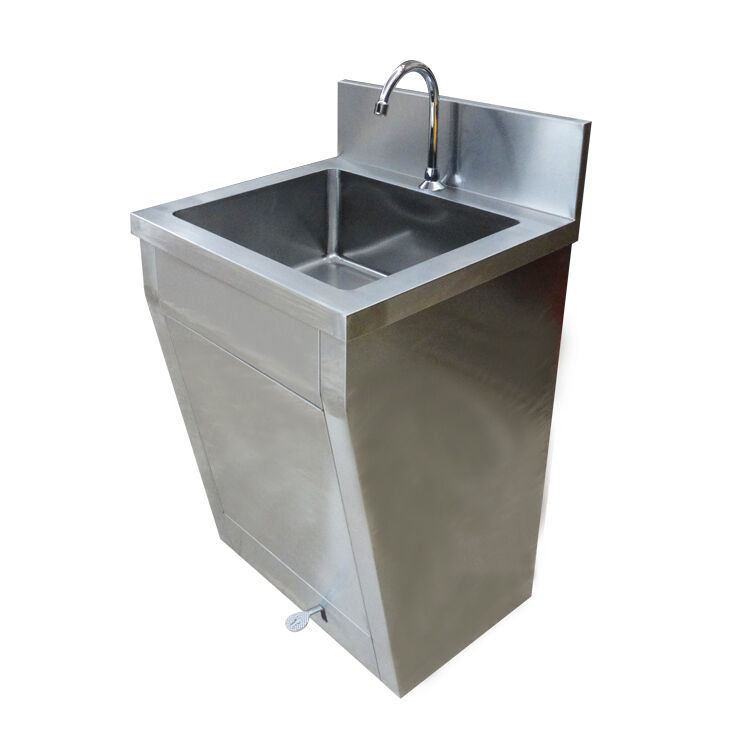
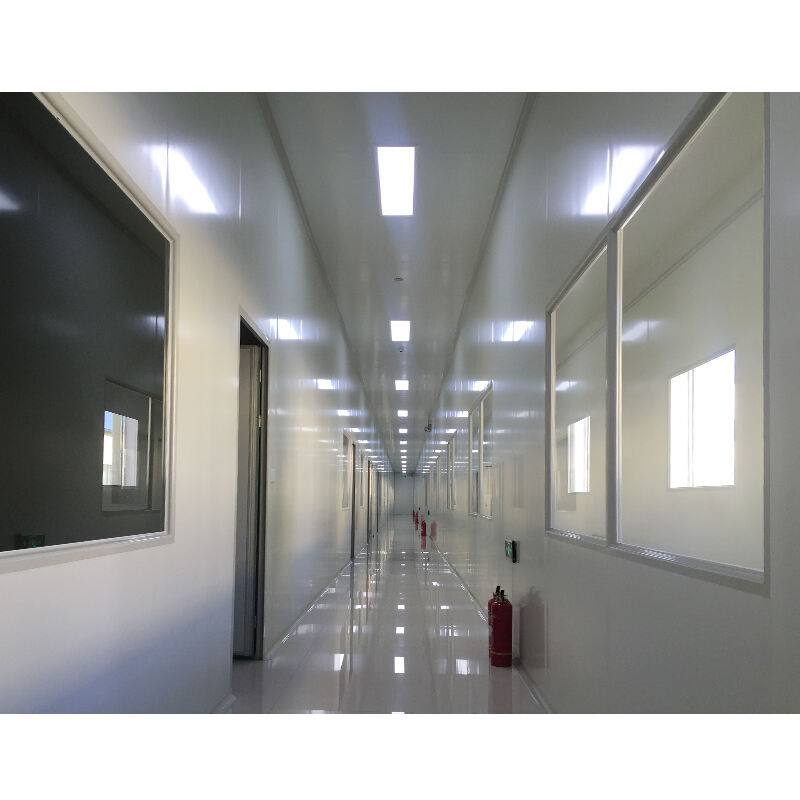
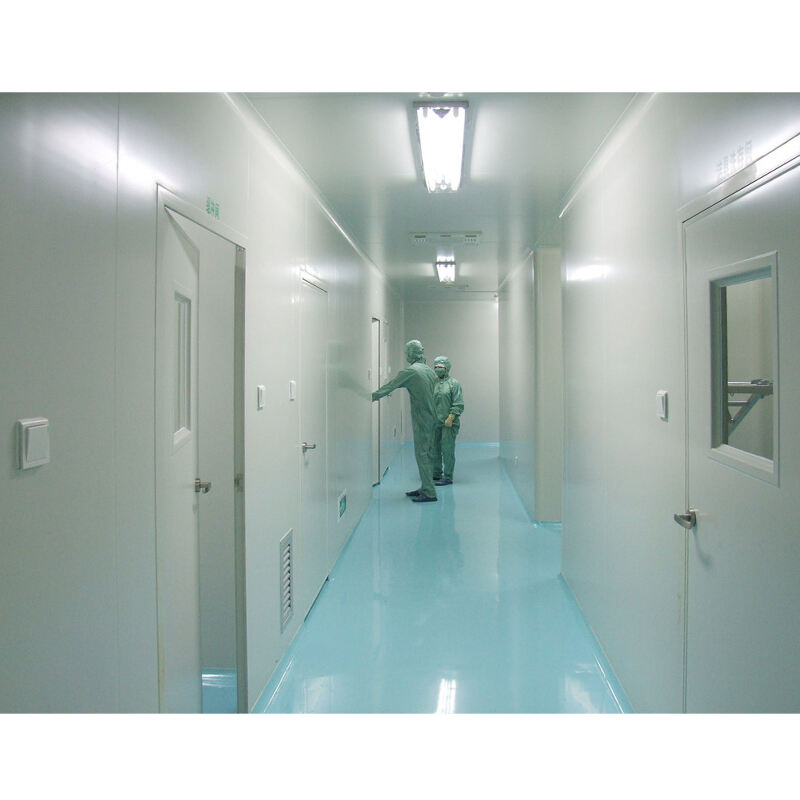
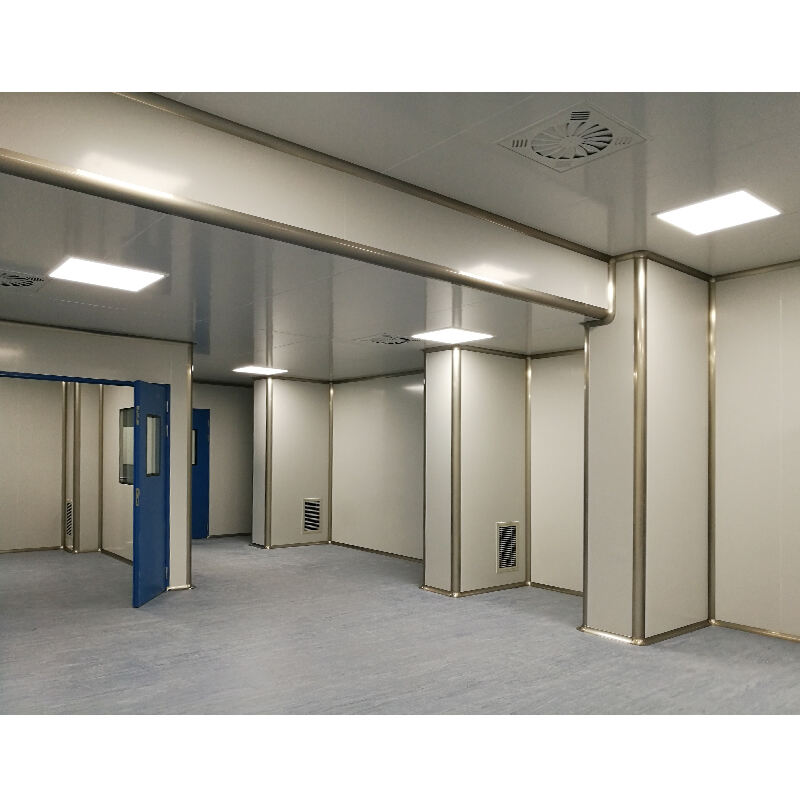
A clean room represents a controlled environment where contamination levels are carefully regulated to meet specific industry standards and requirements. This specialized facility maintains precise control over airborne particles, temperature, humidity, and pressure to create optimal conditions for sensitive manufacturing processes and research activities. Clean rooms are engineered spaces that filter out pollutants, dust, microbes, and aerosol particles through advanced air filtration systems and strict operational protocols. The primary function of a clean room is to provide an ultra-pure environment where even microscopic contaminants could compromise product quality or experimental results. These facilities utilize High Efficiency Particulate Air filters combined with sophisticated airflow management systems to continuously circulate and purify the internal atmosphere. The technological features include specialized flooring, wall panels, and ceiling systems constructed from non-shedding materials that resist particle generation. Modern clean rooms incorporate real-time monitoring systems that track particle counts, environmental conditions, and pressure differentials to ensure consistent performance. The applications span numerous industries including pharmaceutical manufacturing, semiconductor production, biotechnology research, medical device assembly, aerospace component fabrication, and precision optics manufacturing. In pharmaceutical settings, clean rooms ensure sterile conditions for drug production and packaging, preventing microbial contamination that could affect patient safety. Electronics manufacturers rely on clean rooms to protect sensitive components from dust particles that could cause circuit failures or reduced product lifespan. Biotechnology laboratories use these controlled environments for cell culture work, genetic research, and the development of biological products. The aerospace industry depends on clean rooms for assembling critical components where even minor contamination could lead to catastrophic failures. Clean room classification systems define cleanliness levels based on particle concentration per cubic meter, allowing organizations to select appropriate specifications for their specific needs and regulatory requirements.

New Product Recommendations

The benefits of implementing a clean room facility extend far beyond simple contamination control, offering tangible improvements to your production quality and business outcomes. First and foremost, these controlled environments dramatically reduce product defects caused by airborne particles, leading to higher yields and less waste in manufacturing processes. When your production occurs in properly maintained conditions, you experience fewer rejections, returns, and warranty claims, which directly improves your bottom line and customer satisfaction. The consistent environmental conditions within these facilities ensure repeatable processes, meaning your products maintain uniform quality batch after batch, building trust with clients and strengthening your market reputation. Employee health and safety improve significantly because workers operate in environments with filtered air free from harmful contaminants, reducing respiratory issues and creating more comfortable working conditions that boost productivity and morale. Your facility gains the ability to meet stringent regulatory requirements mandated by agencies like the FDA, ISO, and other international standards organizations, opening doors to new markets and clientele who demand certified production environments. The controlled temperature and humidity levels protect sensitive materials and equipment from degradation, extending the lifespan of your valuable assets and reducing replacement costs over time. You achieve greater operational efficiency because these spaces minimize unexpected production interruptions caused by contamination incidents, allowing your team to maintain consistent schedules and meet delivery commitments reliably. Documentation and traceability become more manageable as these facilities typically include monitoring systems that automatically record environmental conditions, providing the data needed for quality audits and compliance verification. Insurance costs may decrease as insurers recognize the reduced risk of contamination-related losses and product liability claims associated with properly maintained facilities. Your company demonstrates commitment to quality excellence, which serves as a powerful marketing advantage when competing for contracts with discerning customers who prioritize manufacturing standards. Research and development activities benefit tremendously from the stable conditions that allow scientists to conduct experiments with confidence that environmental variables remain controlled, producing more reliable and reproducible results. The modular nature of modern designs allows for future expansion or reconfiguration as your business needs evolve, protecting your initial investment while providing flexibility for growth. Training new employees becomes more straightforward as the standardized protocols and clear environmental specifications create consistent operational procedures that reduce learning curves and minimize human error.

Practical Tips

What Are the Key Components of an Effective Clean Air System

21

Oct

What Are the Key Components of an Effective Clean Air System

Understanding Modern Clean Air Technologies and Their Impact A well-designed clean air system serves as the foundation for maintaining optimal indoor air quality in both residential and commercial spaces. As we spend approximately 90% of our time ind...
View More
What Are the Cost Benefits of Modular Clean Room Construction

05

Nov

What Are the Cost Benefits of Modular Clean Room Construction

The Economic Advantages of Modern Modular Cleanroom Solutions The landscape of pharmaceutical, semiconductor, and medical device manufacturing has been transformed by modular clean room construction. This innovative approach to building controlled en...
View More
What Are the Applications of Clean Air Systems in Pharmaceuticals

02

Dec

What Are the Applications of Clean Air Systems in Pharmaceuticals

The pharmaceutical industry operates under stringent regulatory requirements where product quality, safety, and efficacy are paramount. Contamination control represents one of the most critical aspects of pharmaceutical manufacturing, making clean ai...
View More
Clean Room Applications Across Electronics, Medical, and Precision Manufacturing

30

Jan

Clean Room Applications Across Electronics, Medical, and Precision Manufacturing

Modern manufacturing and healthcare facilities rely heavily on controlled environments to ensure product quality, safety, and regulatory compliance. A clean room represents a specialized environment where airborne particles, contaminants, and environ...
View More

Get a Free Quote

Our representative will contact you soon.
Email
Name
Company Name
Attachment
Please upload at least an attachment
Up to 3 files,more 30mb,suppor jpg、jpeg、png、pdf、doc、docx、xls、xlsx、csv、txt
Message
0/1000

clean room

Advanced Contamination Control Through Multi-Stage Filtration Technology

Advanced Contamination Control Through Multi-Stage Filtration Technology

The cornerstone of effective contamination management lies in the sophisticated filtration systems that form the backbone of every high-performance facility. These specialized environments employ multi-stage air purification processes that begin with pre-filters capturing larger particles before air passes through High Efficiency Particulate Air filters capable of removing 99.97 percent of particles as small as 0.3 microns. This layered approach ensures that even the most minute contaminants face multiple barriers before potentially entering your production space. The airflow patterns within these facilities follow carefully engineered designs, typically employing either unidirectional laminar flow or turbulent mixing patterns depending on the specific cleanliness requirements and operational needs. Laminar flow systems push filtered air in a single direction, usually from ceiling to floor, creating a smooth, uniform air curtain that continuously sweeps particles away from critical work surfaces. This technology proves particularly valuable in the most demanding applications where even single particles could compromise product integrity. The air change rate, often ranging from 20 to 600 complete room volume exchanges per hour depending on classification level, ensures rapid removal of any particles generated during normal operations. Pressure differentials between adjacent spaces prevent contaminated air from flowing into cleaner areas, with higher-classified rooms maintained at positive pressure relative to less critical zones. Modern facilities incorporate real-time particle counters that continuously sample air quality and immediately alert operators if contamination levels begin trending outside acceptable parameters. These monitoring systems provide valuable data for preventive maintenance scheduling, helping identify filter degradation before it impacts production quality. The materials selected for construction play an equally critical role, with walls, floors, and ceilings fabricated from smooth, non-porous substances that resist particle adhesion and facilitate effective cleaning. Specialized lighting fixtures designed for these environments feature sealed housings that prevent dust accumulation while providing optimal illumination for precision work. Together, these integrated technologies create environments where contamination control reaches unprecedented levels, giving manufacturers the confidence to produce products meeting the most exacting specifications while maintaining consistent quality that satisfies both regulatory requirements and customer expectations across diverse industries worldwide.
Precise Environmental Control for Optimal Process Conditions

Precise Environmental Control for Optimal Process Conditions

Achieving exceptional results in sensitive manufacturing and research applications demands more than just particle control; it requires maintaining exact environmental parameters that influence material behavior and process outcomes. Temperature regulation within these facilities typically maintains stability within plus or minus 0.5 degrees Celsius, preventing thermal expansion or contraction that could affect dimensional tolerances in precision manufacturing. This level of control proves essential in semiconductor fabrication where nanometer-scale features require absolute thermal stability to ensure proper lithography alignment and material deposition. Humidity management with similar precision prevents static electricity buildup that could damage electronic components while also controlling moisture-sensitive chemical reactions and biological processes. The HVAC systems serving these spaces represent engineering marvels, incorporating redundant components and sophisticated controls that continuously adjust cooling, heating, humidification, and dehumidification to counteract heat loads from equipment, personnel, and external environmental fluctuations. Pressure control systems maintain specific differentials between rooms and corridors, creating invisible barriers that prevent cross-contamination even when doors open during normal traffic flow. These pressure cascades ensure that air always flows from cleaner to less clean areas, with monitoring systems alerting facility managers immediately if pressure relationships deviate from design parameters. Vibration isolation becomes critical in applications involving microscopy, precision assembly, or sensitive measurement equipment, with specialized flooring systems and structural designs minimizing disturbances from nearby machinery or external sources. Lighting systems provide not only adequate illumination but also specific spectral characteristics required for particular processes, with some applications requiring yellow lighting to prevent photoresist exposure in semiconductor manufacturing. Electrostatic discharge control measures protect sensitive electronic components through grounded flooring, wrist straps, and controlled humidity levels that prevent charge accumulation. The integration of building management systems allows centralized monitoring and adjustment of all these parameters simultaneously, with historical data logging providing insights into trends and potential issues before they impact production. Energy efficiency receives careful attention in modern designs, with heat recovery systems capturing thermal energy from exhaust air to precondition incoming fresh air, significantly reducing operational costs without compromising performance. This comprehensive approach to environmental control creates stable, predictable conditions that enable manufacturers to achieve consistent results while researchers conduct experiments with confidence that variables remain properly controlled throughout their investigations.
Regulatory Compliance and Quality Assurance Integration

Regulatory Compliance and Quality Assurance Integration

Navigating the complex landscape of industry regulations and quality standards becomes significantly more manageable when your operations occur within properly designed and maintained controlled environments. These facilities inherently support compliance with numerous regulatory frameworks including Good Manufacturing Practice guidelines, ISO 14644 standards, and industry-specific requirements from agencies governing pharmaceuticals, medical devices, aerospace, and electronics manufacturing. The documented design qualifications, installation qualifications, operational qualifications, and performance qualifications required for regulatory approval become straightforward when facilities incorporate proper controls and monitoring systems from the initial construction phase. Built-in documentation capabilities through automated monitoring systems create audit trails that regulatory inspectors expect, demonstrating your commitment to maintaining specified conditions throughout production cycles. This automated data collection eliminates the potential for human error in manual record-keeping while providing the granular detail needed to investigate any deviation from normal operating parameters. Validation protocols become less burdensome because the controlled environment eliminates many variables that otherwise complicate process validation studies, allowing you to demonstrate consistency and reproducibility with greater confidence. The regular testing and certification required for these facilities, including particle counts, airflow verification, and HEPA filter integrity testing, create a structured maintenance schedule that prevents equipment degradation and ensures continuous compliance rather than discovering issues during critical audits. Personnel training requirements integrate naturally with facility protocols, as the gowning procedures, material transfer protocols, and cleaning procedures necessary for maintaining environmental control simultaneously satisfy regulatory expectations for contamination prevention. Traceability of materials and products improves dramatically when movement occurs through defined pathways with controlled access points and documented entry procedures. Quality management systems find strong support in the structured approach these facilities demand, with clearly defined standard operating procedures, routine monitoring, and corrective action protocols forming the foundation of robust quality assurance programs. Risk management activities benefit from the inherent hazard reduction these environments provide, with contamination risks, cross-contamination possibilities, and environmental variability all substantially reduced compared to conventional manufacturing spaces. When regulatory inspections occur, the visible commitment to environmental control, comprehensive documentation, and systematic approach to maintaining specified conditions create positive impressions that facilitate approval processes. Companies operating in multiple jurisdictions find that internationally recognized standards for these facilities provide common ground that simplifies compliance across different regulatory regimes, reducing the complexity of global operations while maintaining consistent quality standards worldwide.


Get a Free Quote

Our representative will contact you soon.
Email
Name
Company Name
Attachment
Please upload at least an attachment
Up to 3 files,more 30mb,suppor jpg、jpeg、png、pdf、doc、docx、xls、xlsx、csv、txt
Message
0/1000

Get a Free Quote

Our representative will contact you soon.
Email
Name
Company Name
Attachment
Please upload at least an attachment
Up to 3 files,more 30mb,suppor jpg、jpeg、png、pdf、doc、docx、xls、xlsx、csv、txt
Message
0/1000