AHU Ventilation Systems: Complete Guide to Air Handling Units for Superior Indoor Air Quality

All Categories

Get a Free Quote

Our representative will contact you soon.
Email
Name
Company Name
Attachment
Please upload at least an attachment
Up to 3 files,more 30mb,suppor jpg、jpeg、png、pdf、doc、docx、xls、xlsx、csv、txt
Message
0/1000

Get a Free Quote

Our representative will contact you soon.
Email
Name
Company Name
Attachment
Please upload at least an attachment
Up to 3 files,more 30mb,suppor jpg、jpeg、png、pdf、doc、docx、xls、xlsx、csv、txt
Message
0/1000

ahu ventilation

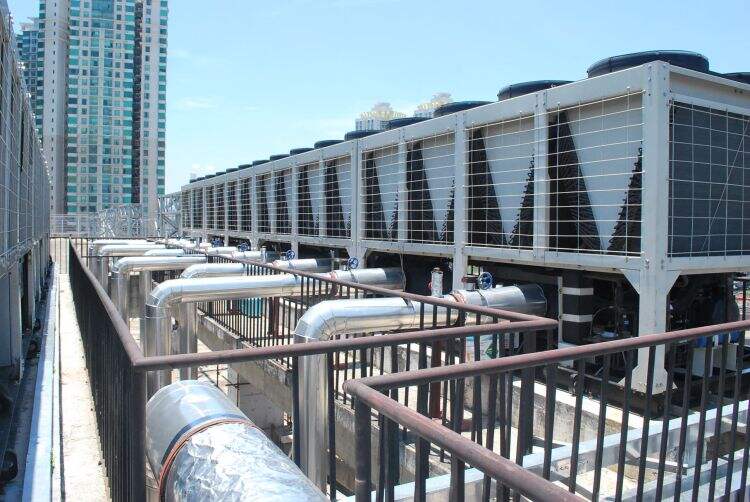
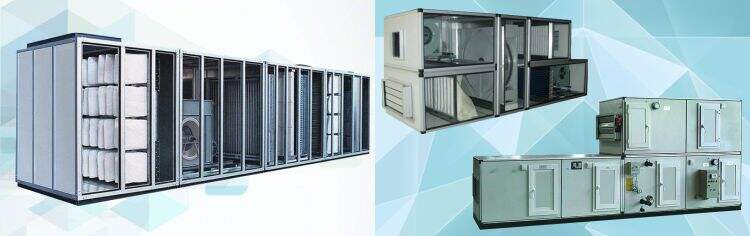
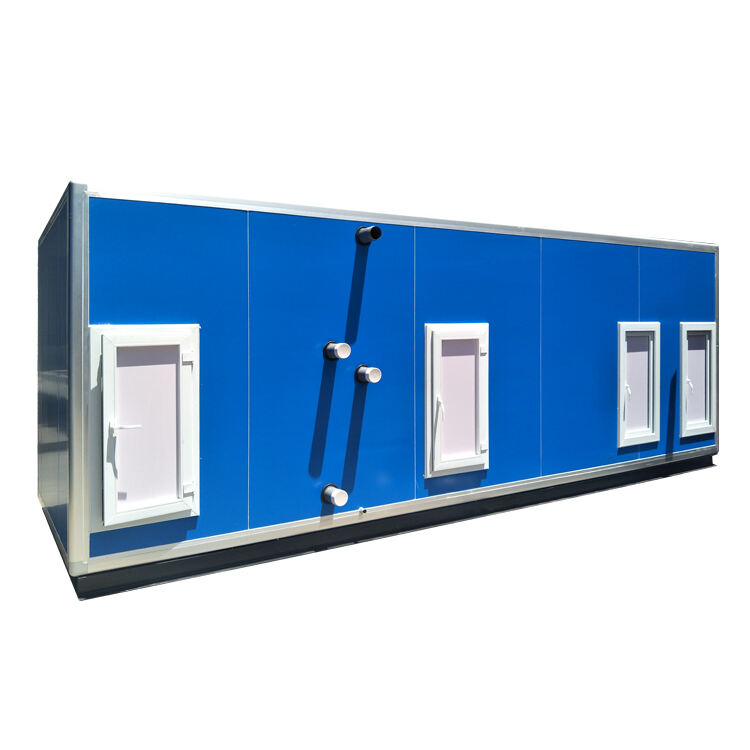
Air Handling Unit ventilation, commonly known as AHU ventilation, represents a sophisticated climate control solution designed to regulate and circulate air within residential, commercial, and industrial spaces. This comprehensive system functions as the central hub for managing indoor air quality by controlling temperature, humidity, filtration, and air distribution throughout a building. An AHU ventilation system typically consists of several integrated components including fans, heating and cooling coils, filters, dampers, humidifiers, and sound attenuators, all housed within a durable metal enclosure. The primary function of AHU ventilation revolves around drawing fresh outdoor air into the building while simultaneously expelling stale indoor air, creating a continuous cycle of air renewal. Modern AHU ventilation systems incorporate advanced technological features such as variable frequency drives that adjust fan speeds according to demand, intelligent sensors that monitor air quality parameters in real-time, and programmable controls that optimize energy consumption based on occupancy patterns. These systems also feature multi-stage filtration processes that remove particulates, allergens, pollutants, and harmful microorganisms from the air supply, ensuring occupants breathe cleaner, healthier air. The heating and cooling capabilities within AHU ventilation allow precise temperature management across different zones, maintaining comfortable conditions year-round regardless of external weather fluctuations. Applications for AHU ventilation span diverse sectors including hospitals where sterile environments are critical, office buildings requiring consistent comfort for productivity, manufacturing facilities needing controlled atmospheric conditions, educational institutions prioritizing student health, hotels demanding guest satisfaction, shopping centers managing large crowds, and residential complexes seeking superior air quality. The versatility of AHU ventilation makes it adaptable to buildings of varying sizes and configurations, from compact units serving single floors to massive installations handling entire skyscrapers. Integration with building management systems enables centralized monitoring and remote adjustments, providing facility managers with unprecedented control over environmental conditions while generating valuable data for maintenance scheduling and performance optimization.

New Products

Choosing AHU ventilation for your facility delivers numerous practical benefits that directly impact operational efficiency, occupant wellbeing, and financial performance. First and foremost, AHU ventilation dramatically improves indoor air quality by continuously introducing fresh outdoor air while filtering out contaminants, which reduces the concentration of carbon dioxide, volatile organic compounds, and airborne pathogens that accumulate in enclosed spaces. This enhancement leads to measurable health benefits for building occupants, including fewer respiratory complaints, reduced allergy symptoms, decreased sick days, and improved cognitive function, particularly important in workplaces and educational settings where performance matters. Energy efficiency represents another significant advantage, as modern AHU ventilation systems incorporate heat recovery technology that captures thermal energy from exhaust air and transfers it to incoming fresh air, substantially reducing the energy required for heating or cooling. This heat exchange process can recover up to 85 percent of the energy that would otherwise be wasted, translating into lower utility bills and reduced carbon footprint. The programmable nature of contemporary AHU ventilation allows you to schedule operations based on actual building usage, automatically reducing ventilation rates during unoccupied periods and ramping up capacity when people arrive, ensuring you never waste energy conditioning empty spaces. Temperature control becomes remarkably precise with AHU ventilation, eliminating hot and cold spots that plague simpler systems and creating uniform comfort throughout your facility, which enhances occupant satisfaction and prevents complaints. The modular design of AHU ventilation simplifies maintenance since technicians can access individual components without disrupting the entire system, and replaceable filters, belts, and other wear items can be serviced quickly during scheduled intervals. Noise reduction features built into quality AHU ventilation systems ensure quiet operation that does not disturb occupants, accomplished through sound-dampening materials, vibration isolation mounts, and aerodynamic fan designs that minimize turbulence. Humidity control capabilities prevent problems associated with excessive moisture like mold growth, material degradation, and musty odors, while also addressing overly dry conditions that cause static electricity, skin irritation, and damage to sensitive equipment. The scalability of AHU ventilation means your initial investment can grow with your needs, accommodating building expansions or changing requirements without complete system replacement. Compliance with building codes and ventilation standards becomes straightforward since properly designed AHU ventilation meets or exceeds regulatory requirements for air changes per hour and outdoor air percentages. Finally, AHU ventilation enhances property value by representing a modern, efficient infrastructure component that appeals to potential buyers or tenants who recognize the advantages of superior environmental control.

Tips And Tricks

How to Maintain Clean Air Systems to Meet ISO Standards

21

Oct

How to Maintain Clean Air Systems to Meet ISO Standards

Essential Guidelines for Industrial Air Quality Management In today's industrial landscape, maintaining clean air systems has become a critical requirement for operational excellence and regulatory compliance. Modern facilities must adhere to stringe...
View More
What Are the Essential Equipment and Materials in a Clean Room?

05

Nov

What Are the Essential Equipment and Materials in a Clean Room?

Understanding Critical Components of Modern Clean Room Environments Clean rooms represent the pinnacle of controlled environments, where precision, cleanliness, and contamination control converge to create spaces essential for various industries. Fro...
View More
What Are the Benefits of Modular Air Handling Units

02

Dec

What Are the Benefits of Modular Air Handling Units

Modern industrial facilities and commercial buildings face increasingly complex air quality challenges that require sophisticated yet adaptable solutions. Traditional HVAC systems often fall short when facilities need to expand, modify operations, or...
View More
What Happens to Production Stability Without a Proper Cleanroom System?

30

Jan

What Happens to Production Stability Without a Proper Cleanroom System?

Manufacturing environments face critical challenges when operating without adequate contamination control measures. A properly designed cleanroom system serves as the foundation for maintaining consistent product quality, regulatory compliance, and o...
View More

Get a Free Quote

Our representative will contact you soon.
Email
Name
Company Name
Attachment
Please upload at least an attachment
Up to 3 files,more 30mb,suppor jpg、jpeg、png、pdf、doc、docx、xls、xlsx、csv、txt
Message
0/1000

ahu ventilation

Advanced Filtration Technology for Superior Air Quality

Advanced Filtration Technology for Superior Air Quality

The filtration capabilities within AHU ventilation systems constitute one of their most valuable features, delivering unprecedented control over the purity of air circulating throughout your facility. Modern AHU ventilation incorporates multi-stage filtration processes that systematically remove particles of varying sizes, from large debris down to microscopic contaminants measuring less than one micron in diameter. The typical configuration begins with pre-filters that capture larger particles like dust, pollen, and textile fibers, protecting downstream components from accumulation and extending their service life. Following the initial stage, medium-efficiency filters trap smaller particles including mold spores, pet dander, and fine dust that escape the first barrier. For applications demanding the highest purity levels, such as healthcare facilities, laboratories, or cleanrooms, AHU ventilation can integrate HEPA filters capable of removing 99.97 percent of particles at 0.3 microns, effectively eliminating bacteria, viruses, and ultrafine particulates. Beyond particle filtration, advanced AHU ventilation systems may include activated carbon filters that adsorb gaseous pollutants, odors, and volatile organic compounds, addressing contamination that particle filters cannot capture. The strategic arrangement of these filtration stages creates a comprehensive barrier against indoor air pollution while maintaining adequate airflow to meet ventilation requirements. The importance of this filtration technology cannot be overstated, particularly considering that indoor air often contains higher concentrations of pollutants than outdoor air due to off-gassing from building materials, furniture, cleaning products, and office equipment. By implementing robust filtration within AHU ventilation, you create an environment where occupants are protected from allergens that trigger asthma and allergic reactions, pathogens that spread infectious diseases, and irritants that cause eye, nose, and throat discomfort. The health implications extend beyond immediate comfort to long-term wellness, as chronic exposure to poor air quality correlates with serious conditions including cardiovascular disease and respiratory disorders. From a practical standpoint, the filtration system within AHU ventilation requires regular monitoring and replacement according to manufacturer specifications, but the modular design makes this maintenance straightforward and minimally disruptive. Pressure sensors can monitor filter loading and alert maintenance personnel when replacement becomes necessary, preventing the performance degradation that occurs when filters become clogged.
Energy Recovery Systems for Maximum Efficiency

Energy Recovery Systems for Maximum Efficiency

Energy recovery represents a transformative feature within modern AHU ventilation systems, fundamentally changing the economics of providing adequate fresh air ventilation while maintaining comfortable temperatures. Traditional ventilation approaches exhaust conditioned indoor air and replace it with unconditioned outdoor air, forcing heating and cooling equipment to process the full thermal load of bringing outdoor air to desired temperatures. This conventional method consumes enormous amounts of energy, particularly in climates with extreme temperatures where the difference between outdoor and indoor conditions is substantial. AHU ventilation equipped with energy recovery technology solves this inefficiency through heat exchangers that transfer thermal energy between outgoing exhaust air and incoming fresh air streams without mixing them. During winter heating season, warm exhaust air preheats cold incoming outdoor air, recovering heat that would otherwise be lost to the atmosphere. Conversely, during summer cooling season, cool exhaust air pre-cools hot incoming outdoor air, reducing the burden on air conditioning equipment. The most sophisticated AHU ventilation systems employ enthalpy wheels or plate heat exchangers that recover both sensible heat and latent heat associated with humidity, providing total energy recovery that maximizes efficiency. The performance of these energy recovery components is measured by effectiveness ratings, with premium units achieving 75 to 85 percent effectiveness, meaning they recover three-quarters or more of the energy that would otherwise be wasted. The financial implications are substantial, as energy recovery within AHU ventilation can reduce heating and cooling costs by 30 to 50 percent compared to systems without this technology, generating significant savings that accumulate year after year. These savings directly improve your operational budget, freeing resources for other priorities while simultaneously reducing environmental impact through lower energy consumption and decreased greenhouse gas emissions. Beyond the economic benefits, energy recovery enables AHU ventilation to provide higher volumes of fresh air ventilation without proportionally increasing energy costs, allowing you to exceed minimum ventilation standards and create healthier indoor environments without financial penalty. The payback period for the incremental cost of energy recovery equipment typically ranges from two to five years depending on climate, energy prices, and operating hours, after which the savings represent pure benefit. Maintenance requirements for energy recovery components are modest, generally involving periodic cleaning of heat exchanger surfaces to maintain optimal thermal transfer efficiency.
Intelligent Control Systems for Optimized Performance

Intelligent Control Systems for Optimized Performance

The control systems integrated into contemporary AHU ventilation represent a quantum leap beyond simple on-off thermostats, providing sophisticated management that optimizes performance across multiple parameters simultaneously. These intelligent controls utilize networks of sensors distributed throughout the building that continuously monitor temperature, humidity, carbon dioxide levels, occupancy, and other relevant variables, feeding this data to programmable logic controllers or building automation systems that make real-time adjustments to AHU ventilation operation. The ability to modulate fan speeds through variable frequency drives allows AHU ventilation to deliver precisely the airflow required at any given moment rather than operating at full capacity continuously, reducing energy consumption during periods of lower demand. Demand-controlled ventilation algorithms adjust outdoor air intake based on actual occupancy detected through carbon dioxide sensors or occupancy detectors, ensuring adequate fresh air for the number of people present without over-ventilating empty spaces. Temperature control becomes remarkably nuanced with intelligent AHU ventilation management, utilizing proportional-integral-derivative control loops that make small, frequent adjustments rather than crude on-off cycling, maintaining setpoints within tight tolerances while minimizing energy waste. Scheduling capabilities enable you to program different operating modes for various times of day and days of week, automatically implementing setback temperatures during unoccupied periods, initiating purge cycles before occupancy, and adjusting ventilation rates to match activity patterns. The diagnostic capabilities built into modern AHU ventilation controls provide early warning of developing problems through continuous monitoring of operating parameters, detecting anomalies like restricted filters, belt slippage, failing bearings, or refrigerant leaks before they cause complete failures. This predictive maintenance approach prevents unexpected downtime, extends equipment lifespan, and allows you to schedule repairs during convenient times rather than responding to emergency breakdowns. Remote access functionality enables facility managers to monitor and adjust AHU ventilation systems from anywhere with internet connectivity, whether from another building across campus or from home during off-hours, providing flexibility and rapid response to changing conditions. Data logging features record historical performance information that proves invaluable for troubleshooting recurring issues, verifying compliance with ventilation standards, optimizing settings based on actual usage patterns, and planning equipment upgrades or replacements. The integration of AHU ventilation controls with broader building management systems creates synergies where lighting, security, and HVAC systems share information and coordinate operations for maximum efficiency and occupant comfort.

Get a Free Quote

Our representative will contact you soon.
Email
Name
Company Name
Attachment
Please upload at least an attachment
Up to 3 files,more 30mb,suppor jpg、jpeg、png、pdf、doc、docx、xls、xlsx、csv、txt
Message
0/1000

Get a Free Quote

Our representative will contact you soon.
Email
Name
Company Name
Attachment
Please upload at least an attachment
Up to 3 files,more 30mb,suppor jpg、jpeg、png、pdf、doc、docx、xls、xlsx、csv、txt
Message
0/1000