GMP Cleanroom Solutions: Advanced Contamination Control for Pharmaceutical and Medical Device Manufacturing

All Categories

Get a Free Quote

Our representative will contact you soon.
Email
Name
Company Name
Attachment
Please upload at least an attachment
Up to 3 files,more 30mb,suppor jpg、jpeg、png、pdf、doc、docx、xls、xlsx、csv、txt
Message
0/1000

Get a Free Quote

Our representative will contact you soon.
Email
Name
Company Name
Attachment
Please upload at least an attachment
Up to 3 files,more 30mb,suppor jpg、jpeg、png、pdf、doc、docx、xls、xlsx、csv、txt
Message
0/1000

gmp cleanroom

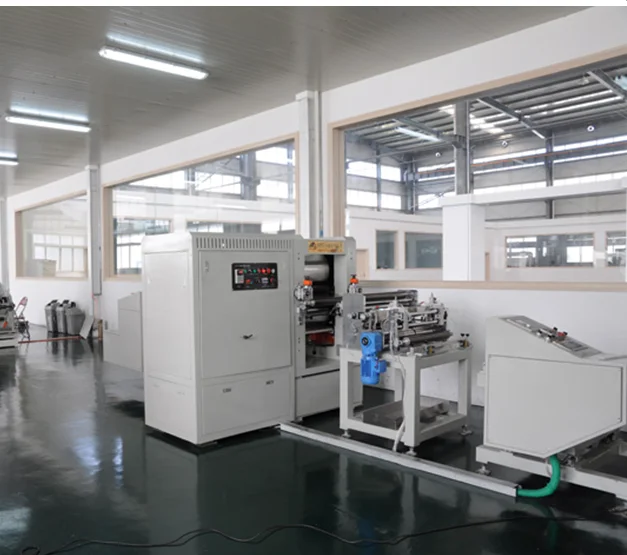
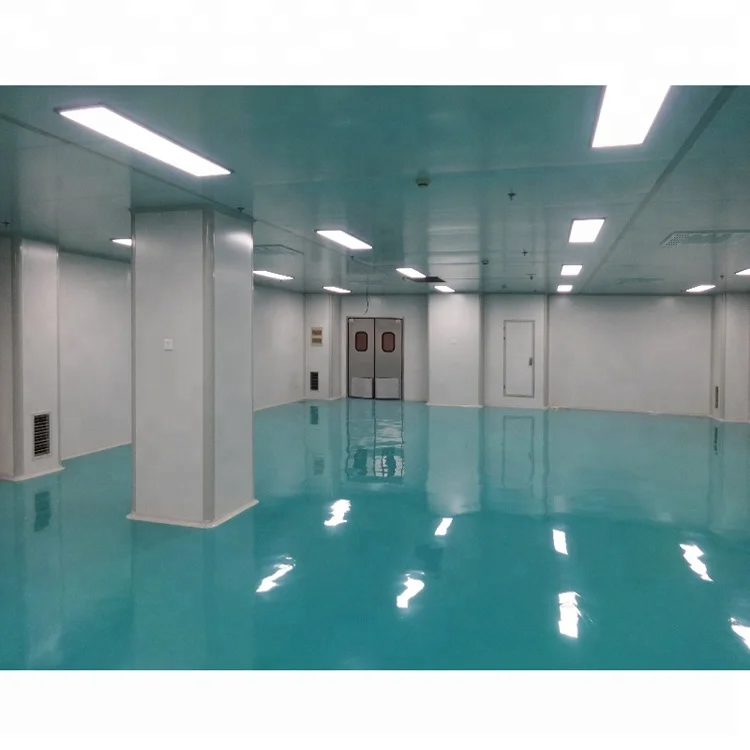
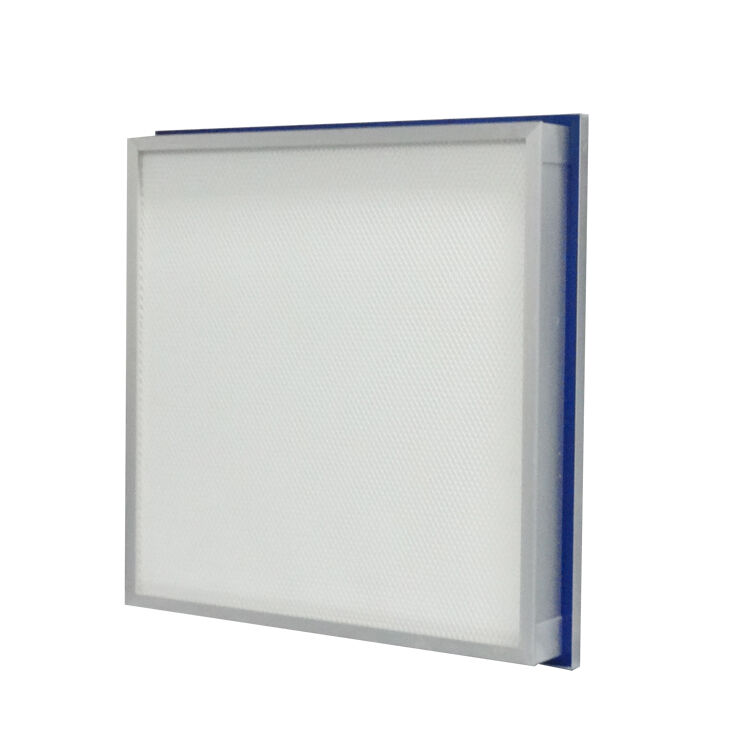
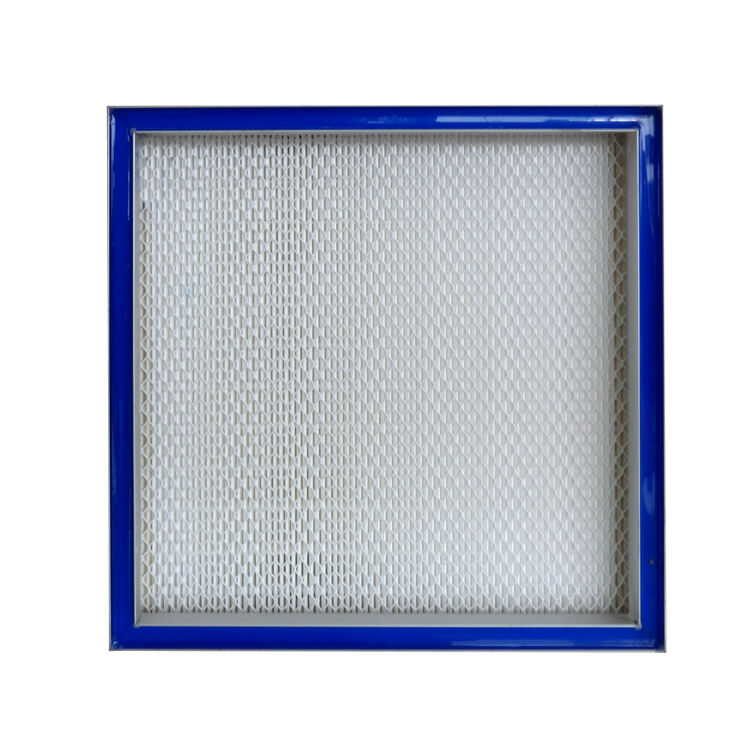
A GMP cleanroom represents a controlled environment specifically designed to meet Good Manufacturing Practice standards, which are essential regulations governing pharmaceutical, biotechnology, and medical device production. These specialized facilities maintain precise environmental conditions by controlling airborne particles, temperature, humidity, and pressure to ensure product quality and safety. The primary function of a GMP cleanroom is to minimize contamination risks during manufacturing processes, protecting both products and personnel from harmful particulates and microorganisms. Modern GMP cleanroom facilities incorporate advanced filtration systems, typically using HEPA or ULPA filters that remove 99.97% to 99.999% of particles as small as 0.3 microns. The technological infrastructure includes sophisticated air handling units that create positive or negative pressure differentials, preventing uncontrolled air movement between different cleanliness zones. These rooms are classified according to ISO standards, ranging from ISO Class 3 to ISO Class 8, with lower numbers indicating stricter cleanliness requirements. Applications span across pharmaceutical manufacturing, where sterile drug production demands the highest cleanliness levels, to medical device assembly, cosmetics production, and biotechnology research. The construction materials used in a GMP cleanroom are non-porous, easy to clean, and resistant to chemical disinfectants, ensuring surfaces do not harbor contaminants. Seamless flooring, coved corners, and smooth wall panels eliminate areas where particles could accumulate. Monitoring systems continuously track environmental parameters, providing real-time data on particle counts, temperature, humidity, and differential pressure. Personnel entering these facilities must follow strict gowning procedures, wearing specialized garments that prevent human-generated contamination. The integration of automated systems and robotics further reduces human intervention, minimizing contamination sources while improving production efficiency and consistency in manufacturing operations.

New Products

Investing in a GMP cleanroom delivers substantial benefits that directly impact your bottom line and operational success. First and foremost, these facilities ensure regulatory compliance, helping you meet FDA, EMA, and other international health authority requirements without constant worry about inspection failures or product recalls. This compliance protection saves significant costs associated with regulatory penalties, production shutdowns, and reputation damage. Product quality improves dramatically within controlled environments, as contamination risks drop to minimal levels, resulting in higher yields and fewer batch rejections. Your manufacturing processes become more predictable and reliable, reducing waste and maximizing the value extracted from raw materials. The controlled environment extends beyond just cleanliness; precise temperature and humidity control protects sensitive materials and processes, ensuring consistent results batch after batch. This consistency translates to stronger customer trust and market reputation, as your products maintain uniform quality standards. Employee safety receives a major boost in GMP cleanroom settings, as the controlled environment protects workers from exposure to hazardous substances while the structured protocols reduce workplace accidents. The facility design incorporates ergonomic considerations and clear workflows that enhance productivity while maintaining safety standards. Energy efficiency has improved significantly in modern GMP cleanroom designs, with advanced HVAC systems that optimize air changes while minimizing power consumption, reducing operational costs over the facility's lifetime. The modular nature of contemporary cleanroom construction allows for scalability, enabling you to expand production capacity as your business grows without complete facility overhauls. This flexibility proves invaluable in dynamic markets where demand fluctuates or product lines evolve. Documentation and traceability become streamlined within GMP cleanroom operations, as integrated monitoring systems automatically record environmental conditions and process parameters, simplifying audit preparations and quality assurance reviews. The professional image projected by maintaining GMP cleanroom facilities enhances business development opportunities, as clients and partners recognize your commitment to quality and regulatory excellence. Insurance costs may decrease due to reduced contamination risks and improved safety records, providing additional financial benefits. Long-term asset value remains strong, as properly maintained GMP cleanroom facilities retain their functionality and can be adapted for different manufacturing purposes, protecting your capital investment while providing operational flexibility for future business directions.

Practical Tips

What Are the Common Issues with Air Handling Units and Solutions

02

Dec

What Are the Common Issues with Air Handling Units and Solutions

Air handling units serve as the backbone of modern HVAC systems, managing air circulation, filtration, and conditioning in commercial and industrial facilities. These sophisticated systems ensure optimal indoor air quality while maintaining energy ef...
View More
What Certifications Are Required for Clean Air Systems

02

Dec

What Certifications Are Required for Clean Air Systems

Modern industrial facilities and critical environments rely heavily on properly certified clean air systems to maintain air quality standards and regulatory compliance. These sophisticated systems ensure contaminant-free environments essential for ma...
View More
How Do Clean Room Classifications Affect Operational Efficiency and Quality?

30

Jan

How Do Clean Room Classifications Affect Operational Efficiency and Quality?

Clean room classifications serve as the foundation for maintaining controlled environments across pharmaceutical, semiconductor, and medical device manufacturing industries. These standardized systems define the maximum allowable concentration of air...
View More
Clean Room Applications Across Electronics, Medical, and Precision Manufacturing

30

Jan

Clean Room Applications Across Electronics, Medical, and Precision Manufacturing

Modern manufacturing and healthcare facilities rely heavily on controlled environments to ensure product quality, safety, and regulatory compliance. A clean room represents a specialized environment where airborne particles, contaminants, and environ...
View More

Get a Free Quote

Our representative will contact you soon.
Email
Name
Company Name
Attachment
Please upload at least an attachment
Up to 3 files,more 30mb,suppor jpg、jpeg、png、pdf、doc、docx、xls、xlsx、csv、txt
Message
0/1000

gmp cleanroom

Advanced Contamination Control Systems

Advanced Contamination Control Systems

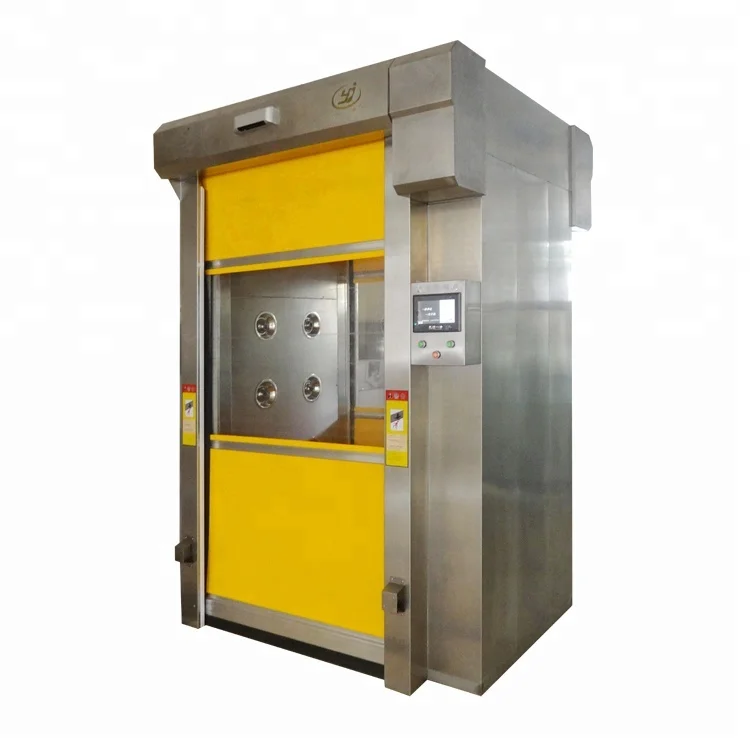
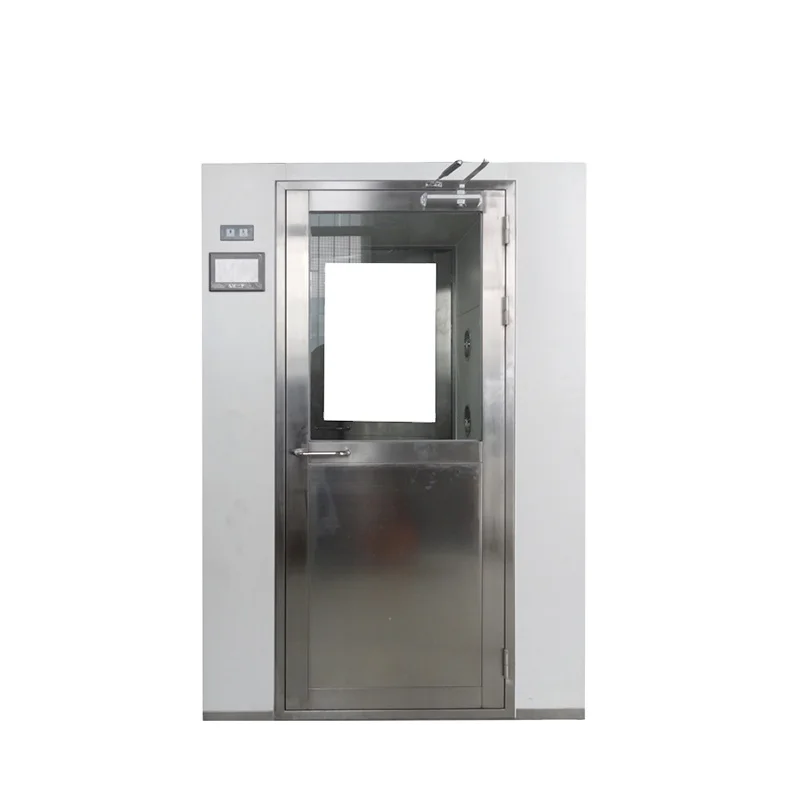
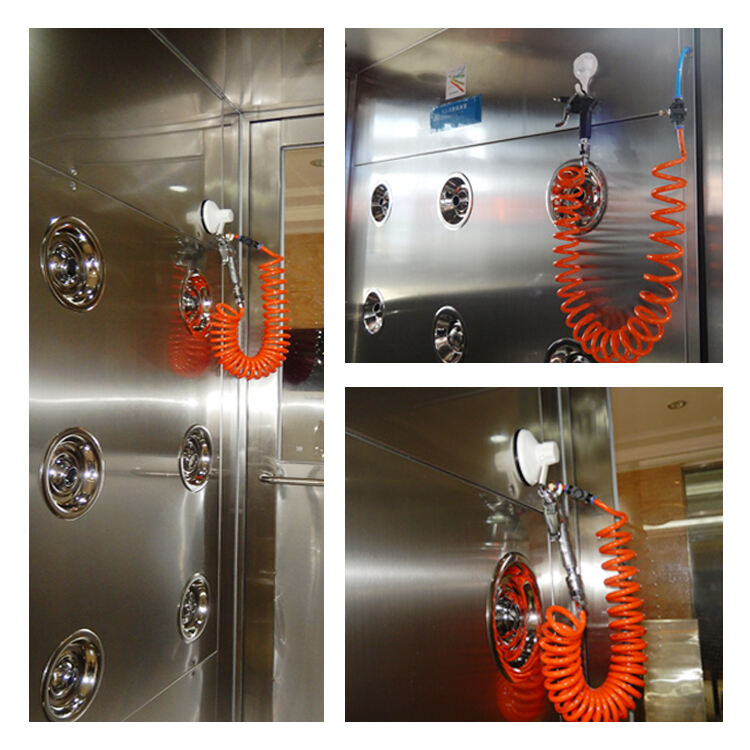
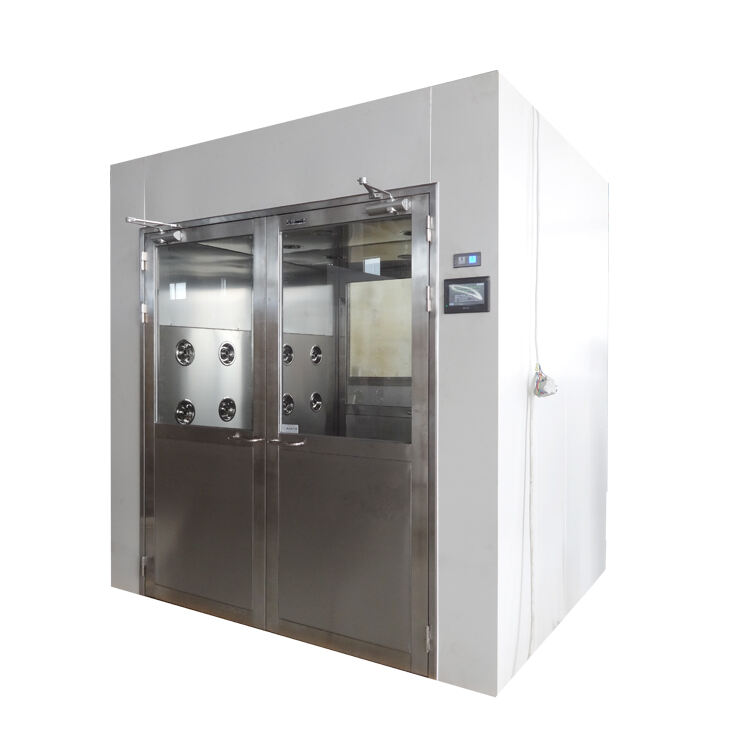
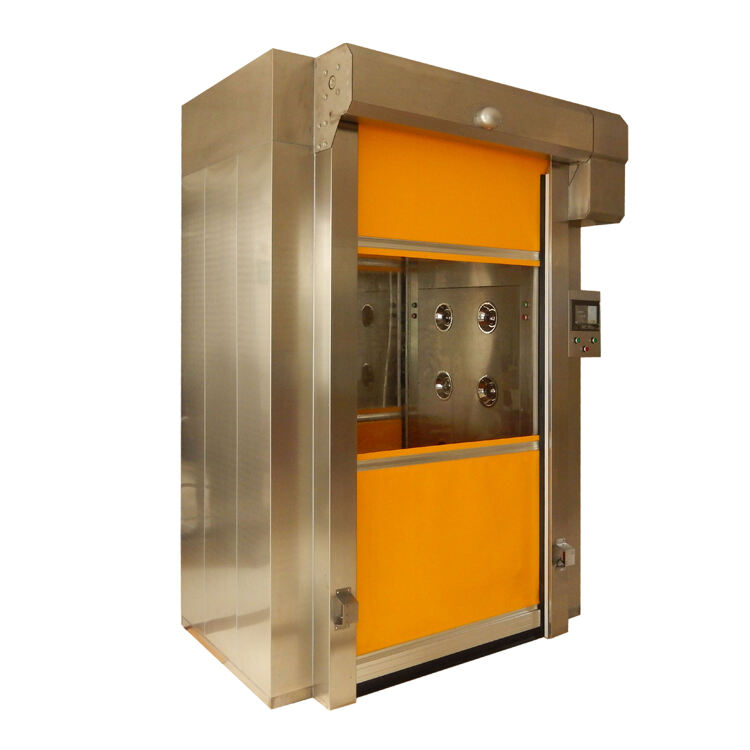
The contamination control capabilities of a GMP cleanroom represent the cornerstone of its value proposition, utilizing multiple integrated technologies to create an environment where product purity remains uncompromised. At the heart of this system lies the air filtration infrastructure, employing high-efficiency particulate air filters that capture microscopic particles with remarkable effectiveness. These filters work continuously, processing room air through multiple exchanges per hour, with rates varying from 20 to 600 air changes hourly depending on the cleanliness classification required. The airflow patterns are carefully engineered, typically using unidirectional or laminar flow designs that sweep particles away from critical work areas, preventing them from settling on products or surfaces. Pressure cascades between different zones create invisible barriers, ensuring that air flows from cleaner areas to less clean areas, never allowing potential contaminants to migrate backward into sterile zones. Surface materials throughout the GMP cleanroom are selected for their inability to generate or harbor particles, with stainless steel, specialized polymers, and coated panels providing smooth, non-shedding surfaces that withstand repeated cleaning with aggressive disinfectants. The flooring systems feature seamless construction with coved edges that eliminate corners where particles could accumulate, while being resistant to chemical damage and capable of supporting heavy equipment loads. Personnel represent the largest contamination source in any cleanroom, which is why comprehensive gowning protocols are mandatory, with specialized garments covering the entire body, including hair, face, hands, and feet. These garments are manufactured from low-particle-generating materials and are either disposable or laundered using validated processes that ensure they remain contamination-free. Airlocks and pass-through chambers control material and personnel entry, providing spaces where items can be cleaned or transferred between zones without compromising the cleanliness of the main production area. Environmental monitoring systems continuously sample air and surfaces, using particle counters, microbial samplers, and other instruments to verify that contamination levels remain within specified limits, with automated alerts triggering when parameters drift outside acceptable ranges, enabling immediate corrective action before product quality is affected.
Regulatory Compliance and Documentation Excellence

Regulatory Compliance and Documentation Excellence

Achieving and maintaining regulatory compliance represents a critical challenge for manufacturers in regulated industries, and a properly designed GMP cleanroom provides the infrastructure and systems necessary to meet these demanding requirements consistently. Good Manufacturing Practice regulations established by agencies like the FDA, EMA, and WHO set specific standards for facility design, operation, and maintenance that must be documented and verified through regular inspections. A GMP cleanroom addresses these requirements systematically, starting with qualification protocols that validate every aspect of the facility's performance, from initial design qualification through installation qualification, operational qualification, and performance qualification. These validation studies generate comprehensive documentation proving that the cleanroom performs as intended under all operating conditions, providing the evidence base that regulators require during inspections. The facility design itself incorporates features that facilitate compliance, such as smooth, cleanable surfaces that prevent microbial growth, adequate space for equipment and personnel movement that prevents cross-contamination, and clearly defined zones that separate different manufacturing activities according to their contamination risk levels. Standard operating procedures govern every activity within the GMP cleanroom, from routine cleaning and disinfection to equipment operation and maintenance, ensuring that all personnel follow consistent, validated methods that maintain the controlled environment. Training programs ensure that every person entering the cleanroom understands these procedures and their importance, with documented training records proving competency before individuals are authorized to work in the controlled environment. Environmental monitoring data is collected continuously and stored in secure, auditable systems that provide complete traceability of conditions throughout the manufacturing process, enabling rapid investigation if quality issues arise and demonstrating to regulators that the facility maintained appropriate conditions during production. Change control systems manage any modifications to the facility, equipment, or procedures, requiring documented risk assessments and approvals before implementation, ensuring that changes do not inadvertently compromise product quality or regulatory compliance. Deviation management processes capture and investigate any instances where parameters exceed specified limits, with documented corrective and preventive actions that address root causes and prevent recurrence, demonstrating a proactive approach to quality management that regulators value. The comprehensive documentation generated by these systems simplifies audit preparation, as all necessary records are organized, complete, and readily accessible, reducing the stress and resource demands of regulatory inspections while demonstrating your organization's commitment to quality and compliance.
Operational Efficiency and Cost Optimization

Operational Efficiency and Cost Optimization

While the initial investment in a GMP cleanroom may seem substantial, the operational efficiencies and cost savings these facilities generate over their lifetime provide compelling financial returns that justify the expenditure. Modern GMP cleanroom designs incorporate energy-efficient technologies that significantly reduce utility costs compared to older facilities, with variable air volume systems that adjust airflow based on actual occupancy and activity levels rather than running at maximum capacity continuously. LED lighting systems provide excellent visibility while consuming a fraction of the energy required by traditional lighting, with some installations reducing lighting energy use by 60% or more. Heat recovery systems capture thermal energy from exhaust air and use it to precondition incoming fresh air, reducing the heating and cooling loads on HVAC equipment and lowering energy consumption substantially. The controlled environment itself contributes to cost savings by reducing product losses due to contamination, with higher first-pass yields meaning more saleable product from each batch of raw materials. This improved yield directly impacts profitability, as the costs of materials, labor, and overhead are spread across more finished units, reducing the per-unit production cost. Preventive maintenance programs enabled by the structured GMP cleanroom environment extend equipment life and reduce unexpected breakdowns that cause costly production interruptions, with scheduled maintenance performed during planned downtime rather than emergency repairs disrupting production schedules. The modular construction methods used in contemporary GMP cleanroom facilities allow for phased expansion, enabling you to add capacity incrementally as demand grows rather than building excess capacity that sits idle, optimizing capital deployment and improving return on investment. Automation integration within GMP cleanroom environments reduces labor costs while improving consistency and reducing human error, with robotic systems handling repetitive tasks more efficiently than manual operations while generating detailed process data that supports continuous improvement initiatives. The reduced contamination risk translates to fewer product recalls, which can cost millions in direct expenses plus immeasurable damage to brand reputation and customer relationships. Insurance premiums may decrease as insurers recognize the reduced risk profile of facilities with comprehensive contamination control and safety systems, providing ongoing savings throughout the facility's operational life. The professional image and regulatory compliance status that GMP cleanroom facilities provide opens doors to new business opportunities, as customers and partners in regulated industries require suppliers to demonstrate appropriate quality systems and facilities, with the cleanroom serving as tangible evidence of your commitment to quality and capability to meet demanding requirements.

Get a Free Quote

Our representative will contact you soon.
Email
Name
Company Name
Attachment
Please upload at least an attachment
Up to 3 files,more 30mb,suppor jpg、jpeg、png、pdf、doc、docx、xls、xlsx、csv、txt
Message
0/1000

Get a Free Quote

Our representative will contact you soon.
Email
Name
Company Name
Attachment
Please upload at least an attachment
Up to 3 files,more 30mb,suppor jpg、jpeg、png、pdf、doc、docx、xls、xlsx、csv、txt
Message
0/1000