Clean Bench Solutions: Advanced Contamination Control for Laboratory and Manufacturing Applications

All Categories

Get a Free Quote

Our representative will contact you soon.
Email
Name
Company Name
Attachment
Please upload at least an attachment
Up to 3 files,more 30mb,suppor jpg、jpeg、png、pdf、doc、docx、xls、xlsx、csv、txt
Message
0/1000

Get a Free Quote

Our representative will contact you soon.
Email
Name
Company Name
Attachment
Please upload at least an attachment
Up to 3 files,more 30mb,suppor jpg、jpeg、png、pdf、doc、docx、xls、xlsx、csv、txt
Message
0/1000

clean bench

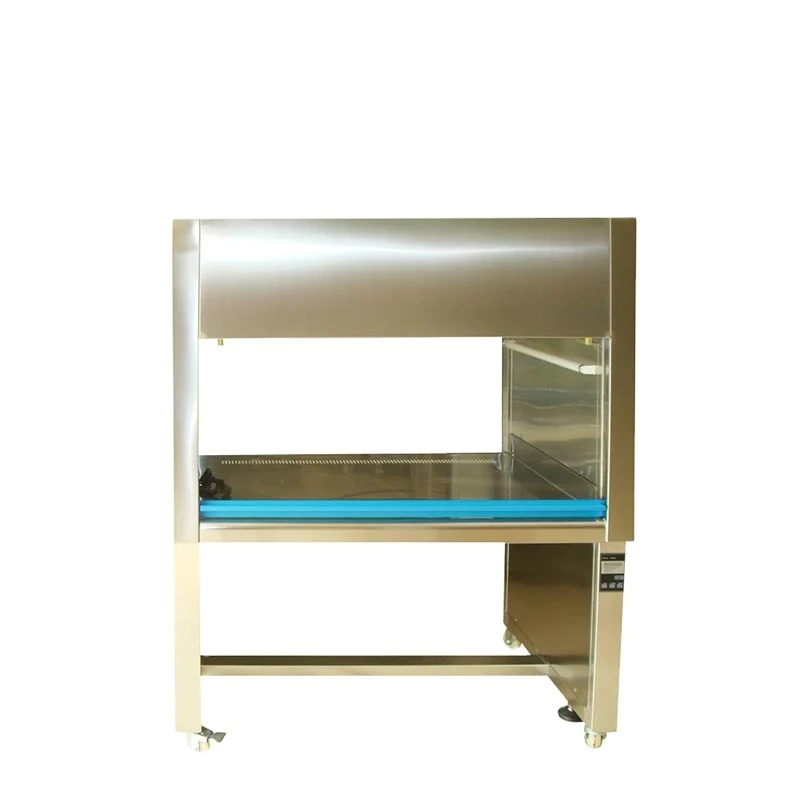
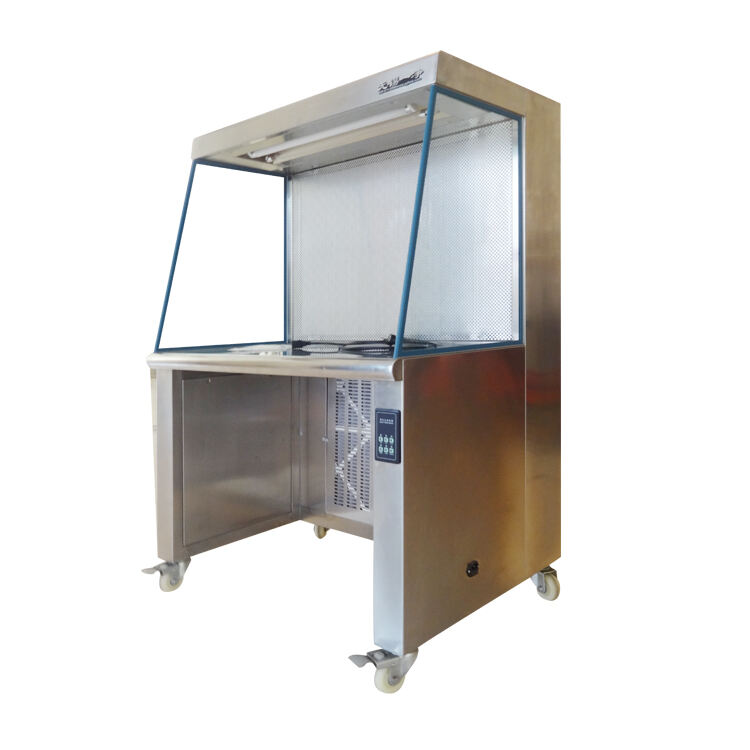
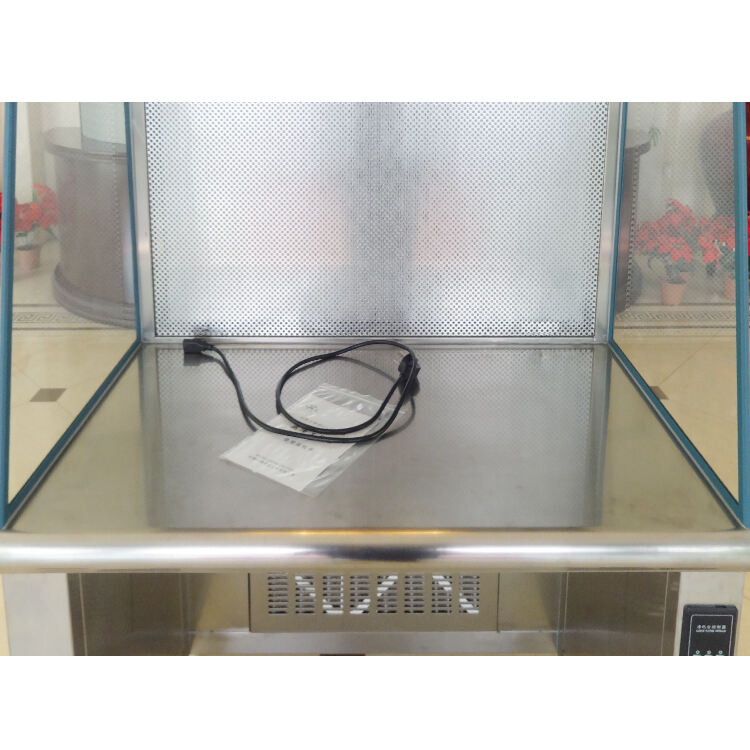
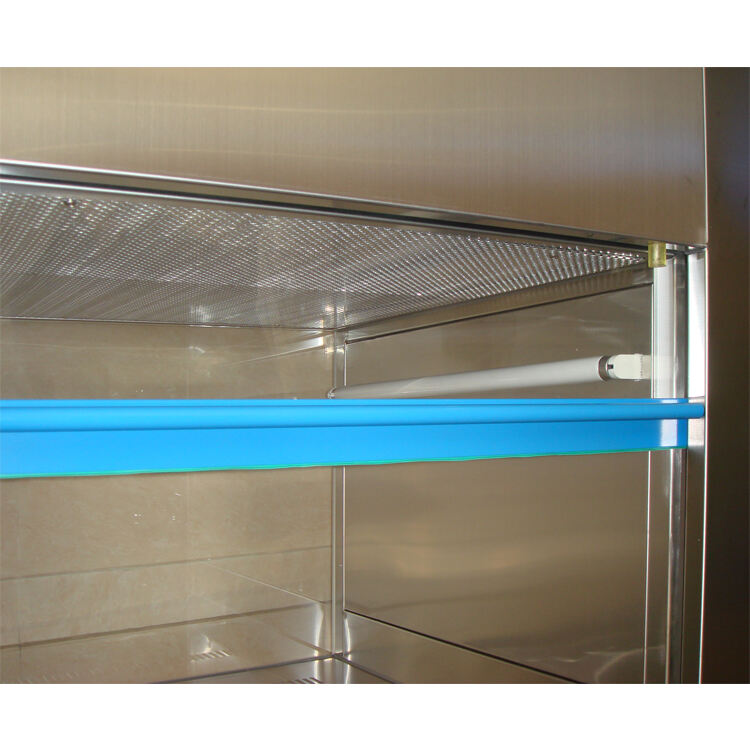
A clean bench represents a specialized piece of laboratory equipment designed to provide a controlled, contaminant-free workspace for sensitive operations requiring sterile conditions. This essential apparatus creates a localized environment where particulate matter, microorganisms, and other airborne contaminants are systematically removed through advanced filtration technology. The primary function of a clean bench centers on maintaining an aseptic working area by continuously circulating filtered air across the work surface, effectively protecting samples, cultures, and materials from environmental contamination. Modern clean benches incorporate high-efficiency particulate air filters, commonly known as HEPA filters, which capture particles as small as 0.3 microns with an efficiency rating of 99.97 percent or higher. These units find widespread application across multiple industries including pharmaceutical manufacturing, biotechnology research, electronics assembly, medical device production, and microbiological testing facilities. The technological architecture of a clean bench typically features a laminar airflow system that directs filtered air in a uniform, unidirectional pattern across the workspace. This consistent air movement prevents turbulence and ensures that contaminants cannot settle on work surfaces or materials. Two primary configurations exist: horizontal flow models where air moves from the back of the unit toward the operator, and vertical flow designs where air descends from the top of the chamber downward onto the work surface. Each configuration serves specific applications based on the nature of materials being handled and the level of operator protection required. The construction materials used in clean bench manufacturing prioritize durability, chemical resistance, and ease of cleaning, with stainless steel and powder-coated steel being the most common choices for both the exterior cabinet and interior work surfaces. Advanced models incorporate features such as UV germicidal lamps for surface sterilization between uses, adjustable airflow controls to accommodate different procedural requirements, and integrated monitoring systems that track filter performance and alert users when maintenance becomes necessary.

New Product Recommendations

Investing in a clean bench delivers substantial practical benefits that directly impact operational efficiency, product quality, and cost management. First and foremost, these units provide reliable contamination control that protects your valuable samples, products, and research materials from airborne particles, bacteria, fungi, and other microorganisms that could compromise results or product integrity. This protection translates into fewer failed experiments, reduced product recalls, and higher success rates in critical procedures. The economic advantages become apparent when you consider the cost of contaminated batches, wasted materials, and repeated testing procedures that a clean bench helps you avoid. By maintaining consistent environmental conditions, these workstations enable you to achieve reproducible results, which is essential for quality assurance, regulatory compliance, and scientific validity. The user-friendly design of modern clean benches means your team can operate them with minimal training, reducing the learning curve and allowing personnel to focus on their core tasks rather than struggling with complicated equipment. Energy efficiency has improved dramatically in recent generations of clean benches, with optimized fan systems and intelligent controls that reduce power consumption without compromising performance, leading to lower operational costs over the equipment's lifespan. The compact footprint of most clean bench models makes them suitable for laboratories with limited space, allowing you to establish contamination-controlled work areas without requiring dedicated cleanroom construction, which would cost significantly more in terms of both initial investment and ongoing maintenance. Maintenance requirements remain straightforward and manageable, typically involving periodic filter replacement and routine cleaning, tasks that your existing staff can handle without specialized technical support. The versatility of clean benches means a single unit can support multiple applications and procedures, from cell culture work and media preparation to electronics assembly and quality control testing, maximizing your return on investment. Enhanced worker comfort results from the ergonomic design features incorporated into quality clean benches, including adjustable work heights, adequate lighting, and reduced noise levels compared to older models. Regulatory compliance becomes easier to achieve and document when you use certified clean benches that meet industry standards such as ISO 14644 for cleanroom classification and NSF/ANSI standards for biosafety equipment. The professional appearance and demonstrated commitment to quality that a clean bench represents can also enhance your organization's reputation with clients, partners, and regulatory agencies, potentially opening doors to new business opportunities and collaborations.

Tips And Tricks

What Are the Key Components of an Effective Clean Air System

21

Oct

What Are the Key Components of an Effective Clean Air System

Understanding Modern Clean Air Technologies and Their Impact A well-designed clean air system serves as the foundation for maintaining optimal indoor air quality in both residential and commercial spaces. As we spend approximately 90% of our time ind...
View More
How to Maintain Clean Air Systems to Meet ISO Standards

21

Oct

How to Maintain Clean Air Systems to Meet ISO Standards

Essential Guidelines for Industrial Air Quality Management In today's industrial landscape, maintaining clean air systems has become a critical requirement for operational excellence and regulatory compliance. Modern facilities must adhere to stringe...
View More
What Is the Difference Between Static and Dynamic Pass Boxes

05

Nov

What Is the Difference Between Static and Dynamic Pass Boxes

Understanding Clean Room Transfer Systems: Static vs Dynamic Solutions In the world of cleanroom technology and contamination control, pass boxes play a crucial role in maintaining environmental integrity while enabling material transfer. Static and ...
View More
How Cleanroom Layout Planning Influences Workflow and Risk Management

30

Jan

How Cleanroom Layout Planning Influences Workflow and Risk Management

In the highly regulated world of pharmaceutical manufacturing, semiconductor production, and biotechnology research, cleanroom layout planning serves as the foundation for operational excellence and regulatory compliance. The strategic arrangement of...
View More

Get a Free Quote

Our representative will contact you soon.
Email
Name
Company Name
Attachment
Please upload at least an attachment
Up to 3 files,more 30mb,suppor jpg、jpeg、png、pdf、doc、docx、xls、xlsx、csv、txt
Message
0/1000

clean bench

Advanced HEPA Filtration Technology Ensures Maximum Protection

Advanced HEPA Filtration Technology Ensures Maximum Protection

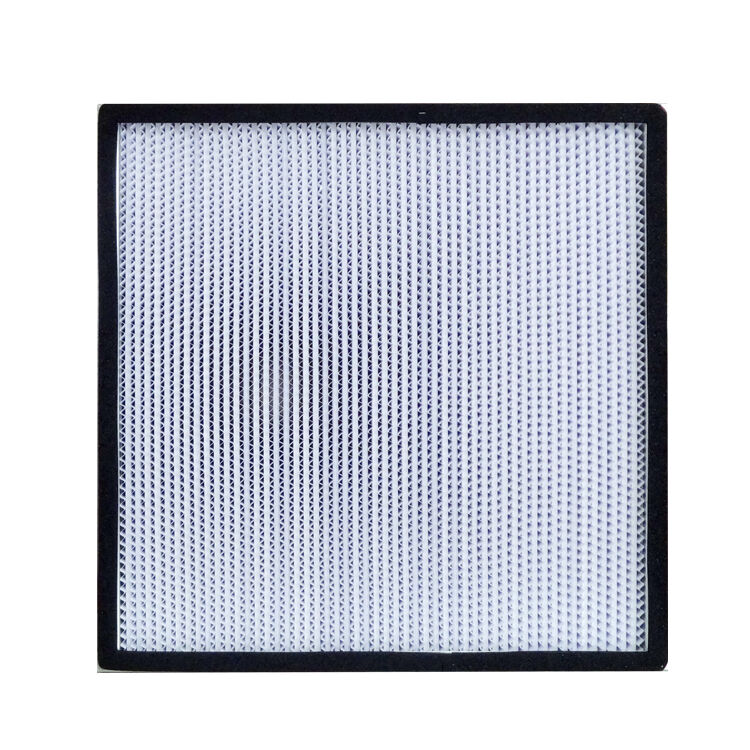
The cornerstone of every effective clean bench lies in its sophisticated filtration system, which employs high-efficiency particulate air filters engineered to capture microscopic contaminants that would otherwise compromise your work. These HEPA filters represent the gold standard in air purification technology, removing 99.97 percent of particles measuring 0.3 microns in diameter, along with even higher efficiency rates for both larger and smaller particles due to the physics of particle capture mechanisms. To put this performance in perspective, a human hair measures approximately 75 microns in diameter, making it roughly 250 times larger than the particles these filters reliably capture. The filtration process works through multiple mechanisms including interception, impaction, and diffusion, ensuring that bacteria, mold spores, dust particles, and other contaminants cannot reach your work surface. Modern clean benches often incorporate pre-filters that extend the life of the primary HEPA filter by capturing larger particles before they reach the main filtration stage, reducing maintenance costs and ensuring consistent performance over extended periods. The filter housing design prevents bypass airflow, meaning that every cubic foot of air entering your workspace has passed through the filtration system, leaving no gaps where unfiltered air could contaminate your materials. Regular monitoring systems built into quality clean benches track filter performance through pressure differential measurements, alerting you when filters approach the end of their effective service life and need replacement. This proactive maintenance approach prevents the gradual performance degradation that could go unnoticed without monitoring, ensuring your clean bench continues to provide the protection you depend on. The investment in superior filtration technology pays dividends through reduced contamination incidents, higher success rates in sensitive procedures, and the confidence that comes from knowing your workspace meets the stringent cleanliness standards required for your applications. Whether you work with cell cultures that could be destroyed by a single bacterial cell, manufacture electronics components where a dust particle could cause product failure, or prepare pharmaceutical compounds where contamination could pose safety risks, the advanced HEPA filtration system in a clean bench provides the reliable protection your work demands.
Laminar Airflow Design Creates Optimal Working Conditions

Laminar Airflow Design Creates Optimal Working Conditions

The laminar airflow system integrated into clean benches represents a carefully engineered solution that goes far beyond simple air circulation, creating a precisely controlled environment where air moves in smooth, parallel layers at a consistent velocity across the entire work surface. This uniform air movement pattern prevents the turbulence and eddy currents that characterize conventional ventilation systems, which can actually increase contamination risk by stirring up particles and distributing them unpredictably throughout the workspace. In a properly functioning laminar flow clean bench, filtered air enters the work area and sweeps across or down through the workspace in a continuous, uninterrupted stream, carrying any particles generated during your procedures away from your materials and out of the work zone before they can settle and cause contamination. The velocity of this airflow is calibrated to maintain effective particle removal while remaining gentle enough not to disturb lightweight materials or create uncomfortable working conditions for operators. Typical airflow velocities range from 0.3 to 0.5 meters per second, a speed that has been optimized through extensive research and practical experience to provide the best balance between contamination control and operational practicality. The choice between horizontal and vertical laminar flow configurations allows you to select the design that best matches your specific applications and safety requirements. Horizontal flow models excel in applications where product protection is the primary concern and the materials being handled pose no risk to the operator, making them ideal for electronics assembly, non-hazardous pharmaceutical compounding, and general laboratory work with sterile materials. Vertical flow designs provide superior operator protection by directing airflow downward and away from the user's breathing zone, making them the preferred choice when working with materials that could generate aerosols or when additional personnel safety measures are warranted. The consistent, predictable airflow pattern created by laminar flow technology also contributes to reproducible experimental conditions, an often-overlooked benefit that becomes crucial when you need to validate procedures, compare results across different time periods, or meet regulatory requirements for process consistency. Advanced clean benches incorporate airflow visualization capabilities, allowing you to verify proper laminar flow patterns and identify any disruptions caused by equipment placement or improper technique, helping your team optimize their work practices for maximum contamination control.
Durable Construction and Ergonomic Design Maximize Long-Term Value

Durable Construction and Ergonomic Design Maximize Long-Term Value

The physical construction and thoughtful design features of a quality clean bench directly impact both its longevity and the productivity of personnel who use it daily, making these considerations just as important as the filtration and airflow technologies that receive more attention. Manufacturers of premium clean benches select materials specifically for their ability to withstand repeated cleaning with harsh disinfectants, resist corrosion from chemical exposure, and maintain structural integrity under continuous operation, ensuring your investment continues to perform reliably for many years. Stainless steel work surfaces provide exceptional durability and chemical resistance while offering a smooth, non-porous surface that prevents bacterial growth and simplifies cleaning procedures, allowing your team to maintain sterile conditions with minimal effort. The cabinet construction typically employs powder-coated steel or stainless steel that resists scratches, dents, and chemical damage, maintaining a professional appearance even in demanding production environments. Ergonomic considerations built into modern clean bench designs reduce operator fatigue and improve work quality during extended use periods. Adjustable work surface heights accommodate users of different statures, preventing the back and neck strain that can result from working at an improperly positioned workspace for hours at a time. Adequate interior lighting, often provided by energy-efficient LED fixtures, ensures excellent visibility without creating glare or heat buildup that could affect temperature-sensitive materials or cause operator discomfort. The front opening design allows comfortable arm positioning and unrestricted access to the work area while maintaining the integrity of the laminar airflow pattern, a balance that requires careful engineering to achieve. Many clean benches incorporate sloped work surfaces that facilitate drainage and prevent liquid accumulation, an important safety and cleanliness feature when working with solutions or performing procedures that could generate spills. Integrated electrical outlets positioned within easy reach but protected from potential liquid exposure provide convenient power access for equipment such as microscopes, heating blocks, or electronic balances that you might need to use within the clean environment. The noise level generated by the blower system represents another ergonomic consideration that affects user comfort and communication ability, with quality units engineered to minimize operational noise through sound-dampening materials and optimized fan designs. Mobility features such as casters or wheels on some models allow you to reconfigure your laboratory layout as needs change, providing flexibility that becomes increasingly valuable as your operations evolve. The combination of robust construction materials, thoughtful ergonomic features, and practical design details ensures that a well-chosen clean bench becomes a reliable, comfortable, and productive workspace that serves your organization effectively for many years, delivering ongoing value that far exceeds the initial purchase price.


Get a Free Quote

Our representative will contact you soon.
Email
Name
Company Name
Attachment
Please upload at least an attachment
Up to 3 files,more 30mb,suppor jpg、jpeg、png、pdf、doc、docx、xls、xlsx、csv、txt
Message
0/1000

Get a Free Quote

Our representative will contact you soon.
Email
Name
Company Name
Attachment
Please upload at least an attachment
Up to 3 files,more 30mb,suppor jpg、jpeg、png、pdf、doc、docx、xls、xlsx、csv、txt
Message
0/1000