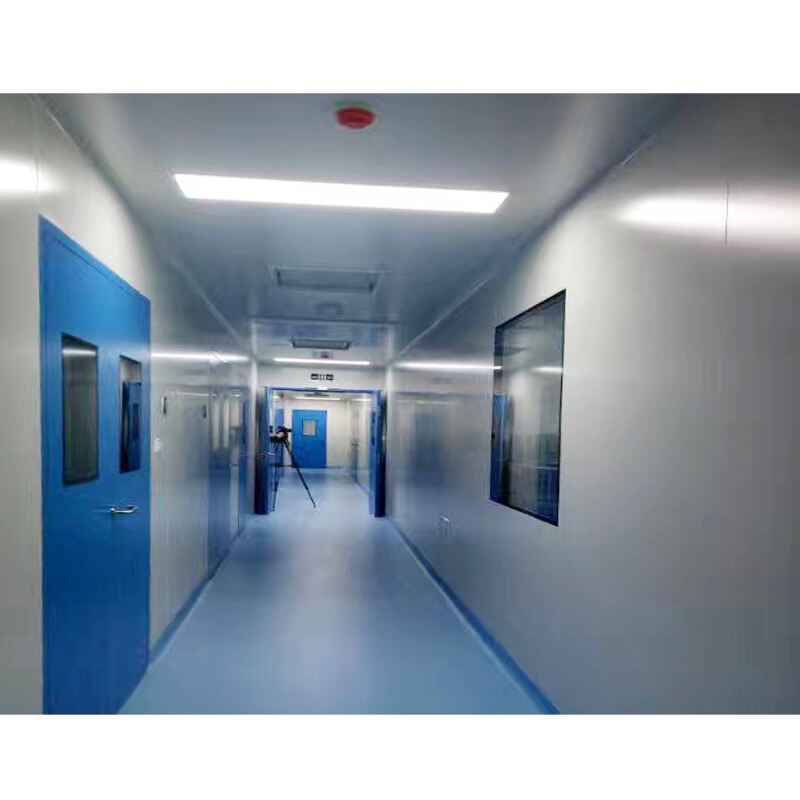
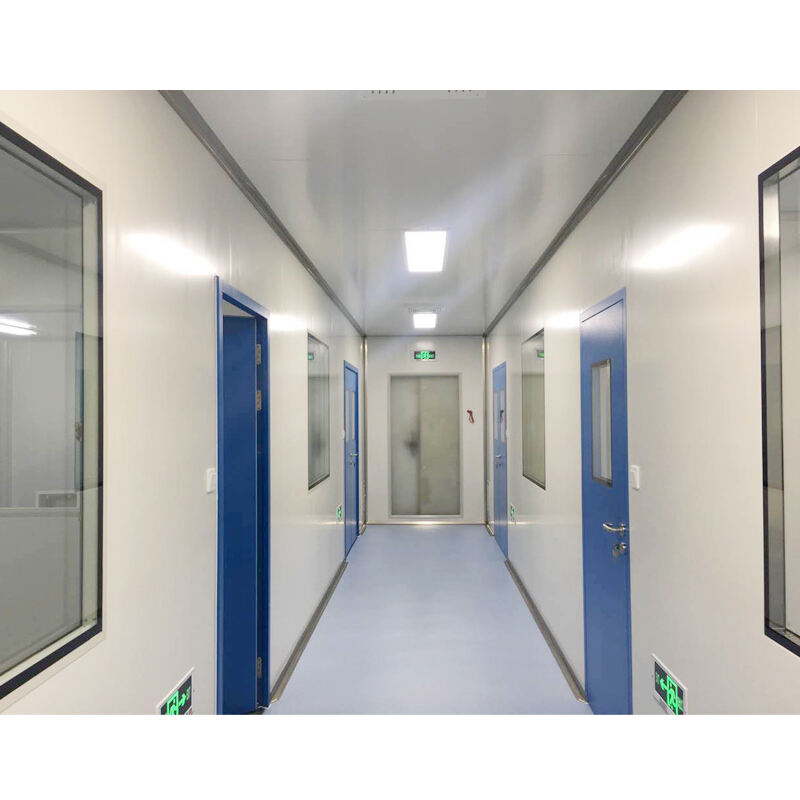
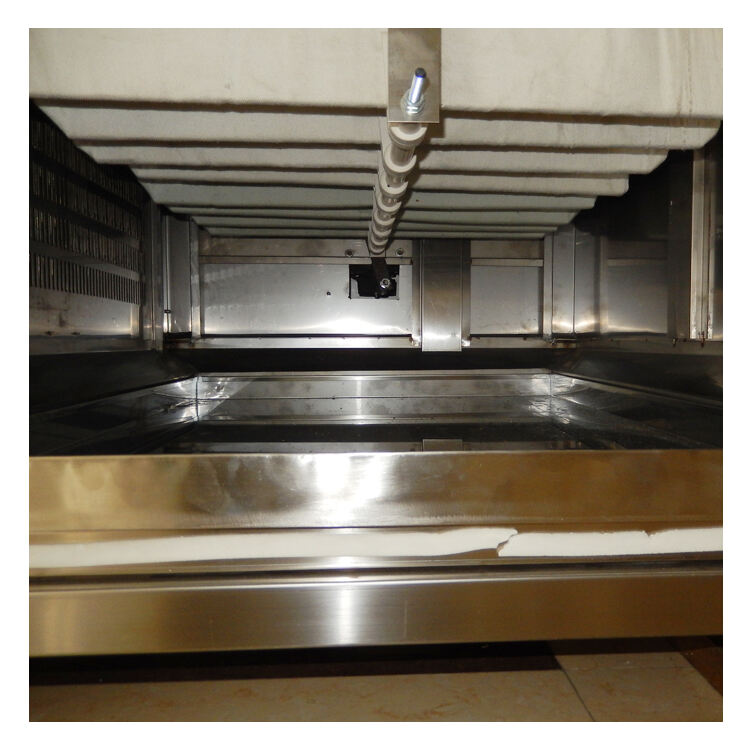
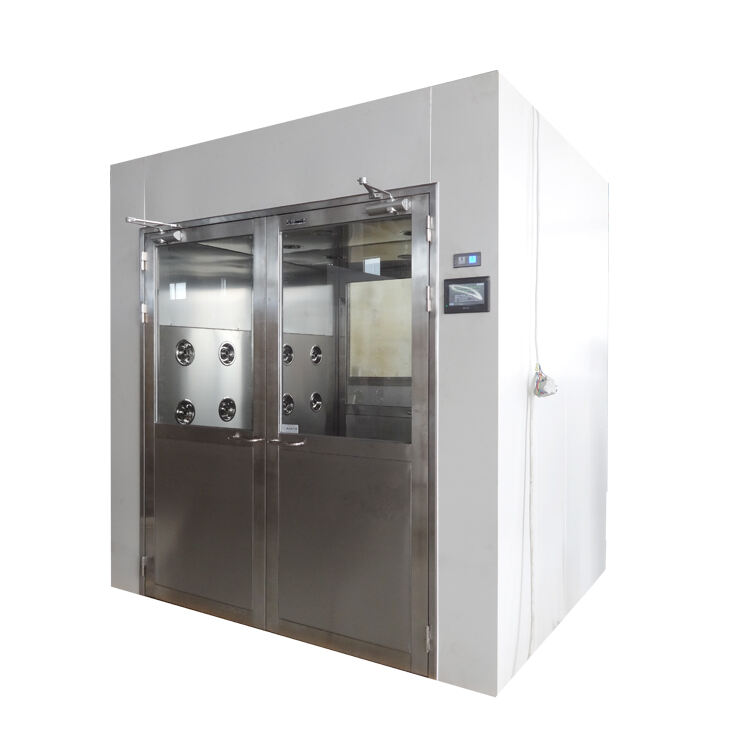
Clean Benches Laboratory: Advanced Contamination Control Workstations for Sterile Processing

All Categories

Get a Free Quote

Our representative will contact you soon.
Email
Name
Company Name
Attachment
Please upload at least an attachment
Up to 3 files,more 30mb,suppor jpg、jpeg、png、pdf、doc、docx、xls、xlsx、csv、txt
Message
0/1000

Get a Free Quote

Our representative will contact you soon.
Email
Name
Company Name
Attachment
Please upload at least an attachment
Up to 3 files,more 30mb,suppor jpg、jpeg、png、pdf、doc、docx、xls、xlsx、csv、txt
Message
0/1000

clean benches laboratory

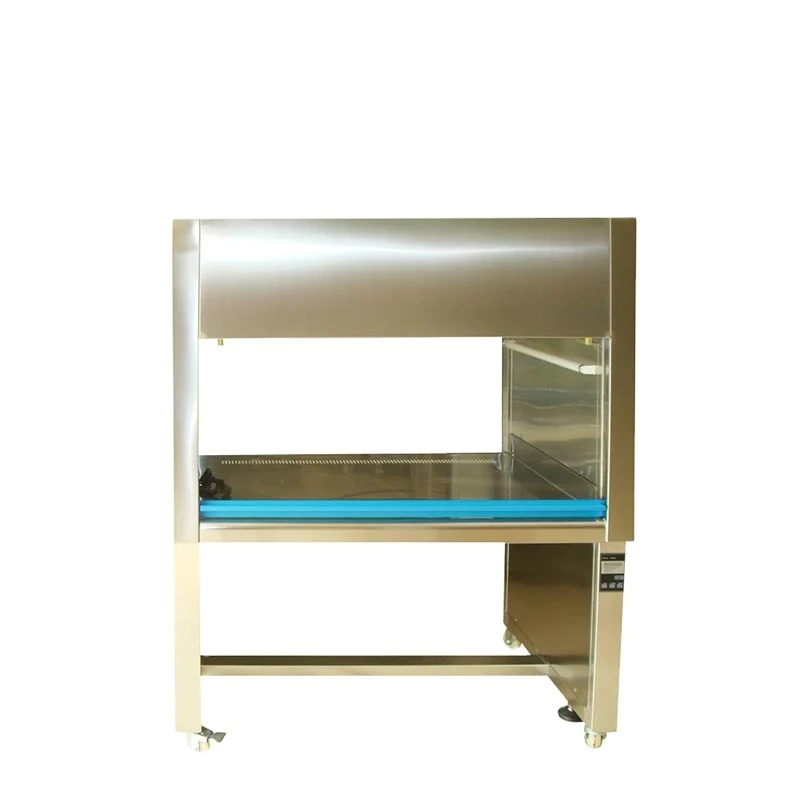
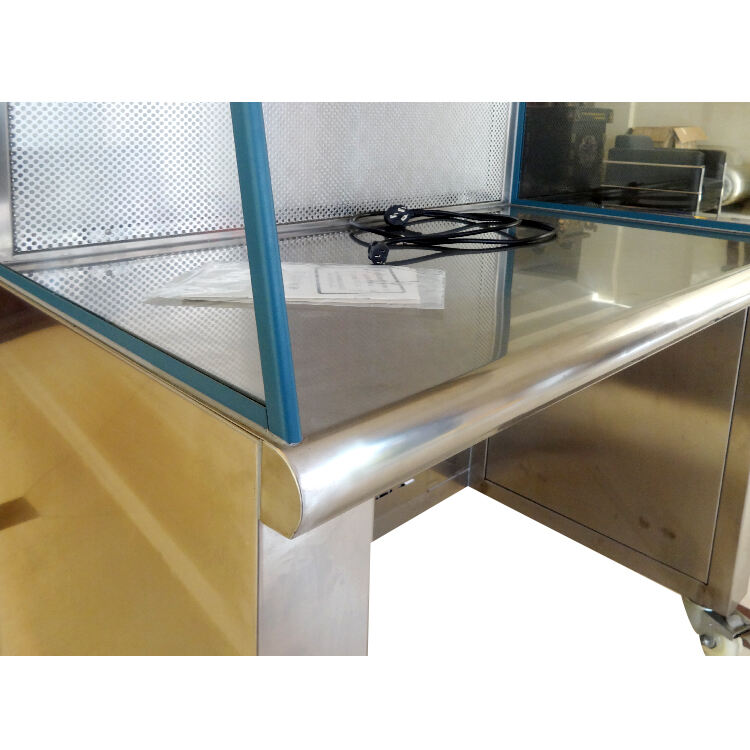
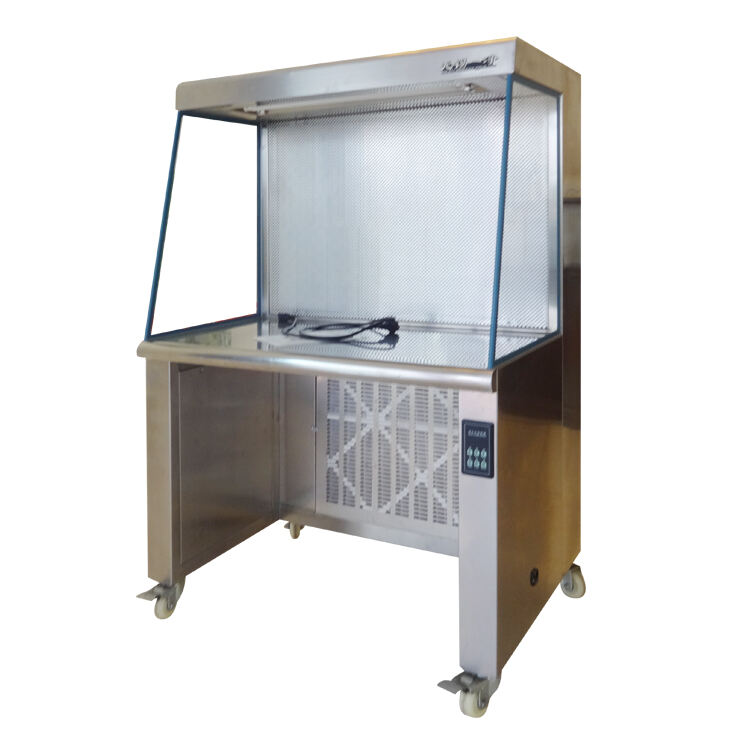
A clean benches laboratory represents a controlled workspace designed to protect sensitive materials, samples, and processes from airborne contamination. These specialized workstations create a localized environment where filtered air flows continuously across the work surface, maintaining sterility and preventing particulate matter from compromising experimental integrity. Clean benches serve as essential equipment in research facilities, pharmaceutical manufacturing plants, electronics assembly operations, and medical laboratories where contamination control directly impacts product quality and research outcomes. The primary function of a clean benches laboratory involves generating a unidirectional airflow pattern that sweeps contaminants away from the working area. High-efficiency particulate air filters, commonly known as HEPA filters, remove 99.99 percent of particles measuring 0.3 microns or larger from the incoming air stream. This filtration technology ensures that the workspace maintains ISO Class 5 cleanliness standards or better, depending on the specific configuration and application requirements. Modern clean benches incorporate advanced monitoring systems that track airflow velocity, filter integrity, and operational parameters in real-time. These technological features enable operators to verify proper functioning and maintain compliance with regulatory standards. The construction typically involves stainless steel or powder-coated steel surfaces that resist corrosion and facilitate thorough cleaning protocols. Transparent side panels provide visibility while containing the controlled environment, and ergonomic design considerations ensure operator comfort during extended work sessions. Applications for clean benches span multiple industries and disciplines. Microbiological laboratories utilize these workstations for culture preparation, media handling, and sample processing. Pharmaceutical companies rely on clean benches for sterile compounding, quality control testing, and aseptic filling operations. Electronics manufacturers employ them during precision assembly of sensitive components that cannot tolerate dust or particle contamination. Medical facilities use clean benches for preparing sterile solutions, handling tissue samples, and conducting diagnostic procedures that demand contamination-free conditions.

New Product Recommendations

Clean benches laboratory equipment delivers measurable benefits that directly impact operational efficiency, product quality, and workplace safety. The most immediate advantage involves contamination prevention, which protects valuable samples, products, and experiments from airborne particles, microorganisms, and chemical vapors. This protection translates into reduced material waste, fewer failed experiments, and lower rejection rates in manufacturing processes. Organizations that implement clean benches experience significant cost savings by minimizing the need to repeat contaminated work or discard compromised materials. The controlled environment also extends the viability of sensitive reagents and biological samples, reducing inventory costs and improving resource utilization. Another substantial benefit comes from regulatory compliance support. Industries such as pharmaceuticals, biotechnology, and medical device manufacturing operate under strict guidelines that mandate specific cleanliness standards. Clean benches provide documented evidence of contamination control measures, simplifying audit processes and reducing compliance risks. The built-in monitoring capabilities generate data logs that demonstrate consistent adherence to required protocols, which proves invaluable during inspections and certification reviews. Operator safety represents a critical advantage that often gets overlooked. Clean benches create a barrier between workers and potentially hazardous materials, reducing exposure risks during handling procedures. The continuous airflow pattern directs contaminants away from the operator's breathing zone, protecting respiratory health. This safety feature becomes particularly important when working with allergens, volatile compounds, or biological agents that pose health risks. Organizations benefit from reduced workplace injury rates and lower insurance costs while demonstrating commitment to employee wellbeing. Productivity improvements emerge as another key advantage. Clean benches eliminate the need for complex gowning procedures or entry into full cleanroom facilities for many tasks. Workers can quickly access the controlled workspace, complete their procedures, and move on to other activities without time-consuming preparation rituals. This streamlined workflow increases throughput and allows facilities to accomplish more work with existing staff resources. The localized contamination control also means that organizations can achieve high cleanliness standards in specific work areas without the substantial investment required for entire cleanroom construction. Flexibility and scalability make clean benches attractive for growing organizations. Units can be added incrementally as workload increases, avoiding the large capital expenditures associated with expanding cleanroom infrastructure. Different models accommodate various workspace sizes and specific application requirements, allowing organizations to match equipment capabilities precisely to their operational needs. This adaptability ensures that investments remain relevant as business requirements evolve over time.

Practical Tips

What Are the Key Components of an Effective Clean Air System

21

Oct

What Are the Key Components of an Effective Clean Air System

Understanding Modern Clean Air Technologies and Their Impact A well-designed clean air system serves as the foundation for maintaining optimal indoor air quality in both residential and commercial spaces. As we spend approximately 90% of our time ind...
View More
What Are the Cost Benefits of Modular Clean Room Construction

05

Nov

What Are the Cost Benefits of Modular Clean Room Construction

The Economic Advantages of Modern Modular Cleanroom Solutions The landscape of pharmaceutical, semiconductor, and medical device manufacturing has been transformed by modular clean room construction. This innovative approach to building controlled en...
View More
What Are the Benefits of Modular Air Handling Units

02

Dec

What Are the Benefits of Modular Air Handling Units

Modern industrial facilities and commercial buildings face increasingly complex air quality challenges that require sophisticated yet adaptable solutions. Traditional HVAC systems often fall short when facilities need to expand, modify operations, or...
View More
What Certifications Are Required for Clean Air Systems

02

Dec

What Certifications Are Required for Clean Air Systems

Modern industrial facilities and critical environments rely heavily on properly certified clean air systems to maintain air quality standards and regulatory compliance. These sophisticated systems ensure contaminant-free environments essential for ma...
View More

Get a Free Quote

Our representative will contact you soon.
Email
Name
Company Name
Attachment
Please upload at least an attachment
Up to 3 files,more 30mb,suppor jpg、jpeg、png、pdf、doc、docx、xls、xlsx、csv、txt
Message
0/1000

clean benches laboratory

Advanced Filtration Technology Ensures Consistent Contamination Control

Advanced Filtration Technology Ensures Consistent Contamination Control

The filtration system represents the core technology that enables clean benches laboratory equipment to maintain sterile working conditions. High-efficiency particulate air filters form the foundation of this contamination control approach, capturing microscopic particles that would otherwise compromise sensitive work. These filters employ a dense matrix of randomly arranged fibers that trap contaminants through multiple mechanisms including interception, impaction, and diffusion. As air passes through the filter media, particles collide with fibers and become permanently captured, preventing them from reaching the work surface. The filtration efficiency of 99.99 percent for particles as small as 0.3 microns means that even bacteria, fungal spores, and fine dust particles cannot penetrate the barrier. This level of performance exceeds the requirements for most laboratory and manufacturing applications, providing a substantial safety margin that accounts for filter aging and minor performance variations. Modern clean benches incorporate pre-filtration stages that extend the service life of the primary HEPA filters by capturing larger particles before they reach the main filtration media. This multi-stage approach reduces maintenance costs and ensures consistent performance over extended operational periods. The airflow design complements the filtration technology by creating a laminar flow pattern that sweeps the entire work surface uniformly. Engineers carefully calculate fan speeds, plenum dimensions, and outlet configurations to achieve optimal air velocity across the workspace. This velocity typically ranges from 0.3 to 0.5 meters per second, fast enough to continuously remove generated contaminants but gentle enough to avoid disturbing lightweight materials or creating turbulence. The unidirectional flow pattern prevents contaminated air from outside the workspace from entering the protected zone, while simultaneously carrying away particles generated during work activities. Operators benefit from this continuous air curtain that maintains cleanliness without requiring constant vigilance or manual intervention. The filtration system also incorporates monitoring capabilities that alert users to performance degradation before contamination risks emerge. Differential pressure gauges measure the resistance across the filter media, indicating when accumulated particles have reduced airflow efficiency. This predictive maintenance approach allows organizations to schedule filter replacements during planned downtime rather than experiencing unexpected failures that disrupt operations. Some advanced models include electronic sensors that continuously track multiple parameters and integrate with facility management systems for centralized monitoring. This technological sophistication transforms the clean benches laboratory from a passive barrier into an active contamination control system that adapts to changing conditions and provides real-time assurance of proper functioning.
Ergonomic Design Maximizes Operator Comfort and Productivity

Ergonomic Design Maximizes Operator Comfort and Productivity

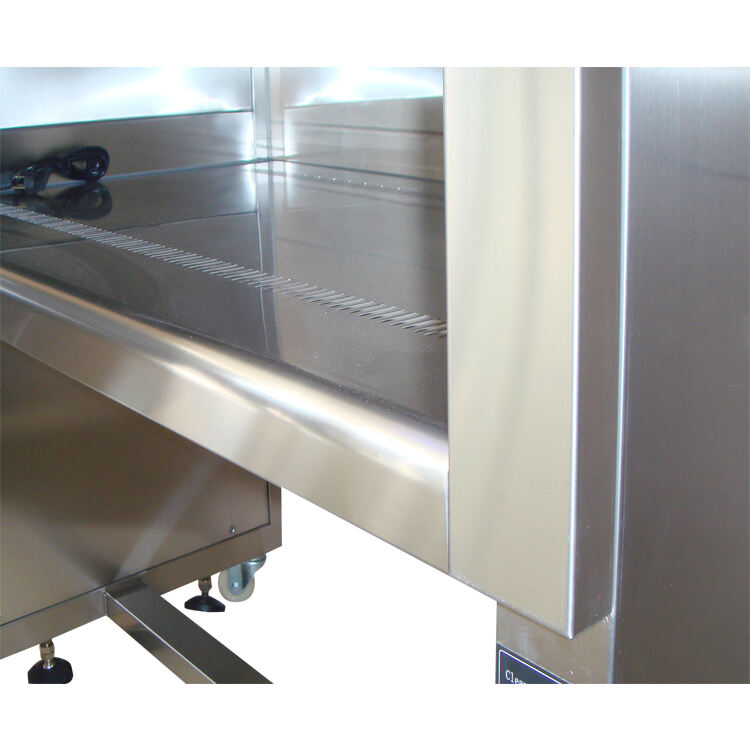
The physical design of clean benches laboratory equipment directly influences how effectively operators can perform their tasks while maintaining contamination control standards. Manufacturers invest substantial engineering effort into creating workspaces that accommodate natural human movements, reduce fatigue, and support extended work sessions without compromising sterility. The work surface height typically adjusts to match individual operator preferences, allowing both seated and standing work positions. This adjustability prevents the musculoskeletal strain that develops when workers must maintain awkward postures for prolonged periods. The depth of the work area provides sufficient reach distance so operators can access all zones without excessive stretching or leaning, which could breach the protective airflow boundary. Transparent viewing panels constructed from impact-resistant materials offer unobstructed visibility while containing the controlled environment. These panels allow supervisors and colleagues to observe work progress without interrupting the sterile conditions, facilitating collaboration and quality oversight. The panel design also incorporates access ports with flexible sleeves that permit material transfer into and out of the workspace without compromising the air barrier. These thoughtful details eliminate the frustration of working within a confined space while maintaining the contamination control that justifies the equipment investment. Lighting systems integrated into clean benches provide shadow-free illumination that enhances visibility of fine details and reduces eye strain. LED technology has become standard in modern units, offering bright, consistent light output with minimal heat generation and extended service life. The lighting placement avoids glare on reflective surfaces while ensuring adequate illumination across the entire work area. Some models include adjustable intensity controls that allow operators to optimize lighting for specific tasks, from reading small labels to inspecting transparent solutions. The interior surfaces feature rounded corners and crevice-free construction that simplifies cleaning and prevents contamination accumulation in hard-to-reach areas. Stainless steel work surfaces resist chemical damage and support rigorous disinfection protocols without degrading over time. The smooth, non-porous finish prevents bacterial colonization and allows spills to be quickly wiped away without leaving residues. Removable work trays and perforated surfaces facilitate thorough cleaning and provide drainage for liquid spills, protecting both the equipment and the materials being processed. Noise reduction engineering ensures that the continuous fan operation does not create a distracting or fatiguing work environment. Sound-dampening materials and optimized fan blade designs minimize operational noise to levels that permit normal conversation and concentration. This acoustic consideration becomes particularly important in facilities where multiple clean benches operate simultaneously, preventing the cumulative noise from becoming overwhelming. The combination of these ergonomic features creates a workspace where operators can focus on their technical tasks rather than struggling with equipment limitations, directly translating into higher quality work and improved throughput.
Versatile Applications Across Multiple Industries and Disciplines

Versatile Applications Across Multiple Industries and Disciplines

Clean benches laboratory equipment serves diverse applications across numerous industries, demonstrating remarkable versatility that makes these workstations valuable investments for organizations with varied contamination control needs. The pharmaceutical industry relies extensively on clean benches for compounding sterile preparations, where even minute contamination can render medications unsafe for patient use. Pharmacists and technicians use these workstations to prepare intravenous solutions, ophthalmic preparations, and other sterile dosage forms that require aseptic handling throughout the preparation process. The controlled environment ensures that bacterial endotoxins, particulate matter, and chemical contaminants do not compromise the final product, protecting patient safety and maintaining regulatory compliance. Quality control laboratories within pharmaceutical facilities also employ clean benches for microbiological testing, where environmental contamination could produce false positive results that trigger unnecessary investigations and product holds. Biotechnology research facilities utilize clean benches for cell culture work, tissue engineering, and molecular biology procedures that demand contamination-free conditions. Researchers working with mammalian cell lines depend on these workstations to prevent bacterial and fungal contamination that would destroy weeks or months of experimental work. The sterile environment supports activities such as media preparation, cell passage, transfection procedures, and sample harvesting without the risk of introducing unwanted microorganisms. Plant tissue culture applications similarly benefit from the contamination control provided by clean benches, enabling propagation of disease-free plant materials for agriculture and horticulture. The electronics manufacturing sector employs clean benches during assembly and inspection of sensitive components that cannot tolerate particle contamination. Semiconductor devices, optical systems, and precision sensors require particle-free handling to prevent defects that compromise performance or reliability. Technicians use clean benches to assemble circuit boards, install delicate components, and perform quality inspections under magnification without dust interference. The controlled environment prevents electrostatic discharge damage while maintaining the cleanliness standards necessary for high-yield manufacturing. Medical and clinical laboratories incorporate clean benches into their workflows for specimen processing, diagnostic testing, and research activities. Pathology departments use these workstations for preparing tissue samples, handling infectious materials, and conducting specialized staining procedures. Blood banks rely on clean benches for component preparation and serological testing where contamination could compromise test accuracy or product safety. Research hospitals employ them for experimental procedures, biomarker analysis, and development of new diagnostic techniques. The food and beverage industry has discovered applications for clean benches in quality control testing and product development. Microbiologists use these workstations for sterile sampling, culture preparation, and contamination analysis that ensures product safety and shelf life. Research and development teams employ clean benches when formulating new products or testing preservation methods, where environmental contamination would confound experimental results. This broad application spectrum demonstrates that clean benches laboratory equipment provides value across virtually any field where contamination control influences product quality, research integrity, or operational efficiency.


Get a Free Quote

Our representative will contact you soon.
Email
Name
Company Name
Attachment
Please upload at least an attachment
Up to 3 files,more 30mb,suppor jpg、jpeg、png、pdf、doc、docx、xls、xlsx、csv、txt
Message
0/1000

Get a Free Quote

Our representative will contact you soon.
Email
Name
Company Name
Attachment
Please upload at least an attachment
Up to 3 files,more 30mb,suppor jpg、jpeg、png、pdf、doc、docx、xls、xlsx、csv、txt
Message
0/1000