Clean Laminar Flow Hood: Professional Contamination Control Solutions for Laboratory and Manufacturing Environments

All Categories

Get a Free Quote

Our representative will contact you soon.
Email
Name
Company Name
Attachment
Please upload at least an attachment
Up to 3 files,more 30mb,suppor jpg、jpeg、png、pdf、doc、docx、xls、xlsx、csv、txt
Message
0/1000

Get a Free Quote

Our representative will contact you soon.
Email
Name
Company Name
Attachment
Please upload at least an attachment
Up to 3 files,more 30mb,suppor jpg、jpeg、png、pdf、doc、docx、xls、xlsx、csv、txt
Message
0/1000

clean laminar flow hood

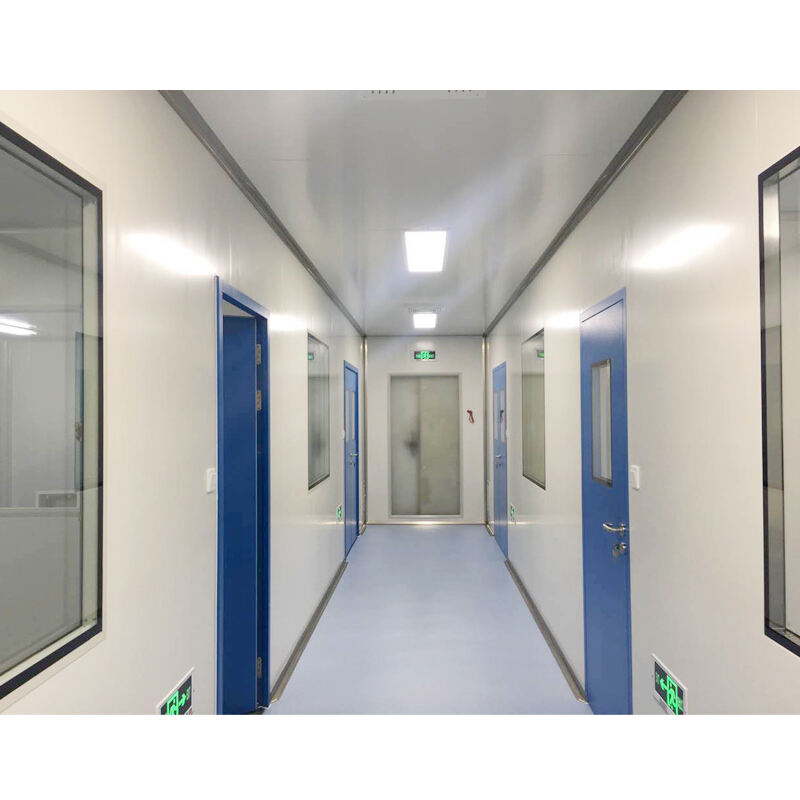
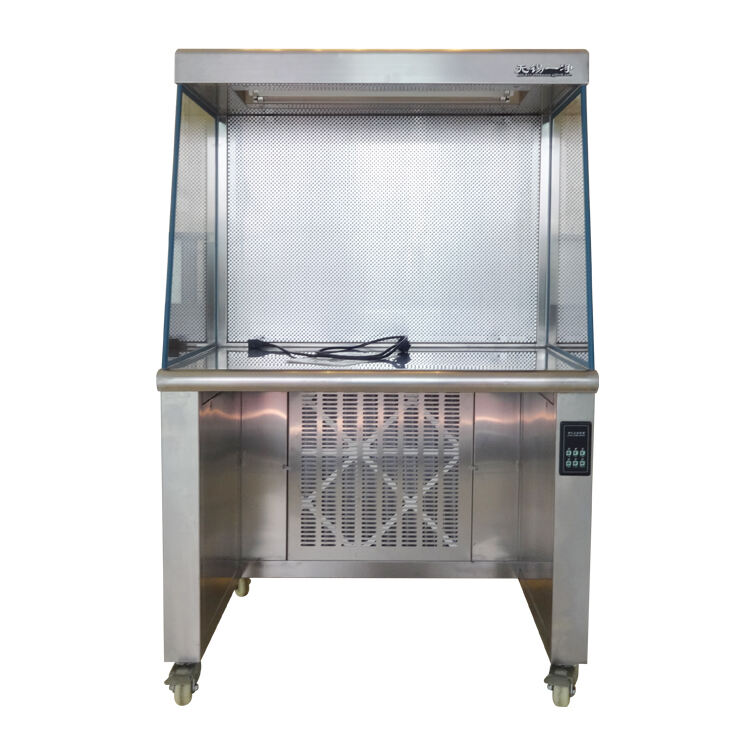
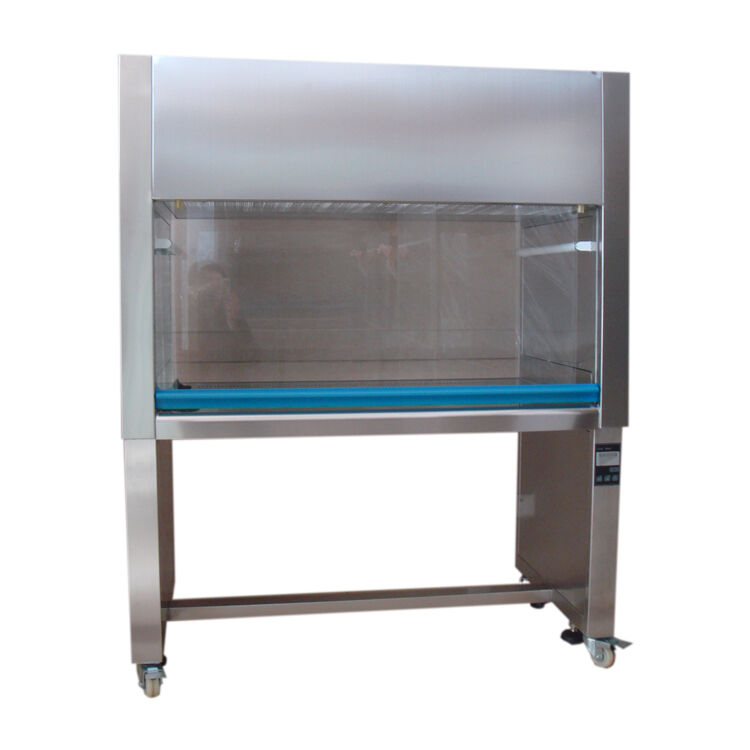
A clean laminar flow hood represents a critical piece of equipment designed to provide a controlled, contamination-free environment for sensitive work processes. This specialized apparatus creates a unidirectional airflow pattern that moves filtered air across the work surface, effectively removing airborne particles and maintaining sterility. The clean laminar flow hood operates by drawing ambient air through a pre-filter system before passing it through a High-Efficiency Particulate Air (HEPA) filter, which captures 99.99% of particles as small as 0.3 microns. The filtered air then flows in a smooth, parallel stream across the workspace, creating a protective barrier against contaminants. These units come in two primary configurations: horizontal flow models where air moves from back to front across the work surface, and vertical flow designs where air descends from top to bottom. The construction typically features stainless steel or powder-coated steel housing, providing durability and easy cleaning. Modern clean laminar flow hood systems incorporate advanced monitoring capabilities, including airflow velocity indicators, filter saturation alarms, and digital control panels for precise operation management. The workspace dimensions vary according to application requirements, with standard models offering work areas ranging from compact benchtop units to large floor-standing configurations. These systems find extensive use across pharmaceutical manufacturing, biotechnology research, electronics assembly, medical device production, and laboratory testing environments. The clean laminar flow hood maintains ISO Class 5 (Class 100) cleanliness levels within the work zone, making it suitable for procedures requiring stringent contamination control. Energy-efficient LED lighting illuminates the workspace, while transparent side panels provide visibility and ergonomic access. The modular design allows for customization with optional features such as UV sterilization lamps, pass-through chambers, and integrated power outlets to accommodate specific workflow requirements.

New Product Recommendations

Investing in a clean laminar flow hood delivers substantial operational benefits that directly impact product quality, worker safety, and cost efficiency. The primary advantage centers on contamination prevention, as the continuous flow of filtered air creates an environment where particulate matter, microorganisms, and other contaminants cannot settle on work surfaces or products. This protection proves invaluable when handling sensitive materials, conducting sterile procedures, or assembling precision components where even microscopic contamination causes defects or failures. The consistent airflow pattern eliminates turbulence that might draw unfiltered air into the work zone, providing reliable protection throughout extended work sessions. Users experience improved product yields because the controlled environment reduces rejection rates and rework requirements. Manufacturing operations see fewer batch failures, while research laboratories obtain more consistent experimental results. The clean laminar flow hood also protects workers by directing potentially hazardous particles away from breathing zones in horizontal configurations, or by containing them within the work area in vertical setups. This dual protection of both product and personnel makes these systems essential for handling pharmaceutical compounds, biological samples, or fine powders. Operational costs decrease over time because the equipment prevents expensive product losses and reduces the need for environmental controls throughout entire rooms. Organizations can establish localized clean zones without constructing costly cleanroom facilities, achieving the same contamination control at a fraction of the investment. The units operate quietly, creating a comfortable work environment that supports concentration during detailed tasks. Maintenance requirements remain minimal, with filter replacement representing the primary recurring expense, typically needed annually under normal usage conditions. The clean laminar flow hood adapts easily to changing needs, with portable models allowing repositioning as workflows evolve. Energy consumption stays reasonable due to efficient fan motors and optimized airflow designs. The transparent construction provides excellent visibility, enabling supervisors to monitor work without disrupting the protected environment. Documentation and compliance become straightforward because the equipment generates verifiable clean conditions that satisfy regulatory requirements for pharmaceutical, medical, and food industry applications. Training new personnel proceeds quickly since the intuitive operation requires minimal specialized knowledge. The robust construction ensures years of reliable service, delivering long-term value that justifies the initial investment. Organizations gain competitive advantages through improved quality control, faster production cycles, and enhanced reputation for delivering contamination-free products.

Latest News

What Are the Cost Benefits of Modular Clean Room Construction

05

Nov

What Are the Cost Benefits of Modular Clean Room Construction

The Economic Advantages of Modern Modular Cleanroom Solutions The landscape of pharmaceutical, semiconductor, and medical device manufacturing has been transformed by modular clean room construction. This innovative approach to building controlled en...
View More
Clean Room Applications Across Electronics, Medical, and Precision Manufacturing

30

Jan

Clean Room Applications Across Electronics, Medical, and Precision Manufacturing

Modern manufacturing and healthcare facilities rely heavily on controlled environments to ensure product quality, safety, and regulatory compliance. A clean room represents a specialized environment where airborne particles, contaminants, and environ...
View More
How Cleanroom Layout Planning Influences Workflow and Risk Management

30

Jan

How Cleanroom Layout Planning Influences Workflow and Risk Management

In the highly regulated world of pharmaceutical manufacturing, semiconductor production, and biotechnology research, cleanroom layout planning serves as the foundation for operational excellence and regulatory compliance. The strategic arrangement of...
View More
What Problems Can Occur If a Clean Room Fails to Meet Industry Standards?

30

Jan

What Problems Can Occur If a Clean Room Fails to Meet Industry Standards?

Clean room facilities serve as the backbone of numerous industries, from pharmaceutical manufacturing to semiconductor production. When these controlled environments fail to meet established clean room standards, the consequences can be severe and fa...
View More

Get a Free Quote

Our representative will contact you soon.
Email
Name
Company Name
Attachment
Please upload at least an attachment
Up to 3 files,more 30mb,suppor jpg、jpeg、png、pdf、doc、docx、xls、xlsx、csv、txt
Message
0/1000

clean laminar flow hood

Advanced HEPA Filtration Technology Ensures Maximum Particle Removal

Advanced HEPA Filtration Technology Ensures Maximum Particle Removal

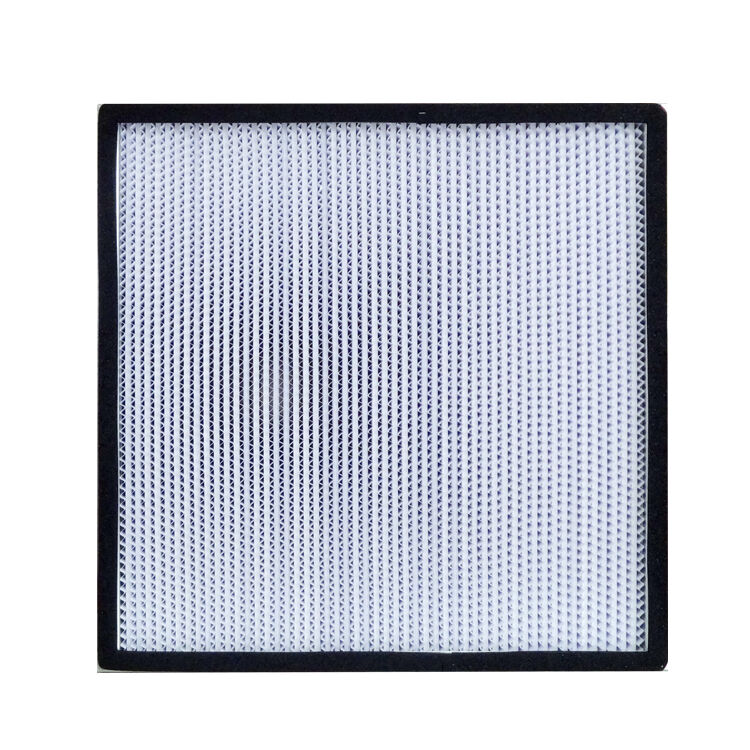
The cornerstone of every clean laminar flow hood lies in its sophisticated filtration system, which employs High-Efficiency Particulate Air (HEPA) filters engineered to capture microscopic contaminants with exceptional efficiency. These filters utilize a dense matrix of randomly arranged fibers that trap particles through multiple mechanisms including interception, impaction, and diffusion. When air passes through the HEPA filter media, particles larger than 0.3 microns collide with fibers and adhere to them, while smaller particles follow erratic paths due to Brownian motion, eventually contacting and sticking to the fiber surfaces. This multi-stage filtration achieves a remarkable 99.99% efficiency rating, meaning that for every 10,000 particles entering the filter, only one passes through. The clean laminar flow hood typically incorporates a pre-filter stage that removes larger particles, extending the HEPA filter lifespan and maintaining optimal performance. The pre-filter captures dust, lint, and other coarse contaminants before they reach the primary filtration stage, reducing the burden on the expensive HEPA element. Modern systems include differential pressure gauges that monitor filter loading, alerting operators when replacement becomes necessary to maintain proper airflow velocity and cleanliness levels. The filter housing design ensures complete sealing around the HEPA element, preventing bypass leakage that would compromise the protected environment. Manufacturers test each filter installation using aerosol challenge methods to verify integrity before the unit leaves the factory. The filtration system operates continuously during use, processing large volumes of air to maintain the laminar flow pattern essential for contamination control. This constant air exchange rate, typically 90 feet per minute for horizontal flow models, creates a positive pressure environment that prevents unfiltered air from entering the work zone. The clean laminar flow hood filtration technology requires no consumables beyond periodic filter replacement, making it a cost-effective solution for long-term contamination control. Users benefit from peace of mind knowing that the validated filtration system provides consistent protection regardless of external environmental conditions. The HEPA filter construction uses materials resistant to moisture and chemical exposure, ensuring reliable performance even in demanding applications involving solvents or high humidity.

Laminar Airflow Pattern Creates Uniform Protection Across the Entire Work Surface

Laminar Airflow Pattern Creates Uniform Protection Across the Entire Work Surface

The defining characteristic of a clean laminar flow hood is its ability to generate a smooth, unidirectional airflow pattern that sweeps contaminants away from the work area with remarkable consistency. Unlike turbulent airflow found in conventional ventilation systems, laminar flow moves in parallel streamlines at uniform velocity, creating a predictable and controllable environment. This organized air movement pattern originates from the entire face of the HEPA filter, ensuring that every square inch of the work surface receives equal protection. The engineering behind this laminar pattern involves precise calculation of fan capacity, filter resistance, and plenum design to achieve the target velocity across the full width and depth of the workspace. In horizontal flow configurations, the clean laminar flow hood directs filtered air from the rear of the cabinet toward the operator, carrying any particles generated during work processes away from sensitive materials and out of the work zone. This arrangement proves ideal for applications involving non-hazardous materials where product protection takes priority. Vertical flow models direct air downward from the top-mounted HEPA filter, bathing the work surface in a descending curtain of clean air that exits through perforations in the work surface or front grille. This configuration suits applications requiring both product and operator protection. The laminar flow velocity, typically maintained between 80 and 100 feet per minute, represents an optimal balance between effective particle removal and comfortable working conditions. Higher velocities might disturb lightweight materials or create uncomfortable drafts, while lower velocities fail to adequately sweep contaminants from the work zone. The clean laminar flow hood maintains this critical velocity through feedback-controlled fan systems that automatically adjust motor speed to compensate for filter loading or external pressure changes. The uniform airflow pattern eliminates dead zones where contaminants might accumulate, providing comprehensive protection throughout the workspace. Smoke pattern testing visually demonstrates the laminar flow characteristics, showing how air moves in smooth, parallel streams without eddies or reverse flows. This predictable behavior allows operators to position materials strategically, placing the most sensitive items in the cleanest zones. The continuous air movement also prevents settling of airborne particles, keeping them suspended and swept away rather than allowing them to contaminate work surfaces or products.
Versatile Design Accommodates Diverse Applications and Workflow Requirements

Versatile Design Accommodates Diverse Applications and Workflow Requirements

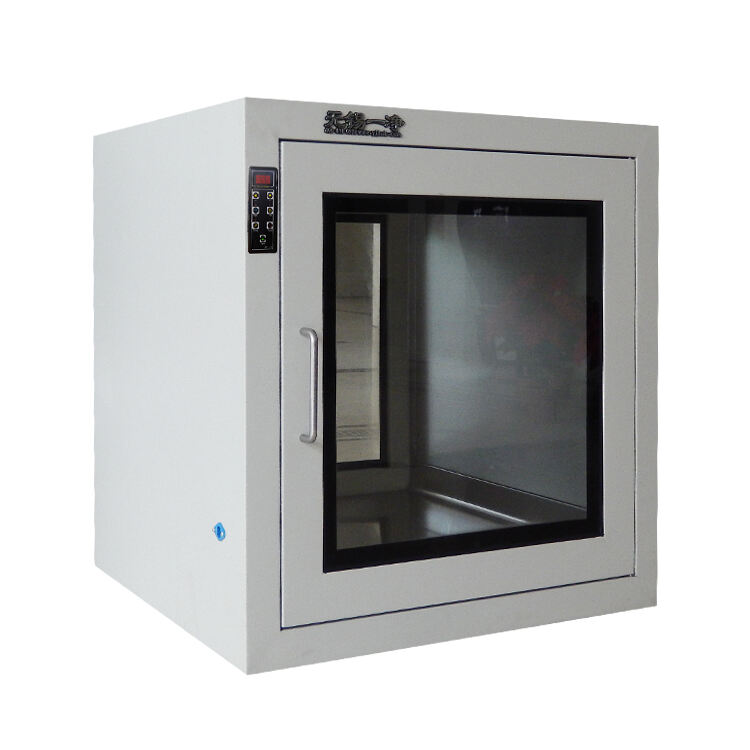
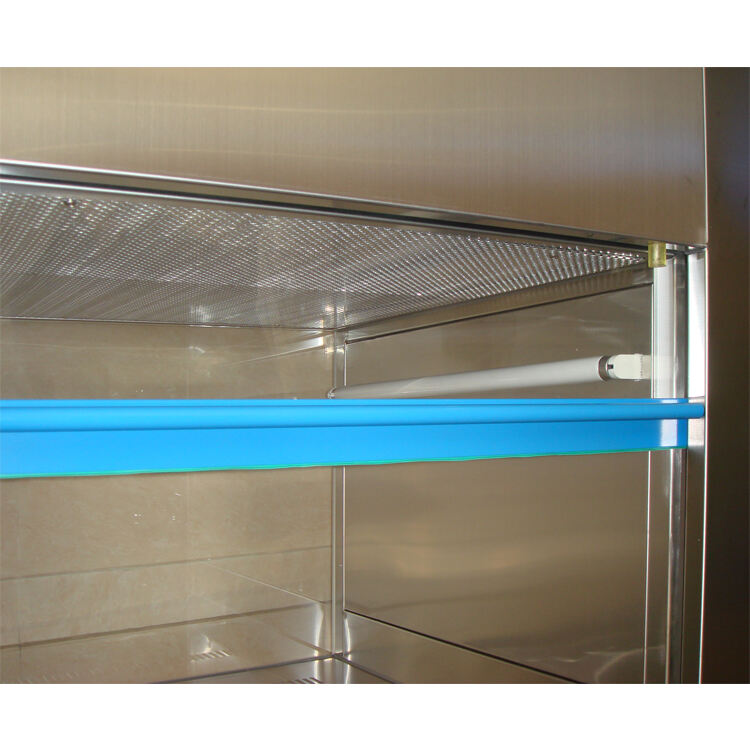
The clean laminar flow hood demonstrates exceptional adaptability, serving industries ranging from pharmaceutical compounding to electronics manufacturing through thoughtful design features that address varied operational needs. This versatility begins with the availability of multiple size configurations, from compact benchtop models measuring 24 inches wide for limited-space applications to expansive floor-standing units spanning eight feet or more for high-volume production environments. The modular construction philosophy allows organizations to select the appropriate size for current needs while maintaining the option to expand capacity by adding additional units as operations grow. Workspace height adjustments accommodate different operator preferences and task requirements, with some models offering powered height adjustment for shared workstations. The clean laminar flow hood interior configuration can be customized with various accessories including adjustable shelving, tool holders, and specialized fixtures for specific processes. Electrical outlets integrated into the work surface provide convenient power access for equipment such as microscopes, scales, or heating devices without compromising the clean environment. Some models incorporate pass-through chambers that allow materials to enter the clean zone from adjacent rooms without exposing the workspace to contamination. The transparent construction, typically using tempered glass or acrylic panels, provides excellent visibility from multiple angles while maintaining the integrity of the protected environment. This transparency facilitates supervision, training, and quality control observations without requiring entry into the clean zone. Lighting systems use energy-efficient LED technology that provides bright, shadow-free illumination across the entire work surface, with some models offering adjustable intensity to suit different tasks. The clean laminar flow hood can be specified with optional UV germicidal lamps for sterilization between work sessions, particularly valuable in microbiological applications. Mobile configurations mounted on locking casters enable repositioning to support flexible facility layouts or temporary clean zones for special projects. The control systems range from simple on-off switches in basic models to sophisticated digital interfaces in advanced units, offering features like programmable operation schedules, remote monitoring capabilities, and data logging for compliance documentation. Noise levels remain low enough to permit comfortable conversation and concentration during extended work periods. The exterior finish options include stainless steel for pharmaceutical and food applications requiring frequent sanitization, or powder-coated steel in various colors to match facility aesthetics. This design flexibility ensures that organizations can obtain a clean laminar flow hood precisely tailored to their specific contamination control requirements, workflow patterns, and budget constraints without compromising essential performance characteristics.

Get a Free Quote

Our representative will contact you soon.
Email
Name
Company Name
Attachment
Please upload at least an attachment
Up to 3 files,more 30mb,suppor jpg、jpeg、png、pdf、doc、docx、xls、xlsx、csv、txt
Message
0/1000

Get a Free Quote

Our representative will contact you soon.
Email
Name
Company Name
Attachment
Please upload at least an attachment
Up to 3 files,more 30mb,suppor jpg、jpeg、png、pdf、doc、docx、xls、xlsx、csv、txt
Message
0/1000