Comprehensive Material Selection and Surface Engineering for Particle Minimization
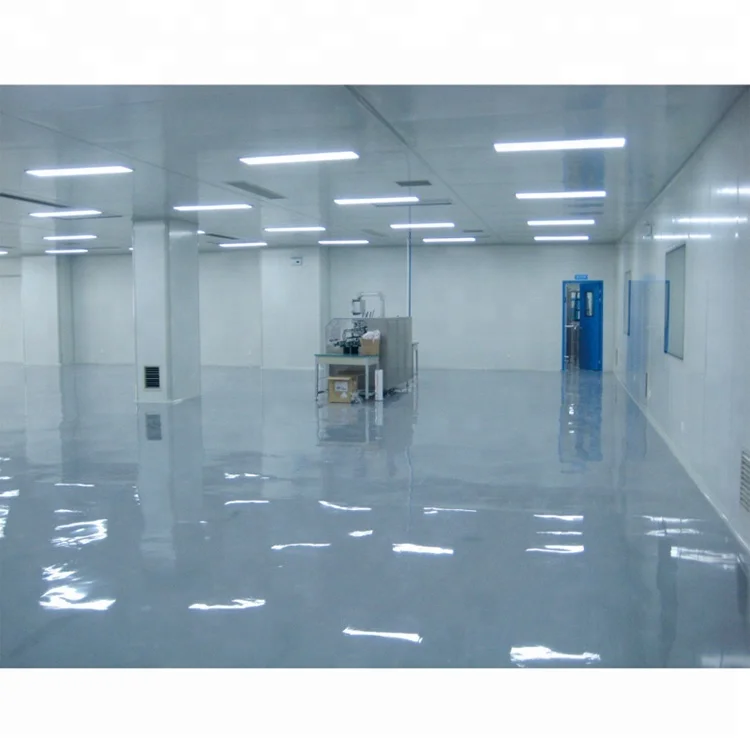
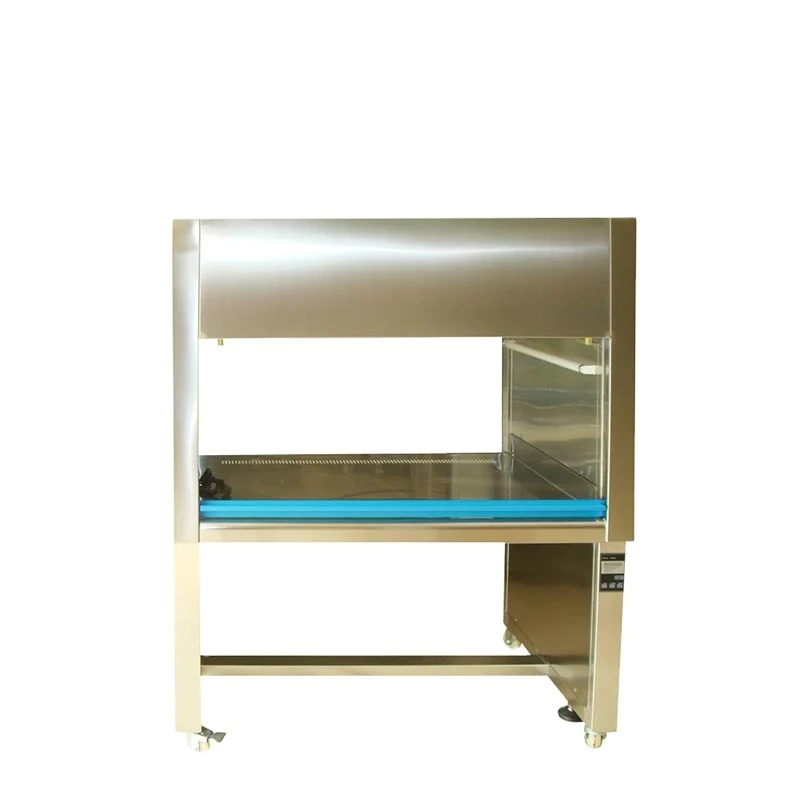
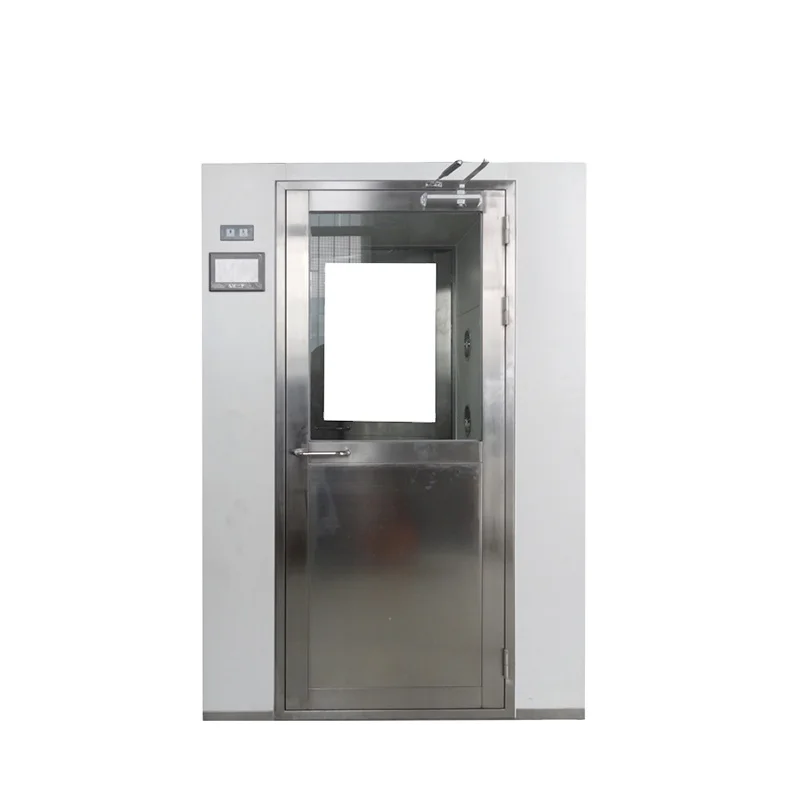
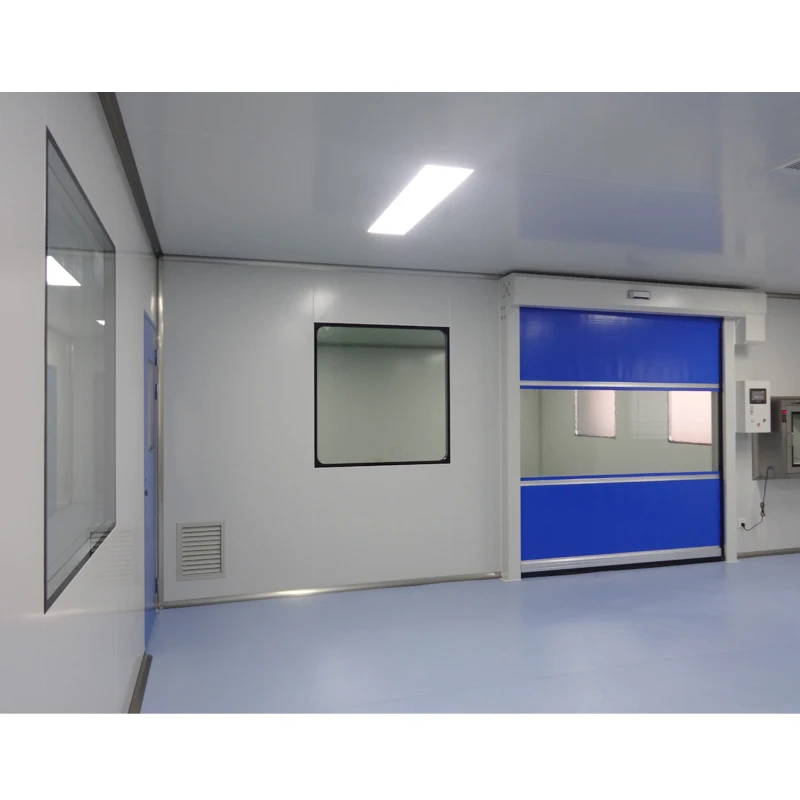
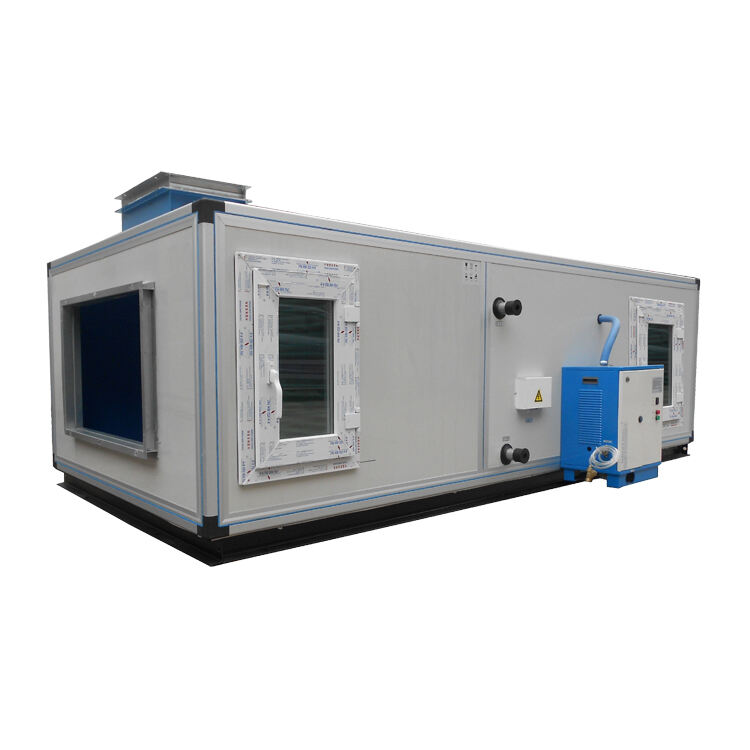
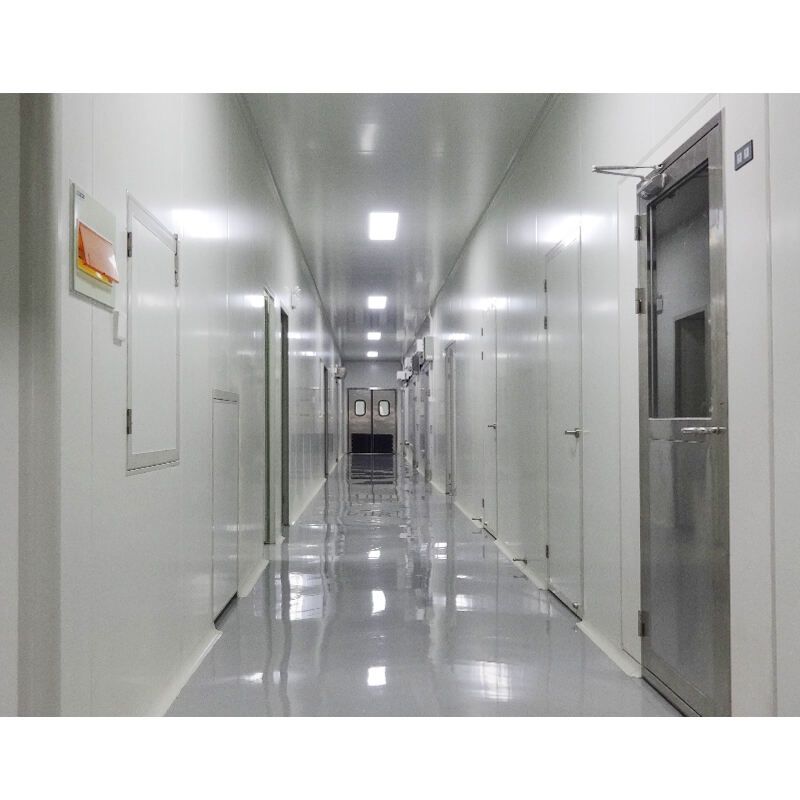
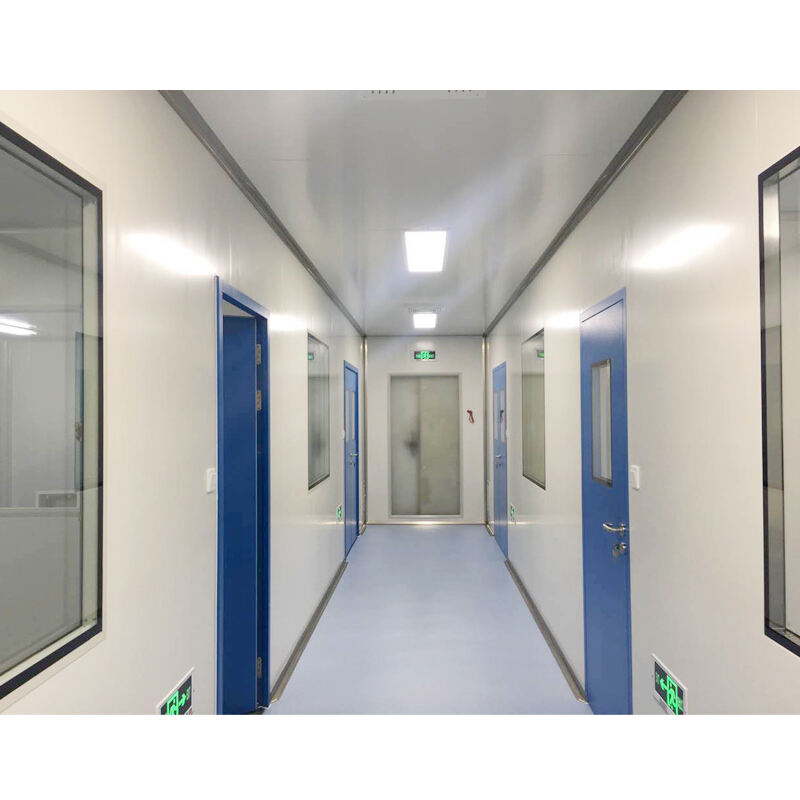
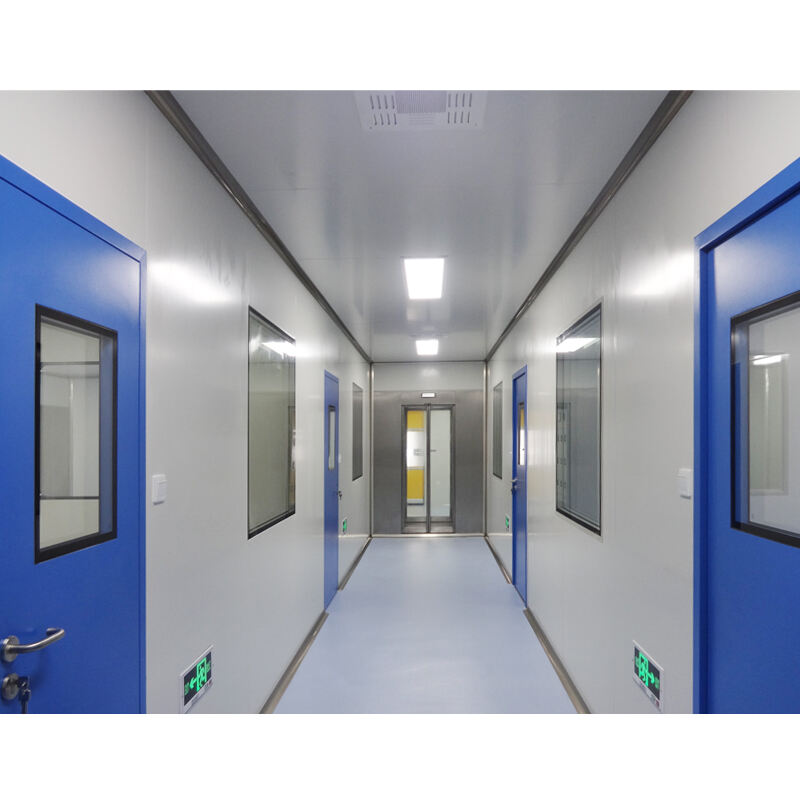
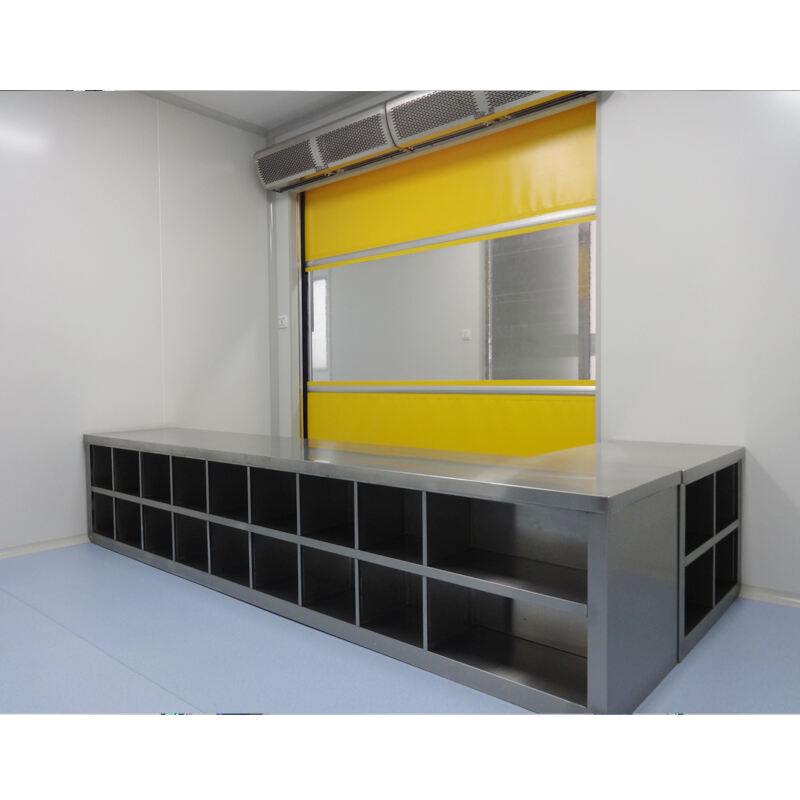
Successful clean room facility design extends far beyond air filtration to encompass every surface, material, and component within the controlled environment, recognizing that contamination sources include not only external air but also the facility itself. The walls, ceilings, floors, furniture, and equipment in clean rooms must be carefully selected and engineered to minimize particle generation, resist microbial growth, withstand aggressive cleaning protocols, and maintain integrity under continuous operation. Clean room facility design typically specifies non-porous, smooth surfaces that prevent particle entrapment and facilitate thorough cleaning, with materials like powder-coated steel, stainless steel, or specialized polymers forming the primary structural elements. Wall and ceiling panels in professional clean room facility design feature flush-mounted connections and sealed joints that eliminate crevices where contaminants might accumulate, while also providing the structural rigidity necessary to maintain pressure differentials without flexing or creating air leaks. Flooring systems represent a critical consideration in clean room facility design, as they must support heavy equipment loads, resist chemical exposure from cleaning agents, provide electrostatic discharge protection when required, and generate minimal particles despite constant foot traffic and equipment movement. Raised floor systems, common in many clean room facility design projects, offer the additional advantage of creating a plenum for return air distribution and utility routing, keeping services accessible without penetrating the clean envelope. The selection of sealants, adhesives, and gaskets in clean room facility design requires equal attention, as these materials must cure completely without ongoing outgassing that could introduce volatile organic compounds into the controlled atmosphere. Lighting fixtures integrated into clean room facility design utilize sealed housings that prevent particle infiltration while providing adequate illumination for precision work, with LED technology increasingly preferred for its energy efficiency, long service life, and minimal heat generation. Windows and viewing panels, when included in clean room facility design, employ multi-pane construction with sealed edges to maintain thermal performance and prevent condensation that could harbor microbial growth. The furniture and workstations within clean rooms follow similar principles, constructed from materials that resist particle shedding and feature designs that minimize horizontal surfaces where particles might settle. Even seemingly minor components like door hardware, electrical outlets, and penetrations for utilities receive careful attention in clean room facility design, with specialized products designed specifically for contamination-controlled environments ensuring that every element contributes to rather than compromises the overall cleanliness objectives.

 EN
EN