clean room facility
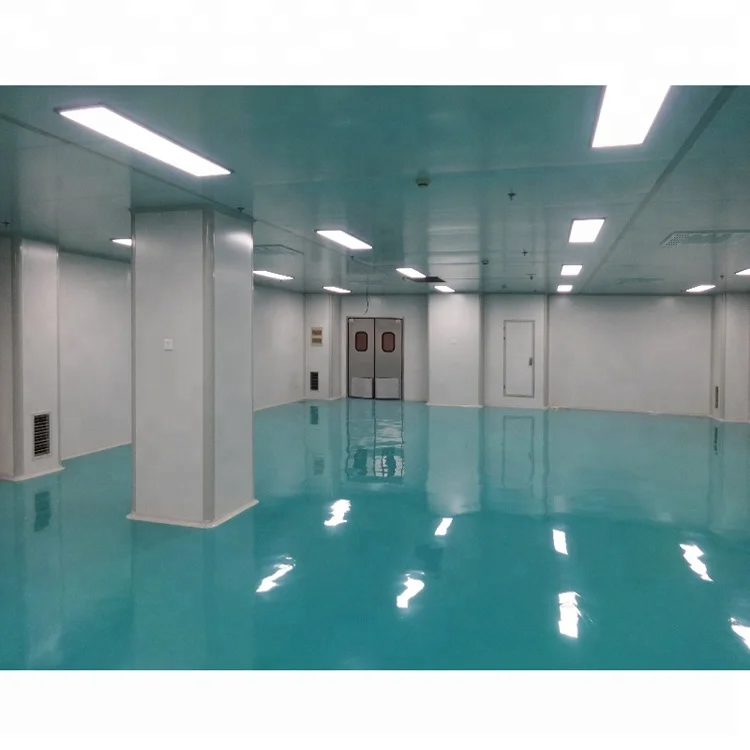
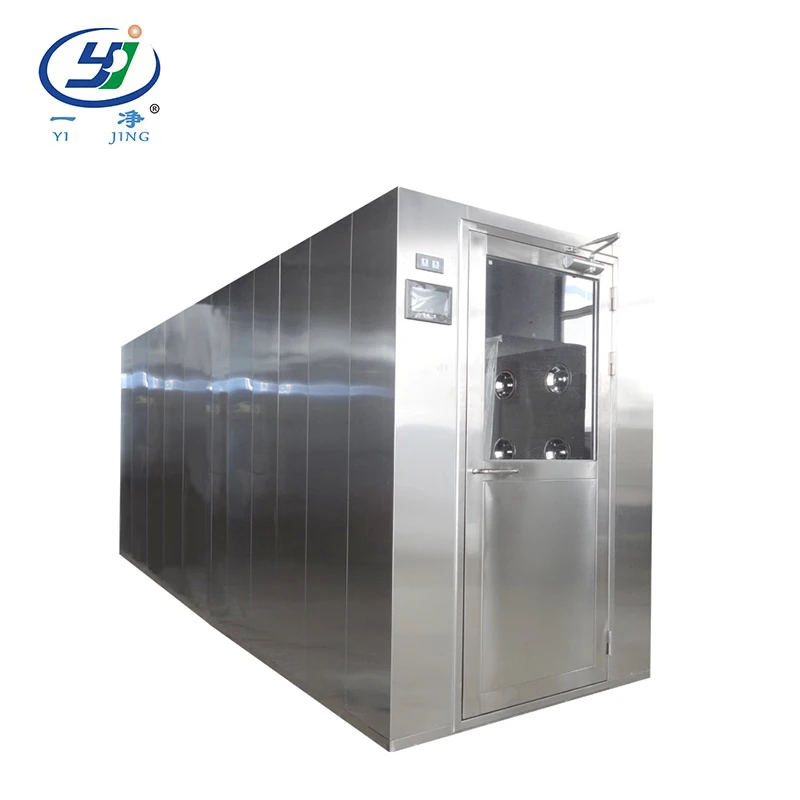
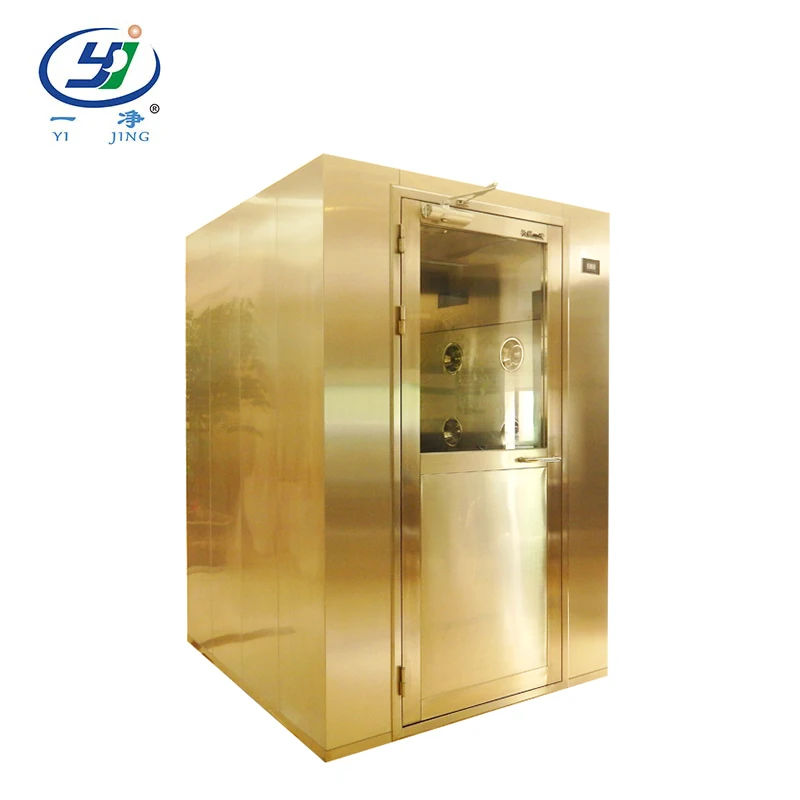
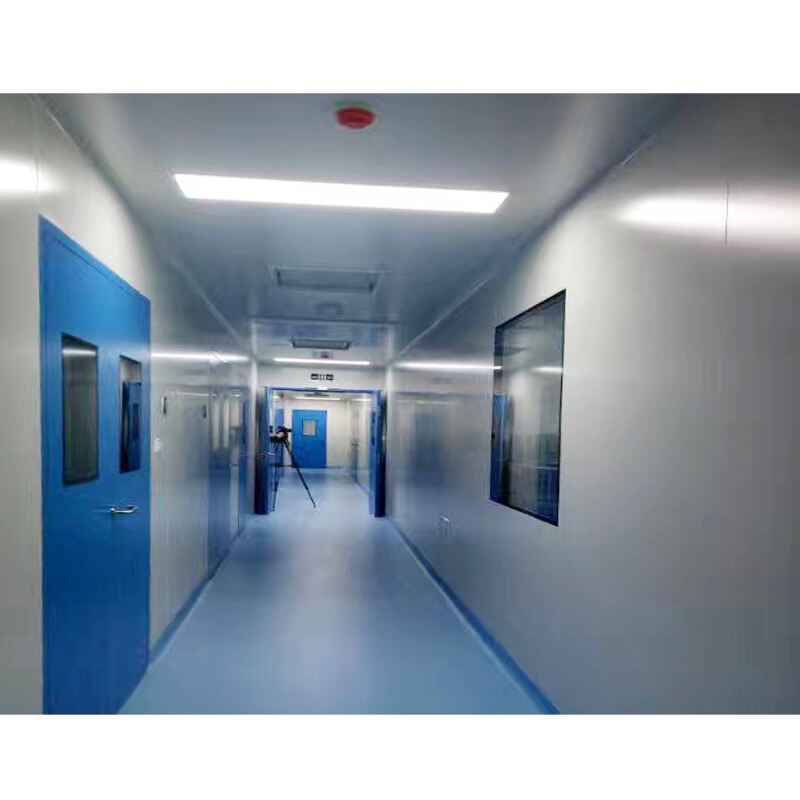
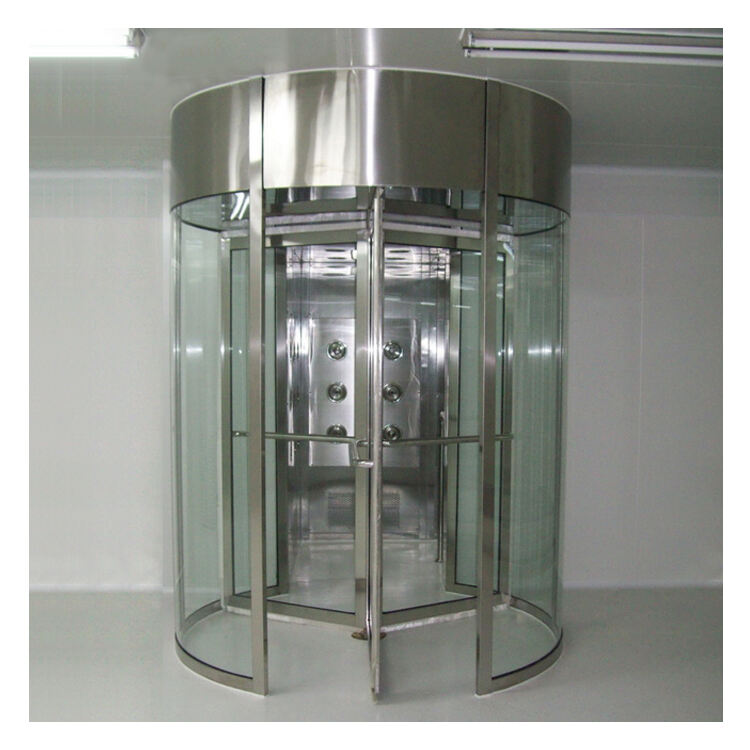
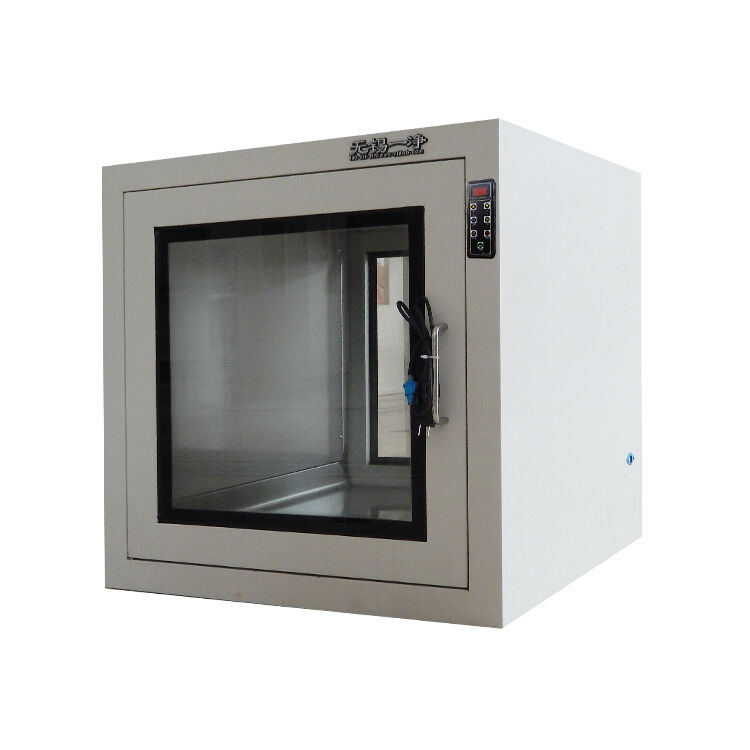
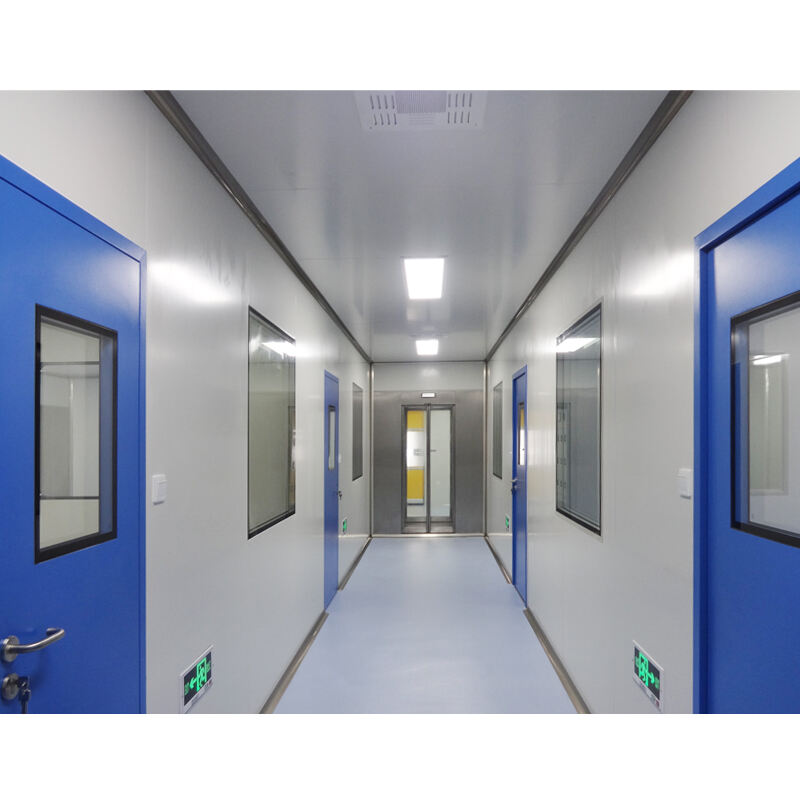
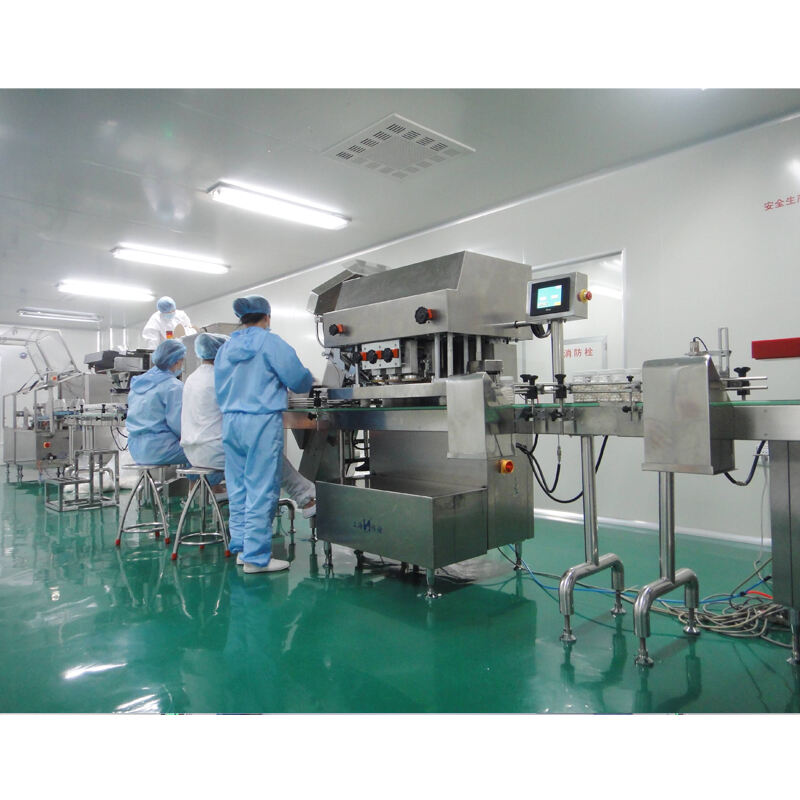
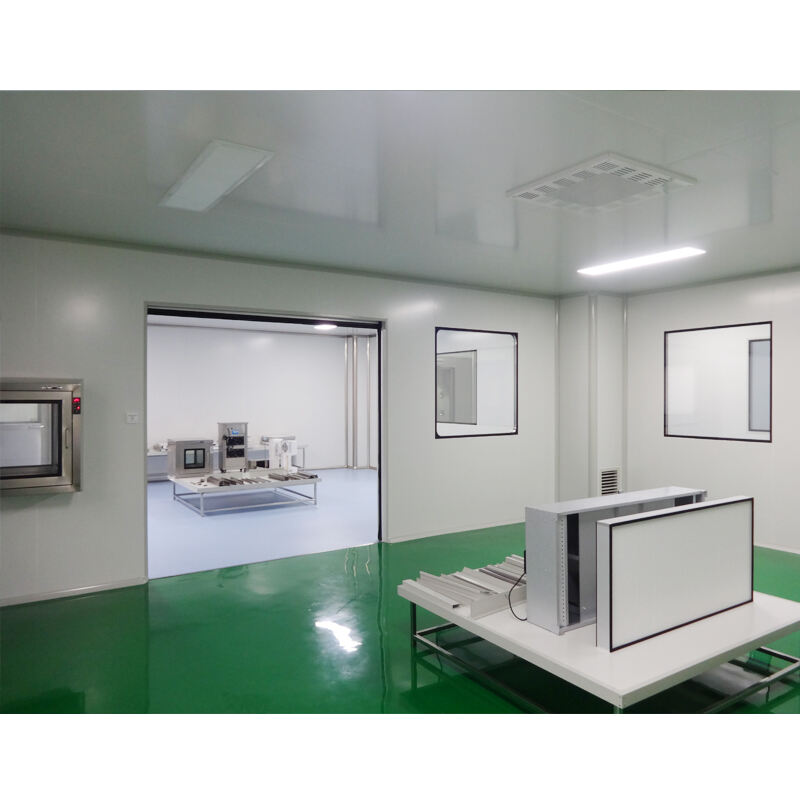
A clean room facility represents a controlled environment specifically engineered to maintain extremely low levels of airborne particles, contaminants, and pollutants. These specialized spaces are essential in industries where even microscopic contamination can compromise product quality, research integrity, or manufacturing precision. The primary function of a clean room facility is to regulate environmental parameters including particle concentration, temperature, humidity, air pressure, and airflow patterns to meet stringent industry standards. Modern clean room facilities utilize advanced filtration systems, typically employing High-Efficiency Particulate Air filters or Ultra-Low Penetration Air filters that capture particles as small as 0.3 microns with remarkable efficiency. The technological framework of these environments includes sophisticated air handling units that continuously circulate and filter air, creating positive pressure differentials that prevent external contaminants from entering the controlled space. Classification systems define clean room facilities according to the maximum allowable particle count per cubic meter, ranging from ISO Class 1, the cleanest designation, to ISO Class 9. Beyond particle control, these facilities incorporate specialized materials for walls, floors, and ceilings that resist particle generation and facilitate thorough cleaning. Applications span numerous critical sectors including pharmaceutical manufacturing where sterile conditions prevent product contamination, semiconductor production requiring particle-free environments for microchip fabrication, biotechnology research demanding contamination-free conditions for cell culture and genetic studies, medical device manufacturing ensuring product safety and regulatory compliance, aerospace component production requiring precision assembly in controlled conditions, and optical equipment manufacturing where dust particles can severely impact product performance. The clean room facility infrastructure also encompasses specialized personnel protocols including gowning procedures, material transfer systems such as pass-through chambers, and comprehensive monitoring systems that continuously track environmental parameters to ensure compliance with established standards and regulatory requirements for operational excellence.

 EN
EN