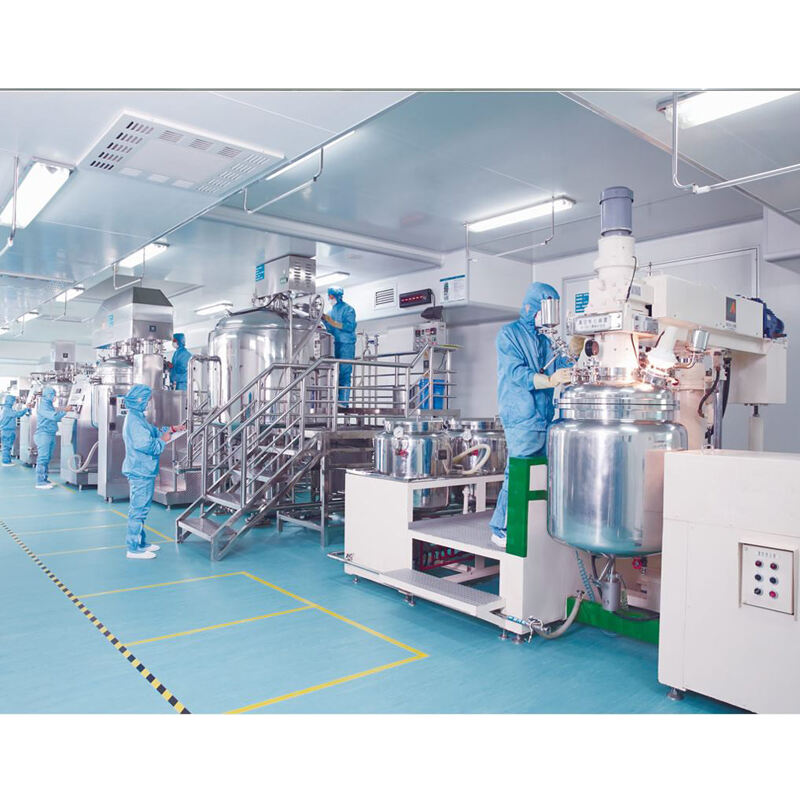
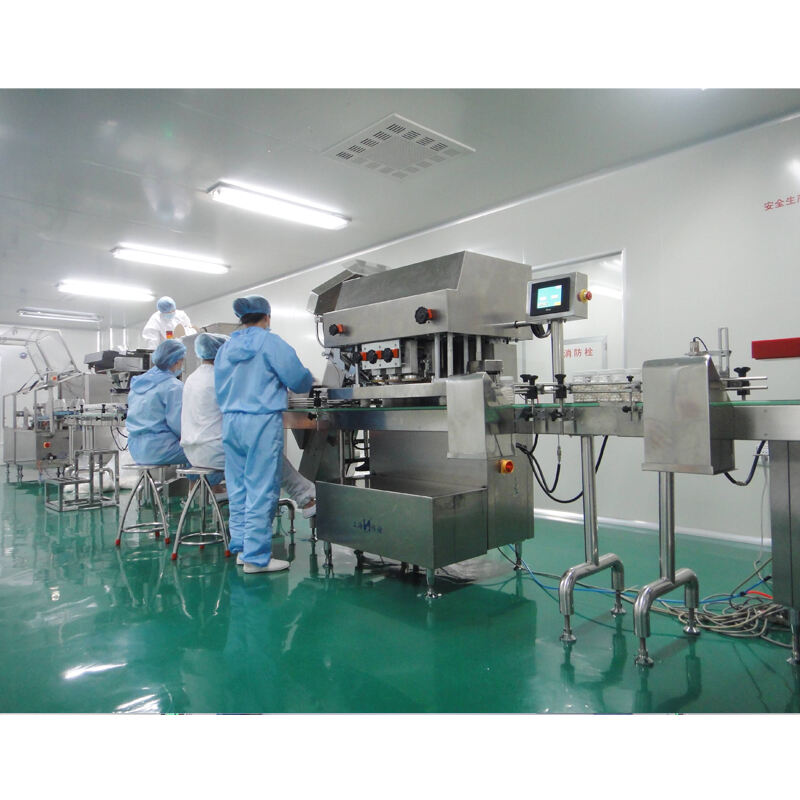
clean room layout
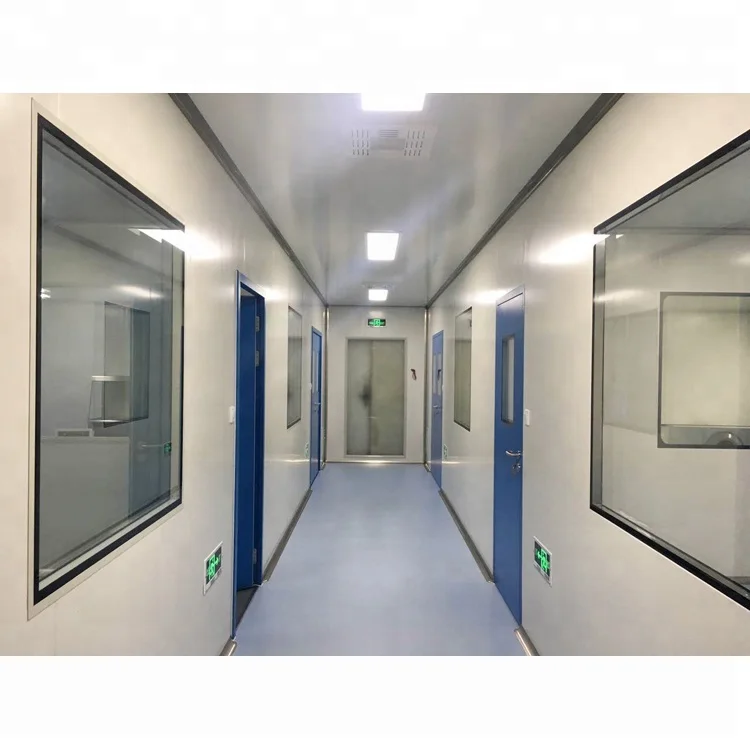
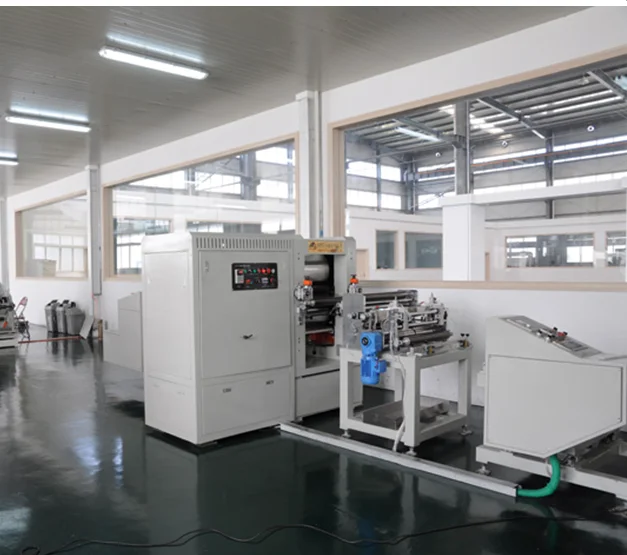
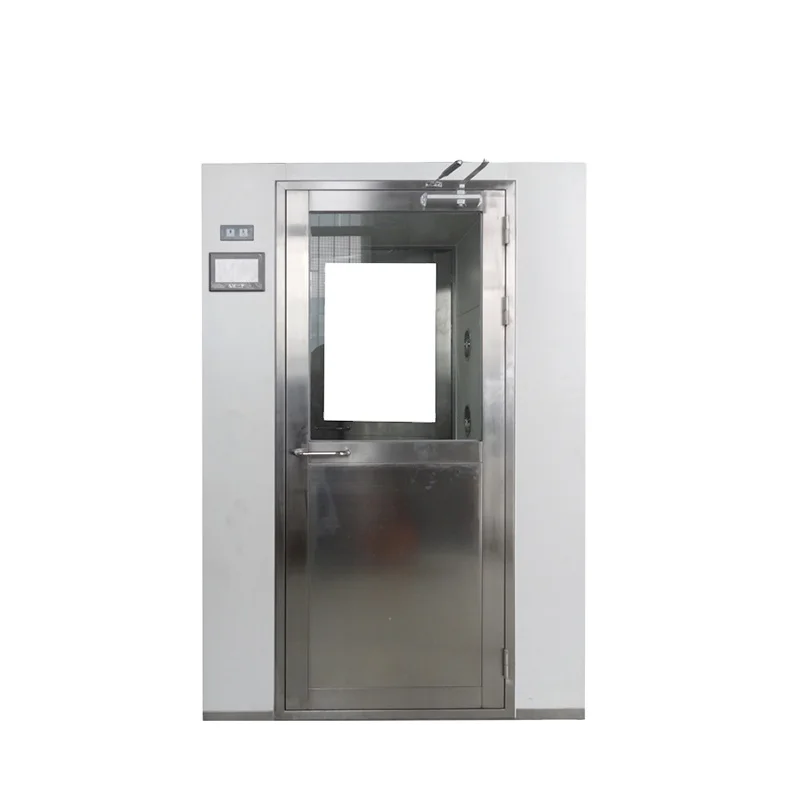
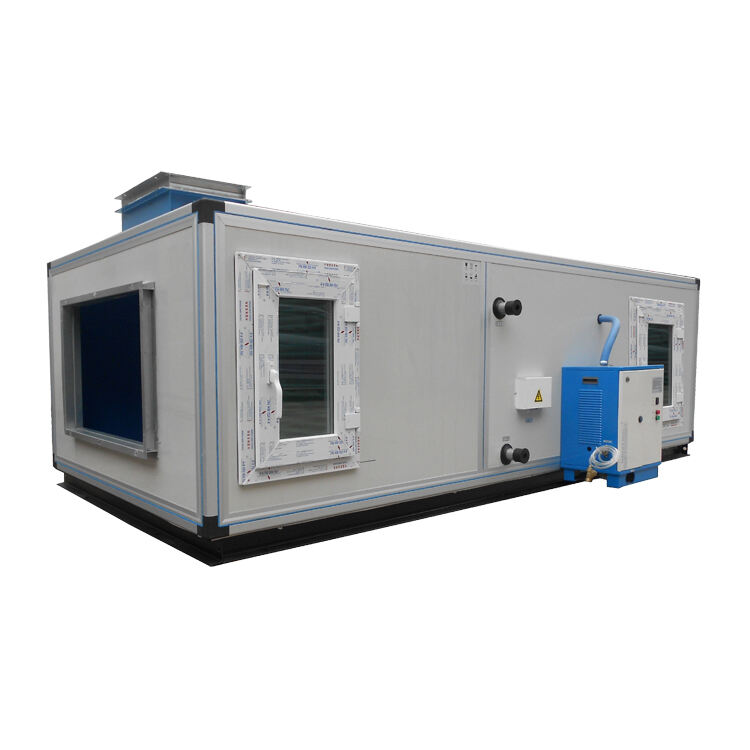
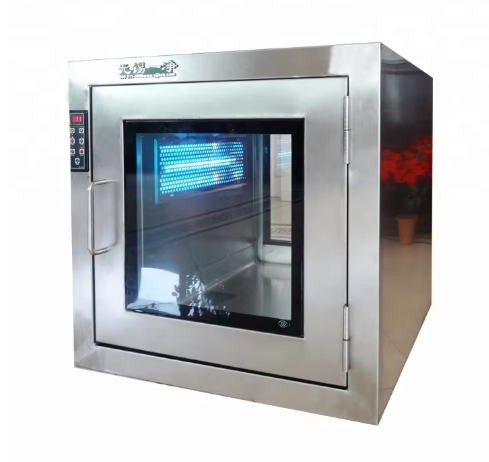
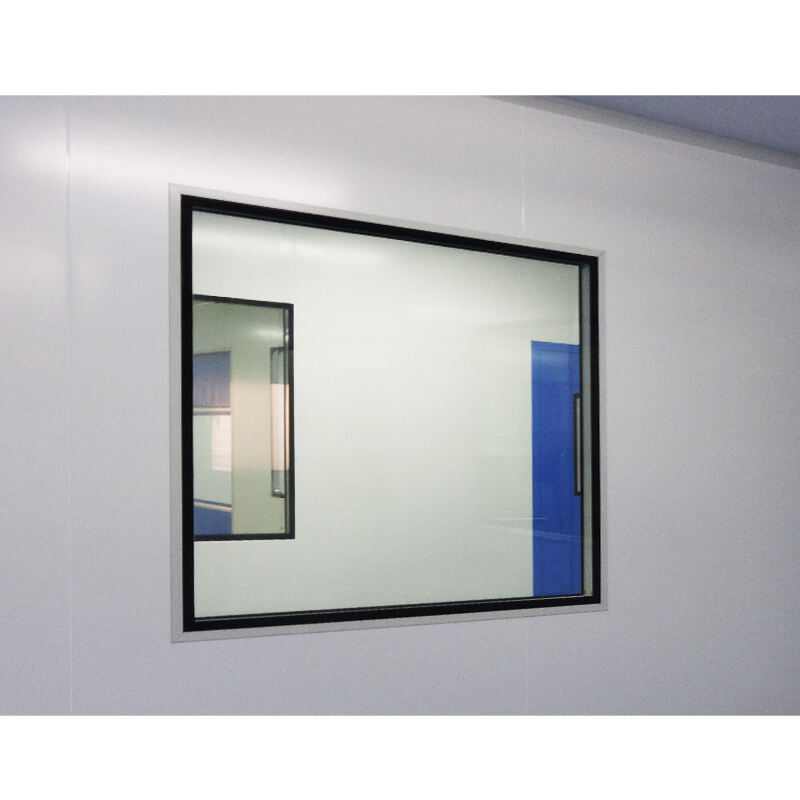
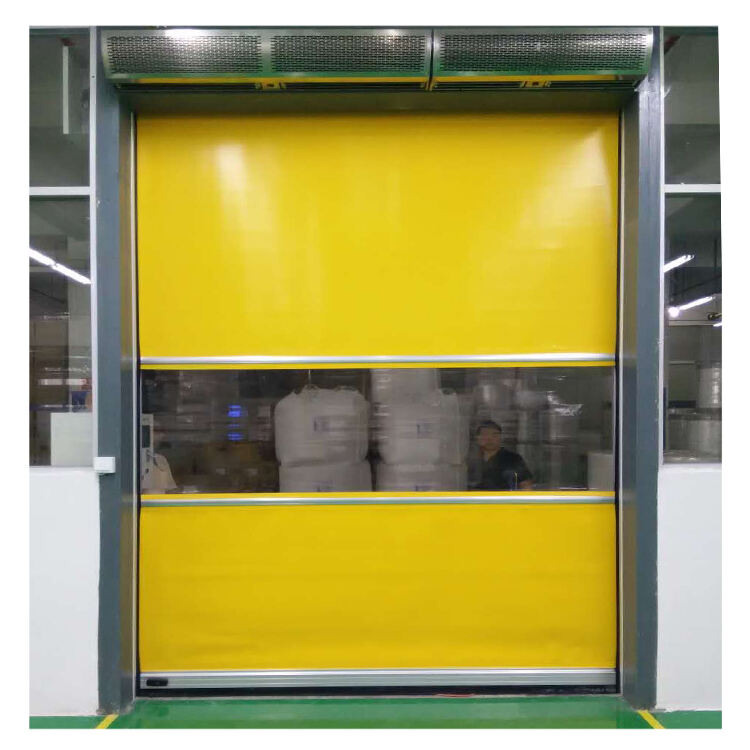
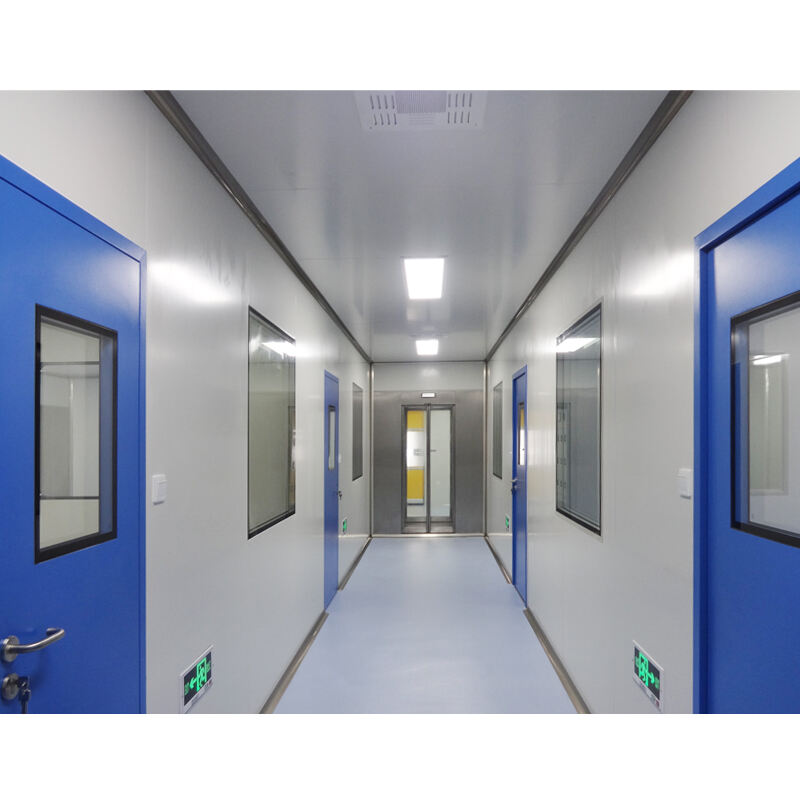
A clean room layout represents a meticulously engineered environment designed to maintain extremely low levels of airborne particles, contaminants, and pollutants. This specialized spatial configuration serves industries where even microscopic contamination can compromise product quality, research integrity, or manufacturing precision. The primary function of a clean room layout centers on creating and sustaining controlled atmospheric conditions through strategic placement of air filtration systems, pressure differentials, and contamination control zones. Modern clean room layouts incorporate advanced HVAC systems with HEPA or ULPA filtration that continuously circulate and purify air, removing particles as small as 0.3 microns with efficiency rates exceeding 99.97 percent. The technological features embedded within these layouts include positive pressure systems that prevent external contaminants from entering, specialized flooring and wall materials that resist particle generation, and carefully planned traffic flow patterns that minimize cross-contamination risks. Clean room layouts find extensive applications across pharmaceutical manufacturing, semiconductor production, biotechnology research, medical device assembly, aerospace component fabrication, and precision optics manufacturing. In pharmaceutical settings, these layouts ensure sterile conditions for drug compounding and packaging, protecting products from bacterial and particulate contamination. Semiconductor facilities rely on clean room layouts to prevent defects in microchip production, where a single dust particle can ruin an entire wafer. Biotechnology laboratories utilize these controlled environments for cell culture work and genetic research, maintaining conditions that support reproducible experimental results. The layout typically divides space into classification zones based on cleanliness requirements, with airlocks and gowning areas serving as transitional spaces between different contamination control levels. Personnel flow, material transfer routes, and equipment placement all follow predetermined patterns that support contamination prevention strategies while maintaining operational efficiency and regulatory compliance across diverse industrial applications.

 EN
EN