Equipment Fan Filter Unit: Advanced Air Filtration Solutions for Cleanroom Environments

All Categories

Get a Free Quote

Our representative will contact you soon.
Email
Name
Company Name
Attachment
Please upload at least an attachment
Up to 3 files,more 30mb,suppor jpg、jpeg、png、pdf、doc、docx、xls、xlsx、csv、txt
Message
0/1000

Get a Free Quote

Our representative will contact you soon.
Email
Name
Company Name
Attachment
Please upload at least an attachment
Up to 3 files,more 30mb,suppor jpg、jpeg、png、pdf、doc、docx、xls、xlsx、csv、txt
Message
0/1000

equipment fan filter unit

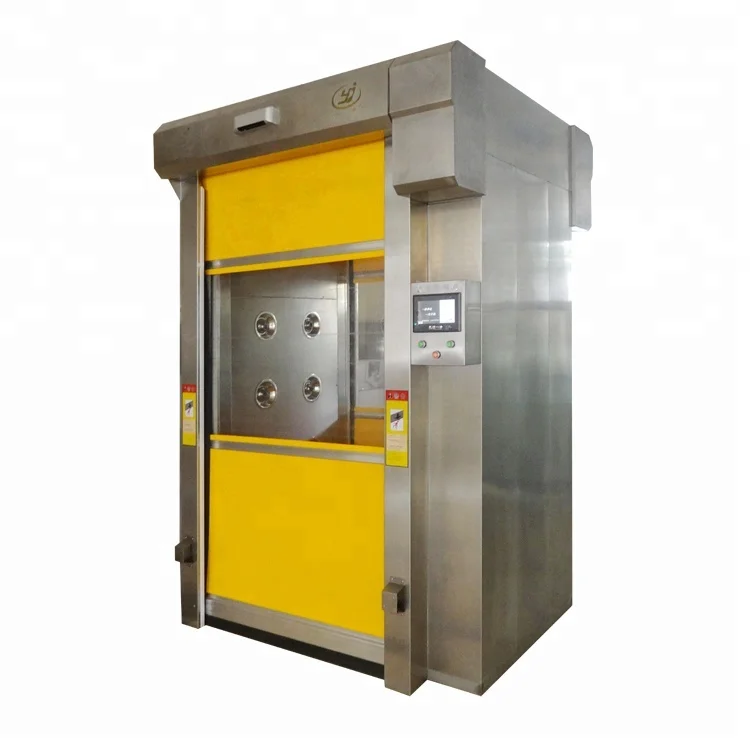
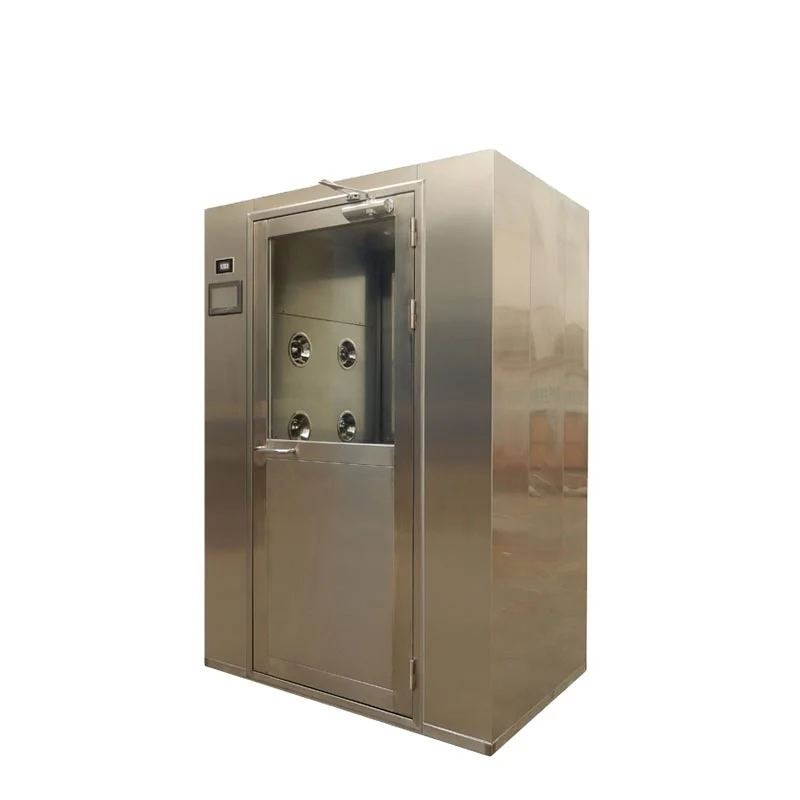
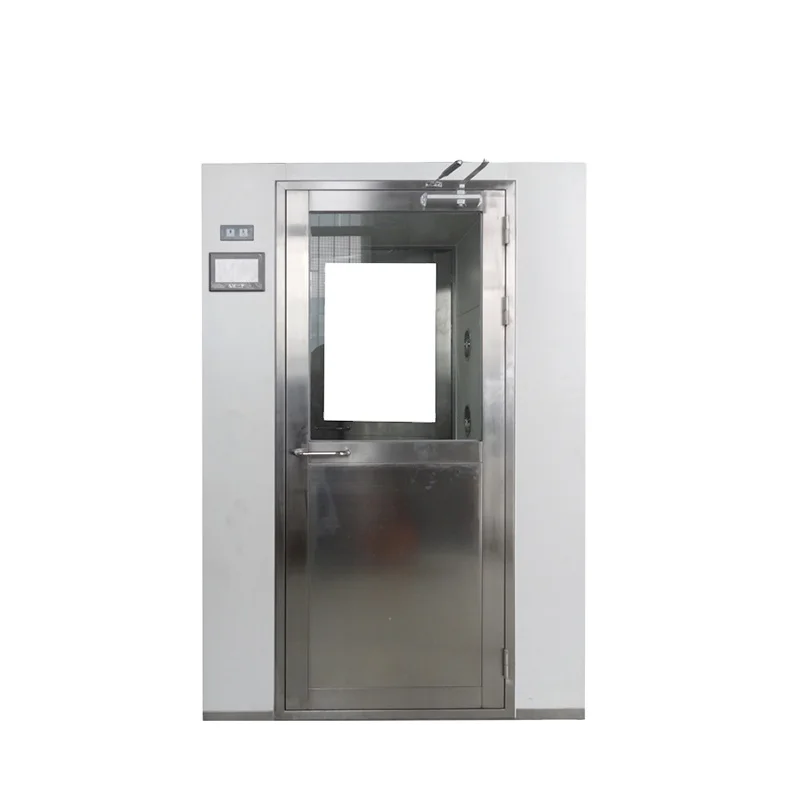
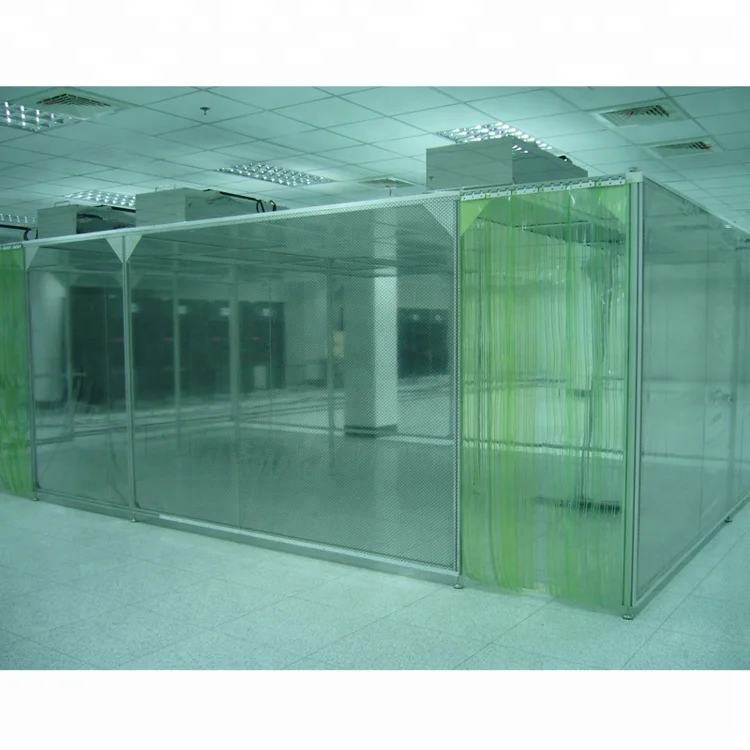
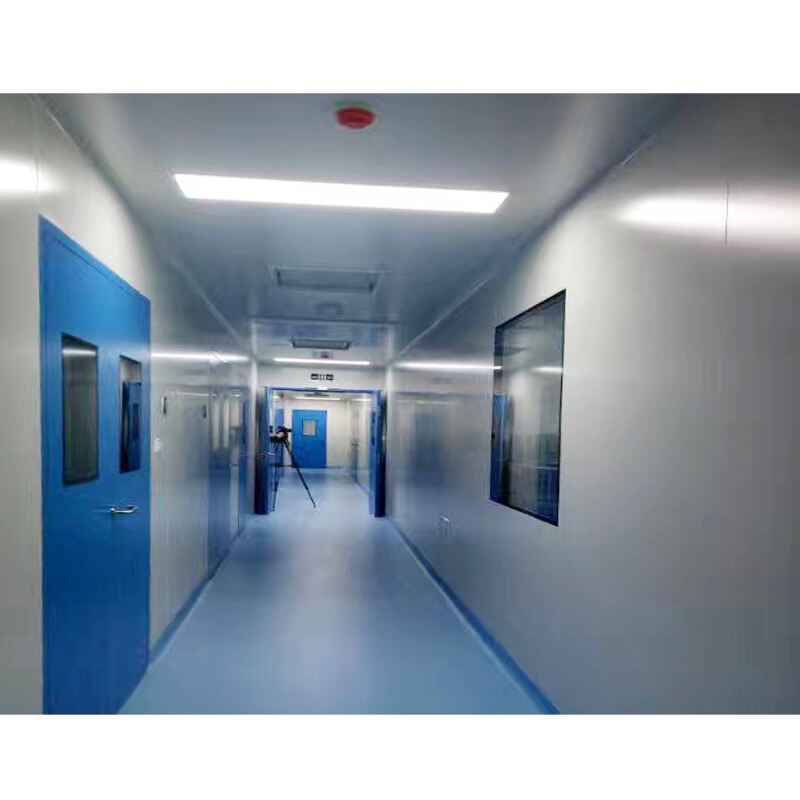
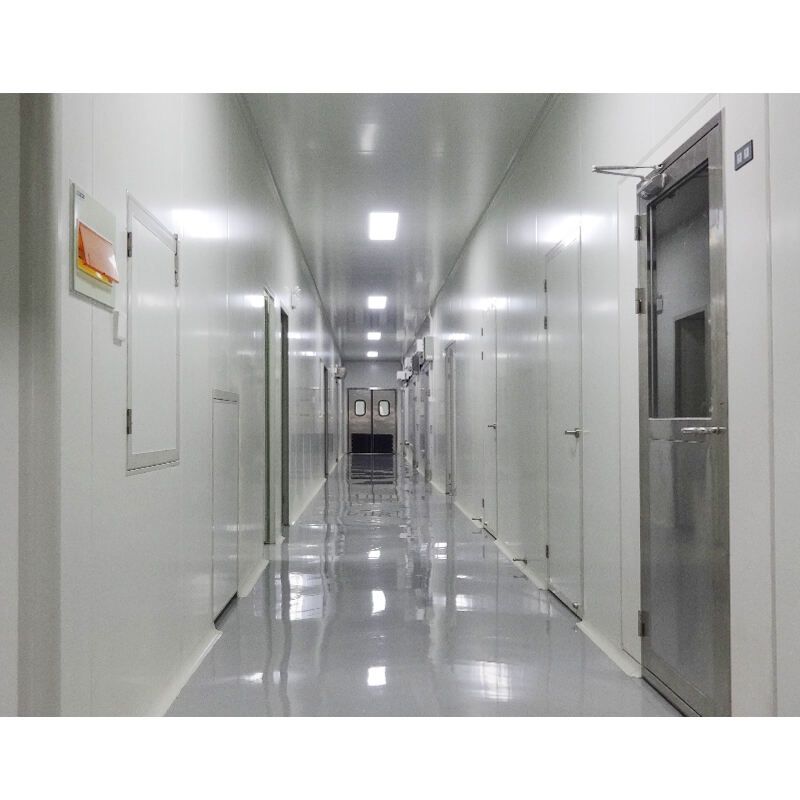
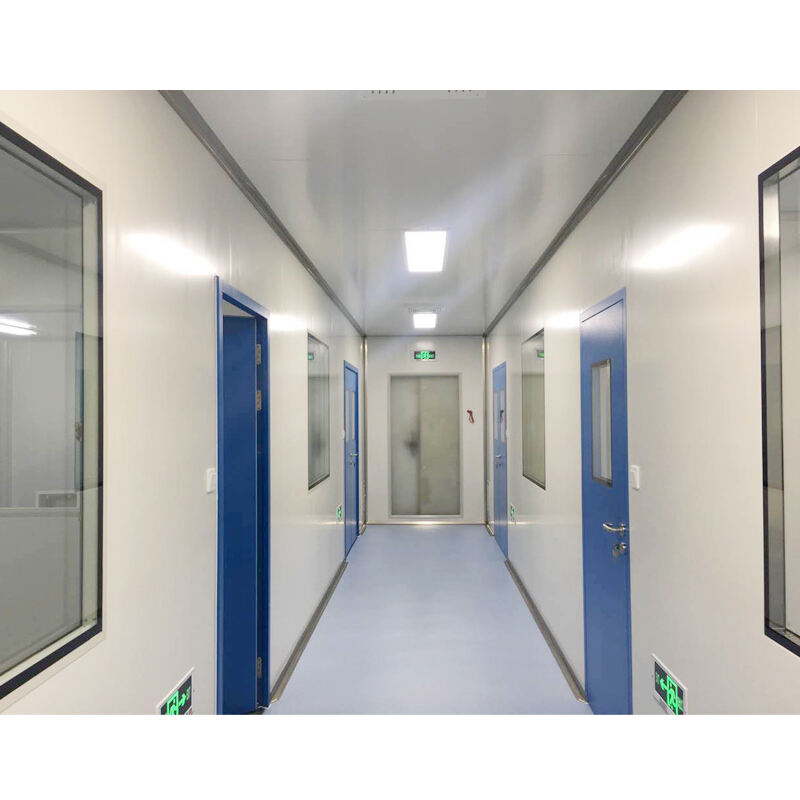
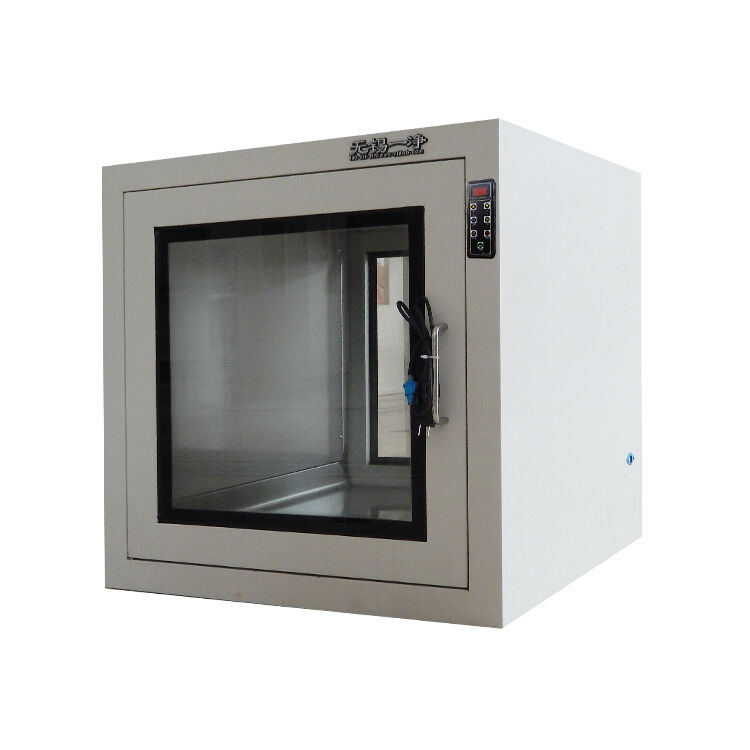
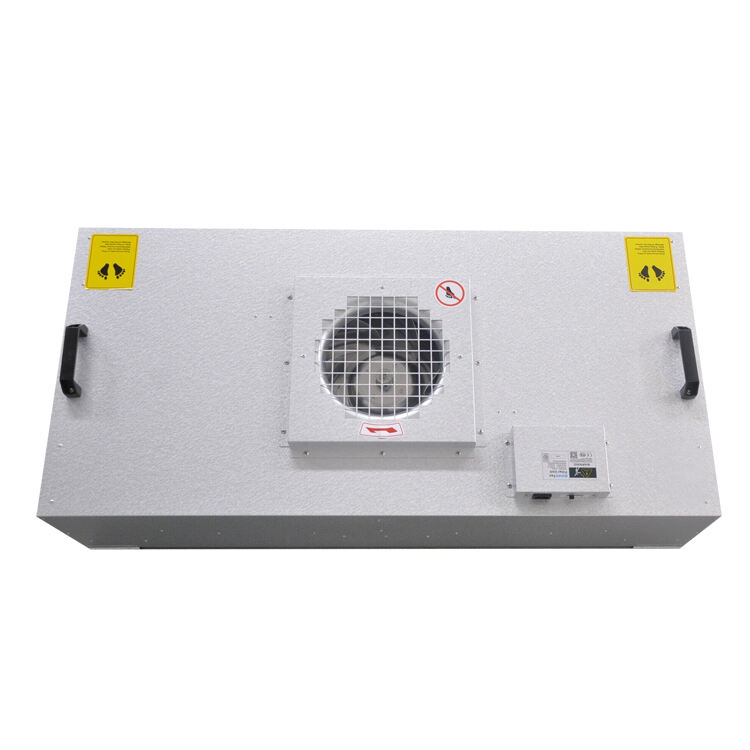
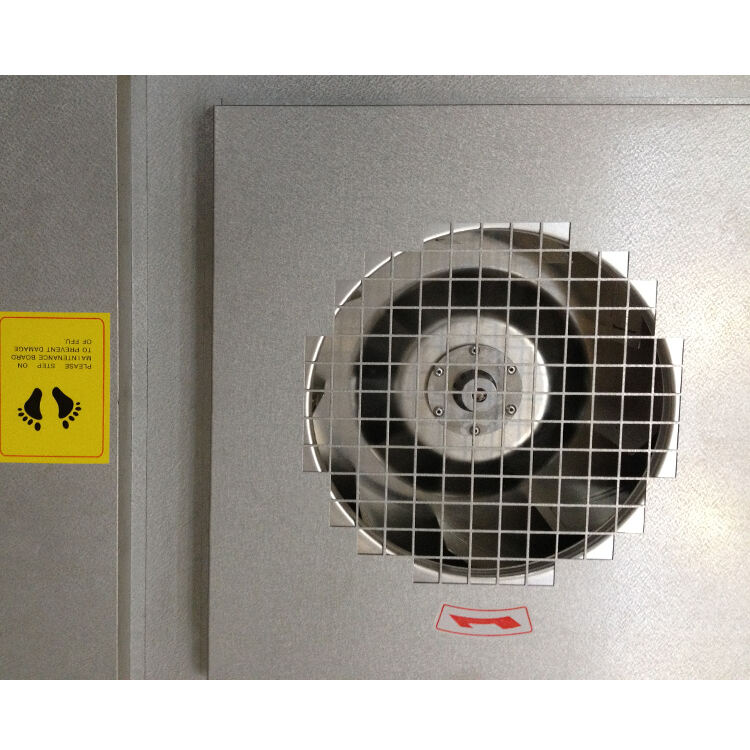
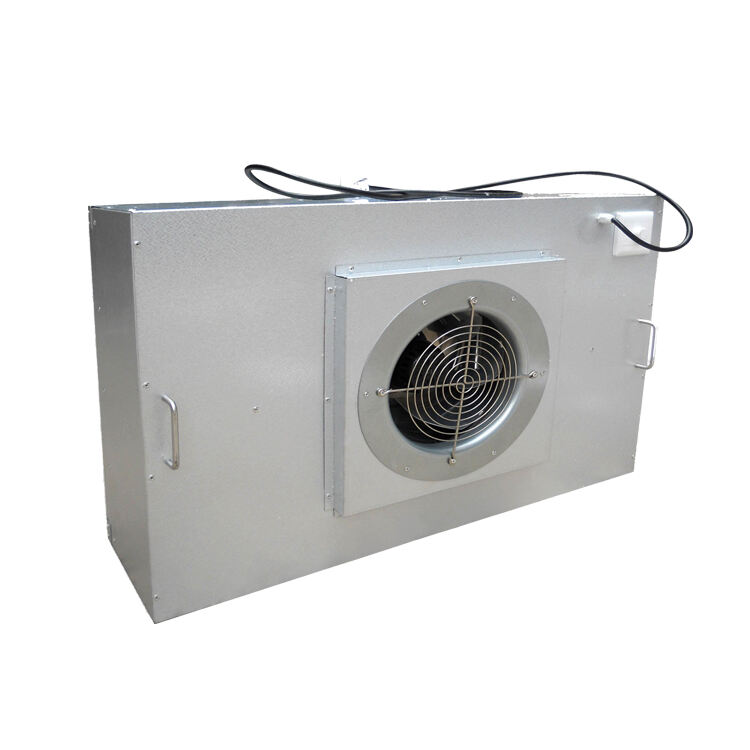
An equipment fan filter unit represents a sophisticated air filtration system designed to maintain cleanroom environments and controlled spaces across various industrial applications. This specialized device combines high-efficiency particulate air filtration technology with precision airflow management to deliver consistent, contamination-free air distribution. The equipment fan filter unit operates as a self-contained module that draws ambient air through advanced filtration media while simultaneously controlling air velocity and volume to meet stringent environmental standards. At its core, the system integrates a powerful yet energy-efficient fan assembly with multi-stage filtration components, creating a positive pressure environment that prevents external contaminants from entering critical work areas. The technological architecture of an equipment fan filter unit incorporates variable speed controls, allowing operators to adjust airflow rates according to specific process requirements and occupancy levels. Modern units feature intelligent monitoring systems that track filter performance, pressure differentials, and operational efficiency in real-time, providing valuable data for maintenance scheduling and system optimization. The filtration mechanism typically employs HEPA or ULPA filters capable of capturing particles as small as 0.3 microns with efficiency ratings exceeding 99.97 percent, ensuring exceptional air quality for sensitive manufacturing processes. Applications for equipment fan filter units span numerous industries including pharmaceutical production, semiconductor fabrication, biotechnology research, medical device manufacturing, and precision electronics assembly. These units prove essential in environments where airborne contamination could compromise product quality, research integrity, or worker safety. The modular design of contemporary equipment fan filter units facilitates straightforward installation in both new construction projects and retrofit applications, adapting seamlessly to existing infrastructure without requiring extensive structural modifications. Energy consumption remains a critical consideration, with modern units incorporating EC motor technology and aerodynamic fan blade designs that minimize power requirements while maximizing air delivery performance. The equipment fan filter unit serves as a cornerstone technology for organizations committed to maintaining ISO-classified cleanroom standards and regulatory compliance across diverse operational contexts.

New Products

Equipment fan filter units deliver substantial operational benefits that directly impact productivity, cost efficiency, and product quality across manufacturing and research environments. The primary advantage lies in their ability to create and maintain controlled atmospheric conditions with minimal ongoing intervention, reducing labor costs associated with environmental monitoring and contamination control. These systems operate continuously with remarkable reliability, providing uninterrupted protection for sensitive processes and materials that could otherwise suffer degradation from airborne particles, microorganisms, or chemical contaminants. Energy efficiency represents another significant benefit, as modern equipment fan filter units consume considerably less power than traditional HVAC systems while delivering superior air quality outcomes. The localized nature of these units means organizations can target specific work areas requiring enhanced air purity without conditioning entire facilities, resulting in substantial utility cost reductions over time. Installation flexibility offers practical advantages for facilities with space constraints or evolving operational needs, since equipment fan filter units mount easily to ceilings or walls without demanding extensive ductwork or infrastructure modifications. This adaptability allows businesses to scale their cleanroom capabilities incrementally, adding units as production volumes increase or new product lines emerge, rather than committing to large capital expenditures for comprehensive facility upgrades. Maintenance requirements remain straightforward and predictable, with filter replacement representing the primary service activity, typically performed on quarterly or semi-annual schedules depending on environmental conditions and usage intensity. The self-contained design simplifies troubleshooting and component replacement, minimizing downtime and allowing maintenance personnel to service units quickly without specialized training or equipment. Equipment fan filter units contribute to regulatory compliance by providing documented air quality performance that satisfies FDA, ISO, and other governing body requirements for controlled manufacturing environments. This compliance support reduces audit preparation time and mitigates risks associated with regulatory violations that could result in production shutdowns or product recalls. Worker comfort and safety improve measurably in environments protected by equipment fan filter units, as these systems remove not only particulate matter but also many airborne irritants and allergens that affect employee health and concentration. The positive pressure created by these units prevents infiltration of external pollutants, maintaining consistent conditions regardless of external weather patterns or nearby industrial activities. Product yield rates typically increase following equipment fan filter unit installation, as contamination-related defects decline and process consistency improves. This quality enhancement translates directly to bottom-line benefits through reduced waste, fewer customer complaints, and enhanced brand reputation for reliability. The quiet operation of contemporary units supports productive work environments without the noise pollution associated with older filtration technologies, allowing personnel to communicate effectively and concentrate on detail-oriented tasks. Return on investment for equipment fan filter units generally materializes within two to three years through combined savings in energy costs, reduced product losses, and decreased contamination-related rework.

Tips And Tricks

What Are the Key Components of an Effective Clean Air System

21

Oct

What Are the Key Components of an Effective Clean Air System

Understanding Modern Clean Air Technologies and Their Impact A well-designed clean air system serves as the foundation for maintaining optimal indoor air quality in both residential and commercial spaces. As we spend approximately 90% of our time ind...
View More
How to Maintain Clean Air Systems to Meet ISO Standards

21

Oct

How to Maintain Clean Air Systems to Meet ISO Standards

Essential Guidelines for Industrial Air Quality Management In today's industrial landscape, maintaining clean air systems has become a critical requirement for operational excellence and regulatory compliance. Modern facilities must adhere to stringe...
View More
What Are the Cost Benefits of Modular Clean Room Construction

05

Nov

What Are the Cost Benefits of Modular Clean Room Construction

The Economic Advantages of Modern Modular Cleanroom Solutions The landscape of pharmaceutical, semiconductor, and medical device manufacturing has been transformed by modular clean room construction. This innovative approach to building controlled en...
View More
What Happens to Production Stability Without a Proper Cleanroom System?

30

Jan

What Happens to Production Stability Without a Proper Cleanroom System?

Manufacturing environments face critical challenges when operating without adequate contamination control measures. A properly designed cleanroom system serves as the foundation for maintaining consistent product quality, regulatory compliance, and o...
View More

Get a Free Quote

Our representative will contact you soon.
Email
Name
Company Name
Attachment
Please upload at least an attachment
Up to 3 files,more 30mb,suppor jpg、jpeg、png、pdf、doc、docx、xls、xlsx、csv、txt
Message
0/1000

equipment fan filter unit

Advanced Filtration Technology Ensuring Maximum Particle Capture Efficiency

Advanced Filtration Technology Ensuring Maximum Particle Capture Efficiency

The filtration capabilities of an equipment fan filter unit represent the pinnacle of air purification technology, employing sophisticated media engineered to trap microscopic contaminants with extraordinary precision. These systems utilize HEPA filtration as the industry standard, with filter media constructed from randomly arranged fibers that create a complex maze through which air must pass. As particles traverse this labyrinth, they become captured through multiple mechanisms including interception, impaction, and diffusion, ensuring comprehensive removal across the entire particle size spectrum. The equipment fan filter unit achieves its remarkable efficiency through careful selection of filter media density, fiber diameter, and pleating configuration, optimizing the balance between airflow resistance and particle capture performance. Unlike conventional filtration approaches that rely solely on mechanical screening, these advanced filters employ electrostatic attraction to enhance particle retention, particularly for submicron contaminants that might otherwise pass through physical barriers. The multi-layered construction of filters used in equipment fan filter units incorporates pre-filtration stages that extend the service life of final HEPA elements by capturing larger particles before they reach the high-efficiency media. This staged approach reduces pressure drop accumulation and maintains consistent airflow characteristics throughout the filter lifecycle, ensuring stable environmental conditions for critical processes. Testing and certification protocols for equipment fan filter units verify performance against rigorous standards, with each unit undergoing integrity testing to confirm the absence of leaks or bypass pathways that could compromise air quality. The filter housing design incorporates gasket systems and clamping mechanisms that create airtight seals, preventing unfiltered air from circumventing the filtration media and entering the protected space. Modern equipment fan filter units feature filter monitoring systems that track pressure differential across the media, providing early warning when filters approach saturation and require replacement. This predictive maintenance capability prevents unexpected performance degradation and allows organizations to schedule filter changes during planned downtime rather than responding to emergency situations. The filtration efficiency of an equipment fan filter unit remains consistent across varying airflow rates, maintaining particle capture performance even as fan speeds adjust to accommodate changing process demands. This stability ensures that air quality never falls below specified thresholds regardless of operational conditions or production intensity. The longevity of filters used in equipment fan filter units depends on environmental particle loading, but typical service intervals range from six to twelve months, providing extended protection between maintenance activities. When replacement becomes necessary, the modular filter design allows quick changeout without tools or specialized skills, minimizing service time and associated labor costs.
Intelligent Airflow Management for Optimal Environmental Control

Intelligent Airflow Management for Optimal Environmental Control

Airflow management capabilities distinguish superior equipment fan filter units from basic filtration systems, providing precise control over air velocity, volume, and distribution patterns within protected spaces. The fan assembly at the heart of an equipment fan filter unit employs electronically commutated motor technology that delivers variable speed operation with exceptional energy efficiency and minimal acoustic output. This advanced motor design allows the equipment fan filter unit to adjust airflow dynamically in response to real-time environmental conditions, occupancy levels, or process requirements, optimizing performance while minimizing energy consumption. The aerodynamic engineering of fan blades and housing geometry maximizes air delivery per watt of input power, reducing operational costs compared to legacy systems using conventional motor technologies. Airflow uniformity represents a critical performance parameter for equipment fan filter units, as uneven air distribution can create dead zones where contaminants accumulate or areas of excessive turbulence that disturb sensitive processes. To achieve uniform coverage, equipment fan filter units incorporate diffuser panels or perforated face plates that distribute filtered air evenly across the entire outlet area, eliminating hot spots and ensuring consistent environmental conditions throughout the protected zone. The velocity profile exiting an equipment fan filter unit can be configured for laminar or turbulent flow patterns depending on application requirements, with laminar flow providing unidirectional air movement ideal for critical aseptic processes, while turbulent flow offers effective mixing for general cleanroom applications. Pressure management within the equipment fan filter unit maintains positive pressurization relative to surrounding areas, creating an invisible barrier that prevents infiltration of unfiltered air through doorways, pass-throughs, or other openings. This pressure differential typically ranges from 0.02 to 0.05 inches of water column, sufficient to provide contamination protection without creating uncomfortable drafts or interfering with door operation. The control systems integrated into modern equipment fan filter units accept input from external sensors monitoring temperature, humidity, particle counts, or occupancy, enabling automated adjustments that maintain optimal conditions without manual intervention. Remote monitoring capabilities allow facility managers to oversee multiple equipment fan filter units from centralized control rooms, receiving alerts when performance parameters deviate from setpoints or maintenance becomes necessary. The modular architecture of equipment fan filter units supports parallel operation of multiple units within a single space, with coordinated control ensuring balanced air distribution and redundant protection against individual unit failures. Noise reduction features incorporated into equipment fan filter unit design include vibration isolation mounts, acoustically optimized fan blade profiles, and sound-absorbing materials that minimize operational noise to levels typically below 55 decibels, comparable to normal conversation volume.
Versatile Installation Options and Seamless Integration Capabilities

Versatile Installation Options and Seamless Integration Capabilities

The installation flexibility of an equipment fan filter unit provides organizations with unprecedented freedom to deploy cleanroom-grade air quality exactly where needed without the constraints and expenses associated with traditional HVAC infrastructure. These self-contained systems mount directly to ceiling grids, structural supports, or wall surfaces, eliminating the need for extensive ductwork, air handlers, or central plant equipment that characterize conventional approaches to environmental control. The compact footprint of an equipment fan filter unit maximizes usable floor space within production areas, a critical advantage in facilities where every square foot contributes to operational capacity and revenue generation. Ceiling-mounted configurations represent the most common installation approach, with equipment fan filter units integrating seamlessly into standard suspended ceiling systems using the same grid framework that supports ceiling tiles and lighting fixtures. This integration method allows rapid deployment in existing facilities without structural modifications or disruption to ongoing operations, as units can be installed during off-shift hours or scheduled maintenance windows. Wall-mounted equipment fan filter units serve applications where ceiling access proves impractical or where horizontal airflow patterns better suit process requirements, providing the same filtration performance in an alternative orientation. The plug-and-play nature of modern equipment fan filter units simplifies electrical connections, typically requiring only standard voltage service without specialized power conditioning or dedicated circuits, reducing installation costs and accelerating project timelines. Modular expansion capabilities allow organizations to start with minimal equipment fan filter unit deployment and add capacity incrementally as production volumes grow or new cleanroom areas come online, avoiding the financial burden of oversized systems that exceed immediate needs. Retrofit applications benefit particularly from equipment fan filter unit technology, as aging facilities can achieve contemporary air quality standards without the prohibitive costs and extended downtime associated with comprehensive HVAC system replacement. The equipment fan filter unit adapts to diverse architectural contexts, functioning effectively in spaces with low ceilings, irregular floor plans, or structural limitations that would complicate traditional cleanroom construction. Portable equipment fan filter units offer even greater flexibility for temporary cleanroom applications, research projects, or seasonal production campaigns, providing full-featured environmental control that relocates easily as operational needs evolve. Integration with building management systems allows equipment fan filter units to participate in facility-wide energy optimization strategies, coordinating operation with lighting, HVAC, and other building systems to minimize overall utility consumption. The standardized dimensions and mounting patterns of equipment fan filter units facilitate replacement and upgrades, ensuring that investments in supporting infrastructure remain viable as technology advances and performance requirements increase. Commissioning and validation procedures for equipment fan filter units follow established protocols that verify airflow uniformity, filter integrity, and particle removal efficiency, providing documented evidence of performance that satisfies regulatory requirements and quality management systems.


Get a Free Quote

Our representative will contact you soon.
Email
Name
Company Name
Attachment
Please upload at least an attachment
Up to 3 files,more 30mb,suppor jpg、jpeg、png、pdf、doc、docx、xls、xlsx、csv、txt
Message
0/1000

Get a Free Quote

Our representative will contact you soon.
Email
Name
Company Name
Attachment
Please upload at least an attachment
Up to 3 files,more 30mb,suppor jpg、jpeg、png、pdf、doc、docx、xls、xlsx、csv、txt
Message
0/1000