Professional Fan Filter Unit Manufacturer - Advanced Clean Air Solutions for Critical Environments

All Categories

Get a Free Quote

Our representative will contact you soon.
Email
Name
Company Name
Attachment
Please upload at least an attachment
Up to 3 files,more 30mb,suppor jpg、jpeg、png、pdf、doc、docx、xls、xlsx、csv、txt
Message
0/1000

Get a Free Quote

Our representative will contact you soon.
Email
Name
Company Name
Attachment
Please upload at least an attachment
Up to 3 files,more 30mb,suppor jpg、jpeg、png、pdf、doc、docx、xls、xlsx、csv、txt
Message
0/1000

fan filter unit manufacturer

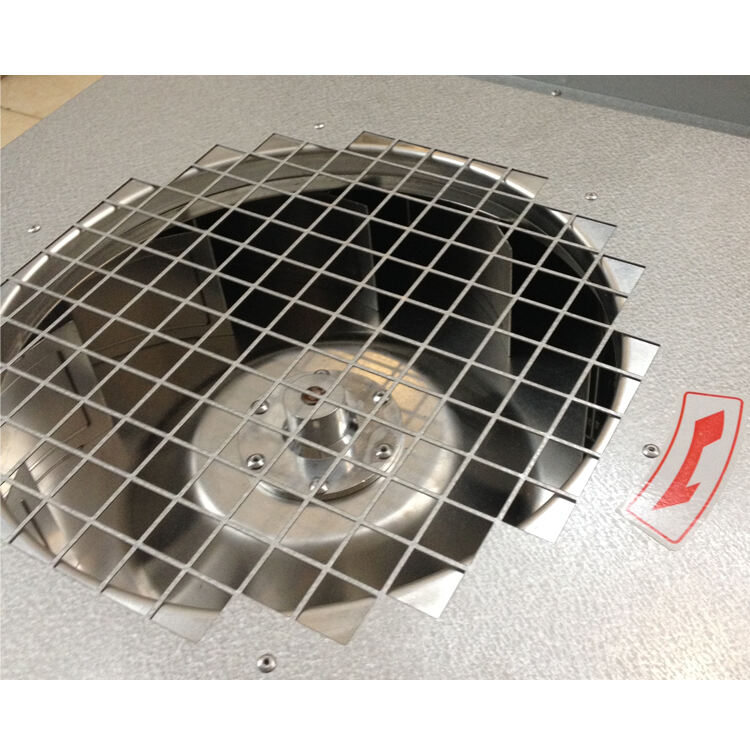
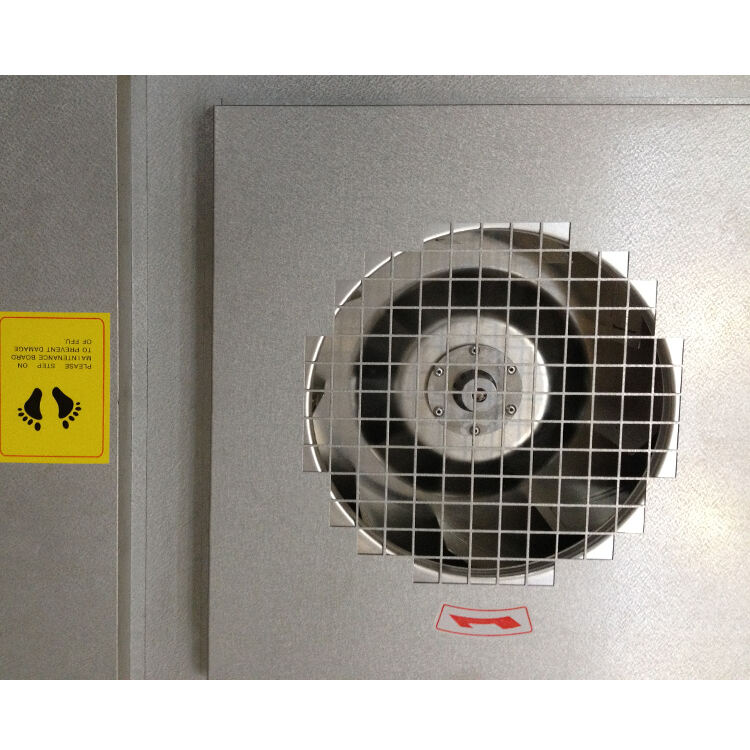
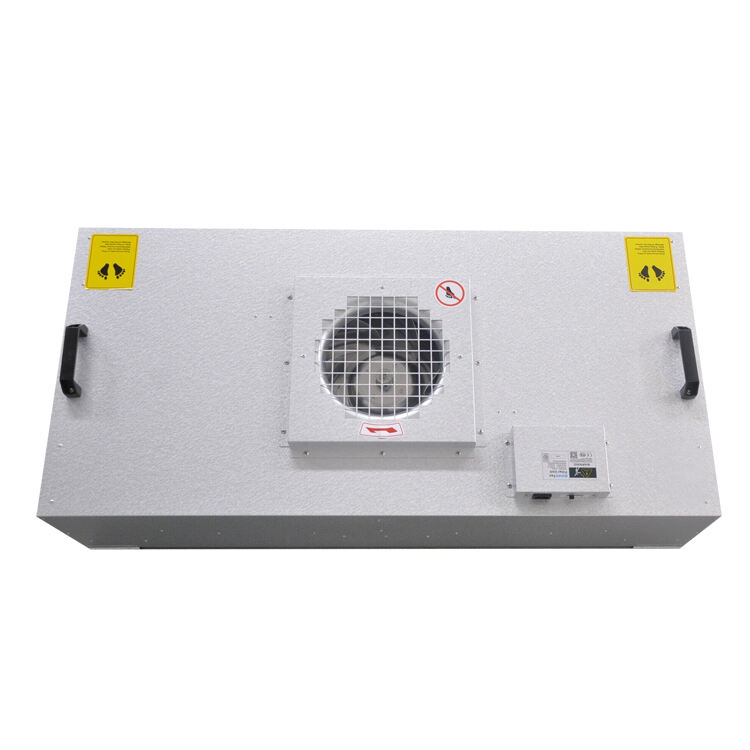
A fan filter unit manufacturer specializes in producing advanced air filtration systems that combine mechanical fans with high-efficiency particulate air filters to create controlled clean air environments. These manufacturers design and build units that deliver filtered air into cleanrooms, laboratories, pharmaceutical facilities, electronics manufacturing plants, and other spaces requiring stringent air quality standards. The primary function of these units involves drawing ambient air through pre-filters and HEPA or ULPA filters before distributing it evenly across work areas, effectively removing airborne particles, contaminants, and microorganisms. Modern fan filter unit manufacturers incorporate sophisticated motor technology, variable speed controls, and energy-efficient designs to optimize performance while minimizing operational costs. The technological features embedded in these systems include brushless DC motors for extended lifespan, intelligent monitoring systems that track filter saturation levels, and modular construction allowing easy maintenance and filter replacement. These manufacturers employ rigorous quality control processes, ensuring each unit meets international standards such as ISO 14644 for cleanroom classifications and FDA requirements for pharmaceutical applications. The application scope extends across semiconductor fabrication, biotechnology research, hospital operating rooms, food processing facilities, and aerospace component manufacturing. Fan filter unit manufacturers also provide customization options, tailoring dimensions, airflow rates, and filtration grades to match specific industry requirements. Their engineering teams work closely with facility designers to integrate units seamlessly into ceiling grids, creating uniform laminar airflow patterns that prevent particle settlement on sensitive products or processes. The manufacturing process involves precision assembly, extensive testing protocols, and certification procedures that validate filtration efficiency, airflow uniformity, and noise levels. Leading manufacturers invest heavily in research and development, continuously improving filter media, reducing energy consumption, and enhancing user-friendly features such as digital displays and remote monitoring capabilities that enable predictive maintenance scheduling.


New Products

Choosing the right fan filter unit manufacturer brings substantial practical benefits that directly impact your facility's operational efficiency and product quality. First, reputable manufacturers deliver consistent air cleanliness that protects your sensitive processes from contamination, reducing product defects and costly rework. Their units maintain stable particle counts even during high-production periods, giving you confidence that your cleanroom environment stays within specification. Energy efficiency stands as another major advantage, with modern units consuming significantly less power than older models while delivering superior performance. This translates to lower electricity bills month after month, and over the unit's lifespan, these savings can offset the initial investment. Manufacturers who prioritize energy-efficient designs use advanced motor technology and optimized airflow patterns that achieve required cleanliness levels without wasting power. Reliability proves crucial in continuous manufacturing operations, and established manufacturers build units with durable components that withstand years of constant use. Their quality construction means fewer breakdowns, less unplanned downtime, and reduced maintenance expenses. When maintenance does become necessary, well-designed units feature accessible filter compartments and tool-free access panels that speed up service work, minimizing disruption to your operations. Professional manufacturers also provide comprehensive technical support, helping you troubleshoot issues quickly and offering guidance on optimal operating parameters for your specific application. Their expertise extends beyond the product itself, as they can recommend proper installation practices, suggest preventive maintenance schedules, and advise on filter replacement timing to maximize performance. Customization capabilities allow manufacturers to adapt units to your unique space constraints and airflow requirements, ensuring seamless integration into existing infrastructure without expensive facility modifications. This flexibility proves especially valuable in retrofit projects where standard units might not fit properly. Compliance assurance represents another significant benefit, as reputable manufacturers certify their units meet industry regulations and standards, simplifying your validation processes and regulatory audits. They provide detailed documentation, test reports, and performance data that satisfy quality management systems and regulatory inspectors. Long-term cost predictability improves when working with manufacturers who offer transparent pricing, readily available replacement parts, and stable supply chains. You avoid the frustration of discontinued components or compatibility issues that plague cheaper alternatives. Finally, partnering with an experienced manufacturer gives you access to ongoing innovation, as they continuously refine their products based on industry feedback and emerging technologies, ensuring your facility benefits from the latest advancements in air filtration.

Tips And Tricks

How to Maintain an Air Handling Unit for Consistent Airflow

21

Oct

How to Maintain an Air Handling Unit for Consistent Airflow

Essential Guidelines for Air Handling Unit Performance Air handling units (AHUs) are the backbone of any building's HVAC system, responsible for maintaining comfortable indoor environments and ensuring proper ventilation. Effective air handling unit ...
View More
How to Maintain Clean Air Systems to Meet ISO Standards

21

Oct

How to Maintain Clean Air Systems to Meet ISO Standards

Essential Guidelines for Industrial Air Quality Management In today's industrial landscape, maintaining clean air systems has become a critical requirement for operational excellence and regulatory compliance. Modern facilities must adhere to stringe...
View More
What Are the Benefits of Using Modular Clean Panels

21

Oct

What Are the Benefits of Using Modular Clean Panels

Understanding the Revolutionary Impact of Modular Clean Panels in Modern Facilities Modular clean panels have transformed the way industries approach controlled environments and cleanroom construction. These innovative building components represent a...
View More
What Are the Benefits of Modular Air Handling Units

02

Dec

What Are the Benefits of Modular Air Handling Units

Modern industrial facilities and commercial buildings face increasingly complex air quality challenges that require sophisticated yet adaptable solutions. Traditional HVAC systems often fall short when facilities need to expand, modify operations, or...
View More

Get a Free Quote

Our representative will contact you soon.
Email
Name
Company Name
Attachment
Please upload at least an attachment
Up to 3 files,more 30mb,suppor jpg、jpeg、png、pdf、doc、docx、xls、xlsx、csv、txt
Message
0/1000

fan filter unit manufacturer

Advanced Filtration Technology Ensuring Maximum Particle Removal

Advanced Filtration Technology Ensuring Maximum Particle Removal

The core strength of a professional fan filter unit manufacturer lies in their mastery of advanced filtration technology that achieves exceptional particle removal efficiency across diverse applications. These manufacturers utilize multi-stage filtration approaches, beginning with pre-filters that capture larger particles and extend the lifespan of downstream HEPA or ULPA filters. The primary filtration stage employs medical-grade filter media constructed from ultra-fine glass fibers arranged in complex patterns that trap particles as small as 0.3 microns with efficiency ratings exceeding 99.99 percent. This level of performance proves essential in pharmaceutical manufacturing where even microscopic contamination can compromise drug safety, or in semiconductor fabrication where nanoscale particles cause circuit defects. Leading manufacturers source filter media from certified suppliers who maintain strict quality standards, ensuring consistent performance batch after batch. The filtration technology extends beyond the media itself to include precision-engineered filter frames with gel-sealed edges that eliminate bypass leakage, a common failure point in inferior units. Manufacturers conduct rigorous testing on every filter assembly, using particle counters and aerosol challenges to verify that no unfiltered air escapes around the filter perimeter. Advanced designs incorporate filter monitoring systems with differential pressure sensors that continuously measure resistance across the filter, alerting operators when saturation approaches and replacement becomes necessary. This predictive capability prevents unexpected filter failures that could expose your process to contamination. Some manufacturers offer antimicrobial filter treatments that inhibit bacterial and fungal growth on the filter surface, particularly valuable in healthcare and food processing environments where biological contamination poses serious risks. The filtration technology also addresses chemical contaminants through optional activated carbon layers that adsorb volatile organic compounds and odors, creating truly comprehensive air purification. Manufacturers invest in computational fluid dynamics modeling to optimize airflow distribution across the entire filter surface, ensuring uniform loading that maximizes filter capacity and extends replacement intervals. This engineering approach prevents premature filter failure caused by localized overloading in high-velocity zones. The result is a filtration system that delivers reliable, long-term performance while minimizing operational costs through extended filter life and reduced replacement frequency.
Energy-Efficient Motor Systems Reducing Operating Costs

Energy-Efficient Motor Systems Reducing Operating Costs

Modern fan filter unit manufacturers distinguish themselves through innovative motor systems that dramatically reduce energy consumption while maintaining superior airflow performance. Traditional units relied on inefficient AC motors that consumed excessive power and generated unwanted heat, but contemporary manufacturers have embraced brushless DC motor technology that operates at significantly higher efficiency levels. These advanced motors convert electrical energy to mechanical motion with minimal waste, typically achieving efficiency ratings above 80 percent compared to 60 percent or less for conventional motors. The practical impact on your facility becomes evident in monthly utility bills, as energy-efficient units can reduce power consumption by 40 to 50 percent compared to older models performing equivalent work. Over a ten-year operational period, these savings accumulate to substantial amounts that justify the initial investment in quality equipment. Beyond raw efficiency, manufacturers integrate variable speed drive technology that adjusts motor output to match actual airflow requirements rather than running constantly at maximum capacity. This intelligent control responds to real-time conditions, ramping up during production periods when maximum cleanliness is needed and reducing speed during idle times to conserve energy without compromising air quality. The variable speed capability also enables precise airflow tuning, allowing facility managers to dial in exact velocities that meet cleanroom classification requirements without over-engineering the system. Reduced motor speed translates directly to lower noise levels, creating quieter work environments that improve employee comfort and comply with occupational health standards. Energy-efficient motors generate less heat, reducing the cooling load on your facility's HVAC system and creating additional energy savings beyond the unit itself. This thermal efficiency proves particularly valuable in temperature-sensitive environments where excess heat from equipment can disrupt process conditions. Leading manufacturers design motor systems with extended bearing life and sealed construction that prevents dust ingress, ensuring reliable operation for 50,000 hours or more before requiring service. This longevity reduces maintenance costs and eliminates frequent motor replacements that disrupt operations. The motor control electronics incorporate soft-start features that gradually accelerate the fan to operating speed, reducing mechanical stress and extending component lifespan while preventing electrical surges that can trip circuit breakers. Manufacturers also implement power factor correction in their motor drives, improving electrical efficiency and potentially qualifying your facility for utility rebates or reduced demand charges.
Modular Design Simplifying Maintenance and Reducing Downtime

Modular Design Simplifying Maintenance and Reducing Downtime

A distinguishing characteristic of quality fan filter unit manufacturers is their commitment to modular design principles that transform routine maintenance from a complex ordeal into a straightforward procedure. These manufacturers engineer their units with accessibility as a primary consideration, recognizing that ease of maintenance directly impacts your facility's productivity and operational costs. Modular construction begins with filter access panels that open without tools or with simple quarter-turn fasteners, allowing technicians to reach filters quickly during scheduled replacements. This design eliminates the frustration of removing multiple screws or navigating complex disassembly procedures that waste valuable time. The filter cartridges themselves feature standardized dimensions and connection methods, ensuring compatibility with replacement units and preventing installation errors that could compromise performance. Manufacturers provide clear visual indicators showing proper filter orientation and secure seating, reducing the risk of improper installation that allows bypass leakage. The modular approach extends to electrical components, with motor assemblies and control boards mounted on quick-disconnect brackets that enable rapid replacement if failures occur. This plug-and-play architecture means maintenance personnel can swap failed components in minutes rather than hours, minimizing production interruptions and reducing labor costs. Manufacturers design wire harnesses with color-coded connectors and keyed interfaces that prevent incorrect connections, allowing even less experienced technicians to perform repairs confidently. The housing construction utilizes corrosion-resistant materials and durable powder-coat finishes that withstand repeated cleaning with harsh disinfectants common in pharmaceutical and healthcare applications. Modular units accommodate future upgrades, with mounting provisions for optional accessories like ionization bars, UV sterilization lamps, or enhanced monitoring sensors that can be added as your requirements evolve. This expandability protects your investment by extending the useful life of the equipment rather than forcing complete replacement when new capabilities become necessary. Manufacturers provide comprehensive documentation including exploded-view diagrams, maintenance schedules, and troubleshooting guides that empower your team to handle routine service independently. Some offer online training resources and video tutorials that demonstrate proper maintenance procedures, building your staff's competency and reducing reliance on external service contractors. The modular design philosophy also simplifies inventory management, as standardized components across product lines mean you can stock fewer spare parts while maintaining coverage for multiple units. This reduces capital tied up in spare parts inventory and simplifies procurement processes.

Get a Free Quote

Our representative will contact you soon.
Email
Name
Company Name
Attachment
Please upload at least an attachment
Up to 3 files,more 30mb,suppor jpg、jpeg、png、pdf、doc、docx、xls、xlsx、csv、txt
Message
0/1000

Get a Free Quote

Our representative will contact you soon.
Email
Name
Company Name
Attachment
Please upload at least an attachment
Up to 3 files,more 30mb,suppor jpg、jpeg、png、pdf、doc、docx、xls、xlsx、csv、txt
Message
0/1000