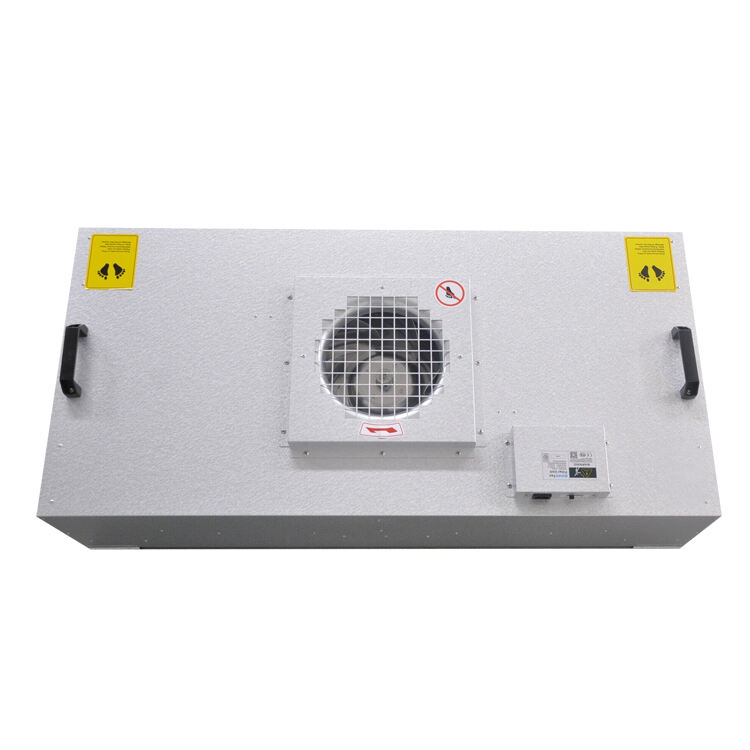
FFU Filter Systems: Advanced Air Purification Solutions for Cleanroom Applications

All Categories

Get a Free Quote

Our representative will contact you soon.
Email
Name
Company Name
Attachment
Please upload at least an attachment
Up to 3 files,more 30mb,suppor jpg、jpeg、png、pdf、doc、docx、xls、xlsx、csv、txt
Message
0/1000

Get a Free Quote

Our representative will contact you soon.
Email
Name
Company Name
Attachment
Please upload at least an attachment
Up to 3 files,more 30mb,suppor jpg、jpeg、png、pdf、doc、docx、xls、xlsx、csv、txt
Message
0/1000

ffu filter

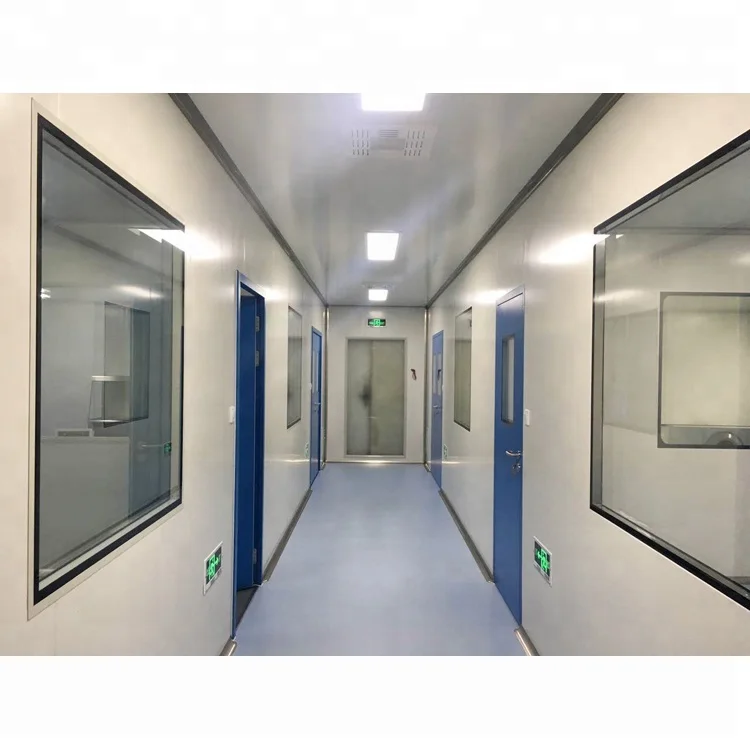
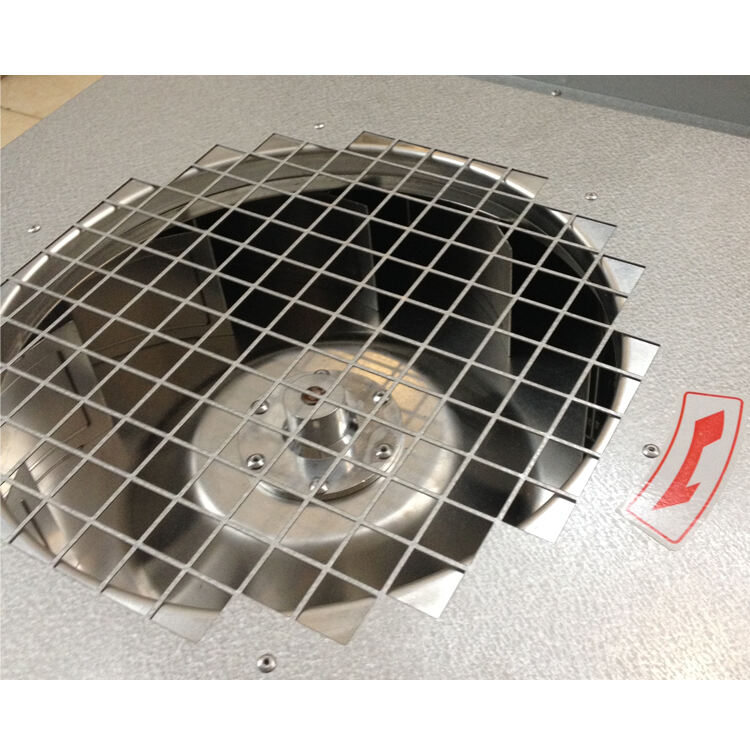
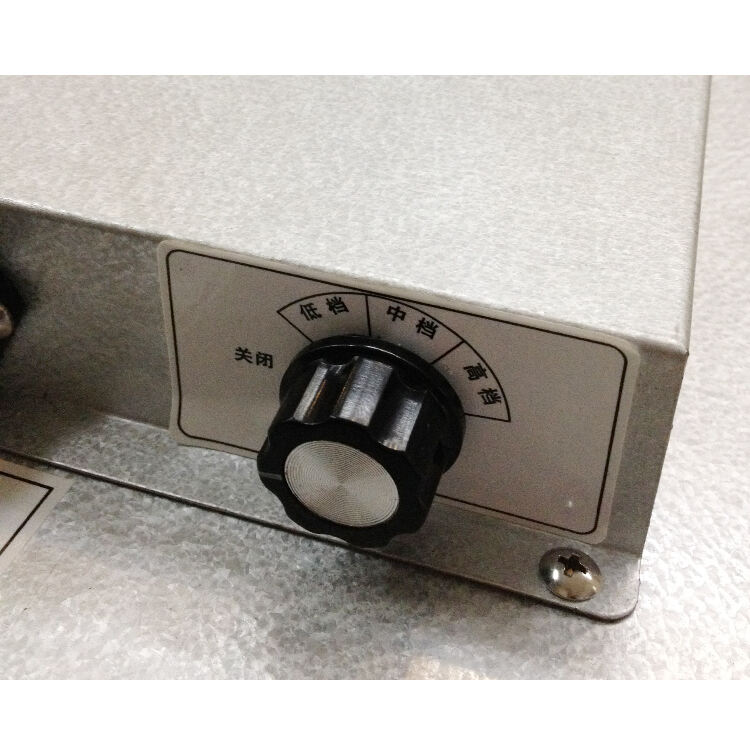
An FFU filter, which stands for Fan Filter Unit, represents a sophisticated air purification system that combines a motorized fan with high-efficiency filtration technology to deliver clean, filtered air in controlled environments. This integrated system serves as a critical component in maintaining air quality standards across various industrial and commercial applications. The FFU filter operates by drawing ambient air through its filtration media using a built-in fan mechanism, then distributing the purified air evenly across the designated space. The core technological feature of an FFU filter lies in its HEPA or ULPA filtration capability, which can capture particles as small as 0.3 microns with efficiency rates exceeding 99.97 percent. The unit typically consists of a housing structure, a high-efficiency particulate air filter, a variable-speed fan, and an electrical control system that allows for precise airflow adjustment. Modern FFU filter systems incorporate advanced features such as energy-efficient EC motors, intelligent monitoring capabilities, and modular designs that facilitate easy installation and maintenance. The applications of FFU filter technology span numerous industries where air purity is paramount. In pharmaceutical manufacturing facilities, these units maintain sterile conditions necessary for drug production and packaging. Electronics manufacturing plants rely on FFU filter systems to create particle-free environments essential for semiconductor fabrication and precision assembly operations. Healthcare facilities utilize these units in operating rooms, isolation wards, and laboratory spaces to prevent contamination and protect patient safety. Food processing industries implement FFU filter technology to meet stringent hygiene standards and extend product shelf life. Research laboratories, biotechnology facilities, and aerospace manufacturing operations also depend on FFU filter systems to maintain controlled atmospheric conditions. The versatility of the FFU filter makes it adaptable to various ceiling grid systems, including standard T-bar configurations and custom installations, providing flexibility in cleanroom design and retrofit projects.


New Product Releases

The FFU filter delivers substantial benefits that directly impact operational efficiency and cost management for businesses requiring controlled air environments. One primary advantage is the significant reduction in energy consumption compared to traditional centralized air handling systems. The localized nature of FFU filter units means that cooling and filtration occur precisely where needed, eliminating the energy waste associated with conditioning and transporting air through extensive ductwork. This targeted approach can reduce energy costs by up to 40 percent in typical cleanroom applications, translating to substantial savings over the system's operational lifetime. The modular design of FFU filter systems provides exceptional flexibility for facility expansion and reconfiguration. Unlike fixed ductwork systems that require extensive renovation when production needs change, FFU filter units can be easily relocated, added, or removed to accommodate evolving manufacturing requirements. This adaptability protects capital investments and reduces downtime during facility modifications. Installation simplicity represents another compelling advantage, as FFU filter units mount directly into ceiling grid systems without requiring complex ductwork fabrication or structural modifications. This straightforward installation process reduces initial construction costs and accelerates project timelines, allowing facilities to become operational more quickly. Maintenance accessibility is greatly enhanced with FFU filter technology, as each unit operates independently and can be serviced without shutting down entire air handling systems. Technicians can replace filters, inspect components, and perform routine maintenance on individual units while surrounding areas continue normal operations, minimizing production interruptions and maintaining consistent output. The distributed architecture of FFU filter systems also provides superior redundancy compared to centralized systems. If one unit experiences a malfunction, the remaining units continue operating, preventing complete system failures that could compromise product quality or halt production entirely. This built-in redundancy enhances operational reliability and reduces risk exposure. Air distribution uniformity is markedly improved with FFU filter installations, as each unit delivers filtered air directly to its coverage area, creating consistent laminar flow patterns that prevent particle accumulation and ensure uniform cleanliness throughout the controlled space. The individual control capability of FFU filter units allows operators to adjust airflow rates in specific zones based on actual contamination risks and process requirements, optimizing performance while avoiding unnecessary energy expenditure in areas with lower cleanliness demands. Modern FFU filter systems incorporate intelligent monitoring features that provide real-time performance data, enabling predictive maintenance strategies that prevent unexpected failures and extend equipment lifespan while maintaining optimal filtration efficiency throughout the operational cycle.

Tips And Tricks

How to Maintain Clean Air Systems to Meet ISO Standards

21

Oct

How to Maintain Clean Air Systems to Meet ISO Standards

Essential Guidelines for Industrial Air Quality Management In today's industrial landscape, maintaining clean air systems has become a critical requirement for operational excellence and regulatory compliance. Modern facilities must adhere to stringe...
View More
What Are the Benefits of Modular Air Handling Units

02

Dec

What Are the Benefits of Modular Air Handling Units

Modern industrial facilities and commercial buildings face increasingly complex air quality challenges that require sophisticated yet adaptable solutions. Traditional HVAC systems often fall short when facilities need to expand, modify operations, or...
View More
What Are the Applications of Clean Air Systems in Pharmaceuticals

02

Dec

What Are the Applications of Clean Air Systems in Pharmaceuticals

The pharmaceutical industry operates under stringent regulatory requirements where product quality, safety, and efficacy are paramount. Contamination control represents one of the most critical aspects of pharmaceutical manufacturing, making clean ai...
View More
What Industries Require High-Performance Clean Benches

02

Dec

What Industries Require High-Performance Clean Benches

Modern manufacturing and research facilities across numerous industries depend on contamination-free environments to ensure product quality, safety, and compliance with stringent regulations. Clean benches have become essential equipment in these con...
View More

Get a Free Quote

Our representative will contact you soon.
Email
Name
Company Name
Attachment
Please upload at least an attachment
Up to 3 files,more 30mb,suppor jpg、jpeg、png、pdf、doc、docx、xls、xlsx、csv、txt
Message
0/1000

ffu filter

Advanced Filtration Technology for Maximum Particle Removal

Advanced Filtration Technology for Maximum Particle Removal

The FFU filter employs cutting-edge filtration technology that sets new standards for air purification in controlled environments. At the heart of this system lies a high-efficiency particulate air filter constructed from ultra-fine glass fiber media arranged in a pleated configuration to maximize surface area while maintaining compact dimensions. This sophisticated filter media captures contaminants through multiple mechanisms, including interception, impaction, and diffusion, ensuring comprehensive particle removal across a wide size spectrum. The filtration efficiency of an FFU filter reaches exceptional levels, with HEPA-grade units achieving 99.97 percent capture rates for particles measuring 0.3 microns, while ULPA configurations can attain 99.9995 percent efficiency for even smaller particles down to 0.12 microns. This extraordinary performance makes FFU filter systems indispensable in applications where even microscopic contamination can compromise product quality or process outcomes. The filter construction incorporates specialized sealant systems and gasket designs that eliminate bypass leakage, ensuring that all air passing through the unit undergoes complete filtration without any unfiltered air escaping around the filter edges. The pleated design of the filter media provides an extensive filtration surface within a relatively compact footprint, which translates to lower air resistance and reduced energy requirements for the fan motor while maintaining high airflow volumes. This efficiency balance allows FFU filter units to deliver substantial air changes per hour without excessive power consumption. The filter media itself is engineered to resist moisture absorption and microbial growth, maintaining structural integrity and filtration performance even in humid environments or applications involving chemical exposure. Advanced FFU filter models incorporate antimicrobial treatments on the filter media that actively inhibit bacterial and fungal colonization, preventing the filter itself from becoming a contamination source. The longevity of FFU filter media is enhanced through optimized pleat geometry and robust support structures that prevent media collapse under continuous airflow pressure, extending service intervals and reducing replacement frequency. Many FFU filter systems now feature filter condition monitoring capabilities that track pressure differential across the filter media, providing advance warning when replacement becomes necessary and preventing performance degradation that could compromise air quality. This proactive monitoring approach eliminates guesswork from maintenance scheduling and ensures consistent filtration performance throughout the filter's operational life.
Energy-Efficient Operation with Intelligent Control Systems

Energy-Efficient Operation with Intelligent Control Systems

The FFU filter incorporates sophisticated energy management features that dramatically reduce operational costs while maintaining superior air quality standards. Modern FFU filter units utilize electronically commutated motors that deliver exceptional energy efficiency compared to traditional AC motor designs, consuming up to 50 percent less electricity while providing equivalent or superior airflow performance. These EC motors maintain consistent performance across varying load conditions and offer precise speed control that allows operators to fine-tune airflow rates to match specific application requirements. The intelligent control systems integrated into advanced FFU filter units enable dynamic adjustment of fan speeds based on real-time contamination monitoring, occupancy patterns, and production schedules. This adaptive operation ensures that the system provides maximum filtration when needed while reducing energy consumption during periods of lower contamination risk or facility inactivity. The control architecture supports multiple programming modes, including scheduled operation, demand-based adjustment, and manual override capabilities, providing operational flexibility that accommodates diverse facility requirements. Network connectivity features in contemporary FFU filter systems allow centralized monitoring and control of multiple units through building management systems or dedicated cleanroom control platforms. This integration capability enables facility managers to optimize performance across entire installations, identify underperforming units, track energy consumption patterns, and implement coordinated control strategies that maximize efficiency while maintaining required cleanliness levels. The variable speed capability of FFU filter motors provides significant energy savings compared to constant-speed designs, as the system can reduce airflow during periods when full capacity is unnecessary, with energy consumption decreasing exponentially as fan speed decreases. The soft-start functionality incorporated in modern FFU filter controls eliminates the high inrush currents associated with motor startup, reducing electrical demand charges and extending motor lifespan by minimizing mechanical stress during startup cycles. Advanced FFU filter systems feature power factor correction circuitry that improves electrical efficiency and reduces reactive power consumption, further lowering energy costs and reducing the burden on facility electrical infrastructure. The low-voltage DC operation of EC motor-equipped FFU filter units enhances electrical safety and simplifies integration with backup power systems, ensuring continued operation during utility interruptions. Thermal management features in quality FFU filter designs dissipate motor heat efficiently, preventing temperature buildup that could affect filtration performance or reduce component longevity, while maintaining stable operation even in demanding continuous-duty applications.
Modular Design for Flexible Installation and Easy Maintenance

Modular Design for Flexible Installation and Easy Maintenance

The FFU filter features a modular construction philosophy that revolutionizes cleanroom design and maintenance practices by providing unprecedented flexibility and accessibility. The self-contained nature of each FFU filter unit eliminates the need for extensive ductwork infrastructure, allowing facilities to implement distributed air handling architectures that adapt easily to changing production requirements and facility layouts. This modular approach enables phased construction strategies where cleanroom capacity can be expanded incrementally as business needs grow, protecting capital investments and avoiding the overbuilding that often occurs with traditional centralized systems. The standardized dimensions of FFU filter units ensure compatibility with common ceiling grid systems, including 2x4 foot and 2x2 foot configurations, facilitating straightforward integration into both new construction and retrofit applications. The lightweight construction of modern FFU filter units simplifies handling and installation, reducing labor requirements and allowing smaller installation teams to complete projects efficiently. The plug-and-play electrical connectivity featured in many FFU filter designs further streamlines installation by eliminating complex wiring procedures and reducing the specialized electrical expertise required for system commissioning. The accessibility advantages of FFU filter systems become particularly evident during maintenance operations, as each unit can be serviced independently without affecting surrounding areas or requiring system-wide shutdowns. Filter replacement procedures are simplified through tool-free access panels and intuitive filter retention mechanisms that allow maintenance personnel to complete changes quickly and safely. The distributed architecture of FFU filter installations provides inherent redundancy that maintains air quality even when individual units are offline for service, ensuring continuous production capability and preventing costly interruptions. The modular nature of FFU filter systems also facilitates targeted upgrades, allowing facilities to implement improved filtration technologies or enhanced control features on specific units without requiring wholesale system replacement. This upgrade flexibility protects long-term investments and enables facilities to adopt new technologies as they become available. The standardized components used in quality FFU filter designs ensure parts availability and interchangeability, reducing inventory requirements and simplifying spare parts management. The individual unit architecture of FFU filter systems enables precise contamination control zoning, where different areas can maintain distinct cleanliness classifications based on specific process requirements, optimizing both performance and operational costs by avoiding unnecessary over-specification of air quality in areas where lower classifications are acceptable. The ceiling-mounted configuration of FFU filter units maximizes usable floor space in cleanroom environments, eliminating the equipment rooms and mechanical chases required by traditional air handling systems and providing greater flexibility for production equipment layout and workflow optimization.

Get a Free Quote

Our representative will contact you soon.
Email
Name
Company Name
Attachment
Please upload at least an attachment
Up to 3 files,more 30mb,suppor jpg、jpeg、png、pdf、doc、docx、xls、xlsx、csv、txt
Message
0/1000

Get a Free Quote

Our representative will contact you soon.
Email
Name
Company Name
Attachment
Please upload at least an attachment
Up to 3 files,more 30mb,suppor jpg、jpeg、png、pdf、doc、docx、xls、xlsx、csv、txt
Message
0/1000