Fan Filter Unit Design: Advanced Air Filtration Solutions for Clean Environments

All Categories

Get a Free Quote

Our representative will contact you soon.
Email
Name
Company Name
Attachment
Please upload at least an attachment
Up to 3 files,more 30mb,suppor jpg、jpeg、png、pdf、doc、docx、xls、xlsx、csv、txt
Message
0/1000

Get a Free Quote

Our representative will contact you soon.
Email
Name
Company Name
Attachment
Please upload at least an attachment
Up to 3 files,more 30mb,suppor jpg、jpeg、png、pdf、doc、docx、xls、xlsx、csv、txt
Message
0/1000

fan filter unit design

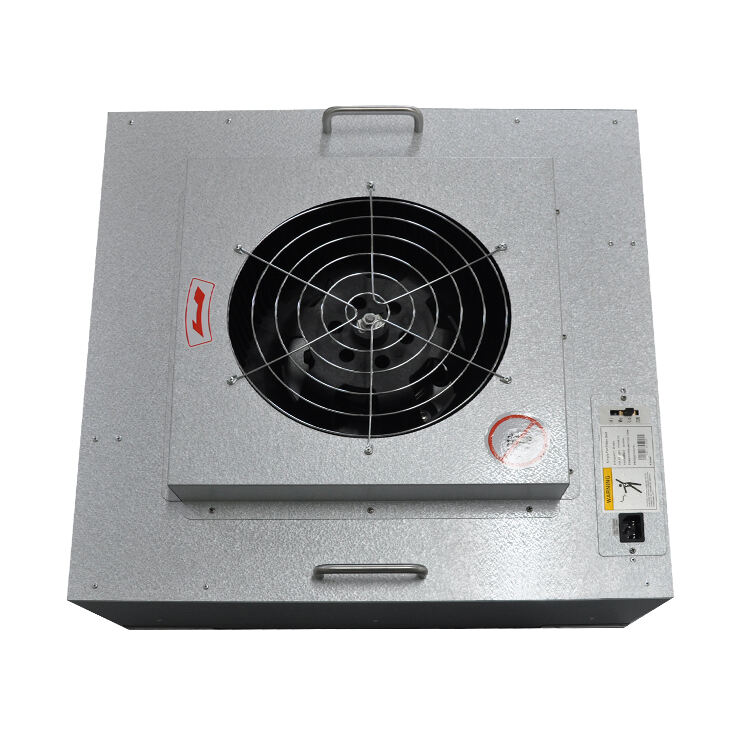
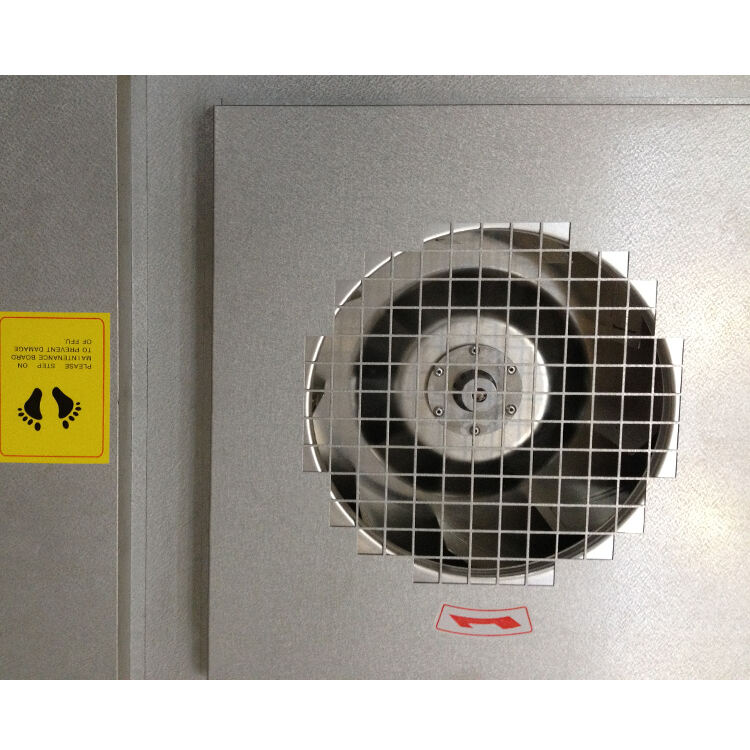
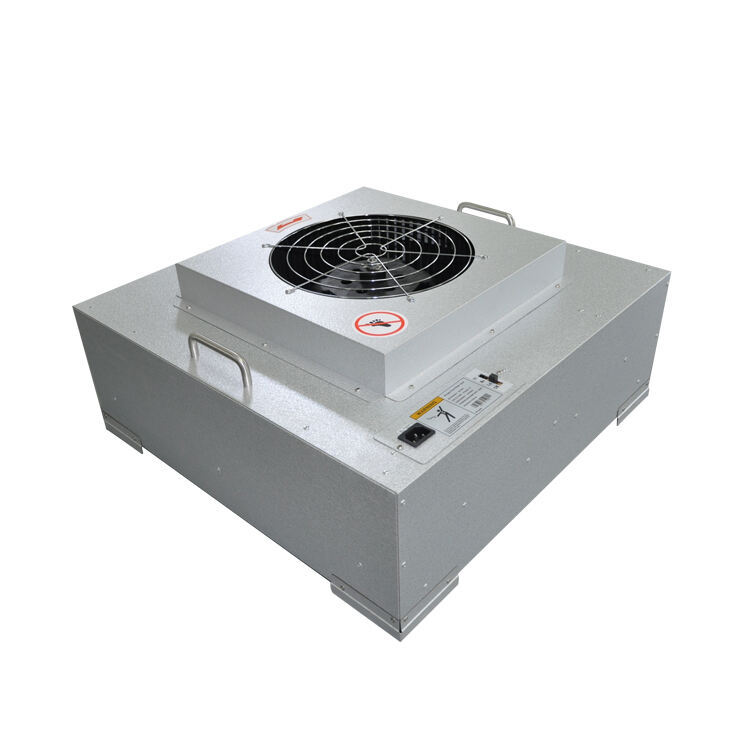
A fan filter unit design represents a sophisticated air filtration system that combines mechanical ventilation with high-efficiency particulate filtration technology. This integrated solution serves as a critical component in maintaining controlled environments where air quality directly impacts operational success and product integrity. The design incorporates a motorized fan assembly paired with specialized filtration media, creating a self-contained unit that actively draws ambient air through filters before distributing clean air into designated spaces. Modern fan filter unit design prioritizes energy efficiency while delivering consistent airflow patterns that meet stringent cleanliness standards across various industrial and commercial applications. The fundamental architecture consists of a housing structure that securely holds both the fan mechanism and filter elements, ensuring proper sealing to prevent contamination bypass. Advanced fan filter unit design models feature variable speed controls, allowing operators to adjust airflow rates according to specific environmental requirements and occupancy levels. The filtration component typically employs HEPA or ULPA filters capable of capturing particles as small as 0.3 microns with efficiency ratings exceeding 99.97 percent. This level of filtration performance makes the fan filter unit design indispensable in environments where even microscopic contaminants pose significant risks. The modular nature of contemporary fan filter unit design facilitates straightforward installation into ceiling grids or wall-mounted configurations, adapting seamlessly to existing infrastructure without requiring extensive modifications. Manufacturers engineer these units with consideration for maintenance accessibility, incorporating features that simplify filter replacement procedures and reduce downtime during servicing intervals. The operational principle behind fan filter unit design relies on creating positive pressure differentials that prevent unfiltered air from entering protected zones, establishing reliable contamination control barriers that safeguard sensitive processes and products from environmental pollutants.

New Product Recommendations

The primary advantage of implementing a fan filter unit design lies in its ability to deliver consistent, reliable air purification without requiring complex ductwork installations that traditional HVAC systems demand. This standalone functionality translates into substantial cost savings during initial setup phases, as facilities avoid expensive duct fabrication and installation labor while gaining flexibility in equipment placement. Organizations benefit from reduced energy consumption compared to centralized air handling systems because fan filter unit design operates on a localized basis, conditioning only the air within specific zones rather than entire buildings. This targeted approach eliminates the energy waste associated with heating, cooling, and filtering air for unoccupied or less critical areas. The compact footprint of fan filter unit design solutions maximizes usable floor space, a crucial consideration in facilities where every square foot contributes to production capacity or operational efficiency. Maintenance procedures become significantly more manageable with fan filter unit design implementations, as technicians can service individual units without disrupting operations across entire facilities. This modularity ensures business continuity during routine maintenance cycles and emergency repairs, minimizing productivity losses that accompany system-wide shutdowns. The scalability inherent in fan filter unit design allows organizations to expand their clean air coverage incrementally, matching infrastructure investments with actual growth rather than overbuilding capacity based on uncertain future projections. Facilities gain precise control over environmental conditions in different zones, accommodating varying cleanliness requirements across multiple production areas or research spaces within the same building. The fan filter unit design approach supports rapid deployment scenarios where temporary clean environments become necessary for special projects, seasonal production increases, or emergency response situations. Installation timelines shrink dramatically compared to traditional systems, enabling facilities to achieve operational readiness within days rather than weeks or months. The self-contained nature of fan filter unit design eliminates cross-contamination risks between different areas, as each unit operates independently without shared air pathways that could transfer pollutants from one zone to another. Organizations appreciate the straightforward troubleshooting process when issues arise, as problems isolate to individual units rather than cascading through interconnected systems. The fan filter unit design delivers measurable improvements in product quality by maintaining stable particulate counts that prevent defects caused by airborne contamination during manufacturing processes. Workers experience healthier environments with reduced exposure to allergens, dust, and other airborne irritants, contributing to improved comfort levels and potentially lower absenteeism rates. The predictable performance characteristics of fan filter unit design enable accurate environmental monitoring and documentation, supporting compliance with regulatory standards and quality management system requirements that govern many industries.

Practical Tips

What Are the Key Components of an Effective Clean Air System

21

Oct

What Are the Key Components of an Effective Clean Air System

Understanding Modern Clean Air Technologies and Their Impact A well-designed clean air system serves as the foundation for maintaining optimal indoor air quality in both residential and commercial spaces. As we spend approximately 90% of our time ind...
View More
How to Maintain Clean Air Systems to Meet ISO Standards

21

Oct

How to Maintain Clean Air Systems to Meet ISO Standards

Essential Guidelines for Industrial Air Quality Management In today's industrial landscape, maintaining clean air systems has become a critical requirement for operational excellence and regulatory compliance. Modern facilities must adhere to stringe...
View More
How to Install Clean Panels Without Contaminating Environments

21

Oct

How to Install Clean Panels Without Contaminating Environments

Essential Guidelines for Clean Panel Installation in Controlled Settings Clean panels represent a crucial component in controlled environments like cleanrooms, laboratories, and pharmaceutical facilities. Their proper installation is paramount for ma...
View More
What Are the Essential Equipment and Materials in a Clean Room?

05

Nov

What Are the Essential Equipment and Materials in a Clean Room?

Understanding Critical Components of Modern Clean Room Environments Clean rooms represent the pinnacle of controlled environments, where precision, cleanliness, and contamination control converge to create spaces essential for various industries. Fro...
View More

Get a Free Quote

Our representative will contact you soon.
Email
Name
Company Name
Attachment
Please upload at least an attachment
Up to 3 files,more 30mb,suppor jpg、jpeg、png、pdf、doc、docx、xls、xlsx、csv、txt
Message
0/1000

fan filter unit design

Superior Contamination Control Through Advanced Filtration Technology

Superior Contamination Control Through Advanced Filtration Technology

The fan filter unit design achieves exceptional contamination control through its integration of cutting-edge filtration technology that addresses the most demanding air quality challenges across diverse applications. At the heart of this capability lies the strategic selection and implementation of high-efficiency particulate air filters that capture contaminants with remarkable precision, removing particles that measure mere fractions of a micron in diameter. This filtration performance stems from the sophisticated media construction within fan filter unit design components, where densely packed fibers create tortuous pathways that trap particles through multiple capture mechanisms including interception, impaction, and diffusion. The engineering behind fan filter unit design ensures optimal face velocity across the filter surface, preventing the formation of dead zones where air might bypass filtration media and compromise overall system effectiveness. Manufacturers calibrate fan performance characteristics to match filter resistance profiles, creating balanced systems that maintain specified airflow rates throughout the filter service life without excessive energy consumption. The fan filter unit design incorporates pre-filtration stages in many configurations, extending the operational lifespan of primary HEPA filters by capturing larger particles before they reach the final filtration barrier. This multi-stage approach reduces replacement frequency and associated maintenance costs while ensuring consistent protection against contamination events. The sealed construction inherent in quality fan filter unit design prevents air leakage around filter frames, eliminating bypass pathways that would undermine filtration efficiency and allow unfiltered air to enter protected spaces. Testing protocols verify the integrity of each fan filter unit design before deployment, with manufacturers conducting rigorous leak tests that confirm performance specifications under actual operating conditions. The result is a contamination control solution that delivers predictable, verifiable results that organizations can depend upon for critical applications where air quality directly impacts product integrity, process reliability, and regulatory compliance outcomes.
Energy-Efficient Operation That Reduces Long-Term Operating Costs

Energy-Efficient Operation That Reduces Long-Term Operating Costs

Modern fan filter unit design prioritizes energy efficiency through intelligent engineering that minimizes power consumption while maintaining required airflow and filtration performance levels. The selection of electronically commutated motors in contemporary fan filter unit design represents a significant advancement over traditional motor technologies, delivering equivalent airflow with substantially reduced electrical demand. These efficient motors generate less waste heat, decreasing the cooling load on facility HVAC systems and creating compound energy savings that extend beyond the fan filter unit design itself. Variable speed drive integration allows fan filter unit design systems to modulate airflow rates in response to actual demand rather than operating continuously at maximum capacity regardless of occupancy or process requirements. This dynamic adjustment capability enables facilities to reduce energy consumption during periods of lower activity while maintaining full protection when operations intensify. The aerodynamic optimization of fan blade profiles and housing geometries within fan filter unit design minimizes turbulence and pressure losses, converting more electrical input into useful airflow rather than wasting energy through inefficient air movement patterns. Computational fluid dynamics modeling during the fan filter unit design development phase identifies and eliminates flow restrictions that would otherwise increase energy requirements without corresponding performance benefits. The strategic placement of fan filter unit design installations reduces the total air volume requiring conditioning, as localized treatment proves far more efficient than processing air for entire buildings when only specific zones demand stringent cleanliness standards. Facilities realize measurable reductions in utility expenses as fan filter unit design implementations replace or supplement energy-intensive centralized systems that condition vast quantities of air regardless of actual needs. The extended filter service life achieved through proper fan filter unit design engineering reduces the frequency of filter replacements, lowering both material costs and the labor expenses associated with maintenance activities. Monitoring capabilities built into advanced fan filter unit design models provide real-time feedback on energy consumption patterns, enabling facility managers to identify optimization opportunities and verify that systems operate within expected efficiency parameters throughout their service lives.
Flexible Installation Options That Adapt to Diverse Facility Requirements

Flexible Installation Options That Adapt to Diverse Facility Requirements

The versatility of fan filter unit design manifests through its remarkable adaptability to varied architectural constraints and operational requirements across different facility types and applications. Unlike rigid centralized systems that demand extensive planning and structural modifications, fan filter unit design solutions accommodate existing building layouts with minimal disruption to ongoing operations. The modular dimensions of standard fan filter unit design products align with common ceiling grid specifications, enabling drop-in installations that integrate seamlessly with suspended ceiling systems found in laboratories, cleanrooms, and manufacturing facilities. Wall-mounted fan filter unit design configurations provide alternatives for spaces where ceiling installation proves impractical due to structural limitations or aesthetic considerations. The self-contained nature of fan filter unit design eliminates dependencies on remote equipment rooms, mechanical chases, and ductwork networks that constrain layout flexibility in traditional HVAC approaches. Facilities gain the freedom to reconfigure spaces as operational needs evolve, relocating or adding fan filter unit design installations without the extensive renovation projects that ductwork modifications would require. The plug-and-play characteristics of many fan filter unit design models accelerate deployment timelines, as units arrive pre-assembled and tested, requiring only electrical connections and mounting hardware to achieve operational status. This installation simplicity proves particularly valuable in retrofit scenarios where organizations upgrade existing facilities to meet enhanced cleanliness standards without undertaking comprehensive reconstruction projects. The fan filter unit design approach supports phased implementation strategies, allowing organizations to prioritize critical areas for immediate upgrade while scheduling additional installations according to budget availability and operational priorities. Temporary installations become feasible with fan filter unit design solutions, supporting short-term projects, seasonal production increases, or emergency response situations where rapid deployment of clean air environments becomes necessary. The aesthetic integration of fan filter unit design products into visible spaces reflects thoughtful industrial design that balances functional performance with visual appeal, ensuring that equipment installations enhance rather than detract from facility appearance. Customization options within fan filter unit design product lines accommodate special requirements including non-standard dimensions, specific voltage requirements, and integration with building automation systems that coordinate environmental controls across multiple zones.


Get a Free Quote

Our representative will contact you soon.
Email
Name
Company Name
Attachment
Please upload at least an attachment
Up to 3 files,more 30mb,suppor jpg、jpeg、png、pdf、doc、docx、xls、xlsx、csv、txt
Message
0/1000

Get a Free Quote

Our representative will contact you soon.
Email
Name
Company Name
Attachment
Please upload at least an attachment
Up to 3 files,more 30mb,suppor jpg、jpeg、png、pdf、doc、docx、xls、xlsx、csv、txt
Message
0/1000