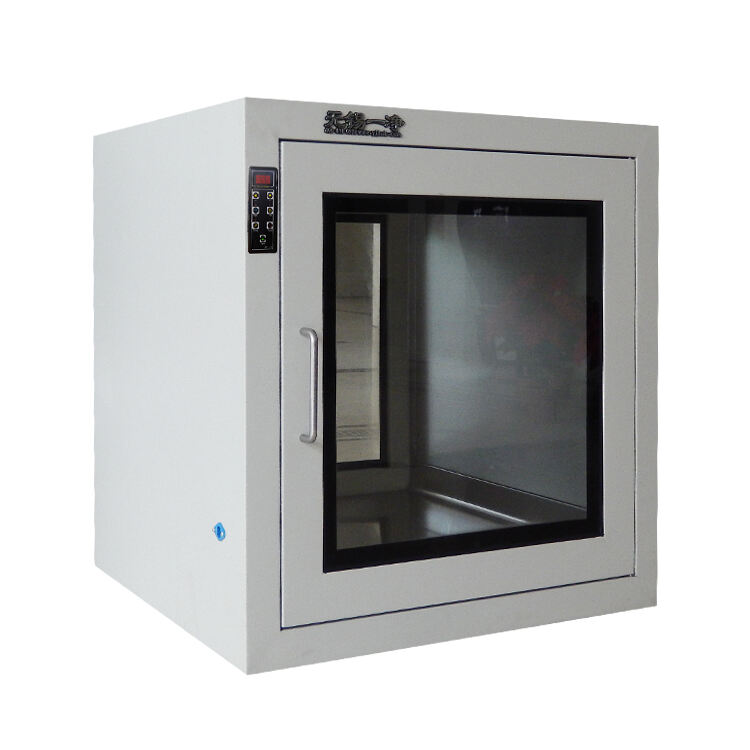
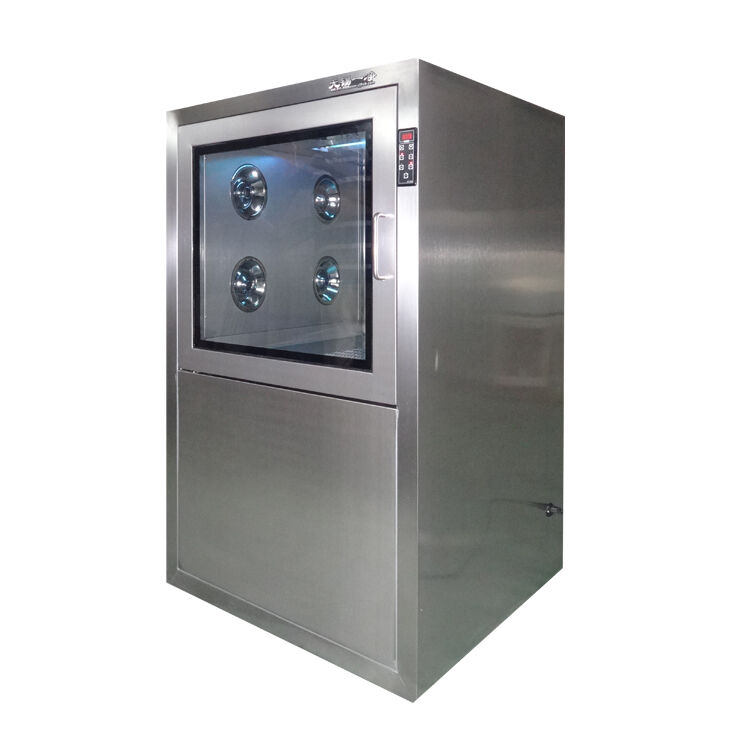
lab pass box
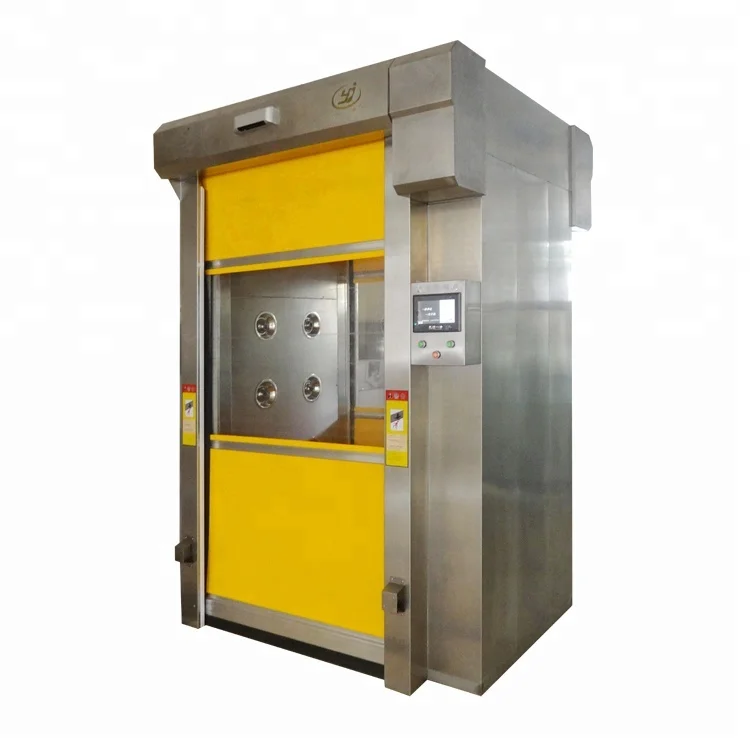
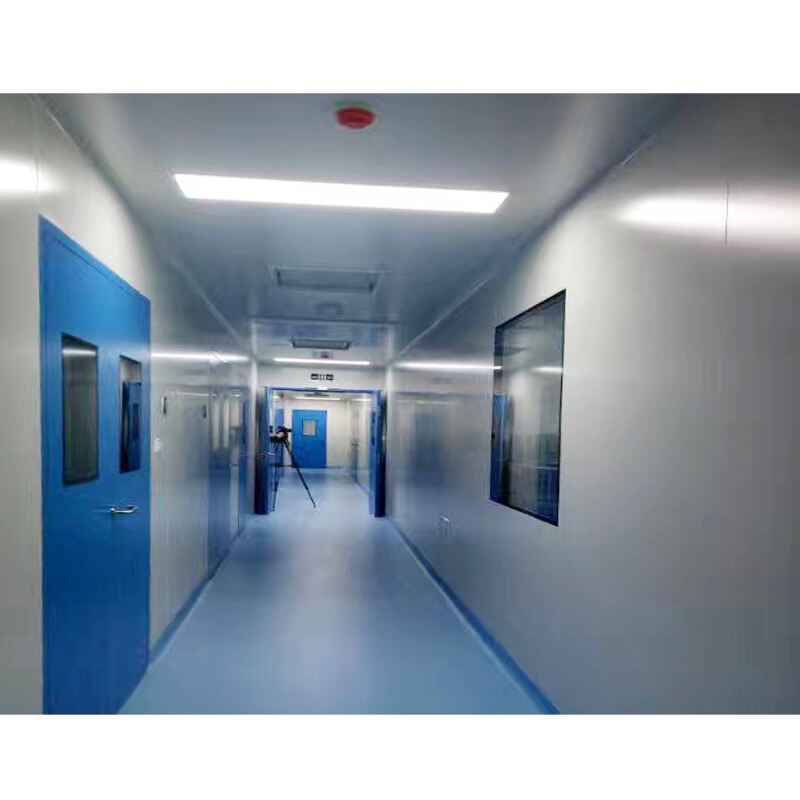
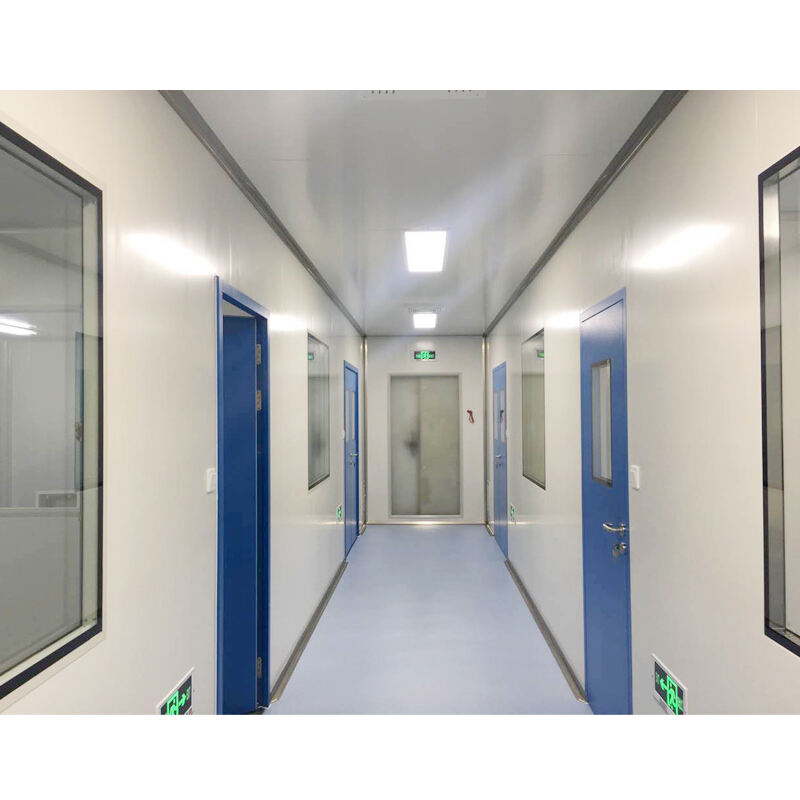
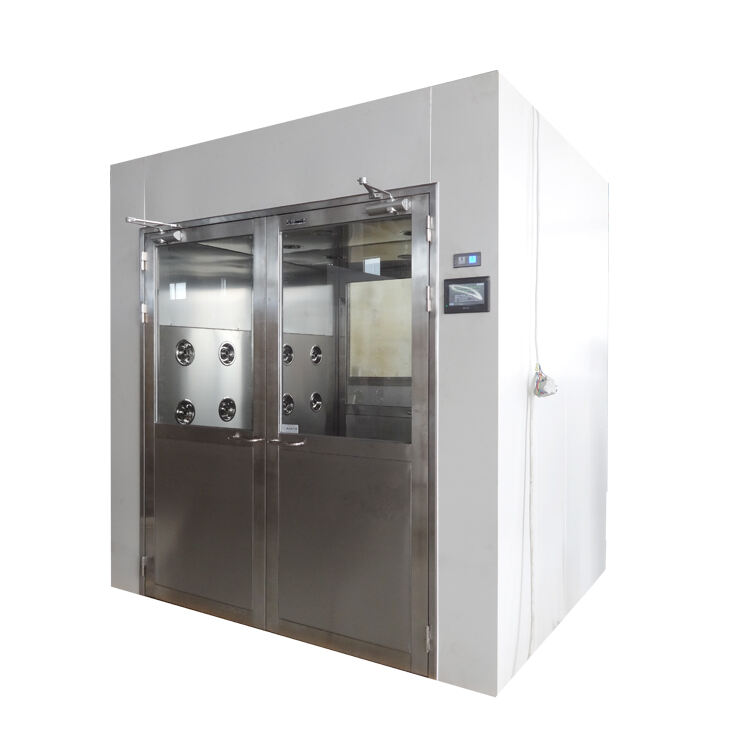
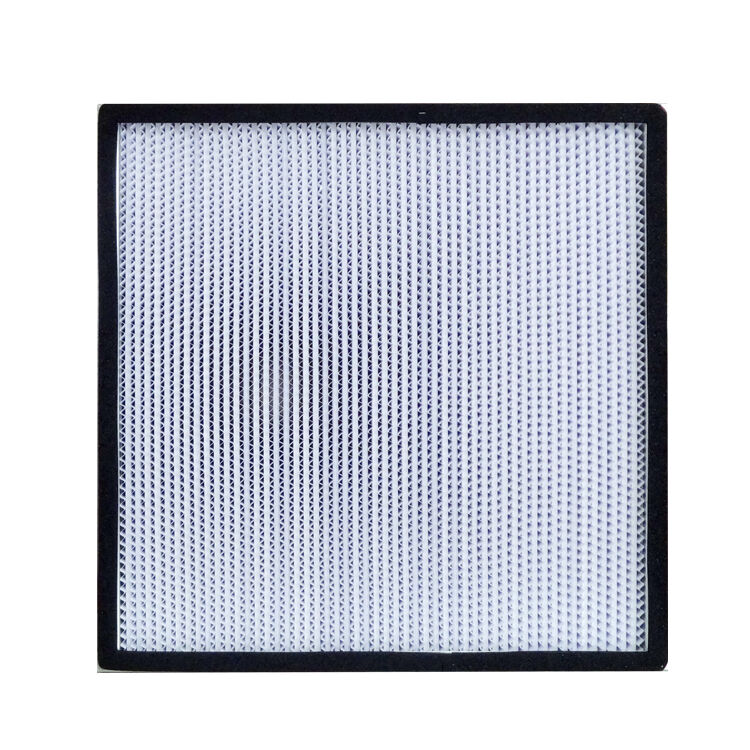
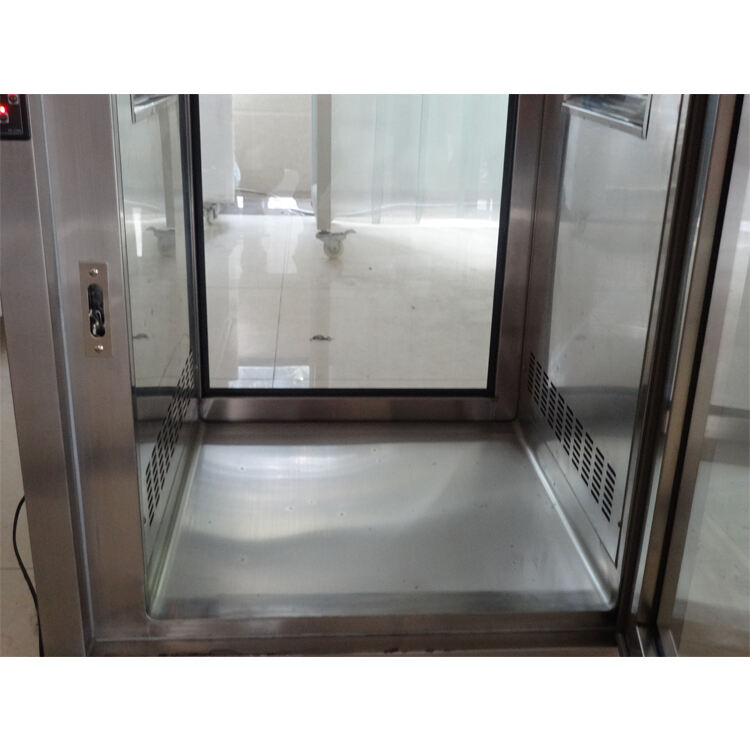
A lab pass box serves as a critical containment transfer system designed to maintain sterile barriers between controlled environments in laboratory and cleanroom settings. This specialized equipment enables the safe transfer of materials, samples, instruments, and supplies between areas with different cleanliness classifications without compromising the integrity of either space. The lab pass box functions as a physical barrier that prevents cross-contamination while facilitating workflow efficiency in pharmaceutical manufacturing facilities, biotechnology research centers, hospital laboratories, and microbiological testing environments. The primary mechanism involves a double-door interlocking system where only one door can open at a time, ensuring that the two environments never have direct contact. Modern lab pass box units incorporate advanced features such as HEPA filtration systems that continuously purify the air within the chamber, UV sterilization lamps that decontaminate surfaces and materials between transfers, and differential pressure controls that maintain proper airflow direction. The construction typically utilizes stainless steel or other non-porous materials that resist corrosion and facilitate thorough cleaning and disinfection. Electronic interlocking mechanisms prevent simultaneous door opening, while some models include programmable logic controllers that automate sterilization cycles and monitor environmental parameters. The lab pass box design accommodates various sizes and configurations, from compact benchtop units for small item transfers to floor-mounted walk-through models for larger equipment movement. Integration capabilities allow connection to building management systems for centralized monitoring and documentation of transfer activities. The versatility of the lab pass box makes it indispensable across multiple applications including aseptic processing, containment of hazardous materials, protection of sensitive samples from environmental exposure, and compliance with regulatory standards such as GMP, FDA, and ISO cleanroom classifications. These systems significantly reduce the risk of microbial contamination, particulate intrusion, and cross-contamination events that could compromise product quality, research integrity, or personnel safety in controlled environments.

 EN
EN