Regulatory Compliance Support Through Documented Performance Verification
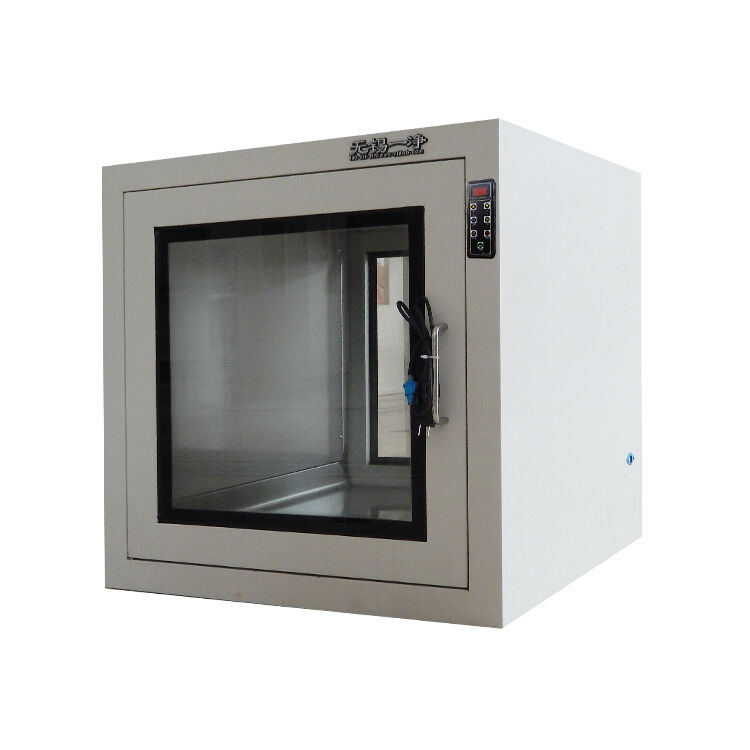
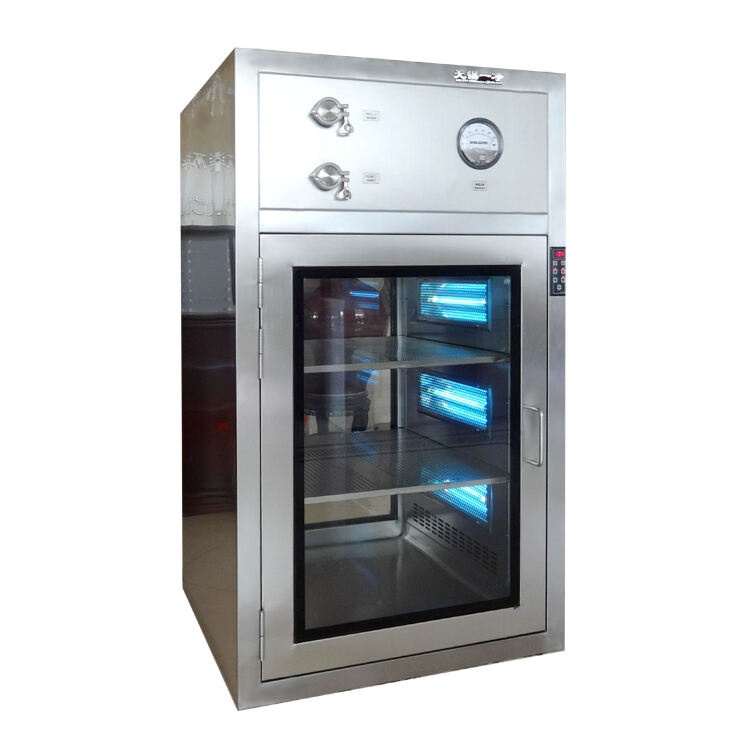
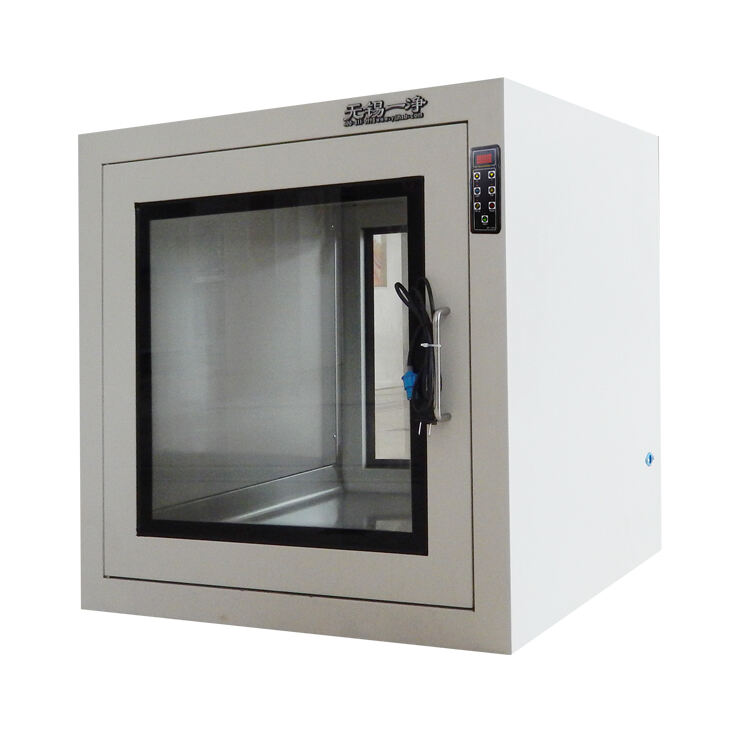
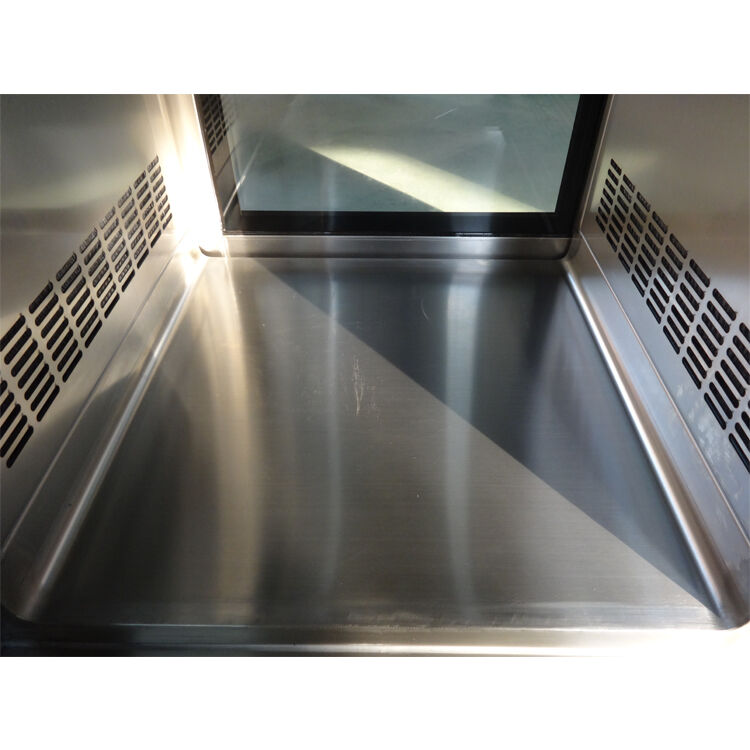
The pharmaceutical pass box provides essential infrastructure for meeting stringent regulatory requirements that govern pharmaceutical manufacturing, testing, and distribution operations. Regulatory agencies worldwide mandate rigorous environmental controls to ensure drug product safety and efficacy, with specific requirements for segregation between manufacturing areas, contamination prevention, and comprehensive documentation of quality systems. These transfer chambers directly address multiple regulatory expectations through their design characteristics and operational capabilities. The defined transfer point created by the pharmaceutical pass box establishes a controllable, validatable process step that can be incorporated into standard operating procedures and batch records. This documentation clarity helps facilities demonstrate compliance during regulatory inspections and supports the overall quality management system. Validation protocols for these units follow established guidelines, testing filter integrity through aerosol challenge tests, verifying interlock function through systematic door operation trials, and confirming sterilization effectiveness through biological indicators. The pharmaceutical pass box generates objective performance data that becomes part of the facility validation master plan and ongoing monitoring programs. Electronic monitoring systems on advanced units create automatic records of usage patterns, environmental conditions, and maintenance activities that fulfill documentation requirements without imposing additional paperwork burdens on staff. This automated data capture ensures completeness and accuracy while reducing the administrative load associated with manual record-keeping. Calibration programs for integrated sensors follow traceable standards, with certificates documenting measurement accuracy and establishing confidence in reported values. The pharmaceutical pass box supports compliance with current Good Manufacturing Practices through features that prevent mix-ups, ensure proper material identification, and maintain environmental segregation throughout transfers. Facilities can implement label verification systems, barcode scanning, or photographic documentation at transfer points to enhance traceability and prevent errors. Risk assessments conducted as part of quality system development consistently identify uncontrolled material transfer as a significant contamination pathway, making the pharmaceutical pass box a critical control measure that mitigates identified risks. The ability to demonstrate effective contamination control through routine environmental monitoring, with consistently acceptable results from samples collected within transfer chambers, provides powerful evidence of system effectiveness. During regulatory inspections, the pharmaceutical pass box represents a visible commitment to quality and contamination prevention, often receiving favorable recognition from inspectors familiar with industry best practices. The units facilitate compliance with facility design expectations detailed in regulatory guidance documents, which emphasize the importance of physical barriers between areas with different cleanliness classifications. Change control procedures become more manageable when modifications to transfer processes involve well-defined equipment with documented performance characteristics rather than informal practices that vary between personnel. The pharmaceutical pass box standardizes transfer operations across shifts and between different operators, creating consistency that regulators expect from controlled manufacturing environments. As regulations continue evolving toward more stringent requirements and greater emphasis on contamination control strategies, facilities with established transfer chamber systems find themselves better positioned to adapt without requiring fundamental infrastructure changes.

 EN
EN