pass box
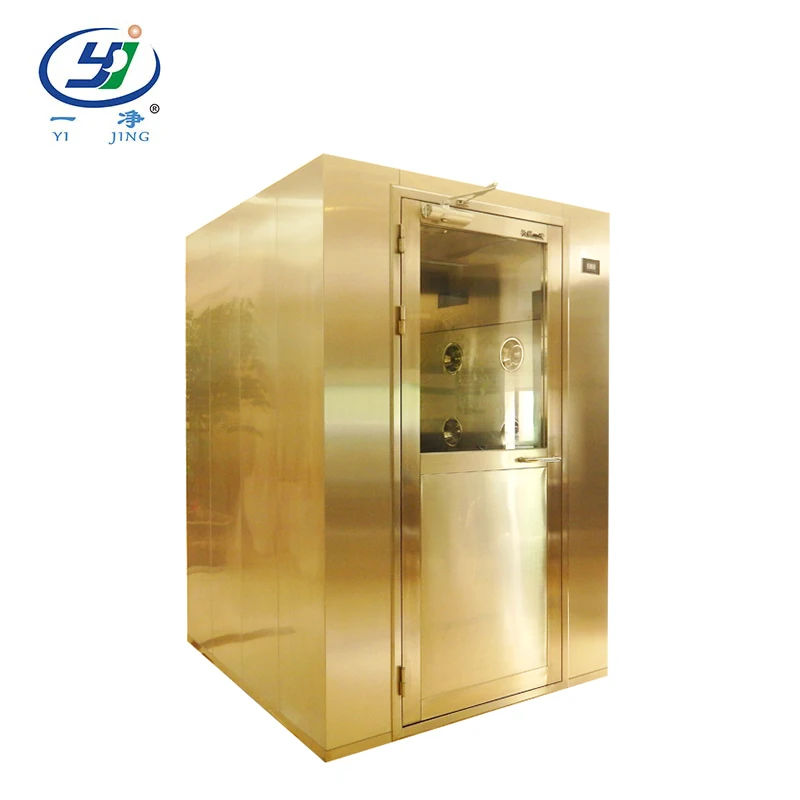
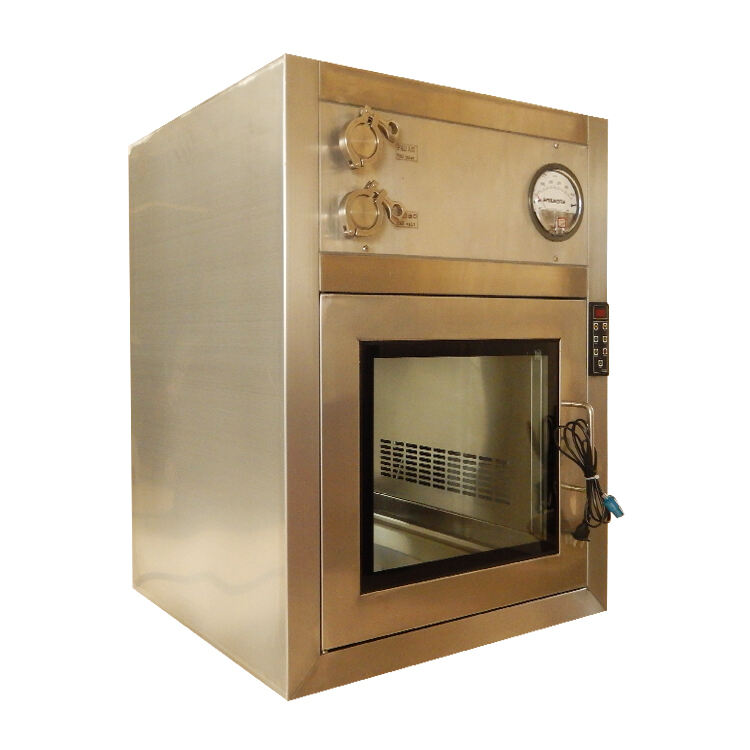
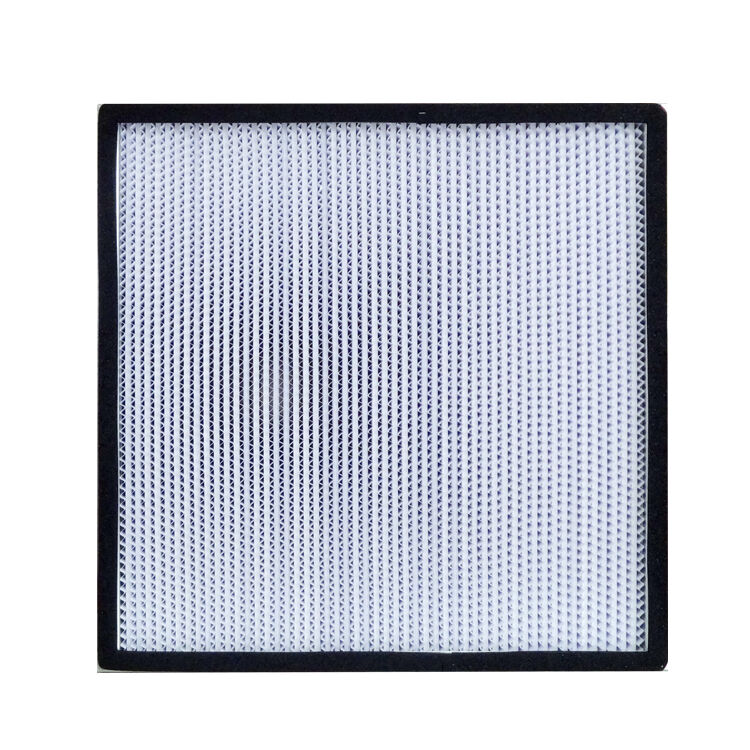
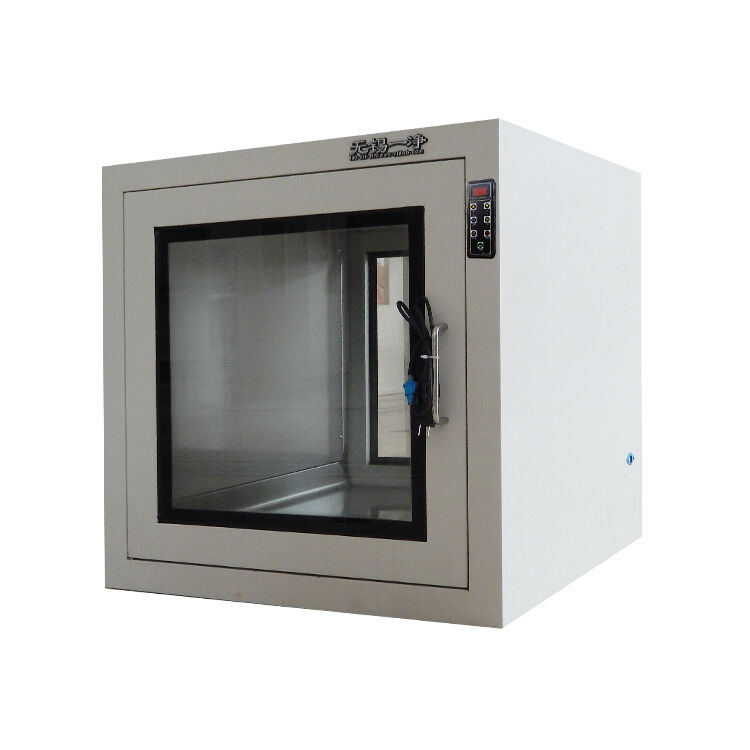
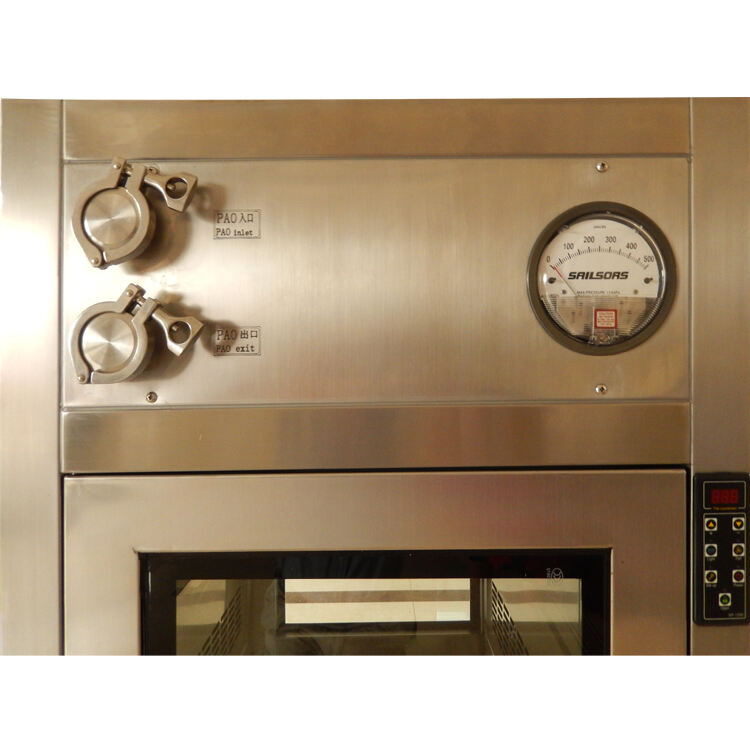
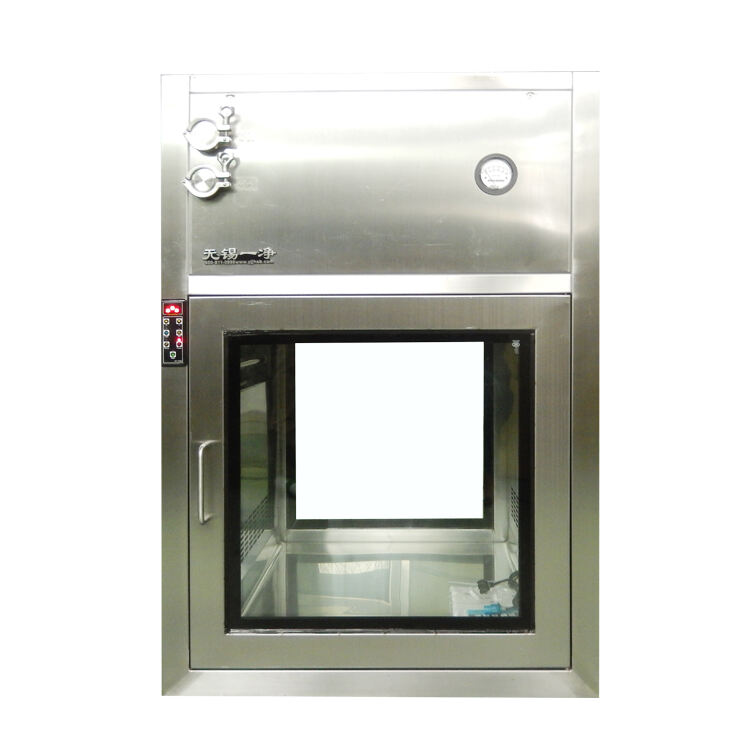
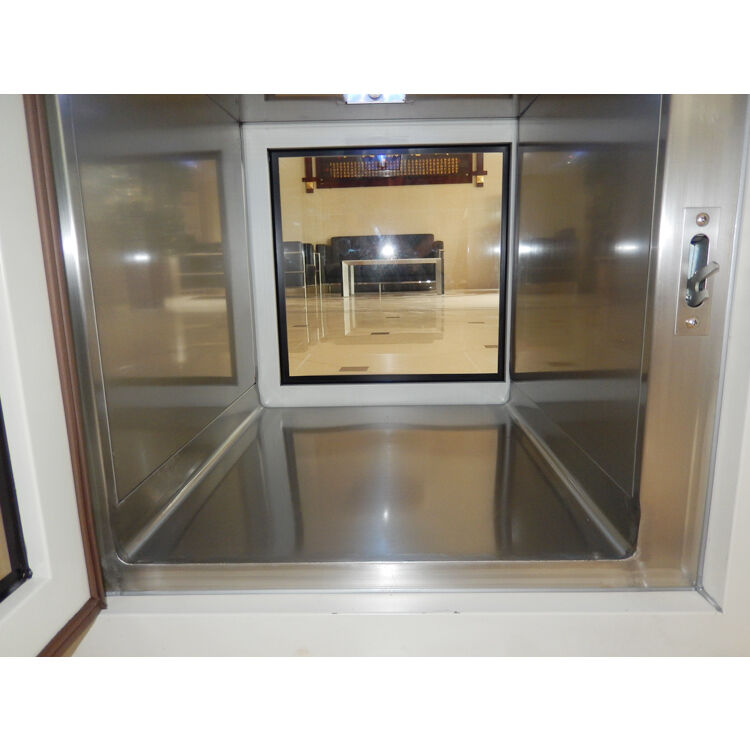
A pass box serves as a critical contamination control device designed to transfer materials between different cleanroom environments or controlled areas while maintaining strict environmental separation. This essential equipment creates a secure barrier that prevents cross-contamination during material transfer operations in pharmaceutical manufacturing facilities, biotechnology laboratories, microelectronics production sites, and healthcare institutions. The pass box operates as an enclosed chamber with interlocked doors on opposite sides, ensuring that both doors cannot open simultaneously, which effectively maintains the integrity of each connected environment. Modern pass box systems incorporate advanced filtration technology, typically featuring HEPA or ULPA filters that remove airborne particles down to 0.3 microns with 99.99 percent efficiency, guaranteeing that transferred items remain uncontaminated throughout the process. The construction of a pass box utilizes high-grade stainless steel materials, usually 304 or 316L grade, providing superior resistance to corrosion, chemical exposure, and frequent sanitization procedures. Interior surfaces feature rounded corners and crevice-free designs that eliminate potential contamination harboring points and facilitate thorough cleaning protocols. Integrated UV germicidal lamps provide an additional sterilization layer, effectively destroying microorganisms on material surfaces during transfer cycles. The interlocking mechanism represents a fundamental safety feature, utilizing mechanical, electrical, or electronic systems to prevent simultaneous door opening, thereby protecting the differential pressure requirements between adjacent cleanroom classifications. Many pass box configurations include viewing windows constructed from tempered glass or polycarbonate materials, allowing operators to monitor transfer operations without compromising environmental control. Advanced models feature differential pressure gauges, air velocity indicators, and filter condition monitoring systems that provide real-time performance data. The pass box finds applications across numerous industries where contamination control remains paramount, including pharmaceutical compounding, sterile manufacturing, hospital pharmacies, research laboratories, electronics assembly, and food processing operations requiring aseptic conditions.

 EN
EN