Pass Box Laboratory Systems: Advanced Contamination Control for Cleanrooms and Sterile Environments

All Categories

Get a Free Quote

Our representative will contact you soon.
Email
Name
Company Name
Attachment
Please upload at least an attachment
Up to 3 files,more 30mb,suppor jpg、jpeg、png、pdf、doc、docx、xls、xlsx、csv、txt
Message
0/1000

Get a Free Quote

Our representative will contact you soon.
Email
Name
Company Name
Attachment
Please upload at least an attachment
Up to 3 files,more 30mb,suppor jpg、jpeg、png、pdf、doc、docx、xls、xlsx、csv、txt
Message
0/1000

pass box laboratory

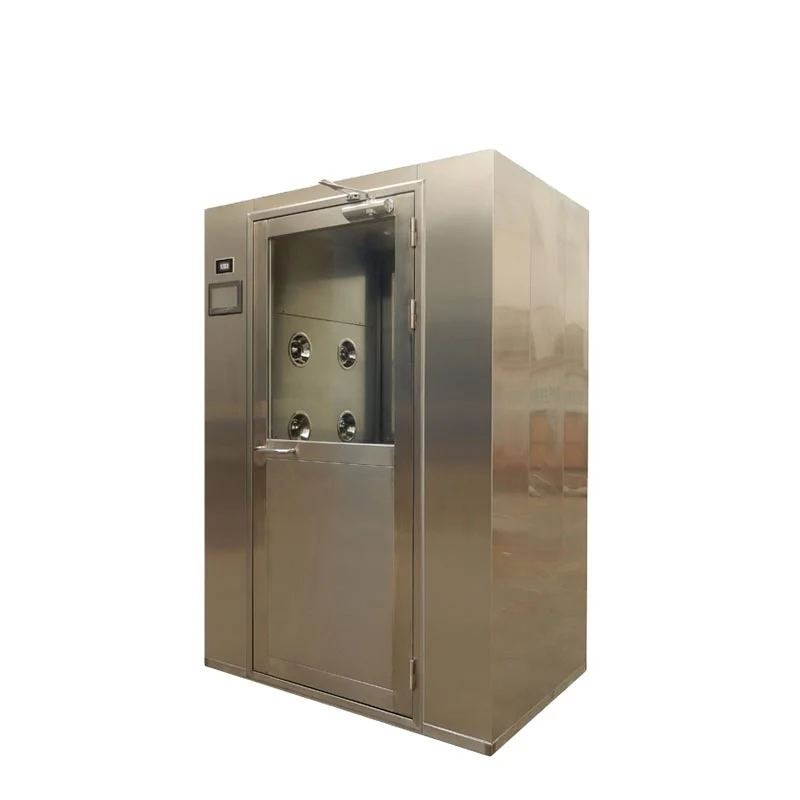
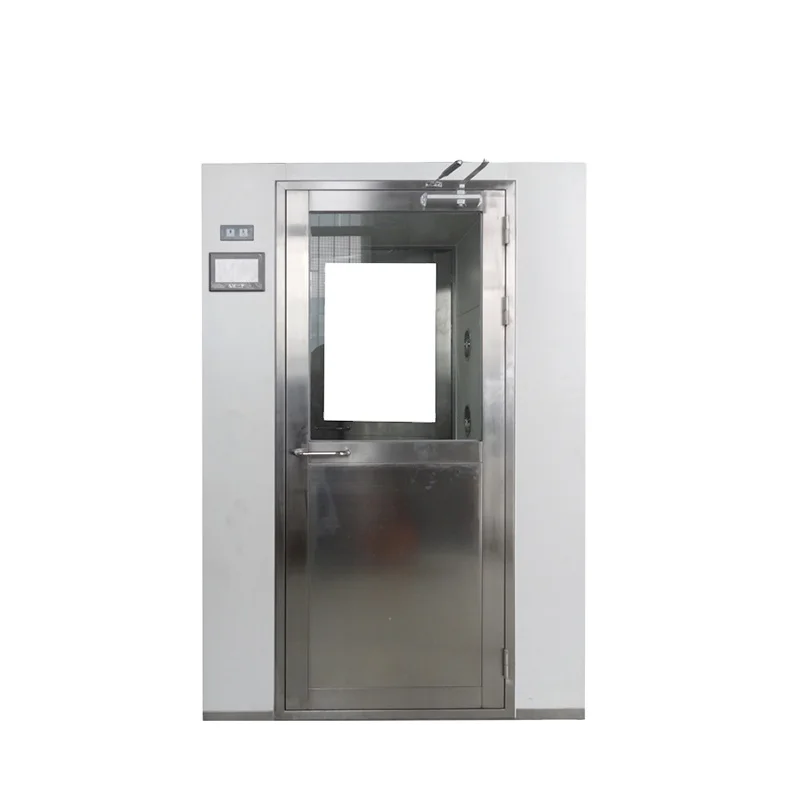
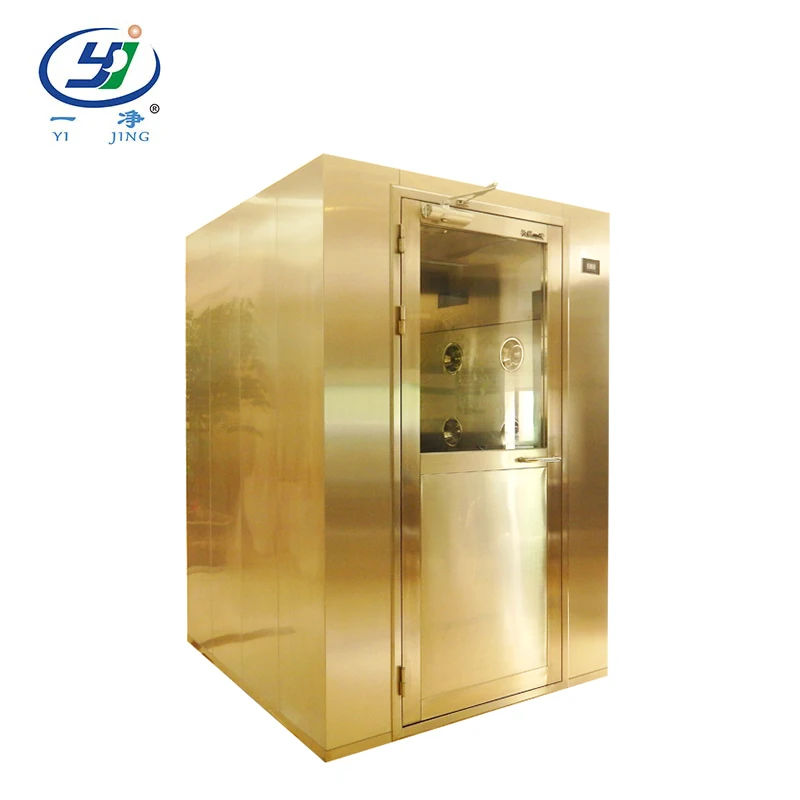
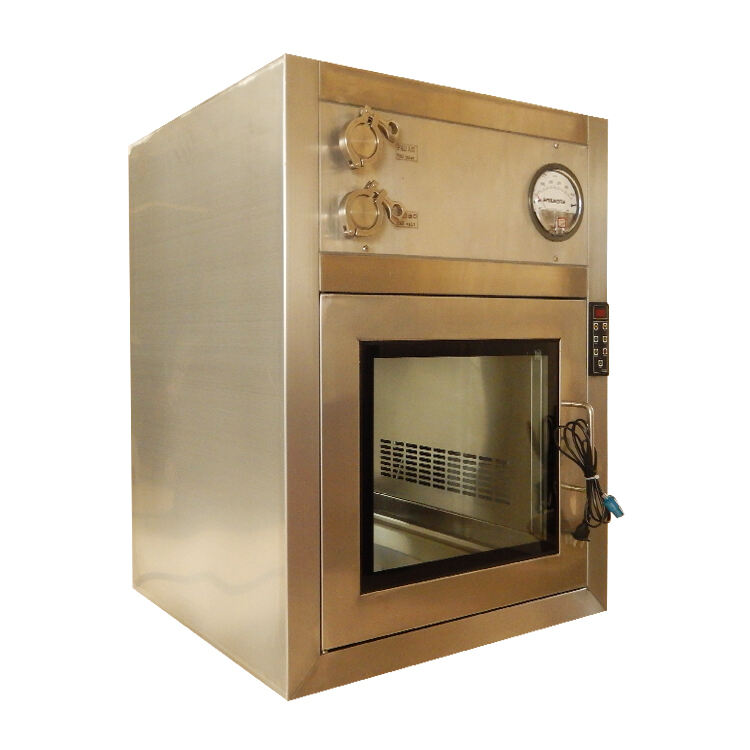
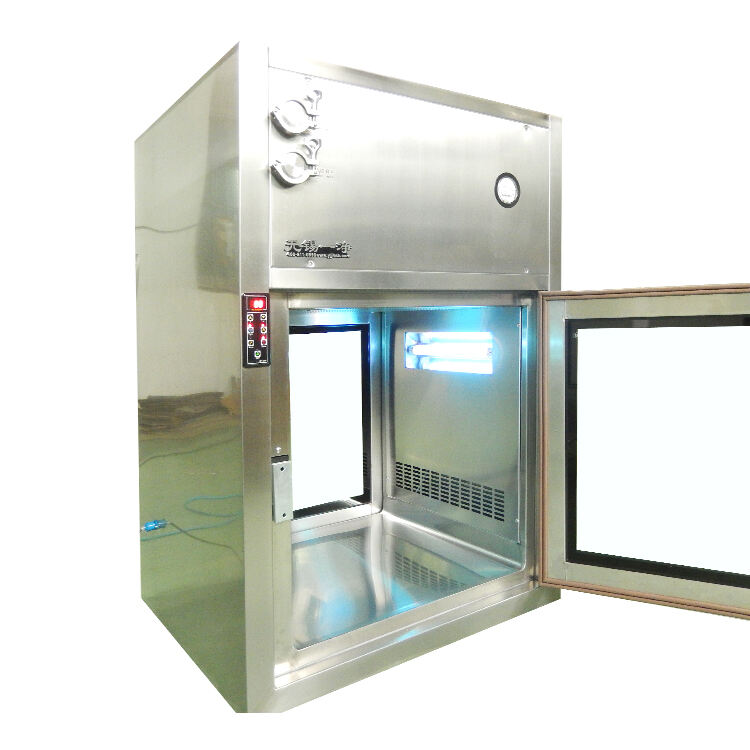
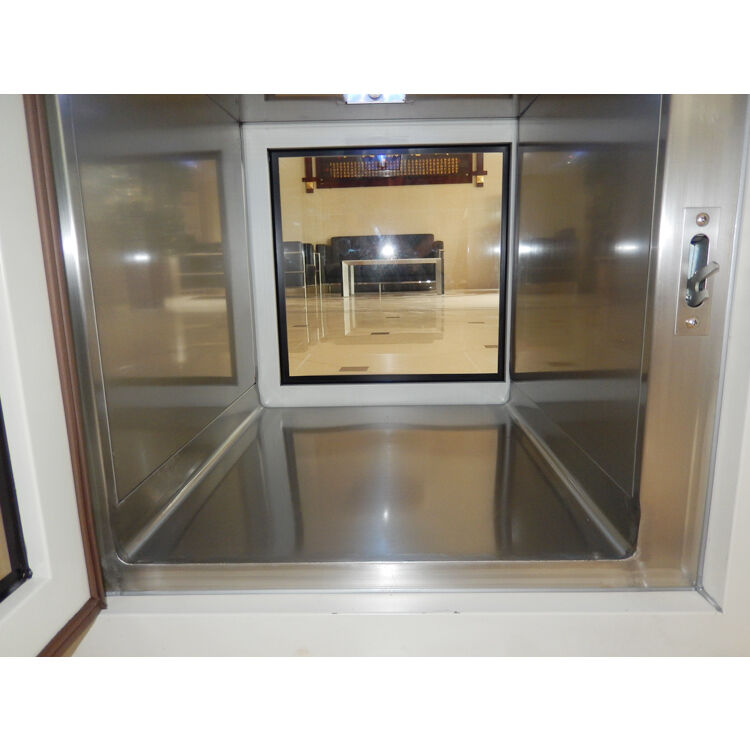
A pass box laboratory represents a critical containment transfer system designed to maintain sterile barriers between controlled environments of different cleanliness classifications. This specialized equipment serves as a secure gateway for transferring materials, samples, instruments, and supplies between cleanrooms, laboratories, and production areas without compromising environmental integrity. The pass box laboratory functions as an airlock mechanism that prevents cross-contamination while facilitating necessary material movement across zones with distinct contamination control requirements. Modern pass box laboratory installations incorporate advanced filtration systems, typically featuring HEPA or ULPA filters that capture particulates down to 0.3 microns with 99.99 percent efficiency. These units maintain positive or negative pressure differentials depending on application requirements, ensuring directional airflow that protects both the transfer process and surrounding environments. The pass box laboratory design includes interlocking door mechanisms that prevent simultaneous opening of both access points, eliminating the risk of direct air exchange between separated spaces. Constructed from stainless steel or other non-porous materials, these systems resist chemical degradation and facilitate thorough cleaning and decontamination protocols. Integration capabilities allow pass box laboratory units to connect with building management systems for monitoring pressure differentials, filter status, and operational cycles. UV sterilization lamps provide additional decontamination between transfer cycles, targeting microbial contamination on surfaces and materials. The pass box laboratory finds essential applications across pharmaceutical manufacturing, biotechnology research, hospital sterile processing departments, microelectronics fabrication, and any facility requiring stringent contamination control. Regulatory compliance with standards including ISO 14644, FDA guidelines, and GMP requirements makes the pass box laboratory indispensable for validated production environments. Customization options accommodate specific workflow requirements, with configurations ranging from compact benchtop models to large floor-mounted systems capable of transferring substantial equipment. The pass box laboratory ultimately serves as a fundamental component in comprehensive contamination control strategies, protecting product quality, research integrity, and personnel safety across diverse scientific and industrial applications.

New Product Releases

Implementing a pass box laboratory delivers substantial operational benefits that directly impact facility efficiency, product quality, and regulatory compliance. The primary advantage centers on contamination prevention, as the system creates a physical and atmospheric barrier that stops particulates, microorganisms, and chemical vapors from migrating between controlled zones. This protection proves invaluable when transferring materials from general laboratory areas into sterile production suites or cleanrooms, where even minimal contamination can compromise entire batches or experimental results. Facilities experience significant cost savings by reducing contamination incidents that would otherwise require expensive product disposal, equipment recontamination, and production downtime. The pass box laboratory streamlines workflow by eliminating the need for personnel to perform complex gowning and degowning procedures each time materials require transfer between zones. Staff can load items from one side while colleagues retrieve them from the other, maintaining productivity without sacrificing contamination control standards. This efficiency gain becomes particularly valuable in high-throughput environments where frequent material transfers would otherwise create bottlenecks. Energy conservation represents another practical benefit, as the pass box laboratory minimizes the frequency and duration of door openings in climate-controlled cleanrooms. Each door opening in a traditional cleanroom allows conditioned air to escape and unfiltered air to enter, forcing HVAC systems to work harder to restore environmental parameters. The sealed transfer process preserves temperature, humidity, and pressure specifications while reducing energy consumption. Regulatory auditors consistently recognize pass box laboratory installations as evidence of robust contamination control programs, facilitating smoother inspections and faster approval processes. The documented transfer procedures and environmental monitoring capabilities provide the traceability that regulatory bodies demand. Personnel safety improves when handling hazardous materials, as the pass box laboratory limits direct exposure during transfers of toxic compounds, infectious samples, or radioactive substances. The contained environment protects workers on both sides of the transfer point. Maintenance requirements remain minimal compared to more complex cleanroom infrastructure, with straightforward filter replacement and surface cleaning procedures that facility staff can perform without specialized training. The modular nature of pass box laboratory systems allows facilities to scale contamination control measures incrementally, adding units as production expands without requiring complete cleanroom renovations. Return on investment materializes quickly through reduced contamination rates, improved operational efficiency, lower energy costs, and enhanced regulatory standing, making the pass box laboratory a financially sound addition to any controlled environment facility.

Tips And Tricks

What Are the Essential Equipment and Materials in a Clean Room?

05

Nov

What Are the Essential Equipment and Materials in a Clean Room?

Understanding Critical Components of Modern Clean Room Environments Clean rooms represent the pinnacle of controlled environments, where precision, cleanliness, and contamination control converge to create spaces essential for various industries. Fro...
View More
What Materials Are Recommended for Pass Box Construction?

05

Nov

What Materials Are Recommended for Pass Box Construction?

Essential Materials for Modern Pass Box Manufacturing Pass boxes serve as critical components in cleanroom environments, pharmaceutical facilities, and laboratories, facilitating the secure transfer of materials between spaces while maintaining contr...
View More
What Are the Applications of Clean Air Systems in Pharmaceuticals

02

Dec

What Are the Applications of Clean Air Systems in Pharmaceuticals

The pharmaceutical industry operates under stringent regulatory requirements where product quality, safety, and efficacy are paramount. Contamination control represents one of the most critical aspects of pharmaceutical manufacturing, making clean ai...
View More
How Cleanroom Layout Planning Influences Workflow and Risk Management

30

Jan

How Cleanroom Layout Planning Influences Workflow and Risk Management

In the highly regulated world of pharmaceutical manufacturing, semiconductor production, and biotechnology research, cleanroom layout planning serves as the foundation for operational excellence and regulatory compliance. The strategic arrangement of...
View More

Get a Free Quote

Our representative will contact you soon.
Email
Name
Company Name
Attachment
Please upload at least an attachment
Up to 3 files,more 30mb,suppor jpg、jpeg、png、pdf、doc、docx、xls、xlsx、csv、txt
Message
0/1000

pass box laboratory

Advanced Filtration Technology Ensures Maximum Contamination Control

Advanced Filtration Technology Ensures Maximum Contamination Control

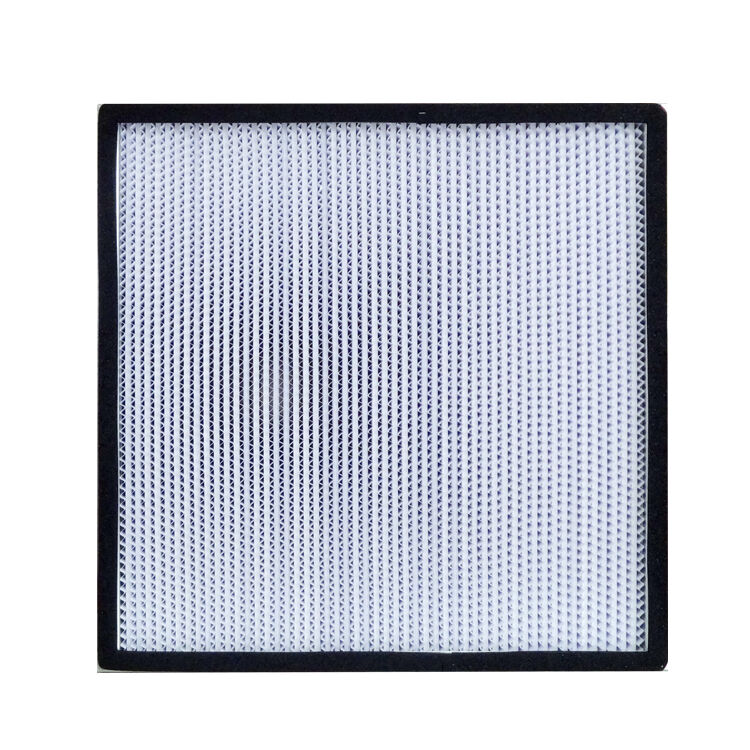
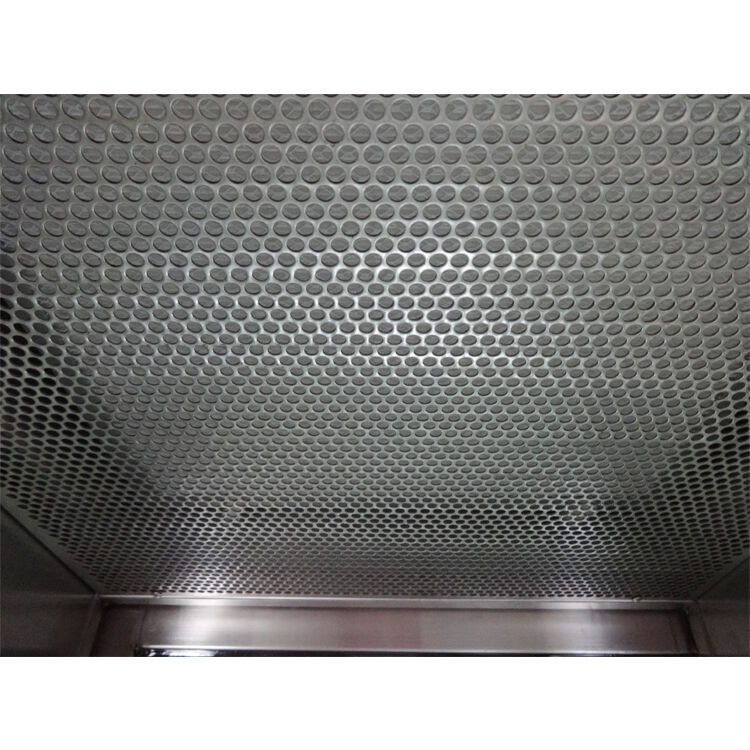
The filtration capabilities integrated within a pass box laboratory represent the cornerstone of its contamination control effectiveness, employing sophisticated air purification technology that removes virtually all particulate matter from the transfer environment. High-efficiency particulate air filters, commonly known as HEPA filters, capture 99.97 percent of particles measuring 0.3 microns in diameter, while ultra-low particulate air filters extend this capability to even smaller contaminants. This filtration performance proves critical when transferring materials between environments with different cleanliness classifications, such as moving sterile components from an ISO Class 5 cleanroom into an ISO Class 7 production area. The pass box laboratory maintains this protection through continuous air circulation that draws ambient air through the filtration system before it contacts transferred materials. Strategically positioned supply and exhaust vents create laminar airflow patterns that sweep contaminants away from the transfer chamber rather than allowing them to settle on surfaces or materials. This engineered airflow works in conjunction with pressure differentials that can be configured as positive or negative relative to adjacent spaces, depending on whether the priority involves protecting the transferred materials from external contamination or preventing hazardous materials from escaping the transfer chamber. Facilities handling potent compounds or infectious agents configure the pass box laboratory with negative pressure to contain potentially dangerous materials, while pharmaceutical sterile processing operations typically employ positive pressure to protect sterile products from environmental contamination. The filtration system operates continuously during transfers and can be programmed to run purge cycles between uses, ensuring the chamber reaches specified cleanliness levels before the next transfer begins. Differential pressure gauges provide real-time monitoring of filter performance, alerting operators when filters approach saturation and require replacement. This proactive maintenance approach prevents filtration failures that could compromise product quality or experimental results. The pass box laboratory filtration technology integrates seamlessly with facility-wide environmental monitoring systems, providing documented evidence of contamination control performance that satisfies regulatory requirements and supports validation protocols. Investment in advanced filtration technology within the pass box laboratory delivers measurable returns through reduced contamination incidents, extended intervals between cleanroom decontamination procedures, and improved confidence in the integrity of transferred materials.
Interlocking Door Mechanisms Prevent Cross-Contamination Events

Interlocking Door Mechanisms Prevent Cross-Contamination Events

The mechanical interlock system incorporated into every pass box laboratory serves as a fundamental safeguard against the most common contamination pathway in controlled environments: simultaneous opening of doors that connect spaces with different cleanliness levels. This engineered safety feature employs electronic or mechanical locking mechanisms that physically prevent both access doors from opening at the same time, eliminating the possibility of direct air exchange between the separated environments. When an operator opens the loading door to place materials into the pass box laboratory, the interlock system automatically engages locks on the receiving door, ensuring it cannot be opened until the loading door closes completely. This sequential access protocol maintains the atmospheric barrier that protects both the transferred materials and the receiving environment from contamination. The interlock mechanism operates independently of human judgment or procedural compliance, providing foolproof protection even when staff members feel rushed or distracted by competing priorities. Facilities that previously relied on procedural controls alone often experienced contamination incidents when personnel inadvertently opened both doors simultaneously, allowing unfiltered air to flow directly between controlled zones. The pass box laboratory interlock system eliminates this human error factor entirely, delivering consistent contamination control regardless of operator experience or attention levels. Advanced interlock configurations incorporate time delays that require the pass box laboratory to complete a purge cycle before the receiving door can be unlocked, ensuring the transfer chamber reaches specified cleanliness levels between the loading and unloading phases. This automated sequencing removes the burden of timing decisions from operators while guaranteeing that materials spend adequate time in the filtered environment before entering the receiving space. Visual indicators, typically LED lights or digital displays, communicate the interlock status to operators on both sides of the pass box laboratory, preventing confusion and reducing the likelihood of attempted door openings during locked phases. Audio alarms can be configured to sound if someone attempts to force a locked door, alerting supervisors to potential training needs or equipment malfunctions. The interlock system logs all door opening events with timestamps, creating an audit trail that documents transfer activities and supports investigation of any contamination incidents that might occur. This data proves invaluable during regulatory inspections, as it demonstrates consistent adherence to contamination control protocols. The mechanical simplicity and reliability of interlock systems ensure they continue functioning even during power interruptions or control system failures, maintaining protection under all operational conditions. Facilities implementing pass box laboratory systems with robust interlock mechanisms report dramatic reductions in contamination events attributed to improper transfer procedures, validating the effectiveness of this engineered control over procedural approaches alone.
Versatile Configuration Options Accommodate Diverse Application Requirements

Versatile Configuration Options Accommodate Diverse Application Requirements

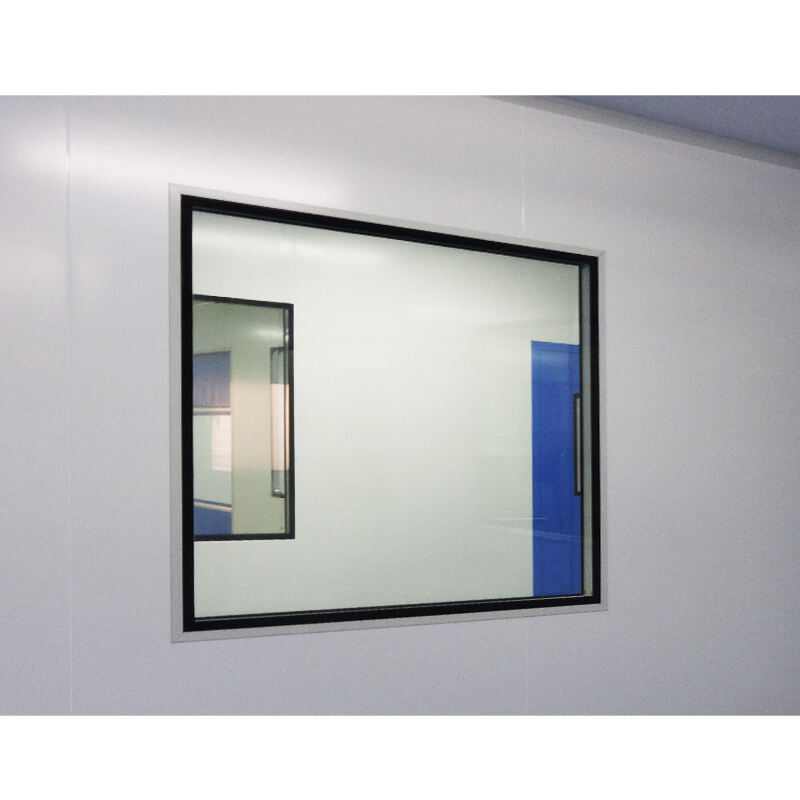
The adaptability of pass box laboratory systems to meet specific operational needs represents a significant advantage for facilities with unique contamination control challenges or workflow requirements. Manufacturers offer extensive configuration options that allow customization of chamber dimensions, door orientations, filtration specifications, and integrated features to match particular applications. Compact benchtop models suit laboratories with limited floor space or low transfer volumes, providing essential contamination control without consuming valuable real estate in crowded facilities. These smaller units typically accommodate materials up to 24 inches in width and depth, sufficient for transferring sample containers, small instruments, and supply packages. Larger floor-mounted pass box laboratory installations can handle substantial equipment transfers, with chamber dimensions exceeding 48 inches in all directions to accommodate autoclaves, centrifuges, and other sizeable apparatus that must move between controlled zones. Door configuration options include side-by-side arrangements for pass-through applications where the pass box laboratory connects adjacent rooms, or front-and-back orientations for installations in partition walls. Specialized applications may require top-loading or bottom-discharge configurations that facilitate ergonomic material handling or integrate with automated conveyor systems. The pass box laboratory can incorporate additional decontamination technologies beyond standard filtration, including ultraviolet germicidal irradiation systems that expose chamber surfaces and transferred materials to UV-C wavelength light between transfer cycles. This supplemental sterilization proves particularly valuable in pharmaceutical and biotechnology applications where microbial contamination poses significant risks. Hydrogen peroxide vapor systems can be integrated for facilities requiring validated sterilization of the transfer chamber between uses, achieving log-6 reduction of bacterial spores. Material compatibility considerations influence construction specifications, with standard stainless steel chambers suitable for most applications, but specialized coatings or alternative materials available for environments involving corrosive chemicals or extreme temperatures. Pass box laboratory systems designed for hazardous material handling incorporate additional safety features such as glove ports that allow manipulation of materials without direct contact, spill containment sumps that capture leaked liquids, and dedicated exhaust connections that route contaminated air to facility scrubbing systems. Integration capabilities extend to building automation systems, allowing the pass box laboratory to communicate operational status, environmental parameters, and maintenance requirements to centralized monitoring platforms. This connectivity supports predictive maintenance programs that schedule filter replacements and system servicing based on actual usage patterns rather than arbitrary time intervals. Facilities can specify pass box laboratory units with explosion-proof electrical components for installations in areas handling flammable solvents or combustible dusts, ensuring safe operation in hazardous locations. The extensive configuration options available ensure that virtually any facility can implement a pass box laboratory solution tailored to its specific contamination control requirements, workflow patterns, and regulatory obligations, maximizing the value delivered by this essential contamination control technology.


Get a Free Quote

Our representative will contact you soon.
Email
Name
Company Name
Attachment
Please upload at least an attachment
Up to 3 files,more 30mb,suppor jpg、jpeg、png、pdf、doc、docx、xls、xlsx、csv、txt
Message
0/1000

Get a Free Quote

Our representative will contact you soon.
Email
Name
Company Name
Attachment
Please upload at least an attachment
Up to 3 files,more 30mb,suppor jpg、jpeg、png、pdf、doc、docx、xls、xlsx、csv、txt
Message
0/1000