Clean Pass Box: Essential Contamination Control Solution for Sterile Environments

All Categories

Get a Free Quote

Our representative will contact you soon.
Email
Name
Company Name
Attachment
Please upload at least an attachment
Up to 3 files,more 30mb,suppor jpg、jpeg、png、pdf、doc、docx、xls、xlsx、csv、txt
Message
0/1000

Get a Free Quote

Our representative will contact you soon.
Email
Name
Company Name
Attachment
Please upload at least an attachment
Up to 3 files,more 30mb,suppor jpg、jpeg、png、pdf、doc、docx、xls、xlsx、csv、txt
Message
0/1000

clean pass box

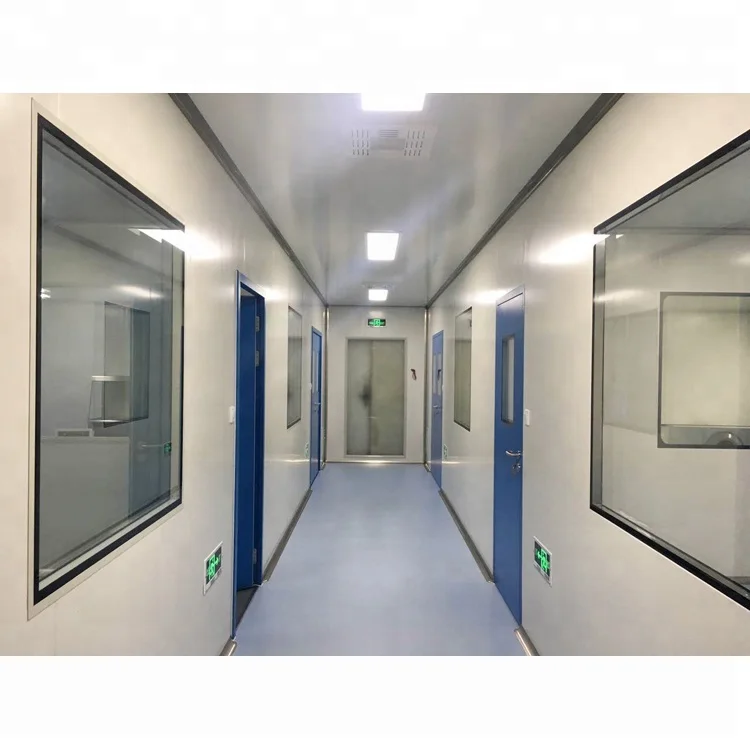
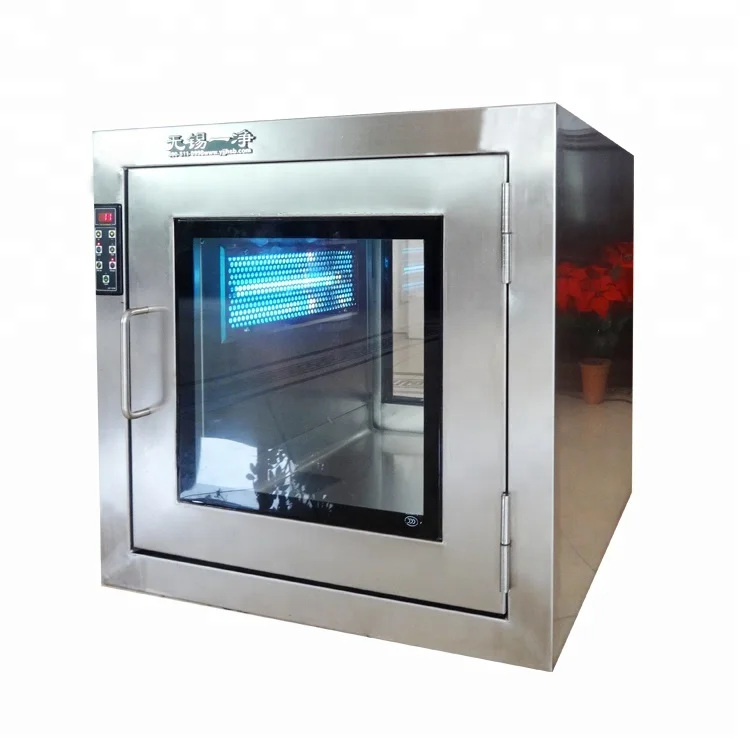
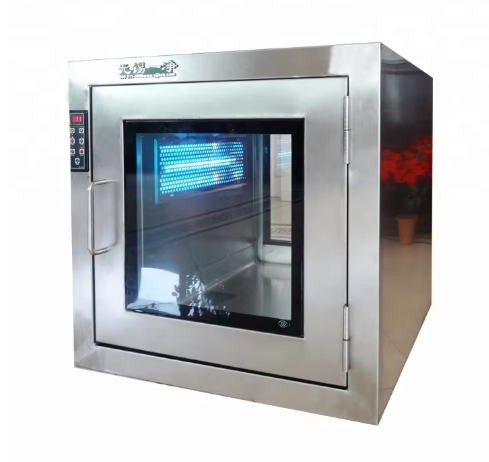
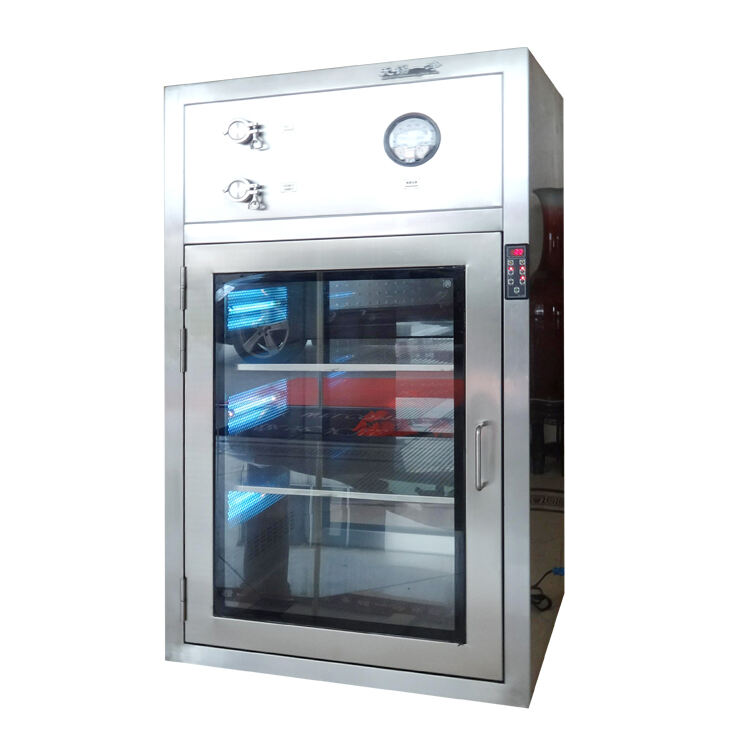
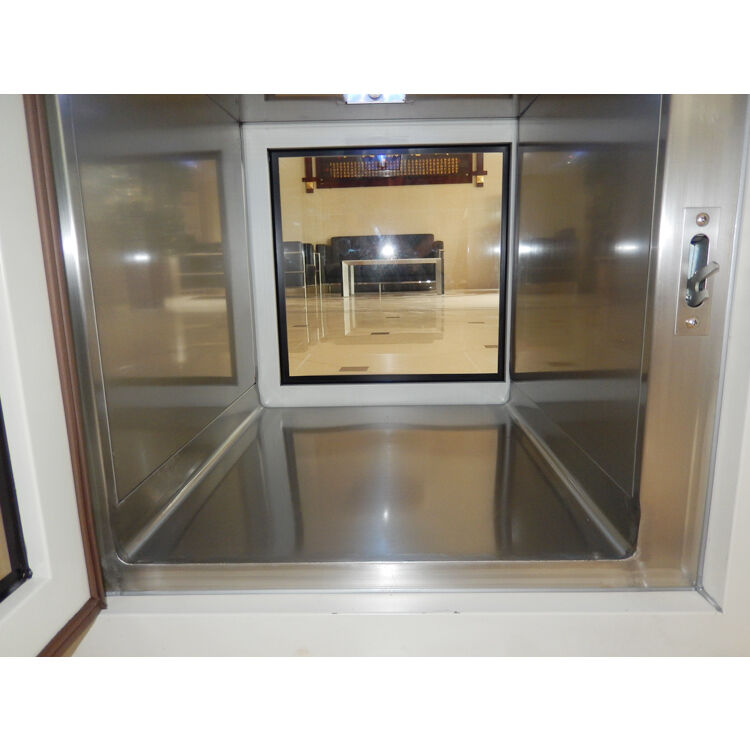
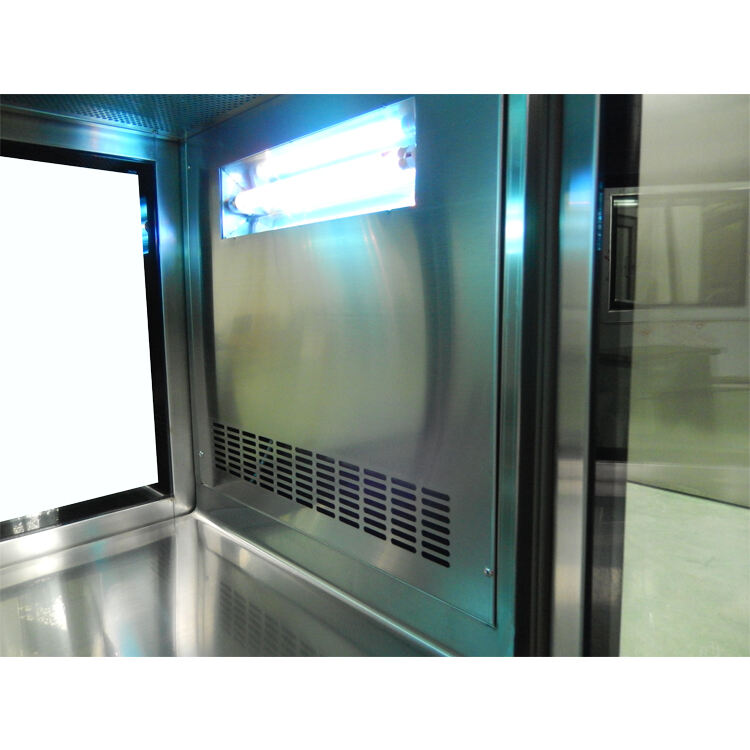
A clean pass box serves as a critical barrier system in controlled environments where maintaining sterility and preventing contamination are paramount. This specialized equipment functions as a secure transfer chamber that allows materials, tools, and products to move between areas with different cleanliness classifications without compromising the integrity of either space. The clean pass box creates a physical and atmospheric buffer zone that protects sensitive environments from external contaminants while facilitating necessary workflow operations. At its core, the device operates through a carefully engineered interlocking door mechanism that prevents both chambers from opening simultaneously, ensuring that air from less controlled areas never directly contacts the cleanroom environment. Modern clean pass box systems incorporate advanced filtration technology, typically featuring HEPA or ULPA filters that capture particles as small as 0.3 microns with efficiency ratings exceeding 99.99 percent. These filters work continuously to maintain positive pressure differentials and ensure that only purified air circulates within the transfer chamber. The construction materials used in manufacturing these units prioritize non-porous, easy-to-clean surfaces such as stainless steel or powder-coated steel, which resist bacterial growth and withstand repeated sanitization procedures. Many models include built-in UV germicidal lamps that provide an additional layer of sterilization between transfer cycles, effectively eliminating surface pathogens and airborne microorganisms. The clean pass box finds extensive application across pharmaceutical manufacturing facilities, biotechnology laboratories, hospital sterile processing departments, electronics assembly cleanrooms, and food processing plants where product purity directly impacts safety and quality. In pharmaceutical settings, these units enable the safe transfer of raw materials, intermediate products, and finished goods between production areas without risking cross-contamination. Research laboratories utilize clean pass box systems to move sensitive samples, culture media, and sterile instruments between preparation areas and controlled testing environments. The technology has become indispensable in semiconductor manufacturing, where even microscopic particles can cause defects in precision components. Healthcare facilities depend on these transfer chambers to maintain sterile fields when moving surgical instruments and medical supplies between sterilization areas and operating rooms.


Popular Products

The clean pass box delivers substantial operational benefits that directly impact productivity, safety, and cost efficiency in controlled environments. First and foremost, these systems dramatically reduce contamination risks by eliminating the need for personnel to physically carry items through doorways that connect spaces with different cleanliness levels. This separation minimizes human traffic between zones, which represents one of the primary sources of particulate and microbial contamination in cleanroom settings. By establishing a dedicated transfer protocol, facilities can maintain stricter environmental controls while still supporting necessary material flow. The interlocking door mechanism provides foolproof protection against simultaneous opening, a feature that prevents pressure differentials from collapsing and contaminated air from rushing into clean spaces. This automated safeguard removes human error from the equation, ensuring consistent protection regardless of operator experience or attention levels. Energy efficiency represents another significant advantage, as the clean pass box allows facilities to maintain different environmental conditions in adjacent rooms without the constant air exchange that occurs when doors open directly between spaces. The sealed transfer chamber requires far less air handling capacity compared to maintaining entire corridors at cleanroom specifications, translating to lower HVAC operational costs and reduced energy consumption. Installation flexibility makes these units adaptable to various architectural configurations, with wall-mounted, floor-standing, and custom-integrated options available to suit specific facility layouts. The compact footprint of most clean pass box models maximizes usable floor space in expensive cleanroom environments where every square foot carries premium value. Maintenance requirements remain minimal due to the robust construction and straightforward mechanical systems, with most routine servicing limited to filter replacements and periodic calibration checks. The transparent viewing windows incorporated into quality units allow operators to visually confirm proper placement and secure closure before initiating transfers, adding an extra verification step that enhances procedural compliance. Documentation and validation become more straightforward when using a clean pass box, as the defined transfer point creates a clear control boundary for quality management systems and regulatory audits. Many modern units include data logging capabilities that automatically record transfer events, door cycles, and environmental parameters, generating the documentation trail required for GMP compliance and ISO certification. The psychological benefit of having a dedicated, purpose-built transfer system should not be underestimated, as it reinforces contamination control awareness among staff and demonstrates organizational commitment to quality standards. Training new employees becomes simpler when transfer procedures follow standardized protocols centered around the clean pass box rather than relying on complex behavioral guidelines for door usage and material handling.

Practical Tips

What Are the Benefits of Using Modular Clean Panels

21

Oct

What Are the Benefits of Using Modular Clean Panels

Understanding the Revolutionary Impact of Modular Clean Panels in Modern Facilities Modular clean panels have transformed the way industries approach controlled environments and cleanroom construction. These innovative building components represent a...
View More
What Is the Difference Between Static and Dynamic Pass Boxes

05

Nov

What Is the Difference Between Static and Dynamic Pass Boxes

Understanding Clean Room Transfer Systems: Static vs Dynamic Solutions In the world of cleanroom technology and contamination control, pass boxes play a crucial role in maintaining environmental integrity while enabling material transfer. Static and ...
View More
What Are the Benefits of Modular Air Handling Units

02

Dec

What Are the Benefits of Modular Air Handling Units

Modern industrial facilities and commercial buildings face increasingly complex air quality challenges that require sophisticated yet adaptable solutions. Traditional HVAC systems often fall short when facilities need to expand, modify operations, or...
View More
What Industries Require High-Performance Clean Benches

02

Dec

What Industries Require High-Performance Clean Benches

Modern manufacturing and research facilities across numerous industries depend on contamination-free environments to ensure product quality, safety, and compliance with stringent regulations. Clean benches have become essential equipment in these con...
View More

Get a Free Quote

Our representative will contact you soon.
Email
Name
Company Name
Attachment
Please upload at least an attachment
Up to 3 files,more 30mb,suppor jpg、jpeg、png、pdf、doc、docx、xls、xlsx、csv、txt
Message
0/1000

clean pass box

Advanced Filtration Technology Ensures Maximum Contamination Control

Advanced Filtration Technology Ensures Maximum Contamination Control

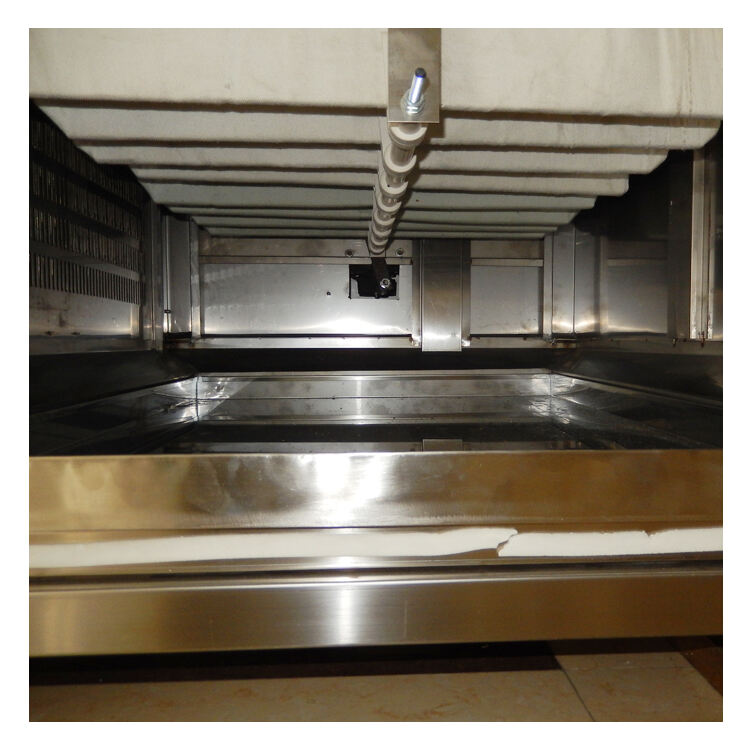
The filtration system integrated into a quality clean pass box represents the technological heart of its contamination control capabilities, employing multiple stages of air purification to create an environment that rivals or exceeds the cleanliness of the spaces it connects. High-efficiency particulate air filters form the primary defense mechanism, capturing microscopic particles that would otherwise compromise product integrity or experimental results. These filters utilize densely packed fiber matrices that create a tortuous path for air molecules, forcing particles to collide with filter media through diffusion, interception, and impaction mechanisms. The filter efficiency ratings typically reach 99.995 percent or higher for particles measuring 0.3 microns, the most penetrating particle size that represents the greatest filtration challenge. This level of performance ensures that even submicron contaminants including bacteria, fungal spores, and viral particles cannot pass through the filtration barrier. Many advanced clean pass box models incorporate pre-filtration stages that extend the service life of the primary HEPA filters by capturing larger particles before they reach the high-efficiency media, reducing replacement frequency and lowering long-term operational costs. The airflow design within the chamber creates laminar flow patterns that sweep particles toward the filtration system rather than allowing them to settle on surfaces or recirculate within the transfer space. Positive pressure differentials maintained by the filtration system ensure that air always flows from the cleaner side toward the less controlled environment, preventing backflow contamination even during door operation cycles. The continuous air circulation provided by the filtration system also helps maintain temperature and humidity stability within the transfer chamber, protecting sensitive materials from environmental fluctuations during the transfer process. Regular filter integrity testing using photometric or particle counting methods verifies ongoing performance and identifies any filter degradation before it compromises protection levels. The modular filter design employed in quality units facilitates quick replacement without requiring specialized tools or extensive downtime, minimizing disruption to production schedules. Some sophisticated clean pass box systems include differential pressure gauges that provide real-time monitoring of filter loading, alerting maintenance personnel when filters approach the end of their effective service life.
Interlocking Door Systems Provide Failsafe Protection Against Cross-Contamination

Interlocking Door Systems Provide Failsafe Protection Against Cross-Contamination

The interlocking door mechanism built into every clean pass box functions as an absolute barrier that prevents the simultaneous opening of both access doors, eliminating the possibility of direct air exchange between environments with different contamination control requirements. This mechanical or electronic interlock system operates on a simple but critical principle: when one door opens, the opposing door remains locked until the first door closes completely and any programmed delay cycle completes. The failsafe nature of this design means that even if operators attempt to force both doors open simultaneously, the physical locking mechanism prevents such action, maintaining the integrity of the contamination barrier under all circumstances. Electronic interlock systems offer additional sophistication by incorporating programmable delay timers that keep both doors locked for a specified period after either door closes, allowing the filtration system to purge any particles introduced during the transfer and restore the chamber to its baseline cleanliness level. This purge cycle typically lasts between 30 and 120 seconds depending on chamber volume and air change rates, ensuring that the next transfer begins with a completely clean environment. Visual and audible indicators integrated into advanced interlock systems provide clear feedback to operators about door status, lock engagement, and purge cycle progress, reducing confusion and preventing procedural errors. The interlock mechanism also supports workflow efficiency by preventing premature door opening that would interrupt purge cycles and compromise transfer integrity, enforcing best practices through automated controls rather than relying solely on operator discipline. Magnetic locks or solenoid-actuated deadbolts provide the physical locking force in most systems, offering reliable operation through millions of cycles without mechanical wear or adjustment requirements. The electrical components of electronic interlock systems typically operate on low-voltage circuits that meet safety standards for use in potentially explosive atmospheres, making them suitable for facilities handling flammable solvents or combustible powders. Backup power systems or mechanical override mechanisms ensure that door locks fail in a safe configuration during power outages, preventing personnel from becoming trapped while maintaining contamination barriers. The interlock system can integrate with facility access control networks, allowing authorized personnel to operate the clean pass box while restricting use by untrained staff, supporting both security and quality management objectives.
Versatile Applications Across Multiple Industries Demonstrate Universal Value

Versatile Applications Across Multiple Industries Demonstrate Universal Value

The clean pass box has evolved into an indispensable tool across diverse industries where contamination control directly impacts product quality, process reliability, and regulatory compliance, demonstrating remarkable versatility in addressing varied operational challenges. In pharmaceutical manufacturing environments, these transfer chambers enable the movement of raw materials, active pharmaceutical ingredients, and finished products between production suites without exposing sensitive compounds to environmental contaminants or cross-contamination from other product lines. The ability to transfer materials while maintaining complete separation between manufacturing areas supports the stringent requirements of current Good Manufacturing Practices and prevents costly batch rejections due to contamination events. Biotechnology laboratories depend on clean pass box systems to protect cell cultures, genetic materials, and biological samples from airborne microorganisms that could invalidate research results or compromise valuable specimens representing months of experimental work. The controlled transfer environment allows researchers to move materials between biosafety cabinets, incubators, and storage areas while maintaining the sterile conditions essential for reproducible scientific outcomes. Hospital sterile processing departments utilize these units to create a defined barrier between decontamination areas and sterile storage zones, ensuring that cleaned and sterilized surgical instruments never contact potentially contaminated air during the transfer process. This application directly supports patient safety by reducing the risk of surgical site infections caused by improperly processed instruments. Electronics manufacturing facilities incorporate clean pass box technology into semiconductor fabrication cleanrooms where even nanometer-scale particles can cause defects in integrated circuits, resulting in yield losses and performance failures. The transfer chambers allow technicians to move wafers, photomasks, and precision tools between process areas while maintaining the ISO Class 1 or Class 2 cleanliness levels required for advanced chip production. Food processing plants have adopted clean pass box systems to support high-care and aseptic processing areas where products move between cooking, cooling, and packaging zones without exposure to environmental pathogens that could cause foodborne illness outbreaks. The cosmetics industry uses these transfer chambers to maintain the purity of formulations and prevent microbial contamination that would reduce product shelf life or cause adverse skin reactions in consumers. Research institutions studying infectious diseases rely on clean pass box systems installed in biosafety level 3 and 4 laboratories to safely transfer potentially dangerous pathogens between containment areas without risking environmental release or personnel exposure.

Get a Free Quote

Our representative will contact you soon.
Email
Name
Company Name
Attachment
Please upload at least an attachment
Up to 3 files,more 30mb,suppor jpg、jpeg、png、pdf、doc、docx、xls、xlsx、csv、txt
Message
0/1000

Get a Free Quote

Our representative will contact you soon.
Email
Name
Company Name
Attachment
Please upload at least an attachment
Up to 3 files,more 30mb,suppor jpg、jpeg、png、pdf、doc、docx、xls、xlsx、csv、txt
Message
0/1000