Production Clean Room Solutions: Advanced Contamination Control for Quality Manufacturing

All Categories

Get a Free Quote

Our representative will contact you soon.
Email
Name
Company Name
Attachment
Please upload at least an attachment
Up to 3 files,more 30mb,suppor jpg、jpeg、png、pdf、doc、docx、xls、xlsx、csv、txt
Message
0/1000

Get a Free Quote

Our representative will contact you soon.
Email
Name
Company Name
Attachment
Please upload at least an attachment
Up to 3 files,more 30mb,suppor jpg、jpeg、png、pdf、doc、docx、xls、xlsx、csv、txt
Message
0/1000

production clean room

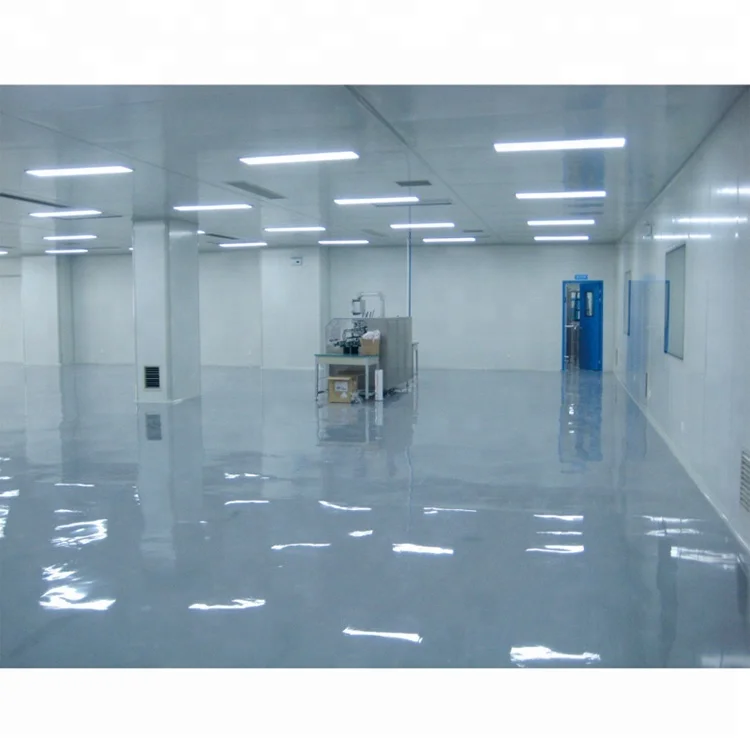
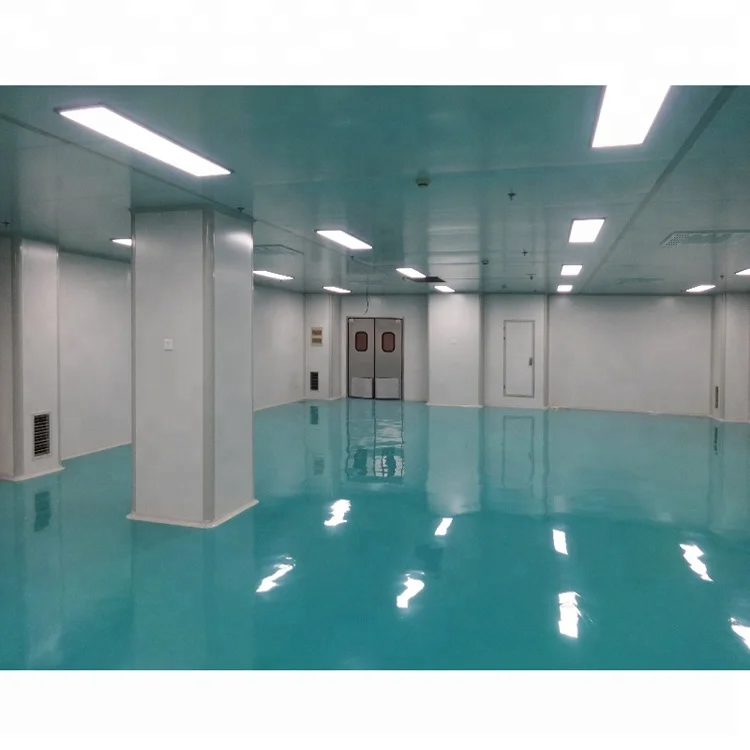
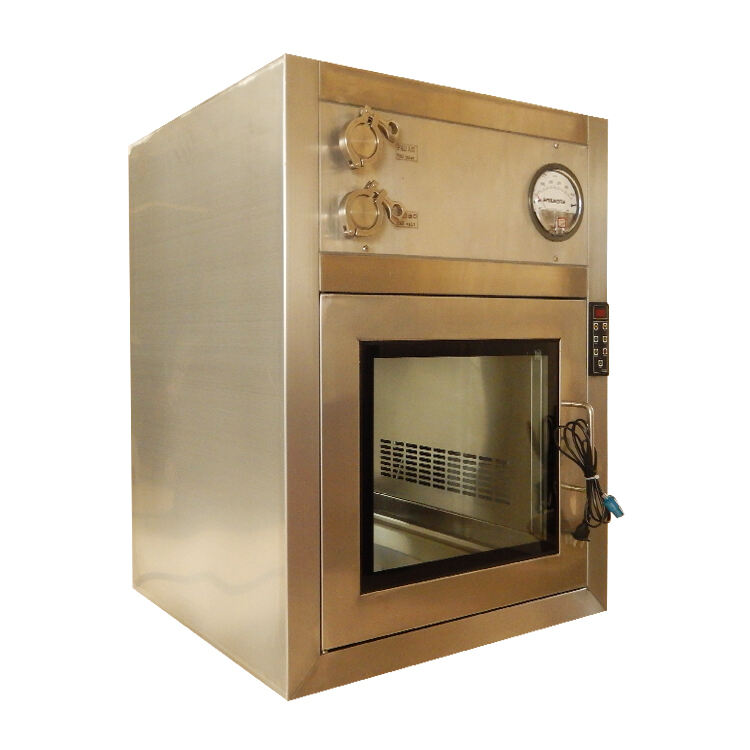
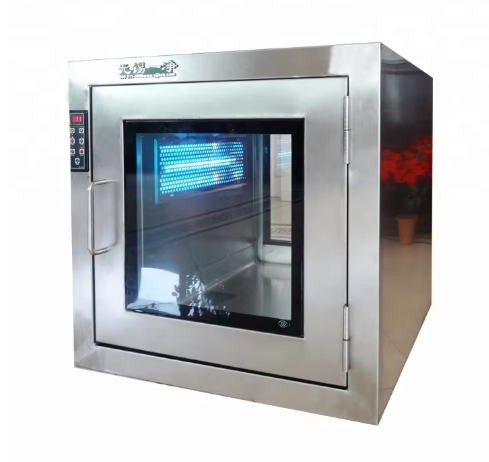
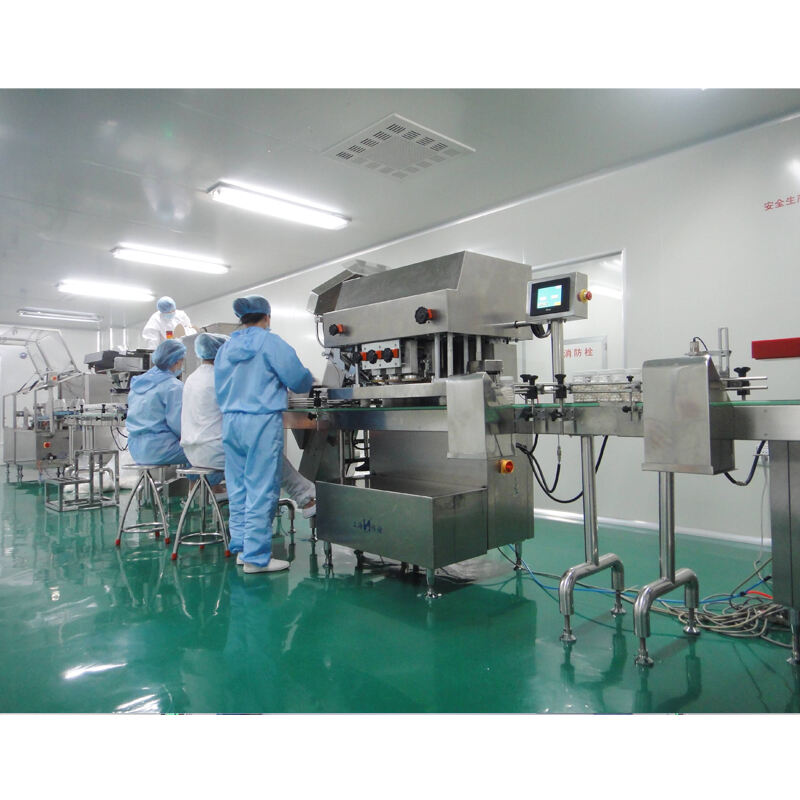
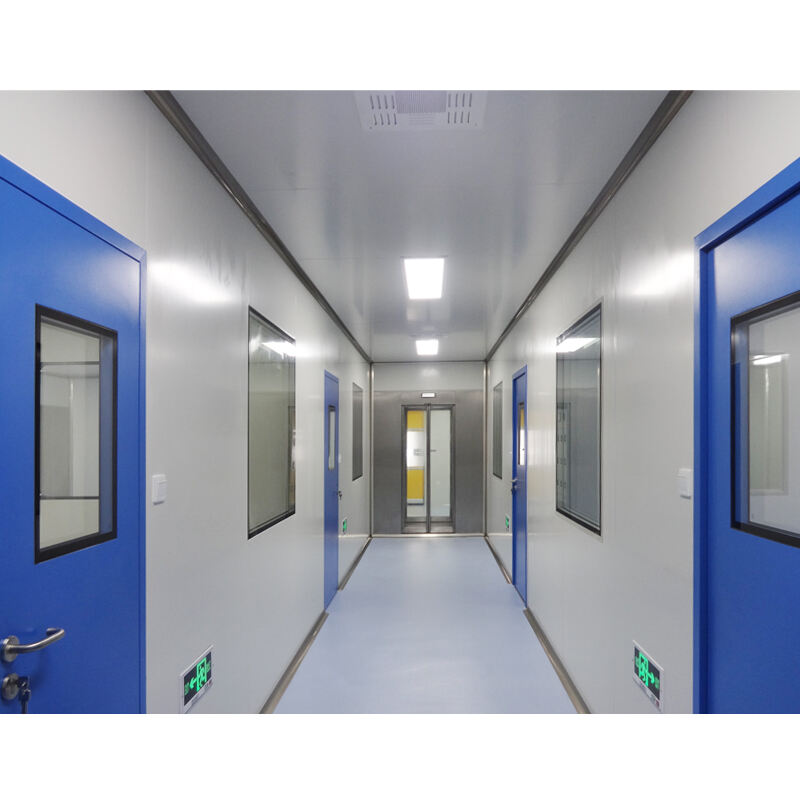
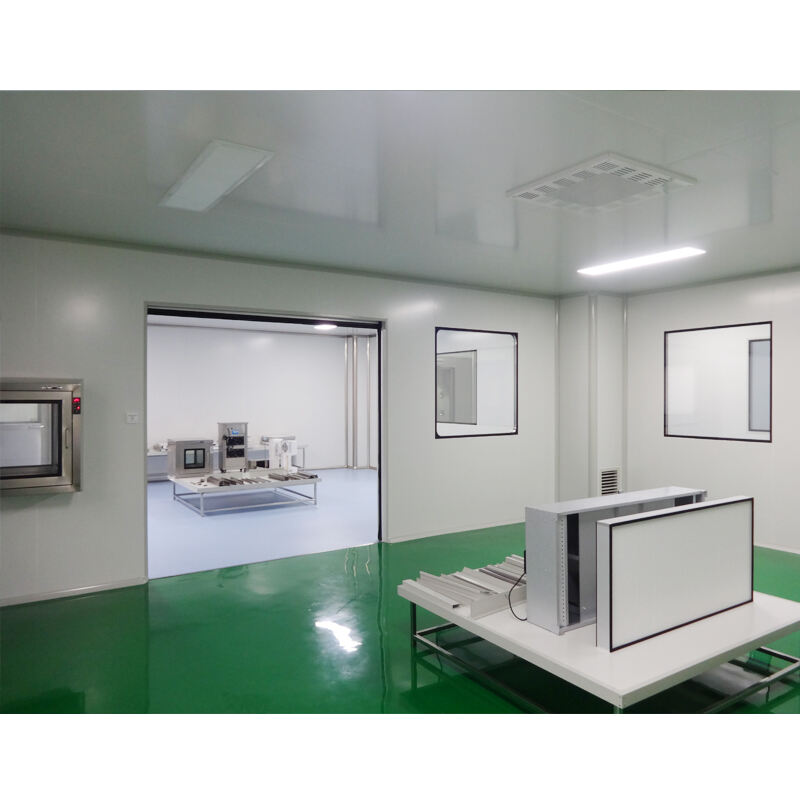
A production clean room represents a controlled manufacturing environment where contamination levels are strictly regulated to ensure product quality and consistency. These specialized facilities maintain precise control over airborne particles, temperature, humidity, and pressure to create optimal conditions for sensitive manufacturing processes. Production clean rooms serve as the backbone of industries requiring sterile or contamination-free environments, including pharmaceuticals, biotechnology, electronics, medical devices, and aerospace manufacturing. The primary function of a production clean room involves filtering and circulating air through high-efficiency particulate air filters that remove microscopic contaminants, ensuring that the manufacturing space meets stringent cleanliness standards classified by international regulations. Modern production clean room facilities incorporate advanced monitoring systems that continuously track environmental parameters, providing real-time data to maintain compliance with industry standards. The technological features of these environments include sophisticated air handling units, positive pressure systems that prevent external contaminants from entering, and specialized flooring and wall materials that resist particle generation and facilitate easy cleaning. Production clean rooms utilize laminar airflow patterns that direct filtered air in a uniform direction, minimizing turbulence and preventing particle accumulation on work surfaces. The applications of production clean room technology span across critical manufacturing sectors where even minute contamination can compromise product integrity, patient safety, or device functionality. In pharmaceutical production, these facilities ensure that medications remain free from microbial contamination during formulation and packaging. Electronics manufacturers rely on production clean room environments to prevent dust particles from damaging sensitive semiconductor components during fabrication. Medical device companies utilize these controlled spaces to manufacture implantable devices and surgical instruments that must meet the highest sterility standards. The versatility of production clean room design allows customization based on specific industry requirements, with classification levels ranging from ISO Class 1 to ISO Class 9, each defining maximum allowable particle concentrations per cubic meter of air.

New Products

Investing in a production clean room delivers substantial benefits that directly impact your bottom line and product quality. First and foremost, these controlled environments dramatically reduce product defects caused by contamination, which translates to lower rejection rates and significant cost savings in materials and labor. When your manufacturing process operates in a production clean room, you eliminate the unpredictable variables that lead to batch failures, ensuring consistent output that meets quality specifications every single time. This reliability strengthens your reputation with customers and regulatory bodies, opening doors to new markets and partnerships. The enhanced product quality achieved in a production clean room environment means fewer customer complaints, reduced warranty claims, and stronger brand loyalty. Your team benefits from working in a production clean room through improved safety conditions, as these facilities often incorporate features that protect workers from exposure to hazardous materials while maintaining the sterility required for sensitive products. The controlled temperature and humidity in a production clean room also create more comfortable working conditions, which can boost employee productivity and reduce fatigue during long manufacturing shifts. From a regulatory compliance perspective, operating a production clean room demonstrates your commitment to meeting industry standards, making audits smoother and reducing the risk of costly violations or production shutdowns. Many industries require certified clean room environments for specific manufacturing processes, so having this capability positions your business to compete for contracts that would otherwise be inaccessible. The modular nature of modern production clean room systems means you can scale your operations efficiently as demand grows, adding capacity without compromising the controlled environment. Energy efficiency has improved dramatically in contemporary production clean room designs, with smart systems that adjust airflow and filtration based on real-time occupancy and activity levels, reducing operational costs while maintaining stringent cleanliness standards. The return on investment for a production clean room becomes evident quickly when you factor in reduced waste, higher yields, premium pricing for certified products, and access to regulated markets. Additionally, the data collection capabilities built into modern production clean room monitoring systems provide valuable insights into your manufacturing processes, enabling continuous improvement and optimization. Your production clean room becomes a competitive advantage that differentiates your offerings in crowded markets, particularly when customers prioritize quality assurance and traceability. The flexibility of production clean room configurations allows you to adapt spaces for multiple product lines or processes, maximizing facility utilization and supporting diverse manufacturing needs under one roof.

Tips And Tricks

What Materials Are Recommended for Pass Box Construction?

05

Nov

What Materials Are Recommended for Pass Box Construction?

Essential Materials for Modern Pass Box Manufacturing Pass boxes serve as critical components in cleanroom environments, pharmaceutical facilities, and laboratories, facilitating the secure transfer of materials between spaces while maintaining contr...
View More
What Is the Difference Between Static and Dynamic Pass Boxes

05

Nov

What Is the Difference Between Static and Dynamic Pass Boxes

Understanding Clean Room Transfer Systems: Static vs Dynamic Solutions In the world of cleanroom technology and contamination control, pass boxes play a crucial role in maintaining environmental integrity while enabling material transfer. Static and ...
View More
What Certifications Are Required for Clean Air Systems

02

Dec

What Certifications Are Required for Clean Air Systems

Modern industrial facilities and critical environments rely heavily on properly certified clean air systems to maintain air quality standards and regulatory compliance. These sophisticated systems ensure contaminant-free environments essential for ma...
View More
What Industries Require High-Performance Clean Benches

02

Dec

What Industries Require High-Performance Clean Benches

Modern manufacturing and research facilities across numerous industries depend on contamination-free environments to ensure product quality, safety, and compliance with stringent regulations. Clean benches have become essential equipment in these con...
View More

Get a Free Quote

Our representative will contact you soon.
Email
Name
Company Name
Attachment
Please upload at least an attachment
Up to 3 files,more 30mb,suppor jpg、jpeg、png、pdf、doc、docx、xls、xlsx、csv、txt
Message
0/1000

production clean room

Advanced Contamination Control Systems

Advanced Contamination Control Systems

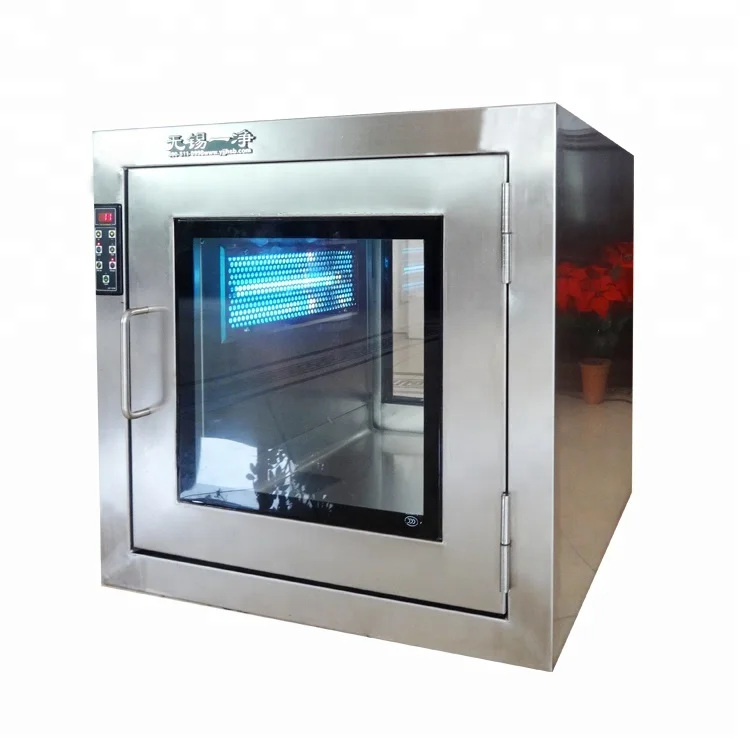
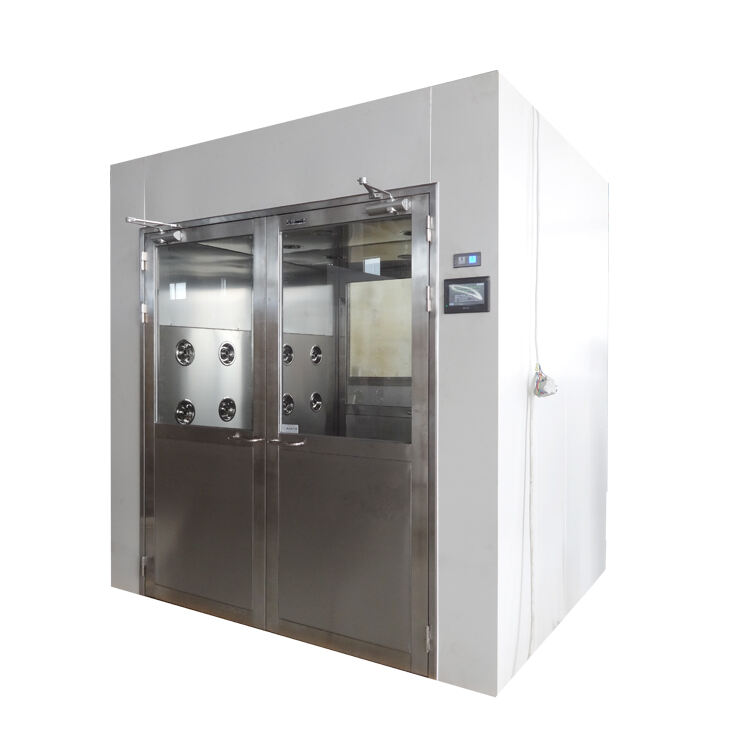
The cornerstone of any effective production clean room lies in its sophisticated contamination control systems, which work continuously to maintain the pristine environment essential for quality manufacturing. These systems employ multiple layers of protection, starting with high-efficiency particulate air filters that capture particles as small as 0.3 microns with efficiency rates exceeding 99.97 percent. The production clean room air handling system processes and recirculates air at rates that completely exchange the room volume multiple times per hour, ensuring that any generated particles are quickly removed before they can settle on products or equipment. What sets modern production clean room contamination control apart is the integration of intelligent monitoring that tracks particle counts in real-time, alerting operators immediately if levels approach threshold limits. This proactive approach prevents contamination events rather than simply reacting to them after damage occurs. The airflow design in a production clean room creates positive pressure differentials between zones, ensuring that air always flows from cleaner areas to less clean areas, never allowing contaminants to migrate backward into critical manufacturing spaces. Specialized gowning protocols and airlocks serve as additional barriers, with personnel passing through air showers that remove loose particles from protective clothing before entering the production clean room core. The materials used in production clean room construction are carefully selected for their non-shedding properties, with smooth, sealed surfaces that resist particle generation and facilitate thorough cleaning. Floors, walls, and ceilings in a production clean room feature coved corners that eliminate dust traps and allow complete sanitization. The contamination control extends to equipment and tools used within the production clean room, with regular cleaning schedules and validated procedures ensuring that every item introduced into the space meets cleanliness standards. Temperature and humidity control within the production clean room serves dual purposes: maintaining optimal conditions for manufacturing processes while also preventing condensation that could harbor microbial growth. The comprehensive nature of these contamination control systems means that your production clean room maintains its classification even during active manufacturing, protecting your products throughout every stage of production.
Regulatory Compliance and Validation Support

Regulatory Compliance and Validation Support

Navigating the complex landscape of regulatory requirements becomes significantly easier when your manufacturing operations utilize a properly designed and maintained production clean room. These controlled environments are built from the ground up with compliance in mind, incorporating features and documentation systems that align with standards set by organizations such as the FDA, ISO, and industry-specific regulatory bodies. A production clean room provides the foundation for meeting Good Manufacturing Practice requirements, which are mandatory for pharmaceutical, medical device, and many food production operations. The validation process for a production clean room involves comprehensive testing and documentation that demonstrates the facility consistently performs as intended, creating a paper trail that satisfies auditor requirements and proves your commitment to quality. When regulatory inspectors visit your facility, a certified production clean room demonstrates professionalism and preparedness, often leading to smoother audits with fewer findings or observations. The environmental monitoring systems integrated into modern production clean room designs automatically generate the records needed for compliance reporting, reducing the administrative burden on your quality assurance team. These systems track critical parameters continuously, creating time-stamped data logs that provide irrefutable evidence of environmental control during manufacturing. The classification testing performed on a production clean room at regular intervals ensures that filtration systems, airflow patterns, and pressure differentials continue to meet specifications over time, preventing gradual degradation that could compromise compliance. Many production clean room providers offer ongoing support services that include recertification testing, helping you maintain compliance without developing in-house expertise in clean room validation. The standardized design principles used in production clean room construction mean that your facility aligns with international best practices, facilitating expansion into global markets where regulatory expectations may vary but fundamental clean room principles remain consistent. Documentation packages that accompany a production clean room installation include detailed specifications, test results, and operational procedures that form the basis of your quality management system. This comprehensive approach to compliance support extends beyond initial installation, with maintenance programs designed to preserve the validated state of your production clean room throughout its operational life. The peace of mind that comes from operating a fully compliant production clean room allows your team to focus on innovation and efficiency rather than constantly worrying about regulatory risks.
Flexible Design for Multiple Applications

Flexible Design for Multiple Applications

The adaptability of modern production clean room systems represents a significant advantage for manufacturers facing evolving market demands and diverse product portfolios. Unlike fixed infrastructure that locks you into specific processes, a well-designed production clean room can be reconfigured to accommodate different manufacturing requirements, product lines, or even entirely new applications as your business grows. This flexibility starts with modular construction approaches that allow production clean room spaces to be expanded, subdivided, or reconfigured without major facility disruptions or prohibitive costs. The wall systems used in contemporary production clean room designs can be relocated to create new room layouts, enabling you to optimize space utilization as production needs change. Ceiling grid systems in a production clean room support easy modifications to lighting, HEPA filter placement, and utility distribution, allowing technical upgrades without compromising the controlled environment. The classification level of a production clean room can often be adjusted by modifying air change rates and filtration efficiency, enabling a single space to serve different cleanliness requirements for various products or process stages. This versatility proves particularly valuable for contract manufacturers who serve multiple clients with different specifications, or for companies developing new products that may require different environmental controls than existing lines. The production clean room infrastructure can support diverse manufacturing technologies, from manual assembly operations to fully automated robotic systems, with the controlled environment protecting both traditional and cutting-edge processes. Utility systems within a production clean room are designed with flexibility in mind, providing access to electricity, compressed air, process gases, and water at multiple locations throughout the space, allowing equipment to be positioned optimally for workflow efficiency. The ability to implement different gowning requirements and access controls in various zones of a production clean room enables you to balance stringent contamination control in critical areas with more practical access in support spaces. This zoned approach maximizes the value of your production clean room investment by applying the highest level of control only where absolutely necessary. The scalability of production clean room systems means you can start with a smaller installation that meets immediate needs, then expand capacity incrementally as demand grows, avoiding the financial strain of over-building while ensuring you never outgrow your contamination control capabilities. Temperature and humidity control systems in a production clean room can be programmed with different setpoints for various manufacturing processes, allowing the same space to support products with different environmental requirements at different times.


Get a Free Quote

Our representative will contact you soon.
Email
Name
Company Name
Attachment
Please upload at least an attachment
Up to 3 files,more 30mb,suppor jpg、jpeg、png、pdf、doc、docx、xls、xlsx、csv、txt
Message
0/1000

Get a Free Quote

Our representative will contact you soon.
Email
Name
Company Name
Attachment
Please upload at least an attachment
Up to 3 files,more 30mb,suppor jpg、jpeg、png、pdf、doc、docx、xls、xlsx、csv、txt
Message
0/1000