Clean Room Production Solutions: Advanced Contamination Control for Quality Manufacturing

All Categories

Get a Free Quote

Our representative will contact you soon.
Email
Name
Company Name
Attachment
Please upload at least an attachment
Up to 3 files,more 30mb,suppor jpg、jpeg、png、pdf、doc、docx、xls、xlsx、csv、txt
Message
0/1000

Get a Free Quote

Our representative will contact you soon.
Email
Name
Company Name
Attachment
Please upload at least an attachment
Up to 3 files,more 30mb,suppor jpg、jpeg、png、pdf、doc、docx、xls、xlsx、csv、txt
Message
0/1000

clean room production

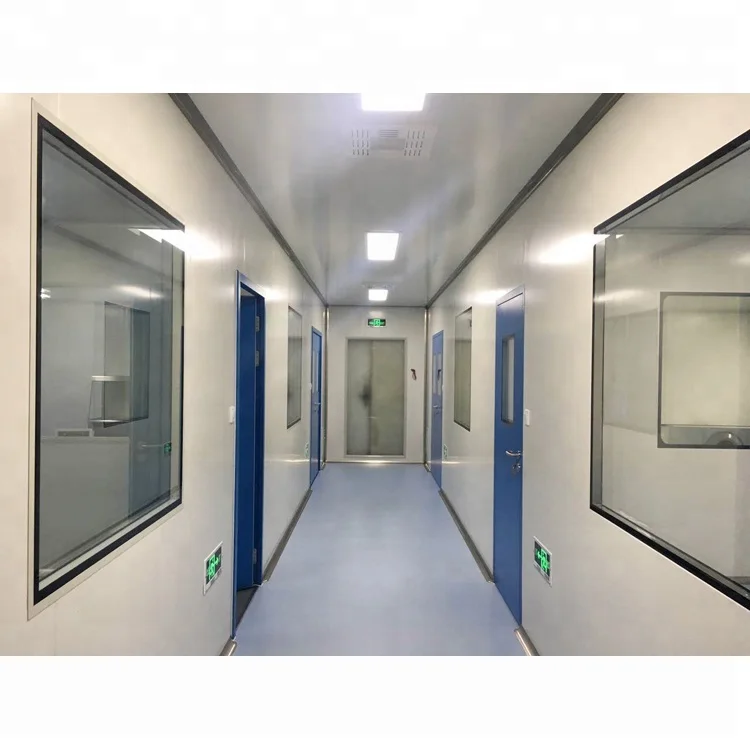
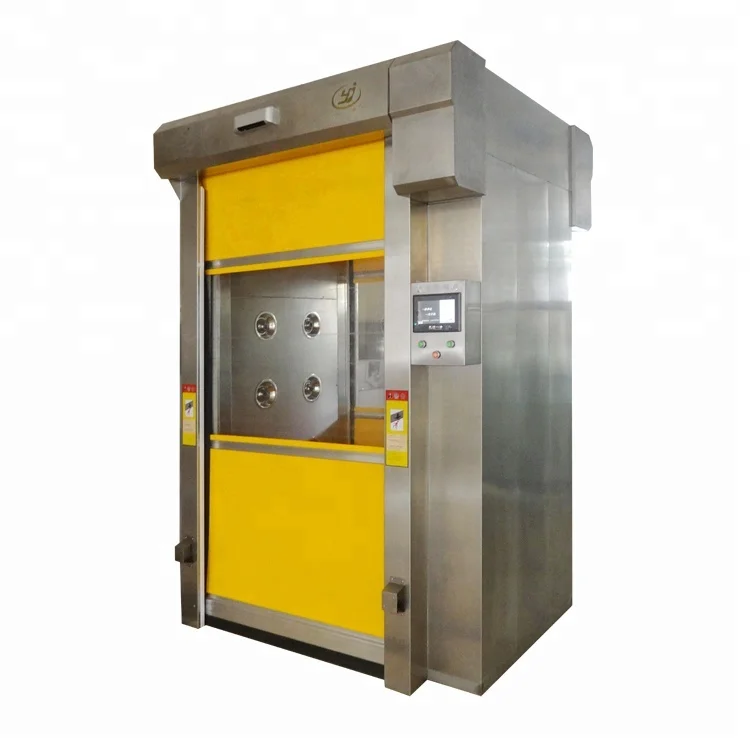
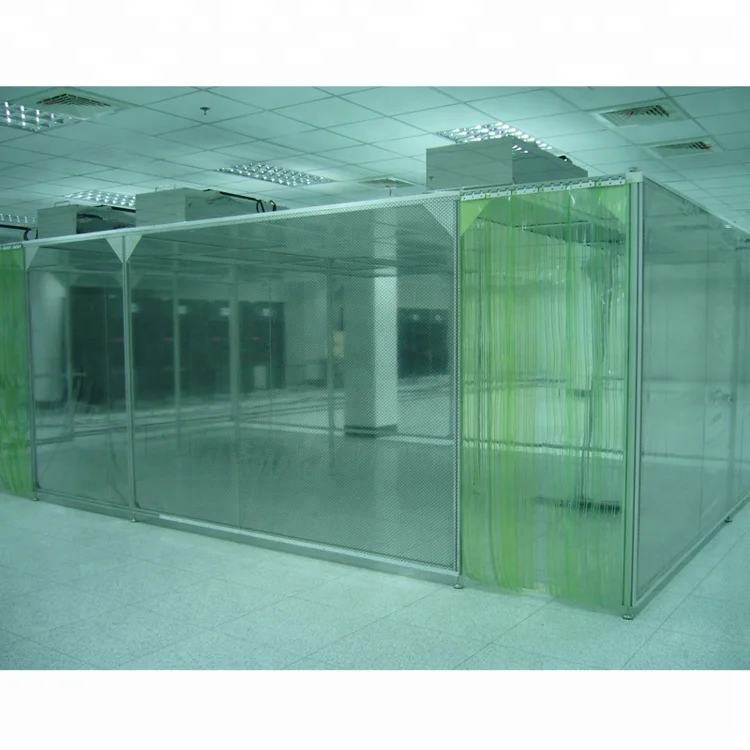
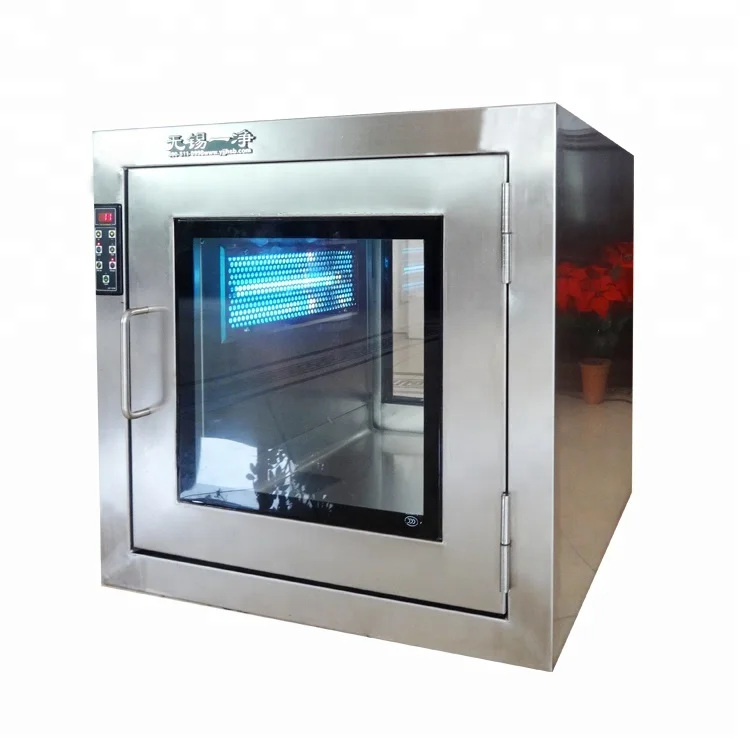
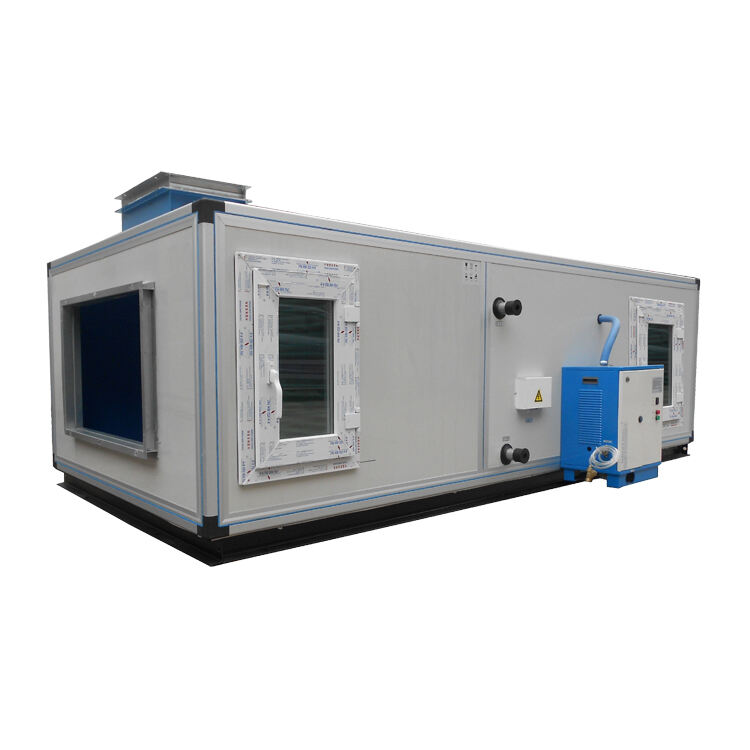
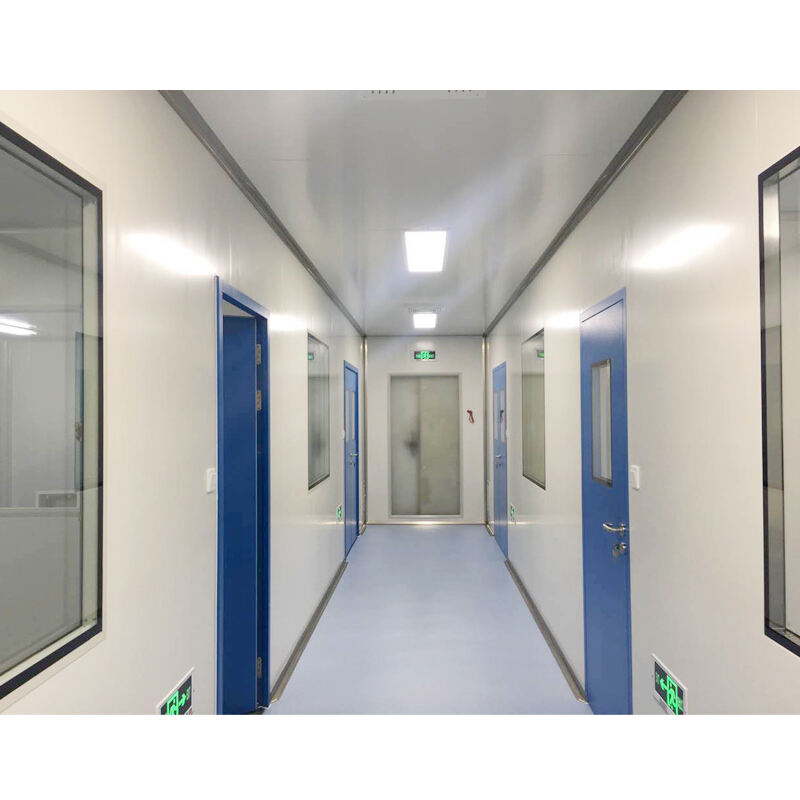
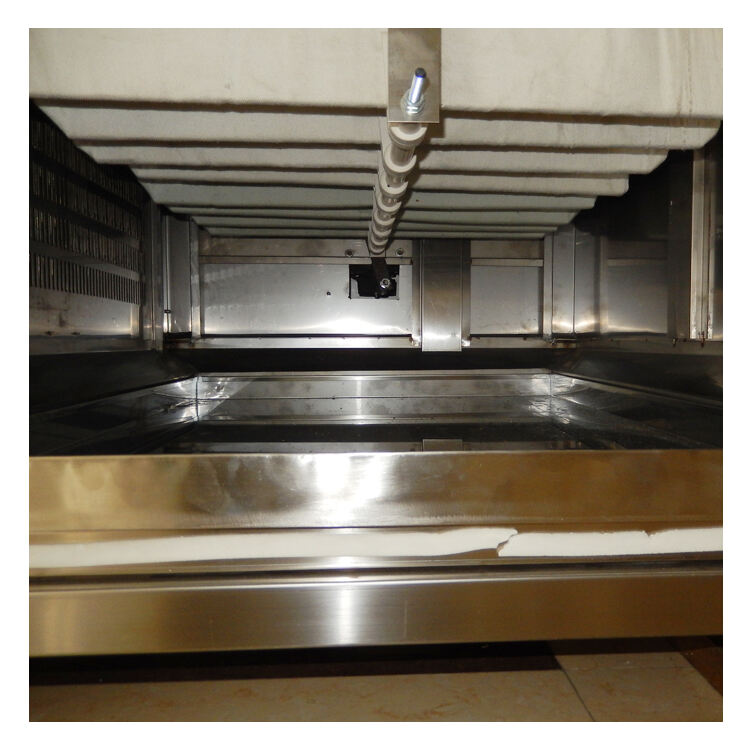
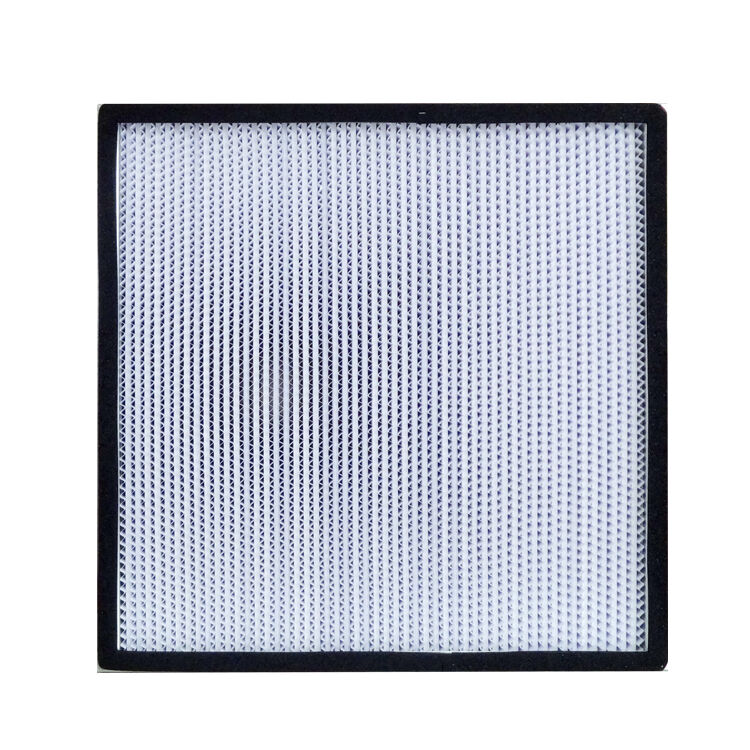
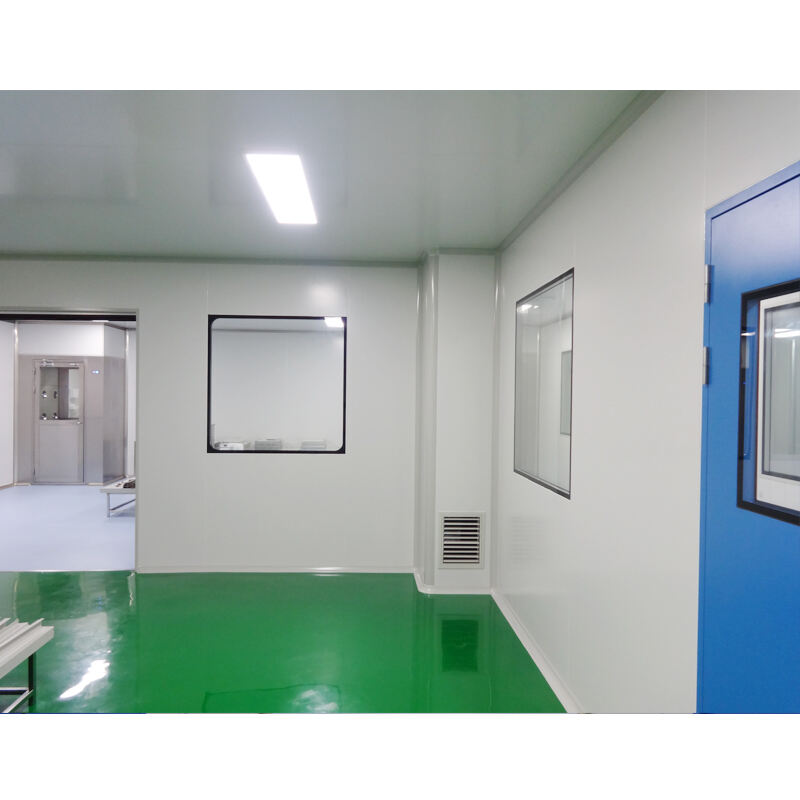
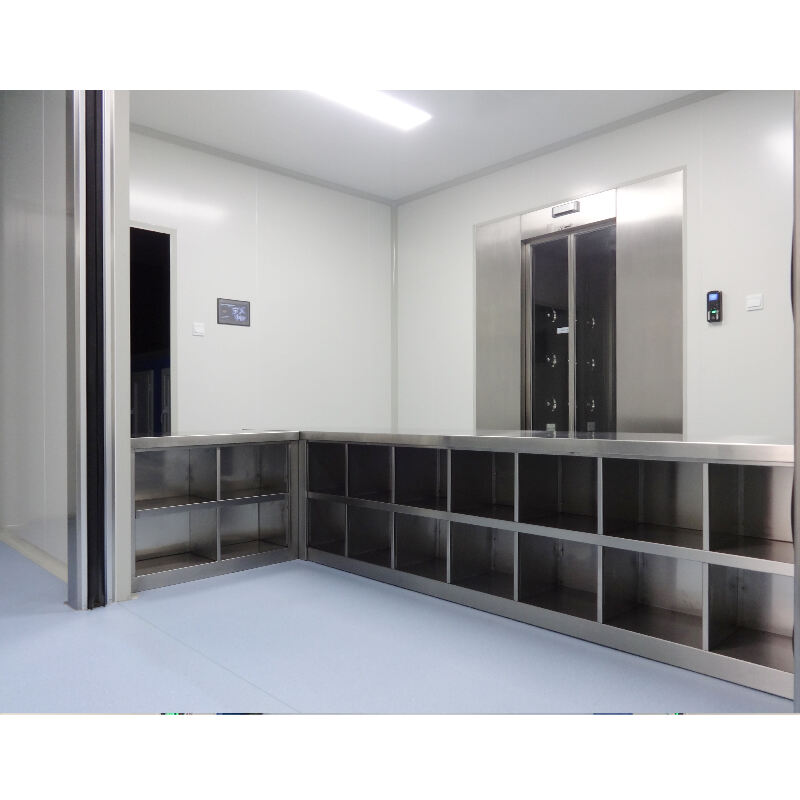
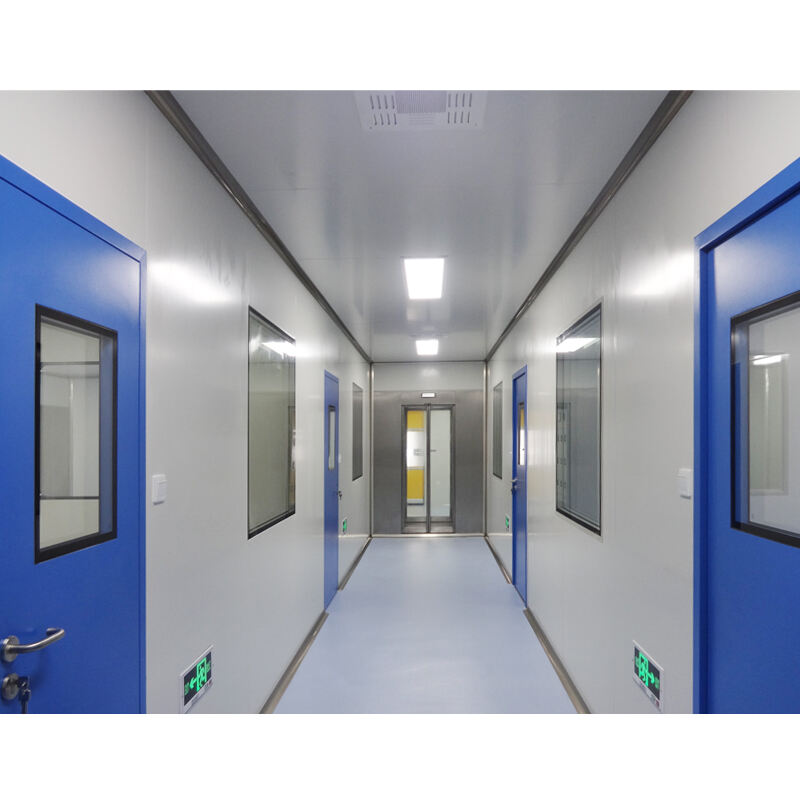
Clean room production represents a sophisticated manufacturing approach that maintains strictly controlled environmental conditions to ensure product quality and safety. This specialized production method creates enclosed spaces where air quality, temperature, humidity, and particle concentration are meticulously regulated to meet specific industry standards. Clean room production facilities utilize advanced filtration systems, positive air pressure controls, and specialized construction materials to minimize contamination risks during manufacturing processes. The main functions of clean room production include eliminating airborne particles, controlling microbial growth, maintaining consistent temperature and humidity levels, and providing a sterile environment for sensitive manufacturing operations. These controlled environments are essential for producing items that require exceptional purity and precision. Technological features of clean room production encompass HEPA and ULPA filtration systems that remove microscopic particles from the air, sophisticated air handling units that maintain proper circulation patterns, and continuous monitoring systems that track environmental parameters in real-time. The facilities incorporate specialized flooring, walls, and ceilings designed to minimize particle generation and facilitate thorough cleaning protocols. Personnel entering clean room production areas must follow strict gowning procedures and pass through air showers to remove contaminants. Applications of clean room production span numerous industries including pharmaceutical manufacturing where sterile drug production is mandatory, semiconductor fabrication requiring particle-free environments for microchip production, medical device manufacturing ensuring implant safety, biotechnology research and development, aerospace component assembly, and food processing operations demanding high hygiene standards. The clean room production methodology has become indispensable for companies seeking to meet regulatory requirements, maintain competitive advantages, and deliver superior products to their customers while minimizing defect rates and ensuring consistent quality across production batches.

New Product Recommendations

Clean room production delivers substantial benefits that directly impact your bottom line and product quality. First, this manufacturing approach dramatically reduces contamination risks that could compromise your products. By maintaining controlled environments, you protect your production runs from dust, bacteria, chemicals, and other harmful particles that cause defects and product failures. This protection translates into fewer rejected batches, lower waste costs, and improved profit margins. Second, clean room production helps you meet stringent regulatory requirements across multiple industries. Regulatory agencies demand specific cleanliness standards for pharmaceuticals, medical devices, and other sensitive products. Implementing clean room production demonstrates your commitment to compliance and accelerates approval processes, allowing you faster market entry. Third, this production method enhances product consistency and reliability. The controlled conditions eliminate variables that cause batch-to-batch variations, ensuring every product meets your exact specifications. Your customers receive uniform quality, building trust and strengthening your brand reputation. Fourth, clean room production extends product shelf life and stability. By manufacturing in contamination-free environments, you prevent degradation factors from affecting your products during production. This advantage is particularly valuable for pharmaceutical companies and food manufacturers where product longevity directly affects customer satisfaction and safety. Fifth, investing in clean room production improves employee health and safety. The filtered air and controlled conditions create healthier workspaces, reducing respiratory issues and exposure to harmful substances. Healthier employees mean fewer sick days, higher productivity, and lower insurance costs. Sixth, clean room production facilities attract premium clients and contracts. Many large corporations and government entities require suppliers to maintain certified clean room production capabilities. Having these facilities qualifies you for lucrative contracts that competitors without clean rooms cannot access. Seventh, this production method reduces long-term operational costs despite higher initial investments. The precision and control prevent expensive recalls, customer complaints, and legal liabilities associated with contaminated products. The cost savings from avoiding a single major contamination incident often justifies the entire clean room production investment. Finally, clean room production positions your company as an industry leader committed to excellence, innovation, and quality assurance, enhancing your competitive position in demanding markets.

Latest News

How to Maintain an Air Handling Unit for Consistent Airflow

21

Oct

How to Maintain an Air Handling Unit for Consistent Airflow

Essential Guidelines for Air Handling Unit Performance Air handling units (AHUs) are the backbone of any building's HVAC system, responsible for maintaining comfortable indoor environments and ensuring proper ventilation. Effective air handling unit ...
View More
What Are the Cost Benefits of Modular Clean Room Construction

05

Nov

What Are the Cost Benefits of Modular Clean Room Construction

The Economic Advantages of Modern Modular Cleanroom Solutions The landscape of pharmaceutical, semiconductor, and medical device manufacturing has been transformed by modular clean room construction. This innovative approach to building controlled en...
View More
What Are the Benefits of Modular Air Handling Units

02

Dec

What Are the Benefits of Modular Air Handling Units

Modern industrial facilities and commercial buildings face increasingly complex air quality challenges that require sophisticated yet adaptable solutions. Traditional HVAC systems often fall short when facilities need to expand, modify operations, or...
View More
How Cleanroom Layout Planning Influences Workflow and Risk Management

30

Jan

How Cleanroom Layout Planning Influences Workflow and Risk Management

In the highly regulated world of pharmaceutical manufacturing, semiconductor production, and biotechnology research, cleanroom layout planning serves as the foundation for operational excellence and regulatory compliance. The strategic arrangement of...
View More

Get a Free Quote

Our representative will contact you soon.
Email
Name
Company Name
Attachment
Please upload at least an attachment
Up to 3 files,more 30mb,suppor jpg、jpeg、png、pdf、doc、docx、xls、xlsx、csv、txt
Message
0/1000

clean room production

Advanced Contamination Control Systems

Advanced Contamination Control Systems

Clean room production facilities incorporate sophisticated contamination control systems that form the foundation of quality manufacturing. These systems work continuously to maintain pristine conditions that protect your products from even microscopic threats. The air filtration technology employed in clean room production uses multiple stages to capture particles of various sizes. HEPA filters remove 99.97 percent of particles as small as 0.3 microns, while ULPA filters achieve even higher efficiency for ultra-sensitive applications. The filtration systems process facility air multiple times per hour, creating constant circulation that prevents particle accumulation. Beyond filtration, clean room production environments utilize positive pressure differentials that keep contaminated air from entering critical manufacturing zones. Air flows from cleaner areas toward less clean areas, creating barriers that contaminants cannot cross. This pressure cascade design ensures that if any breach occurs, clean air flows outward rather than allowing contaminated air inward. The contamination control extends to surfaces and personnel through comprehensive protocols. Clean room production facilities feature seamless flooring and wall systems that eliminate crevices where particles might accumulate. All surfaces use non-shedding materials that withstand aggressive cleaning agents without degrading. Regular sanitization schedules maintain sterility between production runs. Personnel contamination control involves rigorous gowning procedures where workers don specialized garments covering hair, skin, and clothing before entering production areas. These garments are manufactured from low-particle-generating fabrics and are either disposable or undergo validated laundering processes. Air showers positioned at entry points use high-velocity filtered air to remove loose particles from gowning before personnel enter the clean room production zone. The monitoring systems embedded throughout clean room production facilities provide real-time data on particle counts, air pressure differentials, temperature, humidity, and microbial levels. These systems alert operators immediately when parameters drift outside specifications, allowing rapid corrective action before products are affected. The comprehensive approach to contamination control in clean room production creates manufacturing environments where product purity is protected at every stage, delivering consistent quality that meets the most demanding industry standards and customer expectations.
Regulatory Compliance and Quality Assurance

Regulatory Compliance and Quality Assurance

Clean room production provides an essential framework for meeting complex regulatory requirements that govern sensitive manufacturing industries. Pharmaceutical companies, medical device manufacturers, and other regulated entities must demonstrate compliance with strict standards established by agencies like the FDA, EMA, and ISO organizations. Clean room production facilities are designed, built, and operated according to these regulatory frameworks, providing documented evidence of compliance that satisfies auditors and inspectors. The classification systems used in clean room production align directly with international standards such as ISO 14644, which defines cleanliness levels based on particle concentration limits. These classifications range from ISO Class 1, the cleanest environments with fewer than 10 particles per cubic meter, to ISO Class 9 for less critical applications. By implementing clean room production at the appropriate classification level, you demonstrate regulatory compliance while optimizing investment. Documentation and validation form critical components of clean room production quality assurance. Every aspect of facility design, construction, and operation must be thoroughly documented, from airflow patterns and filtration efficiency to cleaning procedures and personnel training. This documentation creates audit trails that prove consistent adherence to established protocols. Validation activities verify that clean room production systems perform as intended under actual operating conditions. Installation Qualification confirms proper equipment installation, Operational Qualification demonstrates correct system performance, and Performance Qualification proves the facility consistently produces acceptable results during actual production. These validation studies must be repeated periodically and whenever significant changes occur, ensuring ongoing compliance. Clean room production facilities also implement comprehensive quality management systems that integrate contamination control with broader quality objectives. Standard Operating Procedures detail every activity performed in the facility, from routine cleaning to product manufacturing. Deviation management systems track and investigate any departure from established procedures, implementing corrective actions to prevent recurrence. The change control processes required in clean room production ensure that modifications to facilities, equipment, or procedures undergo thorough review and approval before implementation. This disciplined approach prevents well-intentioned changes from inadvertently compromising product quality or regulatory compliance. Training programs for clean room production personnel ensure that everyone understands their role in maintaining quality and compliance. Regular assessments verify competency and identify areas requiring additional training. This human element of quality assurance complements the technical controls, creating a culture where quality is everyone's responsibility and regulatory compliance becomes part of daily operations rather than a separate concern.
Versatile Applications Across Multiple Industries

Versatile Applications Across Multiple Industries

Clean room production serves diverse industries, each benefiting from controlled manufacturing environments tailored to their specific requirements. The pharmaceutical industry relies extensively on clean room production for manufacturing injectable medications, sterile ointments, and other drug products requiring absolute purity. These facilities prevent microbial contamination that could cause serious patient harm while ensuring active ingredients remain uncontaminated throughout production. Pharmaceutical clean room production must meet the most stringent standards, often operating at ISO Class 5 or better for critical filling operations. The semiconductor industry depends on clean room production to manufacture microchips and electronic components where even single particles can cause circuit failures. As chip features shrink to nanometer scales, contamination control becomes increasingly critical. Semiconductor clean rooms often achieve ISO Class 1 or 2 conditions, representing the ultimate in air cleanliness. These facilities also control molecular contamination and electrostatic discharge that could damage sensitive components. Medical device manufacturing utilizes clean room production for implantable devices, surgical instruments, and diagnostic equipment. Devices like pacemakers, artificial joints, and catheters must be manufactured in controlled environments to prevent infections when implanted in patients. The level of clean room production control varies based on device risk, with implantable devices requiring stricter conditions than external diagnostic equipment. Biotechnology and life sciences companies employ clean room production for cell culture, vaccine production, and genetic research. These applications require contamination control to prevent cross-contamination between cell lines and protect valuable research materials. Biosafety considerations add another dimension, protecting both products and personnel from biological hazards. The aerospace industry applies clean room production principles when assembling satellites, spacecraft components, and precision instruments. Contamination in space applications cannot be corrected after launch, making prevention through clean room production essential. Optical components, guidance systems, and scientific instruments all benefit from contamination-free assembly environments. Food and beverage industries increasingly adopt clean room production for manufacturing products requiring extended shelf life without preservatives. Aseptic processing in clean room production environments allows products like juices, dairy items, and prepared foods to remain safe and fresh longer. This application demonstrates how clean room production principles extend beyond traditional high-tech industries, providing benefits wherever contamination control enhances product quality, safety, and market value. The adaptability of clean room production across these varied applications showcases its fundamental value in modern manufacturing.


Get a Free Quote

Our representative will contact you soon.
Email
Name
Company Name
Attachment
Please upload at least an attachment
Up to 3 files,more 30mb,suppor jpg、jpeg、png、pdf、doc、docx、xls、xlsx、csv、txt
Message
0/1000

Get a Free Quote

Our representative will contact you soon.
Email
Name
Company Name
Attachment
Please upload at least an attachment
Up to 3 files,more 30mb,suppor jpg、jpeg、png、pdf、doc、docx、xls、xlsx、csv、txt
Message
0/1000