CGMP Compliant Facility: Quality Manufacturing Standards for Pharmaceutical Excellence

All Categories

Get a Free Quote

Our representative will contact you soon.
Email
Name
Company Name
Attachment
Please upload at least an attachment
Up to 3 files,more 30mb,suppor jpg、jpeg、png、pdf、doc、docx、xls、xlsx、csv、txt
Message
0/1000

Get a Free Quote

Our representative will contact you soon.
Email
Name
Company Name
Attachment
Please upload at least an attachment
Up to 3 files,more 30mb,suppor jpg、jpeg、png、pdf、doc、docx、xls、xlsx、csv、txt
Message
0/1000

cgmp compliant facility

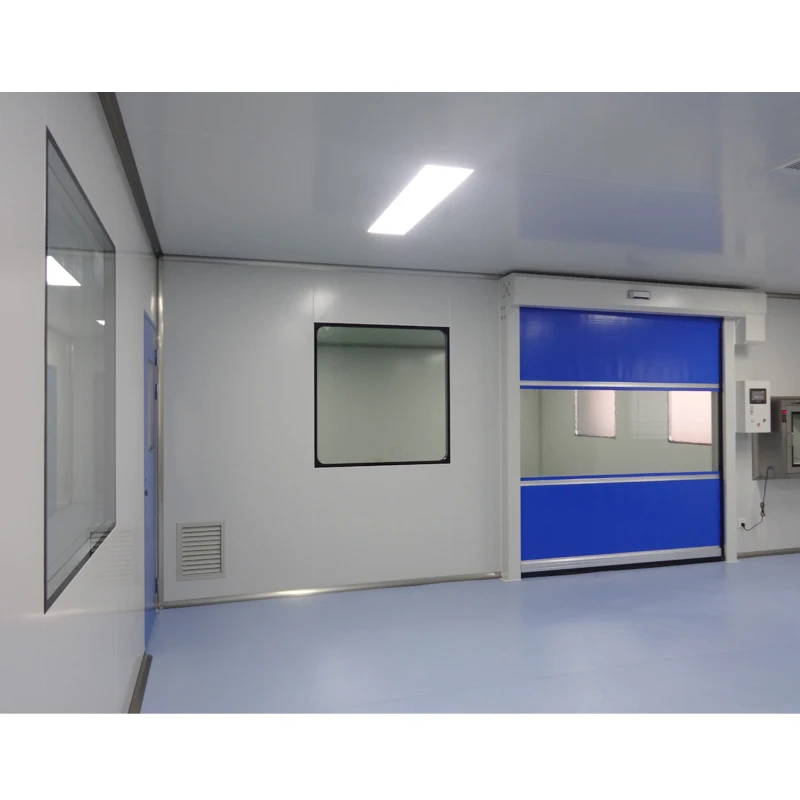
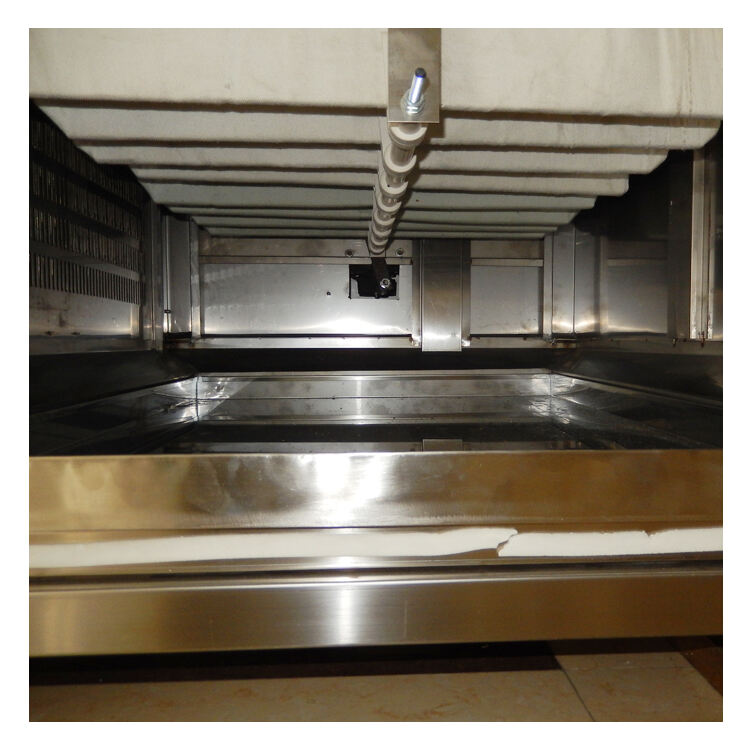
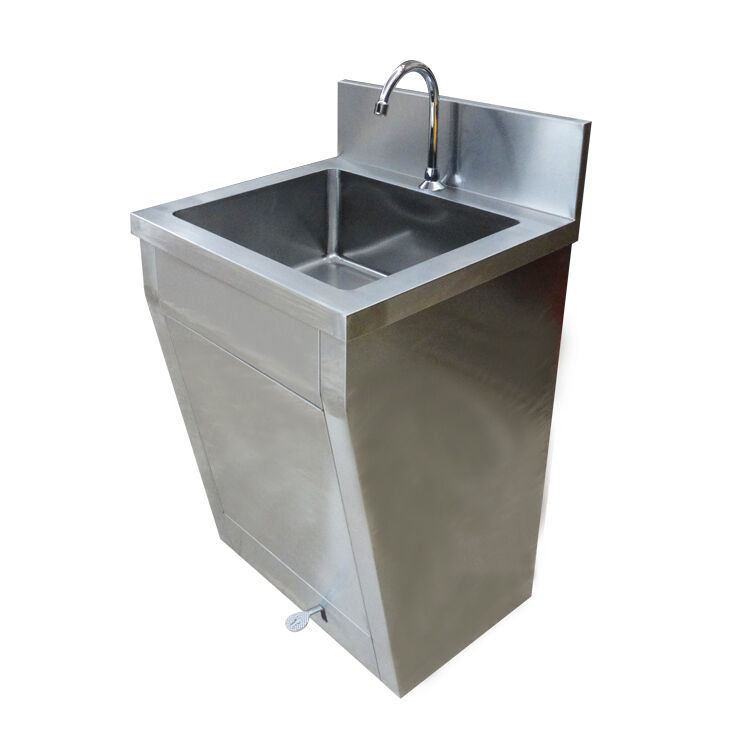
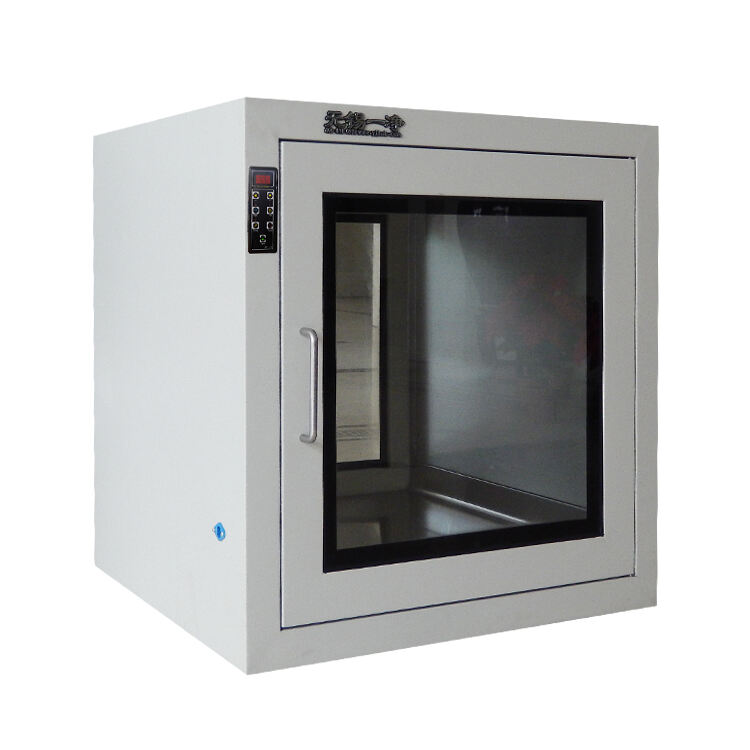
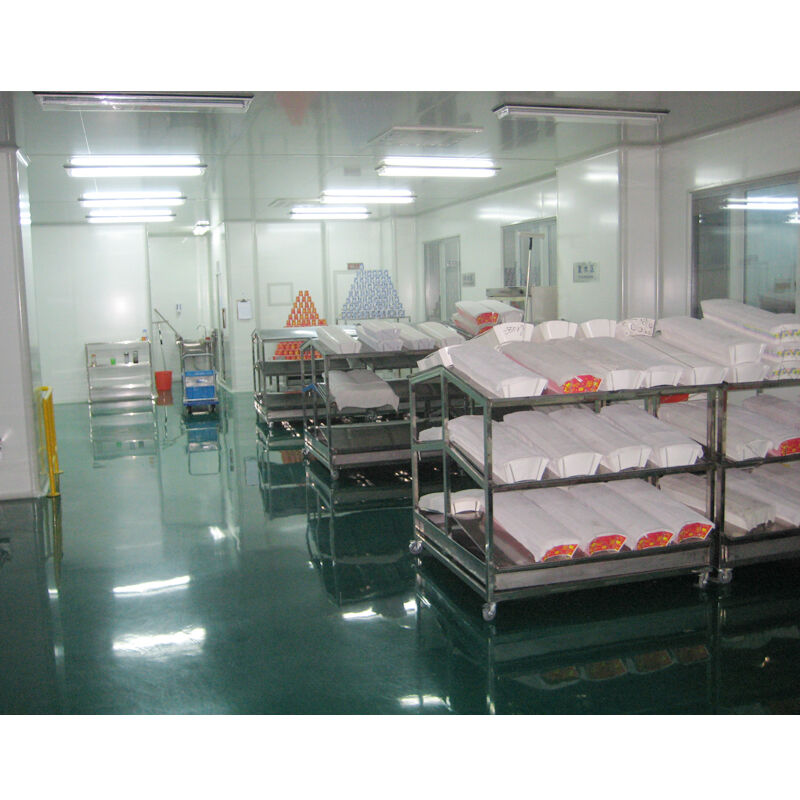
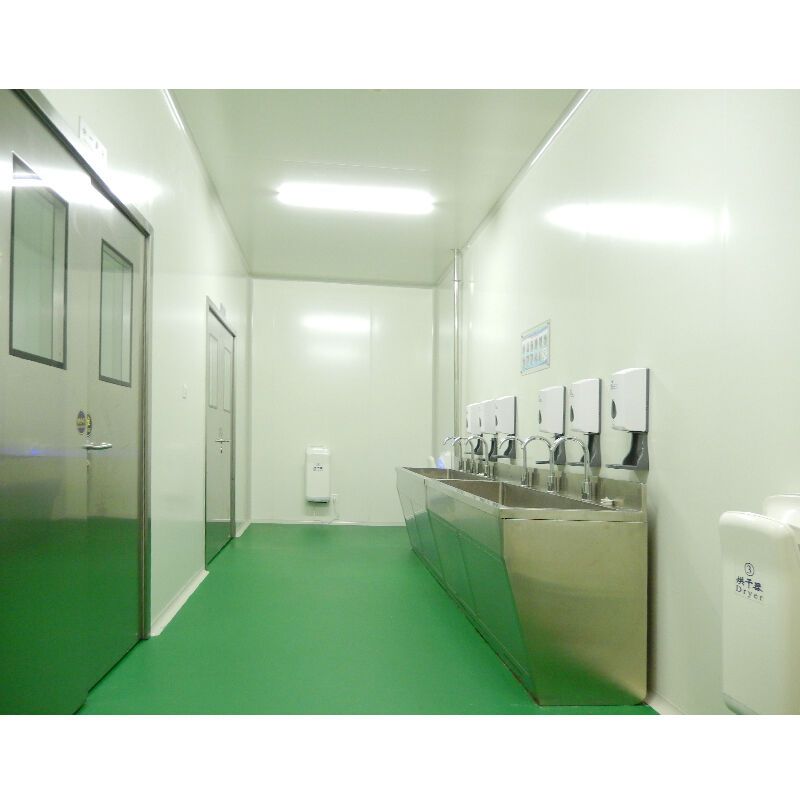
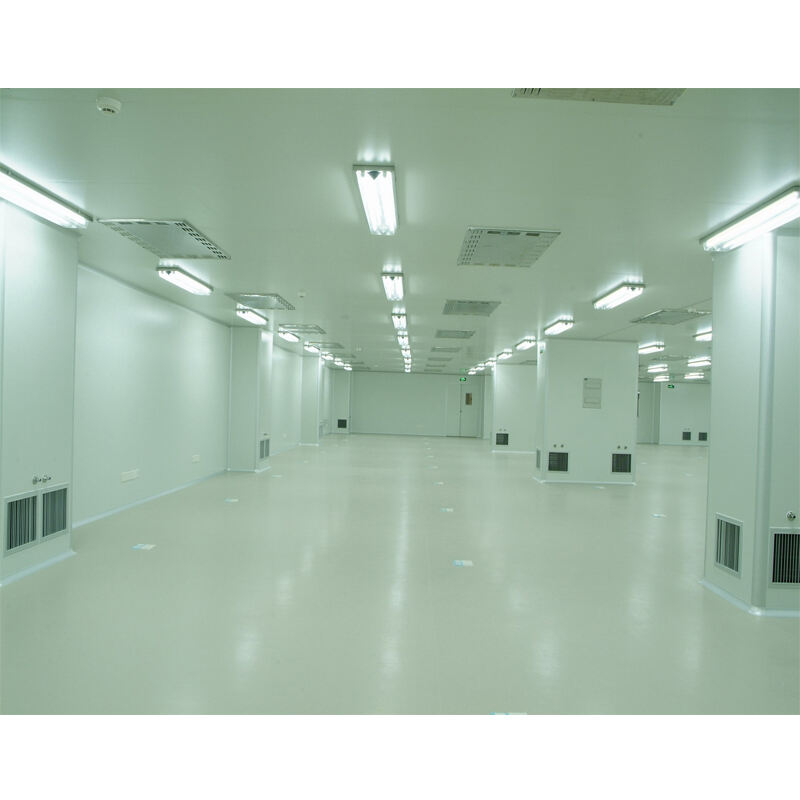
A cgmp compliant facility represents a manufacturing environment that adheres to Current Good Manufacturing Practice regulations established by regulatory authorities such as the FDA. These facilities are designed to ensure that pharmaceutical products, biologics, medical devices, and dietary supplements are consistently produced and controlled according to quality standards. The primary function of a cgmp compliant facility is to minimize risks involved in pharmaceutical production that cannot be eliminated through testing the final product alone. These facilities incorporate systematic approaches to manufacturing that address personnel qualifications, building and facilities design, equipment maintenance, raw material testing, production processes, and quality control procedures. The technological features of a cgmp compliant facility include controlled environmental conditions with precise temperature and humidity monitoring, advanced air filtration systems that maintain cleanroom classifications, and validated equipment that performs consistently within specified parameters. Documentation systems track every aspect of production from raw material receipt through final product release, creating complete batch records that demonstrate compliance. Modern cgmp compliant facility operations utilize automated systems for environmental monitoring, electronic batch records, and real-time data analysis to enhance quality assurance. Applications of these facilities span across pharmaceutical manufacturing including sterile injectables, oral solid dosages, biologics production, and medical device assembly. They serve contract manufacturing organizations, research institutions developing clinical trial materials, and established pharmaceutical companies producing commercial products. The cgmp compliant facility framework ensures product safety, efficacy, and quality while meeting regulatory requirements across different markets globally. These facilities undergo regular inspections by regulatory agencies to verify continued compliance with evolving standards and maintain their operational licenses for producing healthcare products that reach patients worldwide.

New Product Recommendations

Operating within a cgmp compliant facility delivers substantial benefits that directly impact product quality and business success. First, these facilities provide assurance that every product manufactured meets consistent quality standards through validated processes and rigorous testing protocols. This consistency reduces the risk of product recalls, which can be financially devastating and damage brand reputation. When you manufacture in a cgmp compliant facility, you gain access to global markets because regulatory agencies worldwide recognize these standards, streamlining the approval process for international distribution. The structured approach to manufacturing within a cgmp compliant facility creates efficiency through standardized procedures that reduce errors and waste. Personnel working in these environments receive specialized training that enhances their skills and ensures they understand the critical nature of their responsibilities in protecting patient safety. Another significant advantage is the comprehensive documentation system that provides complete traceability for every batch produced. If questions arise about a product, manufacturers can quickly access detailed records showing exactly what materials were used, which equipment processed the batch, and what testing confirmed quality specifications were met. This transparency builds trust with regulatory agencies, healthcare providers, and patients. A cgmp compliant facility also incorporates preventive maintenance programs that keep equipment operating reliably, reducing unexpected downtime that disrupts production schedules. The controlled environments within these facilities protect products from contamination, ensuring that what reaches patients is pure and safe. For businesses, investing in a cgmp compliant facility demonstrates commitment to quality that differentiates them from competitors who may cut corners. This commitment attracts partnerships with reputable organizations and opens opportunities for contract manufacturing relationships. The quality systems embedded in a cgmp compliant facility create a culture of continuous improvement where teams regularly evaluate processes and implement enhancements. This proactive approach identifies potential issues before they become problems, saving time and resources. Insurance costs may be lower for companies operating cgmp compliant facility spaces because the reduced risk of quality failures translates to fewer liability claims. Employees take pride in working within facilities that prioritize safety and quality, leading to better retention and a more engaged workforce. Ultimately, a cgmp compliant facility protects the most important stakeholder in pharmaceutical manufacturing: the patient who depends on safe, effective medications to maintain or restore their health.

Latest News

What Are the Benefits of Modular Air Handling Units

02

Dec

What Are the Benefits of Modular Air Handling Units

Modern industrial facilities and commercial buildings face increasingly complex air quality challenges that require sophisticated yet adaptable solutions. Traditional HVAC systems often fall short when facilities need to expand, modify operations, or...
View More
What Are the Common Issues with Air Handling Units and Solutions

02

Dec

What Are the Common Issues with Air Handling Units and Solutions

Air handling units serve as the backbone of modern HVAC systems, managing air circulation, filtration, and conditioning in commercial and industrial facilities. These sophisticated systems ensure optimal indoor air quality while maintaining energy ef...
View More
Clean Room Applications Across Electronics, Medical, and Precision Manufacturing

30

Jan

Clean Room Applications Across Electronics, Medical, and Precision Manufacturing

Modern manufacturing and healthcare facilities rely heavily on controlled environments to ensure product quality, safety, and regulatory compliance. A clean room represents a specialized environment where airborne particles, contaminants, and environ...
View More
What Problems Can Occur If a Clean Room Fails to Meet Industry Standards?

30

Jan

What Problems Can Occur If a Clean Room Fails to Meet Industry Standards?

Clean room facilities serve as the backbone of numerous industries, from pharmaceutical manufacturing to semiconductor production. When these controlled environments fail to meet established clean room standards, the consequences can be severe and fa...
View More

Get a Free Quote

Our representative will contact you soon.
Email
Name
Company Name
Attachment
Please upload at least an attachment
Up to 3 files,more 30mb,suppor jpg、jpeg、png、pdf、doc、docx、xls、xlsx、csv、txt
Message
0/1000

cgmp compliant facility

Advanced Environmental Control Systems Ensure Product Integrity

Advanced Environmental Control Systems Ensure Product Integrity

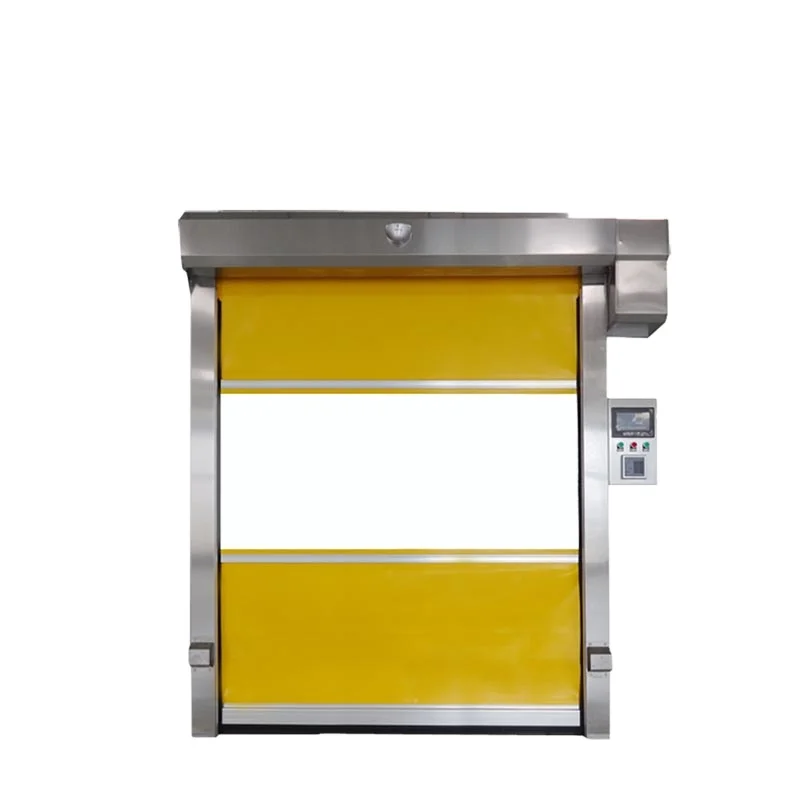
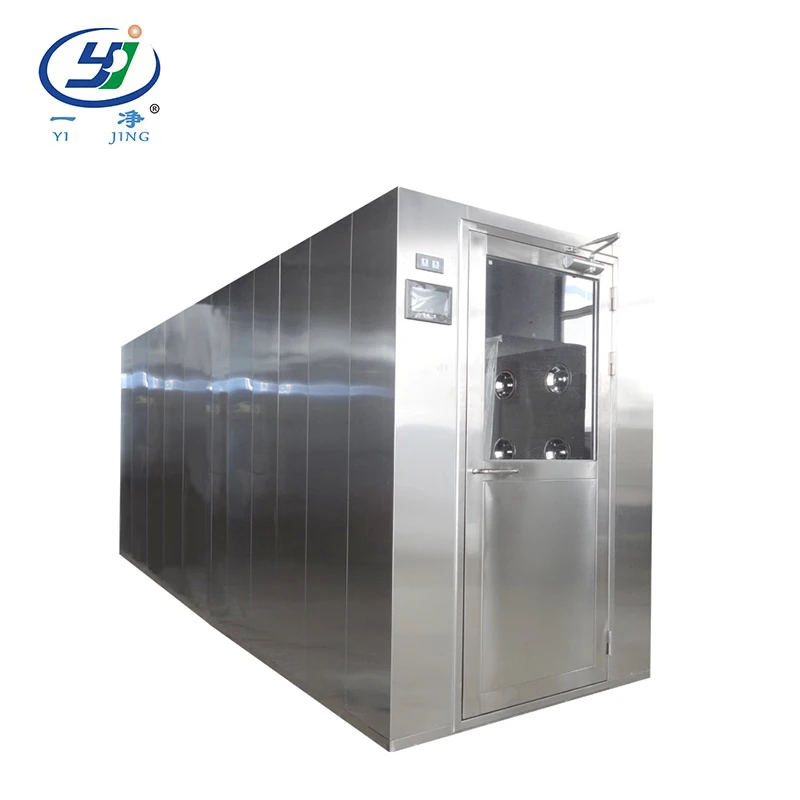
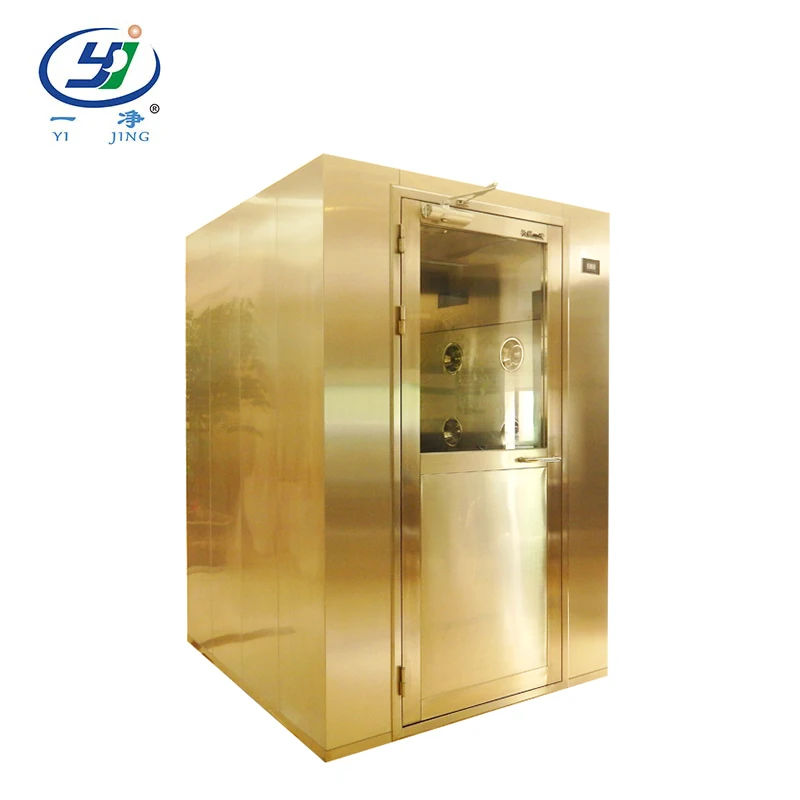
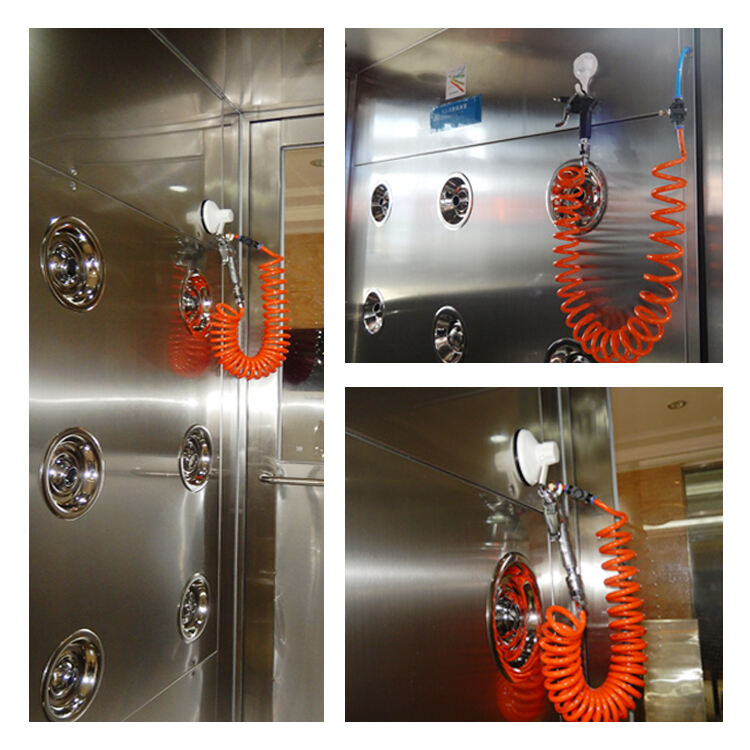
The environmental control systems within a cgmp compliant facility represent one of the most critical technological investments that directly protects product quality throughout the manufacturing process. These sophisticated systems maintain precise temperature ranges, typically between 68 and 77 degrees Fahrenheit, with humidity levels controlled within narrow specifications that prevent moisture-related degradation of pharmaceutical ingredients. The air handling systems in a cgmp compliant facility utilize HEPA filtration that removes 99.97 percent of particles 0.3 microns or larger, creating cleanroom environments classified according to the number of particles permitted per cubic meter of air. Different manufacturing areas within the facility maintain appropriate classifications based on the sensitivity of operations performed, with sterile product manufacturing requiring the highest level of air quality. Pressure differentials between rooms prevent contamination migration, with air flowing from cleaner areas toward less critical spaces. The cgmp compliant facility monitors these environmental parameters continuously through validated sensors that trigger alarms if conditions drift outside acceptable ranges, allowing immediate corrective action before product quality is compromised. Regular calibration of monitoring equipment ensures accuracy, with documentation proving that instruments perform reliably. The environmental control systems also manage air exchange rates that remove airborne contaminants generated during manufacturing operations, maintaining the cleanroom classification throughout production activities. These systems operate with redundancy built in, so backup equipment automatically engages if primary systems fail, ensuring uninterrupted environmental control. The investment in advanced environmental systems within a cgmp compliant facility pays dividends through reduced contamination events, fewer batch failures, and consistent product quality that meets regulatory specifications. Personnel working in these controlled environments follow gowning procedures that minimize the introduction of contaminants from outside sources, with the facility design supporting these practices through appropriately located gowning rooms and airlocks. The combination of engineered systems and trained personnel creates a manufacturing environment where products are protected from the moment raw materials enter until finished goods are packaged and released for distribution.
Comprehensive Documentation and Traceability Systems

Comprehensive Documentation and Traceability Systems

Documentation forms the backbone of operations within a cgmp compliant facility, creating a complete historical record that demonstrates every product was manufactured according to approved procedures and met all quality specifications before release. The documentation systems in a cgmp compliant facility begin with master batch records that define exactly how each product should be manufactured, including specific equipment to be used, processing parameters, in-process testing requirements, and acceptance criteria. When production begins, operators create batch production records that document actual manufacturing activities, recording weights of materials added, equipment identification numbers, processing times and temperatures, and results of quality checks performed during production. Every entry in these records includes the signature or electronic identification of the person performing the activity and the date and time it occurred, creating accountability and traceability. The cgmp compliant facility maintains standard operating procedures for every activity that could impact product quality, from equipment cleaning to environmental monitoring to laboratory testing methods. These procedures undergo formal review and approval before implementation, with version control ensuring personnel always access current instructions. Change control systems within the cgmp compliant facility evaluate proposed modifications to processes, equipment, or procedures, assessing potential impacts on product quality before changes are implemented. This systematic approach prevents unintended consequences that could compromise product safety or efficacy. Deviation management processes document when activities do not proceed exactly as planned, requiring investigation to determine root causes and implementation of corrective actions that prevent recurrence. The documentation generated within a cgmp compliant facility supports regulatory inspections by providing objective evidence of compliance with manufacturing standards. Auditors can trace a finished product back through every step of its production, verifying that approved procedures were followed and quality standards were met. Electronic systems increasingly replace paper records in modern cgmp compliant facility operations, offering advantages including improved data integrity through audit trails that capture who accessed records and what changes were made, enhanced searchability that allows rapid retrieval of specific information, and reduced storage space requirements. Regardless of format, the documentation systems within a cgmp compliant facility serve the essential purpose of proving that products are manufactured with consistent quality and meet all requirements for safety and efficacy.

Validated Equipment and Process Control

Validated Equipment and Process Control

Equipment validation represents a fundamental requirement within any cgmp compliant facility, ensuring that manufacturing equipment performs consistently and reliably within specified parameters throughout its operational life. The validation process begins during equipment installation, with Installation Qualification protocols verifying that equipment is installed according to manufacturer specifications and facility requirements. Operational Qualification testing then confirms that equipment operates correctly across its intended operating ranges, with all functions performing as designed. Performance Qualification demonstrates that equipment consistently produces results meeting predetermined acceptance criteria when operated by trained personnel following standard procedures. This three-phase validation approach provides documented evidence that equipment in a cgmp compliant facility is suitable for its intended use. Once validated, equipment undergoes regular preventive maintenance according to schedules based on manufacturer recommendations and operational experience, with maintenance activities documented to demonstrate equipment remains in a validated state. Calibration programs ensure that instruments used to monitor and control manufacturing processes provide accurate measurements, with calibration performed at defined intervals using standards traceable to national or international references. The cgmp compliant facility maintains equipment logbooks that record all maintenance, calibration, cleaning, and use, creating a complete history for each piece of equipment. Process validation extends beyond equipment to demonstrate that manufacturing processes consistently produce products meeting quality attributes and specifications. Process Performance Qualification studies evaluate multiple batches manufactured under routine conditions, collecting data that proves the process operates in a state of control. Statistical analysis of this data identifies normal variation and establishes process capability, informing decisions about appropriate specifications and control strategies. The cgmp compliant facility implements process controls that monitor critical parameters during manufacturing, with automated systems often providing real-time feedback that allows operators to make adjustments maintaining optimal conditions. When processes drift outside normal operating ranges, investigation procedures determine whether product quality was impacted and what corrective actions are needed. Revalidation occurs periodically or when significant changes are made to equipment, processes, or materials, ensuring that validated status is maintained throughout the product lifecycle. The investment in validation activities within a cgmp compliant facility provides confidence that manufacturing operations are under control and capable of consistently producing quality products that meet patient needs.

Get a Free Quote

Our representative will contact you soon.
Email
Name
Company Name
Attachment
Please upload at least an attachment
Up to 3 files,more 30mb,suppor jpg、jpeg、png、pdf、doc、docx、xls、xlsx、csv、txt
Message
0/1000

Get a Free Quote

Our representative will contact you soon.
Email
Name
Company Name
Attachment
Please upload at least an attachment
Up to 3 files,more 30mb,suppor jpg、jpeg、png、pdf、doc、docx、xls、xlsx、csv、txt
Message
0/1000