Pharmaceutical Clean Room Door Solutions: Advanced Contamination Control for GMP Facilities

All Categories

Get a Free Quote

Our representative will contact you soon.
Email
Name
Company Name
Attachment
Please upload at least an attachment
Up to 3 files,more 30mb,suppor jpg、jpeg、png、pdf、doc、docx、xls、xlsx、csv、txt
Message
0/1000

Get a Free Quote

Our representative will contact you soon.
Email
Name
Company Name
Attachment
Please upload at least an attachment
Up to 3 files,more 30mb,suppor jpg、jpeg、png、pdf、doc、docx、xls、xlsx、csv、txt
Message
0/1000

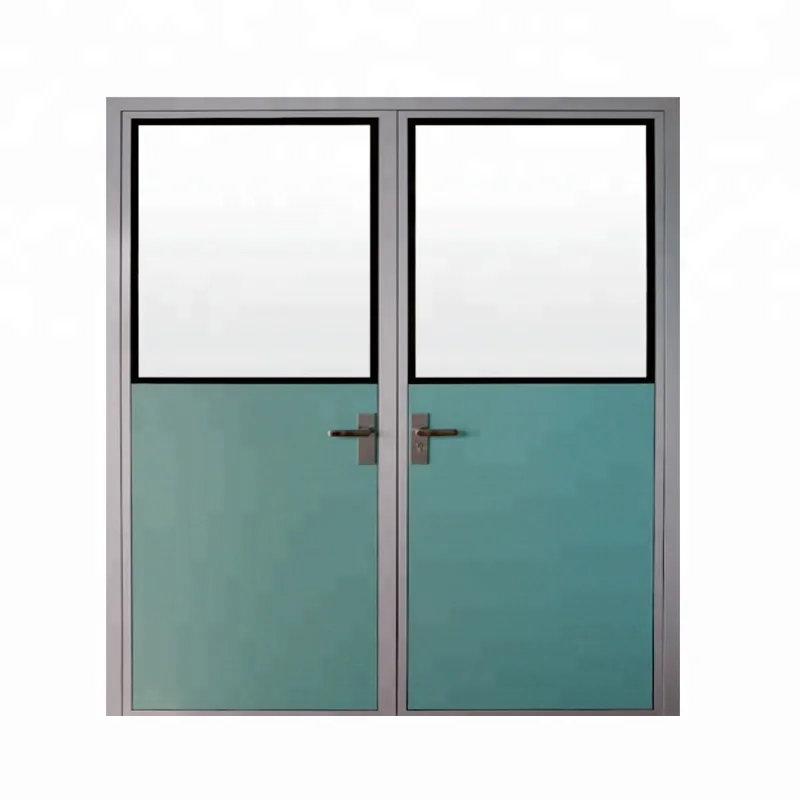
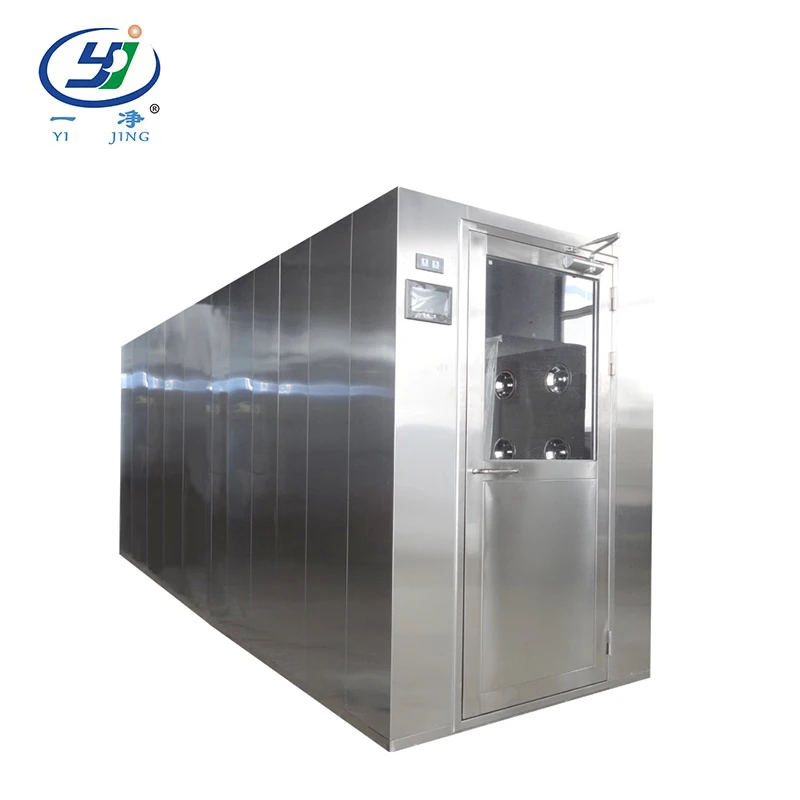
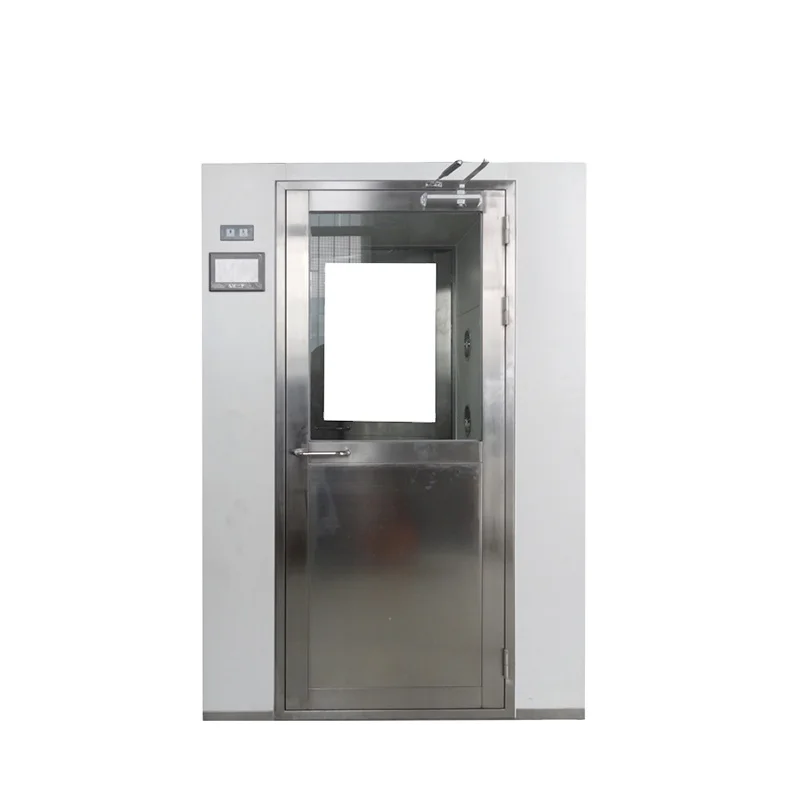
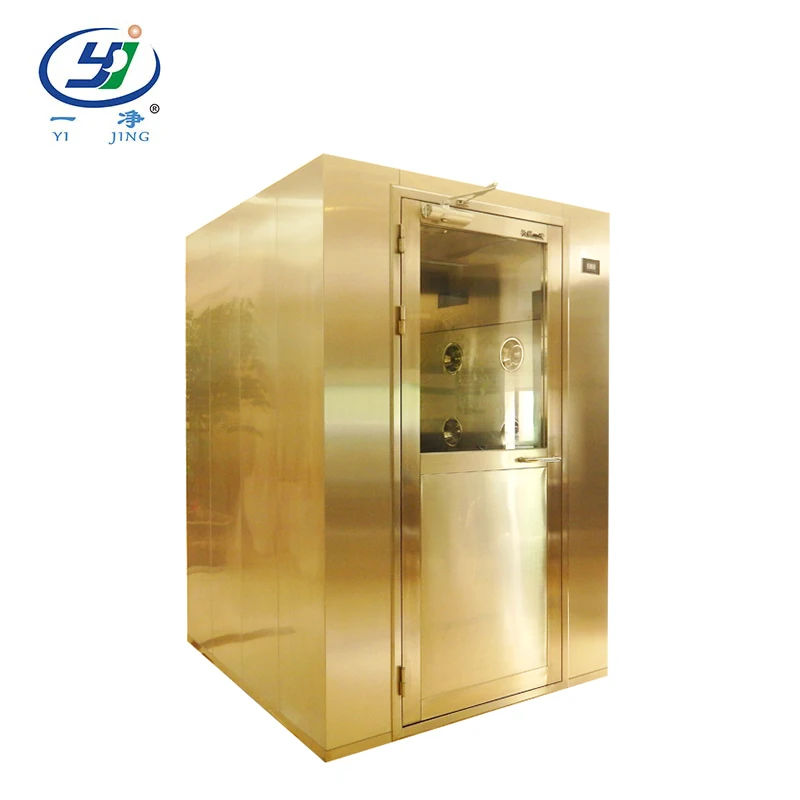
pharmaceutical clean room door

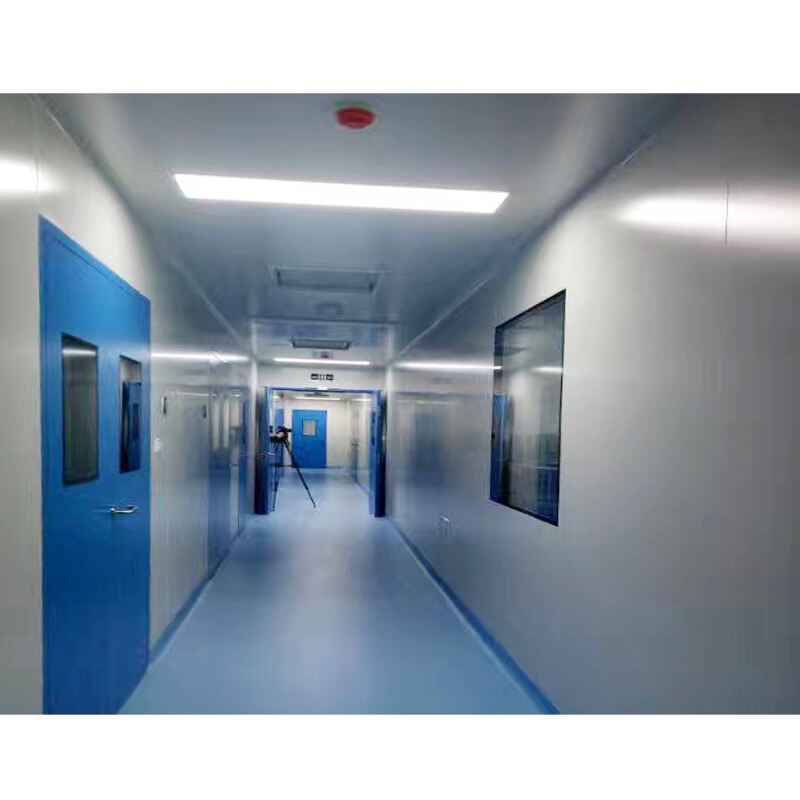
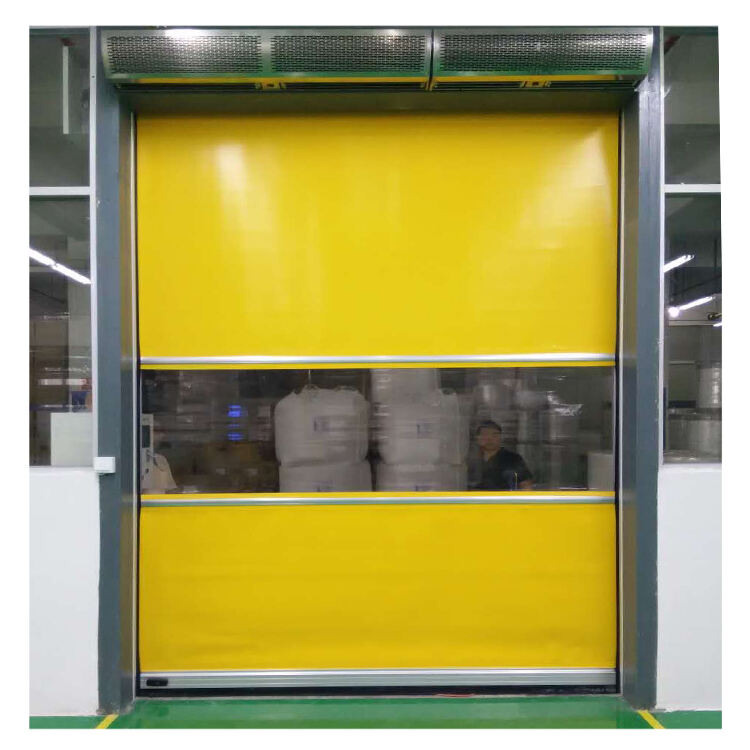
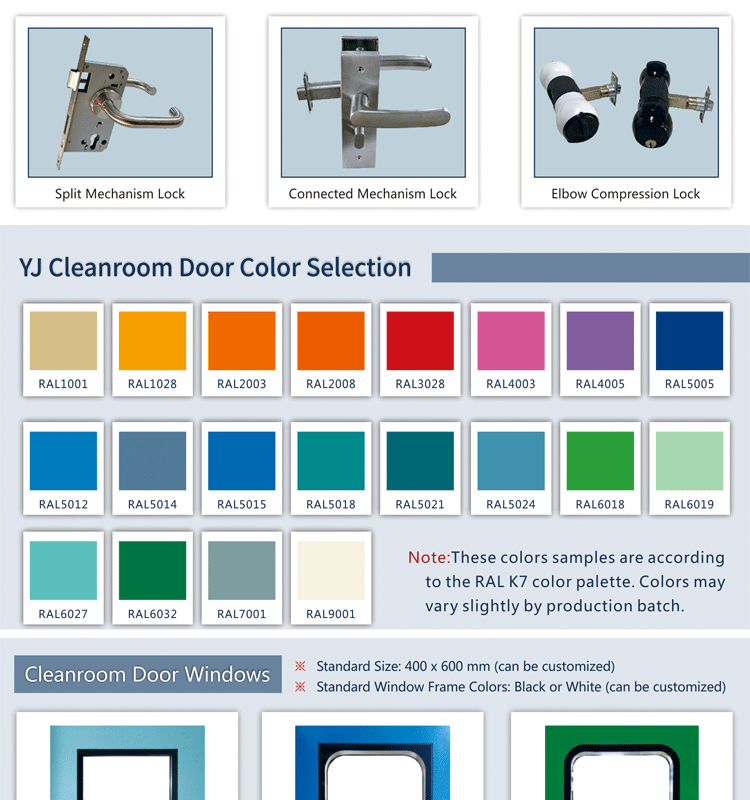
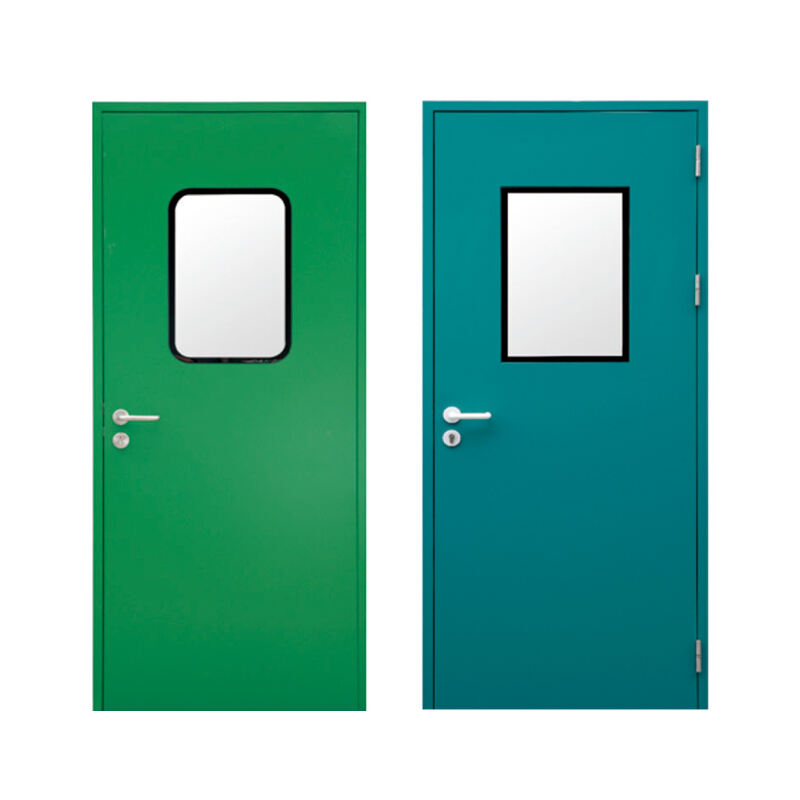
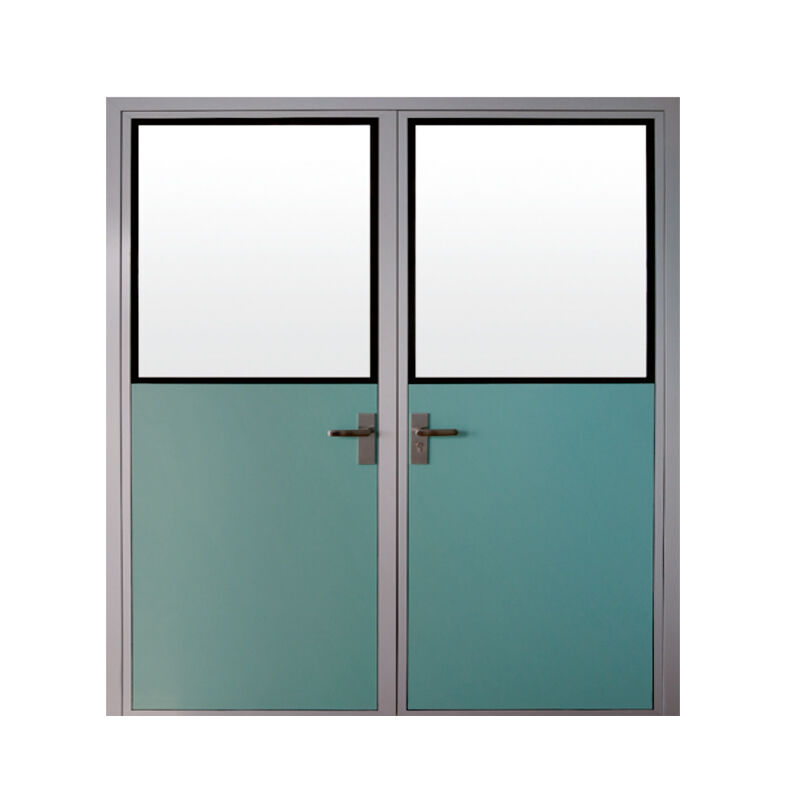
A pharmaceutical clean room door represents a specialized entrance solution engineered specifically for controlled environments where sterility, contamination prevention, and regulatory compliance are paramount. These doors serve as critical barriers in pharmaceutical manufacturing facilities, laboratories, hospitals, and biotechnology research centers. The pharmaceutical clean room door maintains strict environmental controls by preventing the migration of airborne particles, microorganisms, and contaminants between different cleanliness zones. Modern pharmaceutical clean room doors incorporate advanced sealing technologies, smooth surfaces that resist bacterial growth, and materials that withstand rigorous cleaning protocols involving aggressive disinfectants and sanitizing agents. The primary function of a pharmaceutical clean room door extends beyond simple access control; it actively contributes to maintaining differential pressure levels between adjacent rooms, which is essential for preventing cross-contamination. These doors feature flush-mounted hardware to eliminate dust accumulation points and utilize non-porous materials that do not shed particles. The technological features integrated into pharmaceutical clean room doors include automated opening mechanisms that reduce manual contact, interlocking systems that prevent simultaneous opening of multiple doors in airlocks, and vision panels made from materials that maintain clarity while resisting chemical degradation. Applications span across various pharmaceutical processes including aseptic filling operations, sterile compounding areas, quality control laboratories, packaging zones, and storage facilities for sensitive materials. The pharmaceutical clean room door must comply with international standards such as ISO 14644 for cleanroom classification and Good Manufacturing Practice (GMP) guidelines. These specialized doors also incorporate safety features like emergency release mechanisms, fire-rating options, and integration capabilities with building management systems for monitoring and control purposes, making them indispensable components in facilities where product purity and patient safety depend on environmental integrity.

Popular Products

The pharmaceutical clean room door delivers substantial practical benefits that directly impact operational efficiency and product quality in controlled environments. First and foremost, these doors provide superior contamination control, which translates to reduced product rejection rates and lower financial losses from batch failures. The hermetic sealing system prevents unwanted air exchange, ensuring that your clean room maintains its designated classification level consistently throughout production cycles. This reliability means fewer validation failures and reduced downtime for environmental remediation. The smooth, non-porous surfaces of pharmaceutical clean room doors save considerable time and labor costs during cleaning procedures. Unlike conventional doors with textured surfaces and crevices where contaminants can hide, these specialized doors can be cleaned thoroughly in minutes rather than hours, allowing your staff to focus on core activities rather than maintenance tasks. The durability of materials used in pharmaceutical clean room doors means extended service life, often exceeding fifteen years with proper maintenance, which represents excellent long-term value compared to standard doors that require frequent replacement in harsh pharmaceutical environments. Energy efficiency is another significant advantage, as the superior insulation and tight seals reduce heating and cooling costs by maintaining stable temperature conditions with minimal HVAC system strain. The automated operation options available with pharmaceutical clean room doors minimize human contact, reducing both contamination risks and physical strain on employees who would otherwise need to manually operate heavy doors multiple times per shift. This automation also improves traffic flow in busy facilities, eliminating bottlenecks at entry points during shift changes or material transfers. Safety features built into pharmaceutical clean room doors protect your workforce from accidents while ensuring emergency egress remains uncompromised. The integration capabilities allow these doors to communicate with your facility management systems, providing real-time status updates and enabling predictive maintenance scheduling that prevents unexpected failures. Compliance assurance is perhaps the most valuable advantage, as pharmaceutical clean room doors are designed to meet stringent regulatory requirements, simplifying audit preparations and reducing the risk of costly compliance violations. The professional appearance of these doors also creates positive impressions during client visits and regulatory inspections, reflecting your organization's commitment to quality standards and operational excellence in pharmaceutical manufacturing.

Tips And Tricks

What Are the Key Components of an Effective Clean Air System

21

Oct

What Are the Key Components of an Effective Clean Air System

Understanding Modern Clean Air Technologies and Their Impact A well-designed clean air system serves as the foundation for maintaining optimal indoor air quality in both residential and commercial spaces. As we spend approximately 90% of our time ind...
View More
How to Install Clean Panels Without Contaminating Environments

21

Oct

How to Install Clean Panels Without Contaminating Environments

Essential Guidelines for Clean Panel Installation in Controlled Settings Clean panels represent a crucial component in controlled environments like cleanrooms, laboratories, and pharmaceutical facilities. Their proper installation is paramount for ma...
View More
What Are the Benefits of Modular Air Handling Units

02

Dec

What Are the Benefits of Modular Air Handling Units

Modern industrial facilities and commercial buildings face increasingly complex air quality challenges that require sophisticated yet adaptable solutions. Traditional HVAC systems often fall short when facilities need to expand, modify operations, or...
View More
What Industries Require High-Performance Clean Benches

02

Dec

What Industries Require High-Performance Clean Benches

Modern manufacturing and research facilities across numerous industries depend on contamination-free environments to ensure product quality, safety, and compliance with stringent regulations. Clean benches have become essential equipment in these con...
View More

Get a Free Quote

Our representative will contact you soon.
Email
Name
Company Name
Attachment
Please upload at least an attachment
Up to 3 files,more 30mb,suppor jpg、jpeg、png、pdf、doc、docx、xls、xlsx、csv、txt
Message
0/1000

pharmaceutical clean room door

Advanced Contamination Barrier Technology

Advanced Contamination Barrier Technology

The pharmaceutical clean room door employs sophisticated contamination barrier technology that represents a quantum leap beyond conventional door systems in protecting sensitive pharmaceutical environments. At the core of this technology lies a multi-stage sealing system that creates an impenetrable barrier against particulate matter, microorganisms, and environmental contaminants that could compromise product integrity. The sealing mechanism typically incorporates inflatable gaskets that activate upon door closure, creating positive contact across the entire perimeter without gaps or weak points where contamination could infiltrate. This inflatable seal technology adjusts automatically to compensate for building settlement, thermal expansion, or minor structural movements that might create gaps in traditional seal designs. The door construction utilizes materials specifically selected for their non-shedding properties, ensuring that the door itself does not become a contamination source through particle generation from surface degradation or mechanical wear. Pharmaceutical clean room doors feature flush-mounted hardware designs that eliminate protruding elements where dust and microorganisms could accumulate, making every surface easily accessible for thorough cleaning and disinfection. The vision panels integrated into these doors use specialized glazing materials that resist chemical attack from powerful cleaning agents while maintaining optical clarity for safety observation purposes. The threshold design receives particular attention, with options including zero-threshold configurations that eliminate tripping hazards while maintaining seal integrity, or recessed track systems that protect sealing surfaces from damage caused by cart traffic. The pharmaceutical clean room door also incorporates differential pressure maintenance capabilities, with sealing systems designed to perform effectively across various pressure differentials commonly encountered in pharmaceutical facilities, typically ranging from 5 to 25 Pascals. This pressure control function is critical for maintaining proper air flow patterns that prevent contaminated air from migrating into cleaner areas. The materials used in pharmaceutical clean room door construction undergo rigorous testing for outgassing characteristics, ensuring they do not release volatile organic compounds or other substances that could contaminate pharmaceutical products or interfere with sensitive analytical equipment. The surface finish achieves exceptionally smooth profiles, often with Ra values below 0.8 micrometers, which prevents bacterial adhesion and facilitates complete removal of contaminants during cleaning cycles. This contamination barrier technology delivers measurable results in particle count reduction, with properly installed pharmaceutical clean room doors contributing to particle counts that can reach ISO Class 5 standards or better when integrated into appropriately designed clean room systems.
Intelligent Automation and Control Integration

Intelligent Automation and Control Integration

Modern pharmaceutical clean room doors incorporate intelligent automation and control integration that transforms these portals into smart components of comprehensive facility management ecosystems. The automation systems embedded within pharmaceutical clean room doors offer multiple operational modes tailored to different scenarios encountered in pharmaceutical manufacturing environments. Motion sensors enable hands-free operation, allowing personnel carrying materials or wearing bulky protective equipment to pass through doorways without manual contact that could introduce contaminants from gloves or transfer particles to door surfaces. The pharmaceutical clean room door automation system can be programmed with adjustable timing sequences that control opening speed, hold-open duration, and closing speed to optimize traffic flow while maintaining environmental separation. Interlock functionality represents a critical safety feature where pharmaceutical clean room doors in airlock configurations communicate with each other to prevent simultaneous opening that would compromise the contamination barrier between areas of different cleanliness classifications. This interlock system can be configured with override capabilities for emergency situations while maintaining audit trails of all override events for regulatory documentation purposes. The integration capabilities of pharmaceutical clean room doors extend to building management systems through standard communication protocols including BACnet, Modbus, and proprietary systems used by major facility automation vendors. This connectivity enables real-time monitoring of door status, cycle counts, and operational parameters that inform predictive maintenance schedules and identify potential issues before they result in system failures. Access control integration allows pharmaceutical clean room doors to interface with badge readers, biometric scanners, and centralized security systems, ensuring that only authorized personnel enter controlled areas while maintaining complete records of entry events. The pharmaceutical clean room door control systems can also implement time-based restrictions, limiting access to certain areas during specific production phases or maintenance periods. Advanced sensor arrays monitor environmental conditions around pharmaceutical clean room doors, detecting pressure differentials, temperature variations, and even particle counts in some installations, with automatic alerts triggered when parameters drift outside acceptable ranges. The user interface options for pharmaceutical clean room doors range from simple push-button controls for basic operation to sophisticated touchscreen panels that display system status, allow parameter adjustments, and provide diagnostic information to maintenance personnel. Emergency response programming ensures that pharmaceutical clean room doors respond appropriately during fire alarms or other critical events, with options for automatic opening to facilitate evacuation or automatic closing to contain hazardous conditions depending on the specific requirements of each installation location.
Regulatory Compliance and Validation Support

Regulatory Compliance and Validation Support

The pharmaceutical clean room door is engineered from the ground up to facilitate regulatory compliance and streamline validation processes that are fundamental requirements in pharmaceutical manufacturing operations. Every aspect of pharmaceutical clean room door design considers the stringent requirements established by regulatory agencies including the Food and Drug Administration, European Medicines Agency, and other international authorities that govern pharmaceutical production standards. The documentation package accompanying pharmaceutical clean room doors includes comprehensive material certifications, manufacturing process records, and performance test data that validation teams require to demonstrate equipment suitability for pharmaceutical applications. These doors are manufactured in facilities operating under quality management systems certified to ISO 9001 standards, with many suppliers also maintaining ISO 14644 certifications specific to cleanroom technology, providing additional assurance of manufacturing quality and expertise. The pharmaceutical clean room door design incorporates features that directly address Good Manufacturing Practice requirements, including smooth surfaces that can be effectively cleaned and sanitized, materials that do not react with common pharmaceutical cleaning agents, and construction methods that prevent harboring of contaminants in joints or fastener locations. Installation qualification protocols for pharmaceutical clean room doors verify that all components are installed according to specifications, with dimensional checks confirming proper fit, seal testing demonstrating integrity, and operational testing validating that automated functions perform as designed. Operational qualification procedures demonstrate that pharmaceutical clean room doors perform consistently across their full range of operating conditions, including cycle testing that confirms reliability over thousands of operations, seal integrity testing under various pressure differentials, and environmental monitoring that verifies the door maintains clean room classification during normal use. Performance qualification activities integrate pharmaceutical clean room doors into actual production scenarios, demonstrating that the doors function appropriately within the complete manufacturing process without introducing contamination or causing operational disruptions. The pharmaceutical clean room door suppliers typically provide validation support services, including template protocols that can be customized to specific facility requirements, technical expertise during validation execution, and documentation review to ensure completeness and regulatory acceptability. Change control procedures for pharmaceutical clean room doors are facilitated by comprehensive configuration documentation that records all specifications, settings, and modifications, enabling facilities to assess the impact of any proposed changes and maintain validation status. Re-qualification requirements following maintenance or repairs are simplified because pharmaceutical clean room door systems are designed with modular components that can be serviced or replaced without compromising the validated state of the overall system. The traceability provided through serial numbers, component identification, and maintenance records supports regulatory inspections by demonstrating equipment history and maintenance compliance throughout the operational life of pharmaceutical clean room doors.


Get a Free Quote

Our representative will contact you soon.
Email
Name
Company Name
Attachment
Please upload at least an attachment
Up to 3 files,more 30mb,suppor jpg、jpeg、png、pdf、doc、docx、xls、xlsx、csv、txt
Message
0/1000

Get a Free Quote

Our representative will contact you soon.
Email
Name
Company Name
Attachment
Please upload at least an attachment
Up to 3 files,more 30mb,suppor jpg、jpeg、png、pdf、doc、docx、xls、xlsx、csv、txt
Message
0/1000