Clean Room Doors Specifications: Complete Guide to Standards, Benefits & Features

All Categories

Get a Free Quote

Our representative will contact you soon.
Email
Name
Company Name
Attachment
Please upload at least an attachment
Up to 3 files,more 30mb,suppor jpg、jpeg、png、pdf、doc、docx、xls、xlsx、csv、txt
Message
0/1000

Get a Free Quote

Our representative will contact you soon.
Email
Name
Company Name
Attachment
Please upload at least an attachment
Up to 3 files,more 30mb,suppor jpg、jpeg、png、pdf、doc、docx、xls、xlsx、csv、txt
Message
0/1000

clean room doors specifications

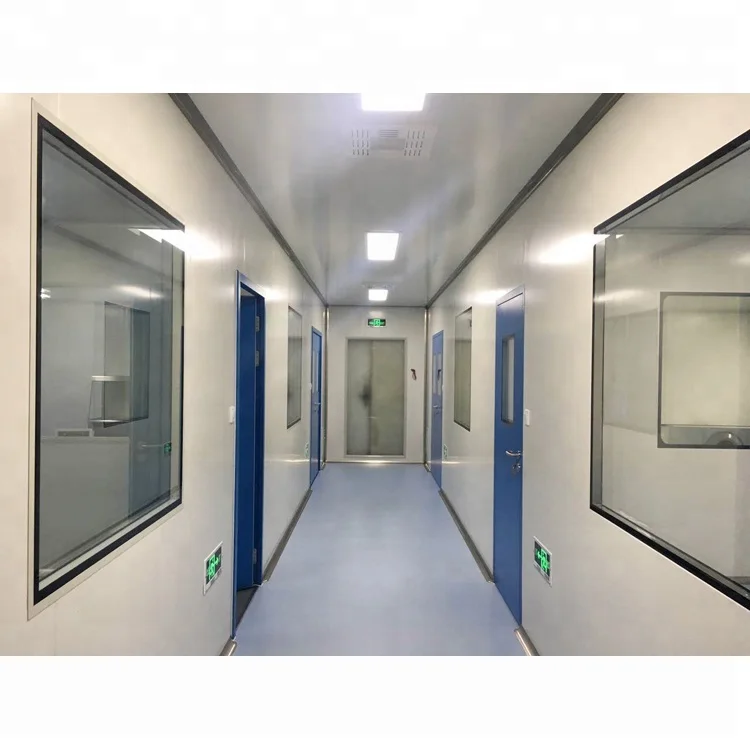
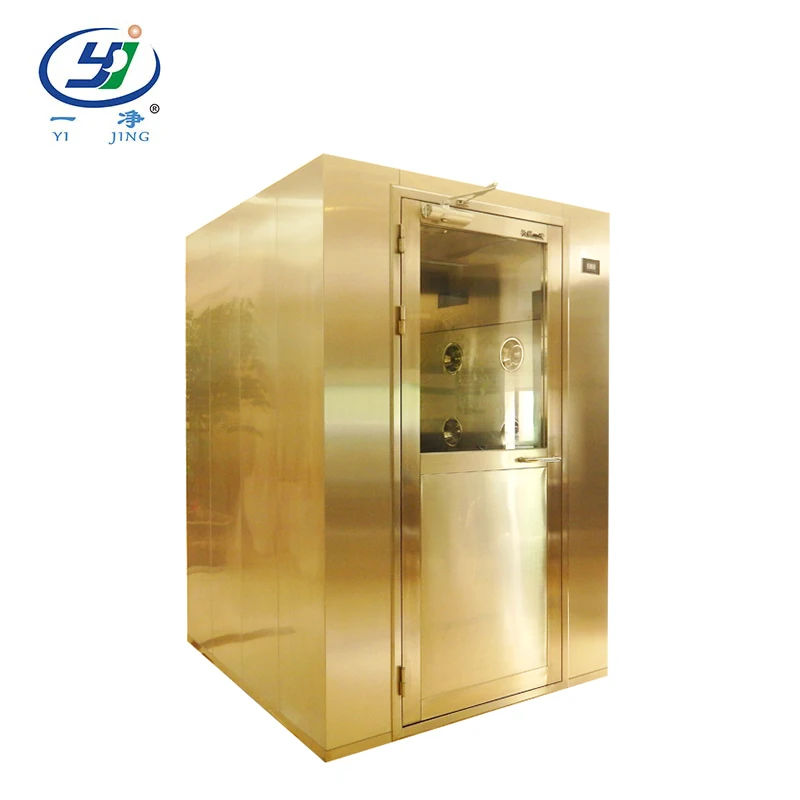
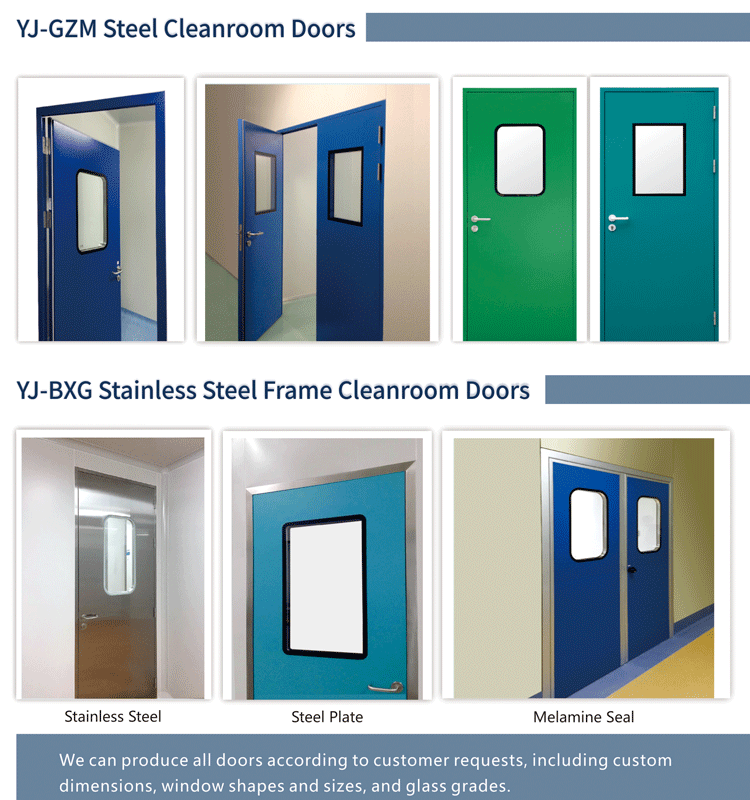
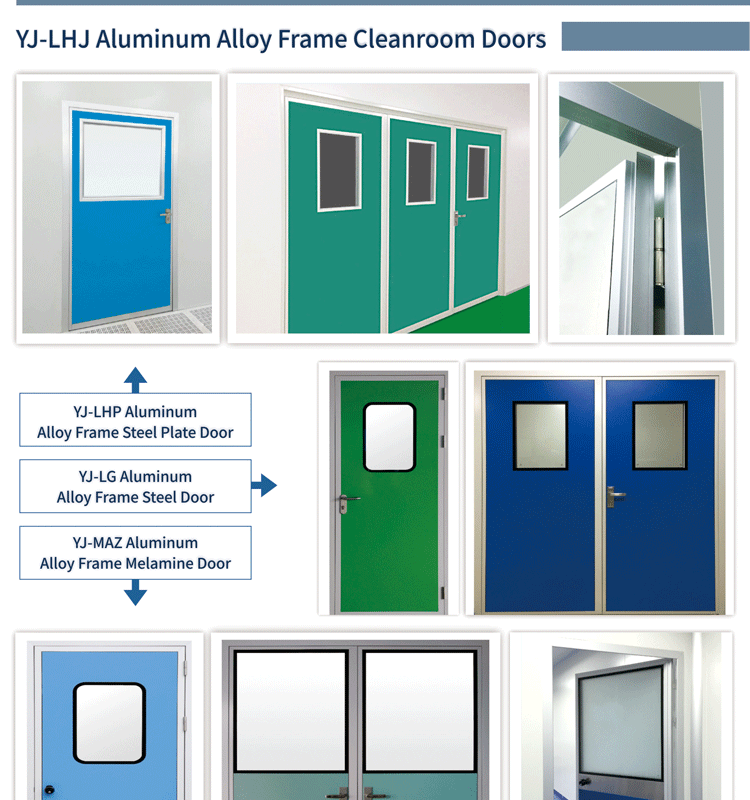
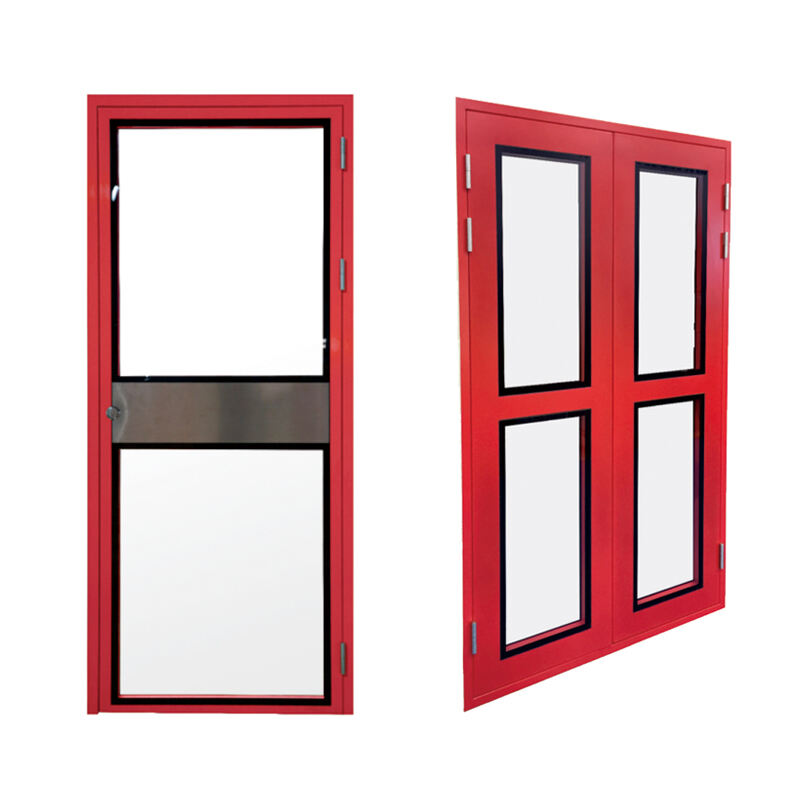
Clean room doors specifications represent critical components in controlled environments where maintaining sterility, air quality, and contamination prevention are paramount. These specialized doors are engineered to meet stringent requirements across pharmaceutical manufacturing, biotechnology laboratories, medical device production, semiconductor fabrication, and food processing facilities. The specifications encompass a comprehensive range of technical parameters including sealing capabilities, material composition, automation features, and compliance standards. Clean room doors specifications typically define airtight construction methods that prevent particle infiltration, ensuring ISO classification standards are maintained within controlled spaces. These doors feature smooth, non-porous surfaces that resist bacterial growth and facilitate easy sanitization protocols. The specifications outline precise tolerances for door gaps, threshold heights, and frame alignments to guarantee optimal performance. Modern clean room doors specifications incorporate advanced materials such as stainless steel, powder-coated aluminum, and specialized polymers that withstand repeated chemical cleaning without degradation. The specifications also address operational aspects including opening mechanisms, whether manual, semi-automatic, or fully automated systems with touchless activation. Interlocking capabilities prevent simultaneous opening of adjacent doors, maintaining pressure differentials crucial for contamination control. Clean room doors specifications detail vision panel requirements, allowing visual monitoring while preserving environmental integrity. Fire resistance ratings, acoustic insulation properties, and electromagnetic shielding characteristics are integral specification elements for facilities requiring multi-functional protection. The specifications establish guidelines for installation procedures, maintenance schedules, and performance validation testing. Customization options within clean room doors specifications accommodate diverse architectural layouts and operational workflows. These comprehensive specifications ensure that doors perform reliably under continuous use while supporting rigorous cleanliness standards demanded by regulated industries and sensitive manufacturing processes.


New Products

Selecting doors that meet proper clean room doors specifications delivers substantial practical benefits for facility operators and quality assurance teams. First, these specifications guarantee superior contamination control by establishing precise sealing mechanisms that block airborne particles, microorganisms, and chemical vapors from entering critical production zones. This protection directly reduces product rejection rates and costly batch failures in pharmaceutical and electronics manufacturing. Second, clean room doors specifications emphasize durability through material requirements that withstand harsh cleaning agents and frequent sanitization cycles without surface degradation or structural compromise. This longevity translates to lower replacement costs and reduced maintenance downtime over the door's operational lifespan. Third, the specifications promote energy efficiency by mandating thermal insulation properties and airtight seals that minimize conditioned air loss, resulting in decreased HVAC operational expenses. Fourth, compliance with established clean room doors specifications simplifies regulatory approval processes since these standards align with FDA, EMA, and ISO certification requirements, saving time and resources during facility audits. Fifth, safety features embedded in the specifications protect personnel through emergency egress provisions, vision panels for collision prevention, and smooth closing mechanisms that prevent injuries. Sixth, the specifications accommodate automation integration, enabling touchless operation that reduces cross-contamination risks from manual handling while improving workflow efficiency in high-traffic areas. Seventh, properly specified doors maintain stable pressure differentials between classified zones, preventing backflow contamination that could compromise entire production batches. Eighth, acoustic properties defined in clean room doors specifications create quieter working environments, improving employee comfort and concentration during precision tasks. Ninth, the standardized specifications facilitate easier procurement processes by providing clear performance criteria for vendor comparison and selection. Tenth, doors meeting comprehensive clean room doors specifications enhance facility value and marketability for companies seeking to lease or sell their controlled environment spaces. Eleventh, the specifications support flexible facility modifications by establishing modular design principles that allow room reconfiguration without complete door replacement. Finally, clean room doors specifications contribute to sustainable operations through recyclable material requirements and energy-saving features that reduce environmental impact while maintaining operational excellence in controlled manufacturing environments.

Latest News

How to Maintain an Air Handling Unit for Consistent Airflow

21

Oct

How to Maintain an Air Handling Unit for Consistent Airflow

Essential Guidelines for Air Handling Unit Performance Air handling units (AHUs) are the backbone of any building's HVAC system, responsible for maintaining comfortable indoor environments and ensuring proper ventilation. Effective air handling unit ...
View More
What Are the Benefits of Using Modular Clean Panels

21

Oct

What Are the Benefits of Using Modular Clean Panels

Understanding the Revolutionary Impact of Modular Clean Panels in Modern Facilities Modular clean panels have transformed the way industries approach controlled environments and cleanroom construction. These innovative building components represent a...
View More
What Are the Benefits of Modular Air Handling Units

02

Dec

What Are the Benefits of Modular Air Handling Units

Modern industrial facilities and commercial buildings face increasingly complex air quality challenges that require sophisticated yet adaptable solutions. Traditional HVAC systems often fall short when facilities need to expand, modify operations, or...
View More
Clean Room Applications Across Electronics, Medical, and Precision Manufacturing

30

Jan

Clean Room Applications Across Electronics, Medical, and Precision Manufacturing

Modern manufacturing and healthcare facilities rely heavily on controlled environments to ensure product quality, safety, and regulatory compliance. A clean room represents a specialized environment where airborne particles, contaminants, and environ...
View More

Get a Free Quote

Our representative will contact you soon.
Email
Name
Company Name
Attachment
Please upload at least an attachment
Up to 3 files,more 30mb,suppor jpg、jpeg、png、pdf、doc、docx、xls、xlsx、csv、txt
Message
0/1000

clean room doors specifications

Advanced Sealing Technology and Contamination Prevention

Advanced Sealing Technology and Contamination Prevention

Clean room doors specifications place exceptional emphasis on sealing technology as the foundation of contamination prevention in controlled environments. The specifications mandate multi-stage sealing systems incorporating perimeter gaskets manufactured from medical-grade silicone or EPDM compounds that maintain elasticity across temperature variations and repeated compressions. These sealing mechanisms create barriers achieving leakage rates below 0.1 cubic meters per hour at 50 Pascal pressure differentials, effectively preventing particle migration between classified zones. The specifications require continuous compression seals rather than segmented designs to eliminate potential breach points where contaminants could penetrate. Advanced clean room doors specifications incorporate adjustable threshold seals that compensate for floor irregularities and settling, maintaining consistent contact throughout the door's service life. Bottom sweep seals extend the full door width with minimal clearance, typically under three millimeters, blocking particle infiltration while permitting smooth operation. The specifications detail testing protocols using particle counters and pressure decay methods to verify sealing effectiveness before operational deployment. Magnetic sealing strips embedded within door frames provide additional containment layers, activating automatically upon closure to enhance barrier integrity. Clean room doors specifications address corner seal design where vertical and horizontal gaskets intersect, mandating vulcanized or molded corner pieces that eliminate gaps inherent in mitred joints. The specifications recognize that proper sealing extends beyond the door itself, encompassing frame installation requirements including substrate preparation, anchor spacing, and sealant application techniques. Pressure-balanced door designs specified for airlocks minimize force requirements during opening cycles while maintaining seal compression when closed. The specifications account for dimensional stability across humidity fluctuations, requiring materials with minimal hygroscopic expansion to preserve seal contact geometry. Vision panels integrated per clean room doors specifications utilize gasketed glazing systems that match perimeter seal performance rather than compromising containment. Hardware penetrations for locks, hinges, and actuators follow specification guidelines requiring sealed bushings and continuous welded construction preventing contaminant pathways. Regular validation procedures outlined in clean room doors specifications include smoke testing, pressure decay monitoring, and particle count verification ensuring sustained sealing performance throughout operational lifecycles.
Material Selection and Surface Engineering for Cleanability

Material Selection and Surface Engineering for Cleanability

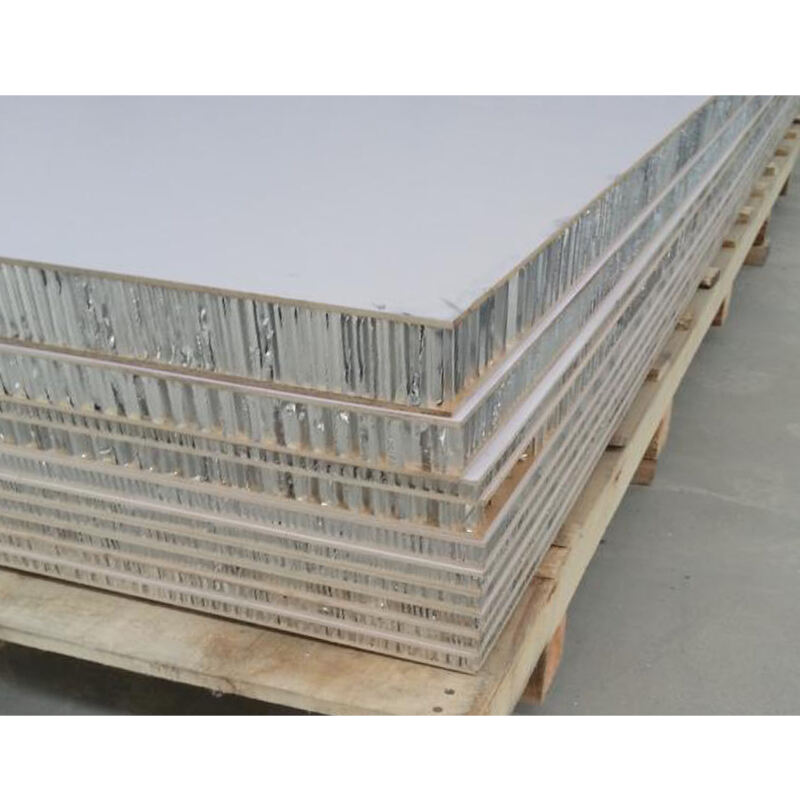
Clean room doors specifications establish rigorous material and surface engineering criteria ensuring optimal cleanability and chemical resistance essential for maintaining sterile environments. The specifications prioritize non-porous surface compositions that prevent microbial colonization and facilitate complete contaminant removal during sanitization procedures. Stainless steel grades specified typically include 304 or 316L variants offering corrosion resistance against disinfectants containing chlorine compounds, quaternary ammonium solutions, and hydrogen peroxide formulations used in pharmaceutical facilities. The specifications mandate surface finishes ranging from 2B mill finish to electropolished 2Ra microinch roughness for critical applications where bacterial adhesion must be minimized. Clean room doors specifications require all exposed surfaces feature radiused edges and coved transitions eliminating sharp corners where residues accumulate and cleaning tools cannot effectively reach. Powder-coated aluminum alternatives specified for less demanding cleanroom classifications utilize epoxy-polyester hybrid coatings providing smooth, cleanable surfaces with enhanced impact resistance. The specifications prohibit porous materials including untreated wood, fabric coverings, and fibrous insulation in exposed areas where particle shedding could compromise cleanliness. Core materials defined in clean room doors specifications include honeycomb aluminum, rigid polyurethane foam, or mineral-filled polymer composites selected for dimensional stability and weight optimization. Surface continuity requirements within the specifications mandate flush-mounted hardware with sealed interfaces preventing crevices that harbor contaminants. Clean room doors specifications address static dissipation for electronics manufacturing environments, requiring surface resistivity between 10 to the sixth and 10 to the ninth ohms per square to prevent electrostatic discharge without compromising cleanability. Chemical compatibility matrices included in comprehensive specifications guide material selection based on specific disinfectant protocols employed by different industries. The specifications recognize thermal cycling effects, requiring materials maintaining surface integrity across temperature ranges from cold storage areas to heated production zones. Transparent materials specified for vision panels include tempered glass, polycarbonate, or acrylic variants with hardcoat treatments resisting scratching during cleaning operations while maintaining optical clarity. Clean room doors specifications mandate factory-applied surface treatments rather than field-applied coatings ensuring consistent quality and eliminating volatile organic compound emissions during facility operation. Antimicrobial additives incorporated into surface coatings per certain specifications provide supplementary protection between scheduled sanitization cycles. The specifications require comprehensive material documentation including certifications, test reports, and maintenance recommendations supporting regulatory compliance and validation requirements for pharmaceutical and medical device manufacturing facilities.
Automation Integration and Operational Efficiency Features

Automation Integration and Operational Efficiency Features

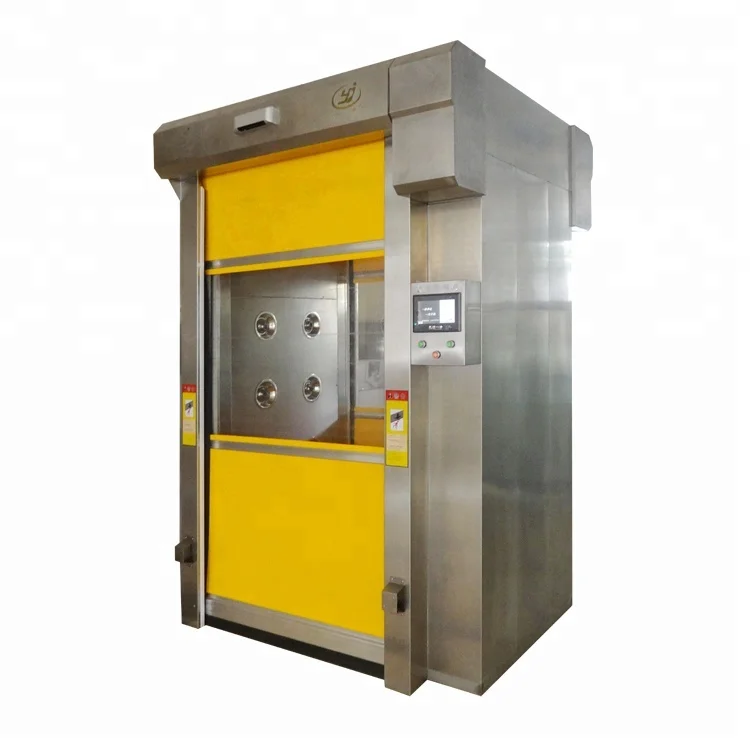
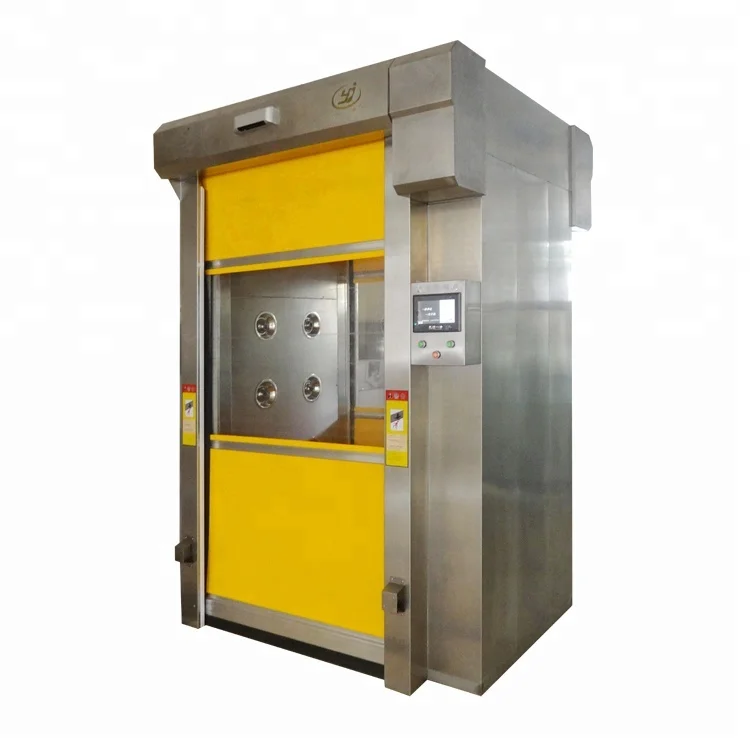
Modern clean room doors specifications increasingly incorporate automation integration capabilities that enhance operational efficiency while strengthening contamination control protocols in controlled environments. The specifications define compatibility with various activation methods including motion sensors, push-button controls, card readers, and programmable logic controllers enabling touchless operation that eliminates cross-contamination risks from manual door handling. Automated systems specified include electromechanical operators, pneumatic actuators, or hydraulic mechanisms selected based on door weight, usage frequency, and environmental conditions. Clean room doors specifications establish operational parameters including opening speeds typically ranging from 0.3 to 0.6 meters per second, balancing throughput efficiency with safety considerations. Adjustable closing delay timers specified allow customization for different traffic patterns and material transfer requirements while minimizing air exchange duration. The specifications mandate safety features including infrared presence detection, pressure-sensitive edges, and obstruction sensors preventing door closure when personnel or equipment occupy the opening. Emergency egress provisions within clean room doors specifications require manual override mechanisms allowing immediate exit during power failures or system malfunctions without compromising normal operational security. Interlock functionality detailed in specifications prevents simultaneous opening of cascading doors maintaining pressure differentials critical for contamination control between classified zones. The specifications address control system integration enabling automation coordination with facility management platforms, access control systems, and environmental monitoring networks. Status indication requirements within clean room doors specifications include visual signals displaying door position, lock status, and system faults facilitating operational awareness and troubleshooting. Power consumption parameters specified ensure energy-efficient operation with standby modes reducing electrical demand during inactive periods. Clean room doors specifications define communication protocols including standard industrial interfaces enabling seamless integration with building automation systems and remote monitoring capabilities. Scheduled operation modes specified allow programming different access permissions and automation behaviors based on time-of-day, shift schedules, or production phases. The specifications require comprehensive diagnostics capabilities including cycle counters, error logs, and predictive maintenance alerts optimizing service scheduling and minimizing unexpected downtime. Backup power provisions detailed in specifications ensure continued operation during utility interruptions maintaining environmental control and facility security. Clean room doors specifications address electromagnetic compatibility ensuring automated components operate reliably without interference from radio frequency equipment common in modern facilities. Modular control architectures specified facilitate future upgrades and feature additions without requiring complete system replacement. User interface requirements within specifications emphasize intuitive controls reducing training requirements and operational errors while maintaining security through hierarchical access management.

Get a Free Quote

Our representative will contact you soon.
Email
Name
Company Name
Attachment
Please upload at least an attachment
Up to 3 files,more 30mb,suppor jpg、jpeg、png、pdf、doc、docx、xls、xlsx、csv、txt
Message
0/1000

Get a Free Quote

Our representative will contact you soon.
Email
Name
Company Name
Attachment
Please upload at least an attachment
Up to 3 files,more 30mb,suppor jpg、jpeg、png、pdf、doc、docx、xls、xlsx、csv、txt
Message
0/1000