Doors Clean Room: Advanced Contamination Control Solutions for Critical Environments

All Categories

Get a Free Quote

Our representative will contact you soon.
Email
Name
Company Name
Attachment
Please upload at least an attachment
Up to 3 files,more 30mb,suppor jpg、jpeg、png、pdf、doc、docx、xls、xlsx、csv、txt
Message
0/1000

Get a Free Quote

Our representative will contact you soon.
Email
Name
Company Name
Attachment
Please upload at least an attachment
Up to 3 files,more 30mb,suppor jpg、jpeg、png、pdf、doc、docx、xls、xlsx、csv、txt
Message
0/1000

doors clean room

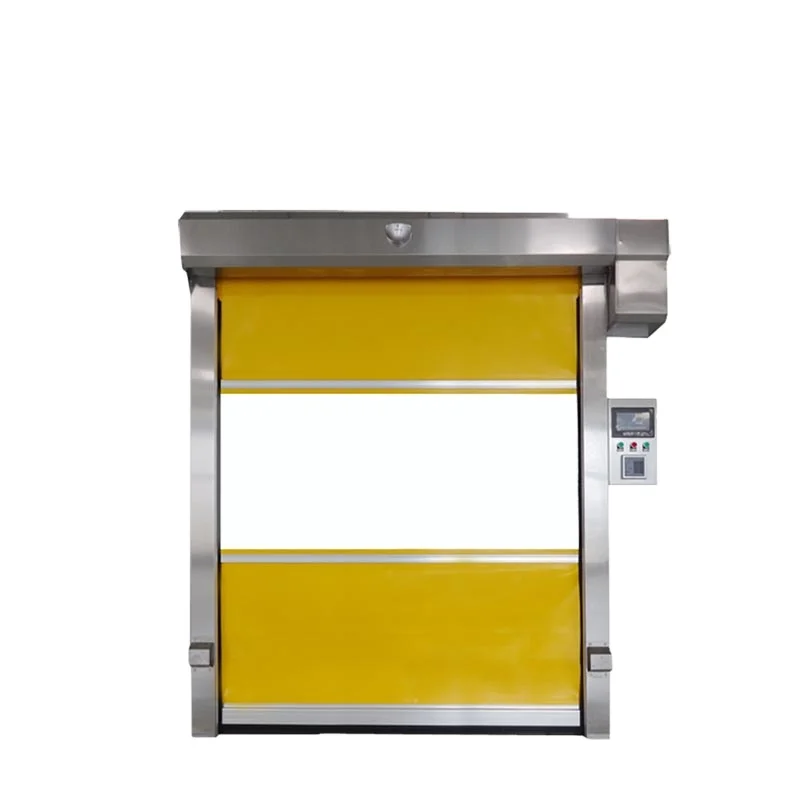
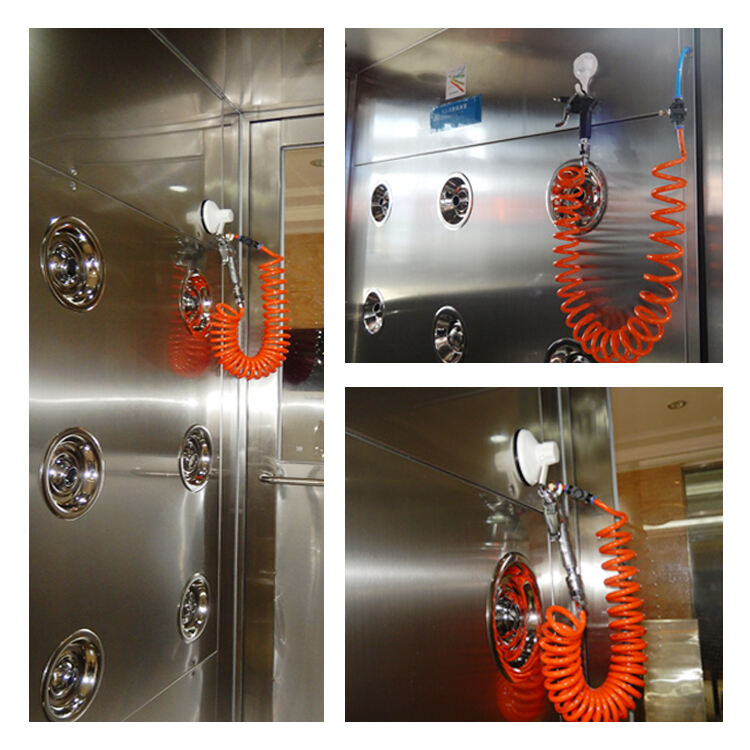
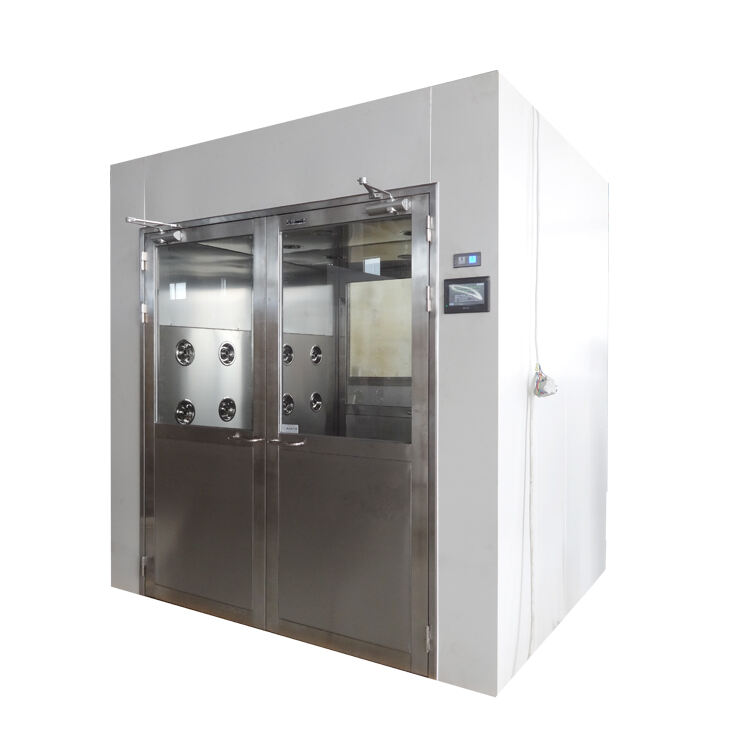
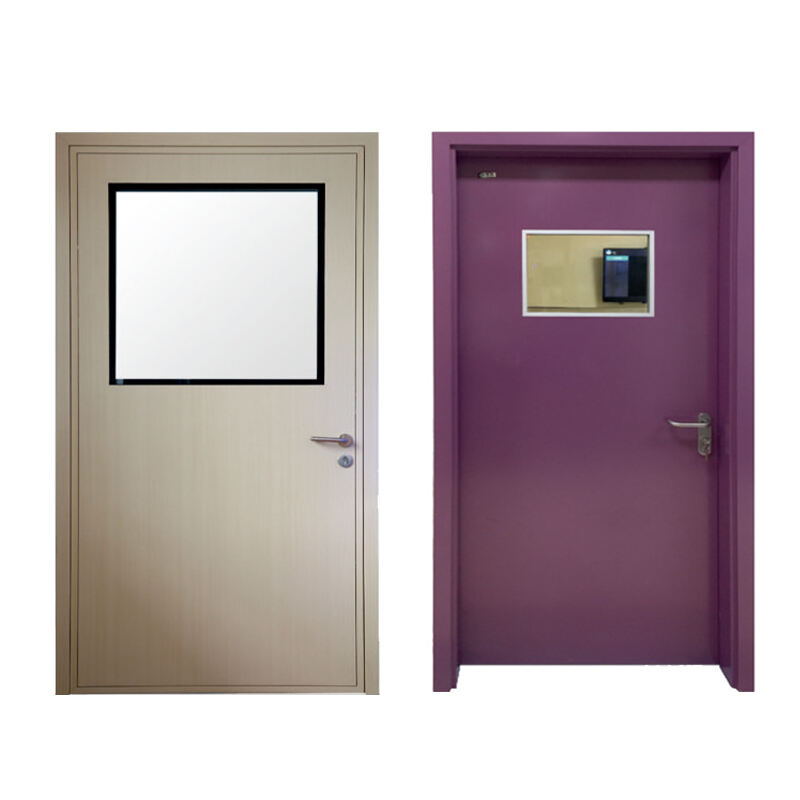
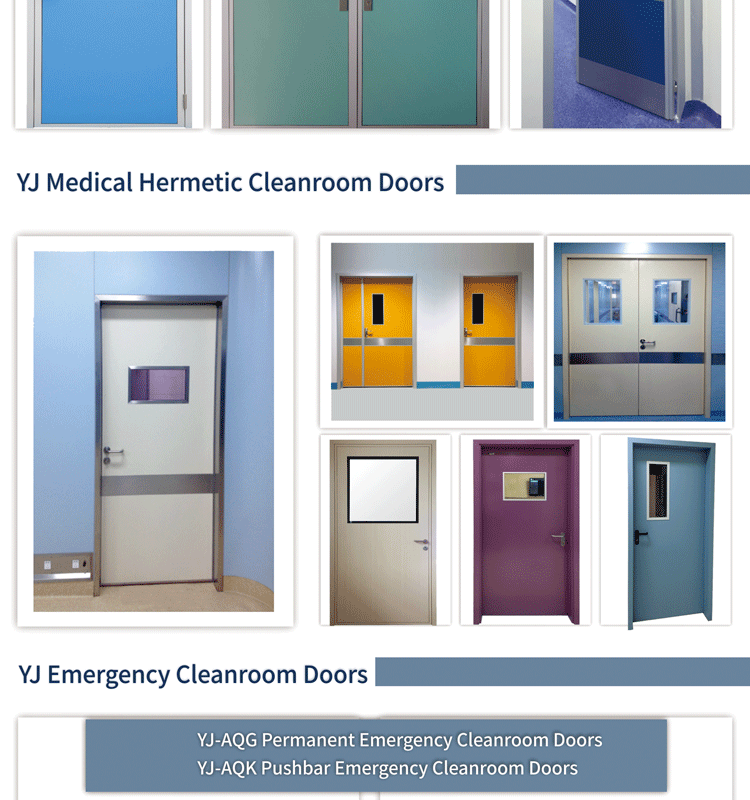
Doors clean room represent a critical component in maintaining controlled environments across pharmaceutical manufacturing, biotechnology research, electronics production, and healthcare facilities. These specialized entry systems serve as barriers between different cleanliness zones, preventing contamination while allowing necessary personnel and material movement. The primary function of doors clean room is to maintain pressure differentials, control airflow patterns, and minimize particle transfer between spaces with varying cleanliness classifications. Modern doors clean room incorporate advanced sealing mechanisms, automated controls, and durable materials designed to withstand frequent cleaning with aggressive disinfectants. The technological features include hermetic sealing systems that prevent air leakage, interlocking mechanisms that ensure only one door opens at a time in airlocks, and smooth surfaces that resist bacterial growth and facilitate thorough sanitization. Many doors clean room now feature vision panels made from impact-resistant materials, allowing visual monitoring without compromising the controlled environment. The integration of access control systems, including card readers, biometric scanners, and electromagnetic locks, ensures only authorized personnel can enter sensitive areas. Applications span across semiconductor fabrication facilities where even microscopic particles can ruin production yields, hospital operating rooms requiring sterile conditions, pharmaceutical compounding areas demanding ISO-classified environments, and research laboratories handling sensitive biological materials. The doors clean room must comply with international standards such as ISO 14644 for cleanroom classification and FDA regulations for pharmaceutical manufacturing. Advanced models incorporate sensors that monitor door status, alert maintenance teams to seal degradation, and integrate with building management systems for comprehensive environmental control. The selection of appropriate doors clean room depends on factors including required cleanliness class, traffic volume, material compatibility with cleaning agents, fire safety requirements, and specific industry regulations governing the facility operations.

New Products

Investing in quality doors clean room delivers substantial operational benefits that directly impact product quality, regulatory compliance, and long-term cost efficiency. The most immediate advantage is contamination prevention, which protects your valuable products from airborne particles, microorganisms, and cross-contamination between different production zones. This protection translates directly into reduced product rejection rates, fewer batch failures, and improved manufacturing yields that quickly offset the initial investment. Energy efficiency represents another significant benefit, as properly sealed doors clean room minimize conditioned air loss, reducing the workload on HVAC systems and lowering utility costs substantially over the equipment lifespan. Facilities report energy savings of 15 to 30 percent compared to standard door systems when using properly designed doors clean room with effective sealing mechanisms. Regulatory compliance becomes simpler and more reliable with doors clean room specifically engineered to meet industry standards, reducing the risk of failed inspections, production shutdowns, and costly remediation efforts. The documentation and validation support provided with certified doors clean room streamlines the qualification process and demonstrates due diligence to regulatory authorities. Operational efficiency improves through features like automated opening systems that reduce touch points and contamination risks, interlocking controls that prevent simultaneous opening of multiple doors in airlocks, and rapid-action mechanisms that minimize the time doors remain open. These features maintain environmental stability while accommodating necessary personnel and material flow. Durability and longevity characterize well-constructed doors clean room, with corrosion-resistant materials, reinforced frames, and industrial-grade hardware that withstand decades of intensive use and aggressive cleaning protocols. This longevity reduces replacement frequency and minimizes production disruptions associated with door failures or maintenance. Safety enhancements include emergency release mechanisms, breakaway features for emergency egress, and vision panels that prevent collisions and allow monitoring of activities on both sides. The smooth, crevice-free surfaces of doors clean room facilitate thorough cleaning and disinfection, reducing the time and labor required for routine sanitation while ensuring more effective contamination control. Customization options allow doors clean room to be tailored to specific operational requirements, including size configurations for equipment passage, specialized materials for chemical resistance, and integration with existing building automation systems. The professional appearance of modern doors clean room also contributes to a positive impression during client visits and regulatory inspections, demonstrating commitment to quality and contamination control. Finally, the peace of mind that comes from knowing your controlled environment is protected by reliable, validated doors clean room allows management to focus on core business activities rather than environmental control concerns.

Latest News

What Are the Common Issues with Air Handling Units and Solutions

02

Dec

What Are the Common Issues with Air Handling Units and Solutions

Air handling units serve as the backbone of modern HVAC systems, managing air circulation, filtration, and conditioning in commercial and industrial facilities. These sophisticated systems ensure optimal indoor air quality while maintaining energy ef...
View More
What Certifications Are Required for Clean Air Systems

02

Dec

What Certifications Are Required for Clean Air Systems

Modern industrial facilities and critical environments rely heavily on properly certified clean air systems to maintain air quality standards and regulatory compliance. These sophisticated systems ensure contaminant-free environments essential for ma...
View More
Clean Room Applications Across Electronics, Medical, and Precision Manufacturing

30

Jan

Clean Room Applications Across Electronics, Medical, and Precision Manufacturing

Modern manufacturing and healthcare facilities rely heavily on controlled environments to ensure product quality, safety, and regulatory compliance. A clean room represents a specialized environment where airborne particles, contaminants, and environ...
View More
What Happens to Production Stability Without a Proper Cleanroom System?

30

Jan

What Happens to Production Stability Without a Proper Cleanroom System?

Manufacturing environments face critical challenges when operating without adequate contamination control measures. A properly designed cleanroom system serves as the foundation for maintaining consistent product quality, regulatory compliance, and o...
View More

Get a Free Quote

Our representative will contact you soon.
Email
Name
Company Name
Attachment
Please upload at least an attachment
Up to 3 files,more 30mb,suppor jpg、jpeg、png、pdf、doc、docx、xls、xlsx、csv、txt
Message
0/1000

doors clean room

Advanced Sealing Technology for Superior Contamination Control

Advanced Sealing Technology for Superior Contamination Control

The sealing system represents the most critical feature of doors clean room, directly determining their effectiveness in maintaining environmental separation and preventing contamination migration. Modern doors clean room employ multi-stage sealing mechanisms that create hermetic barriers capable of maintaining pressure differentials exceeding 50 Pascals, which is essential for proper cleanroom classification and contamination control. These advanced sealing systems typically incorporate inflatable gaskets that expand when the door closes, creating an airtight seal around the entire perimeter that eliminates even microscopic gaps where particles or microorganisms could pass. The materials used in these seals resist degradation from repeated exposure to harsh cleaning chemicals, including quaternary ammonium compounds, hydrogen peroxide vapor, and chlorine-based disinfectants commonly used in pharmaceutical and healthcare environments. The seal design also accounts for thermal expansion and building movement, maintaining effectiveness despite environmental changes that would compromise inferior sealing systems. Regular doors cannot achieve this level of sealing performance, making doors clean room indispensable for facilities requiring ISO Class 5 through ISO Class 8 cleanliness levels. The sealing technology extends beyond the door perimeter to include threshold seals that prevent particle infiltration at floor level, where conventional doors typically have significant gaps. Automatic bottom seals deploy when the door closes, creating a complete environmental barrier from floor to ceiling. This comprehensive sealing approach prevents the stack effect and pressure-driven airflow that would otherwise carry contaminants between spaces. The longevity of sealing systems in quality doors clean room exceeds five years of continuous operation, with some systems maintaining effectiveness for over a decade when properly maintained. This durability contrasts sharply with standard door seals that degrade within months in cleanroom environments. The validation and testing protocols for doors clean room sealing systems provide documented evidence of performance, including leak rate measurements and pressure decay testing that satisfy regulatory requirements. Facilities can confidently demonstrate to auditors that their doors clean room maintain the required environmental separation. The investment in superior sealing technology pays dividends through reduced contamination incidents, lower HVAC operating costs from minimized air leakage, and extended intervals between environmental monitoring failures that would otherwise trigger costly investigations and potential production holds.
Intelligent Integration with Building Management Systems

Intelligent Integration with Building Management Systems

Contemporary doors clean room function as intelligent components within comprehensive facility management ecosystems, providing real-time monitoring, automated control, and predictive maintenance capabilities that transform them from passive barriers into active participants in contamination control strategies. The integration capabilities of modern doors clean room extend far beyond simple access control, encompassing environmental monitoring, operational analytics, and system-wide coordination that optimizes facility performance. Sensors embedded within doors clean room continuously monitor critical parameters including door position, seal integrity, opening duration, and passage frequency, transmitting this data to building management systems for analysis and response. This connectivity enables automated responses to environmental deviations, such as triggering alarms when doors remain open beyond preset thresholds or adjusting HVAC systems to compensate for temporary pressure losses during material transfer. The data collected from doors clean room provides valuable insights into operational patterns, revealing bottlenecks in material flow, identifying training opportunities for personnel who frequently violate door protocols, and supporting evidence-based decisions about facility layout optimization. Predictive maintenance algorithms analyze door operation patterns to identify developing issues before they cause failures, scheduling maintenance during planned downtime rather than responding to emergency breakdowns that disrupt production. The integration with access control systems creates comprehensive security and contamination control, ensuring only qualified personnel enter specific areas while maintaining detailed audit trails that satisfy regulatory documentation requirements. Advanced doors clean room can interface with gowning room systems, verifying that personnel have completed proper gowning procedures before granting access to controlled areas. The coordination between multiple doors clean room in airlock configurations prevents simultaneous opening that would compromise environmental separation, with interlocking logic that can be customized to specific operational requirements. Emergency response capabilities include automatic unlocking during fire alarms while maintaining contamination control through coordinated HVAC adjustments, and remote monitoring allows facility managers to observe door status from central control rooms or mobile devices. The standardized communication protocols used by modern doors clean room ensure compatibility with diverse building management platforms, protecting the investment as facility systems evolve. This intelligent integration transforms doors clean room from simple physical barriers into sophisticated control points that enhance operational efficiency, strengthen contamination control, and provide the documentation and traceability that regulatory compliance demands.
Customizable Design for Diverse Industry Applications

Customizable Design for Diverse Industry Applications

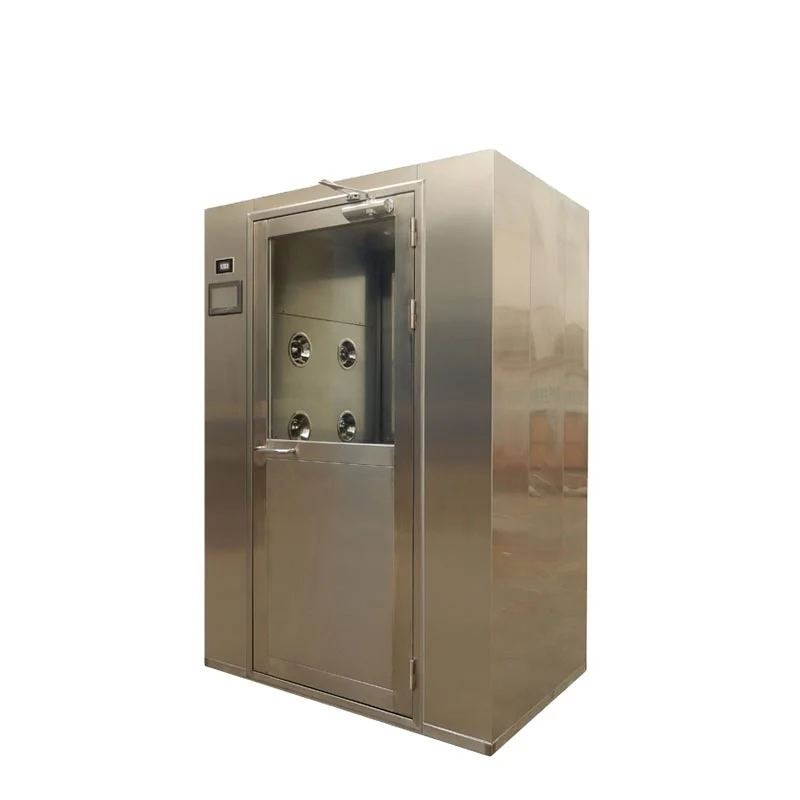
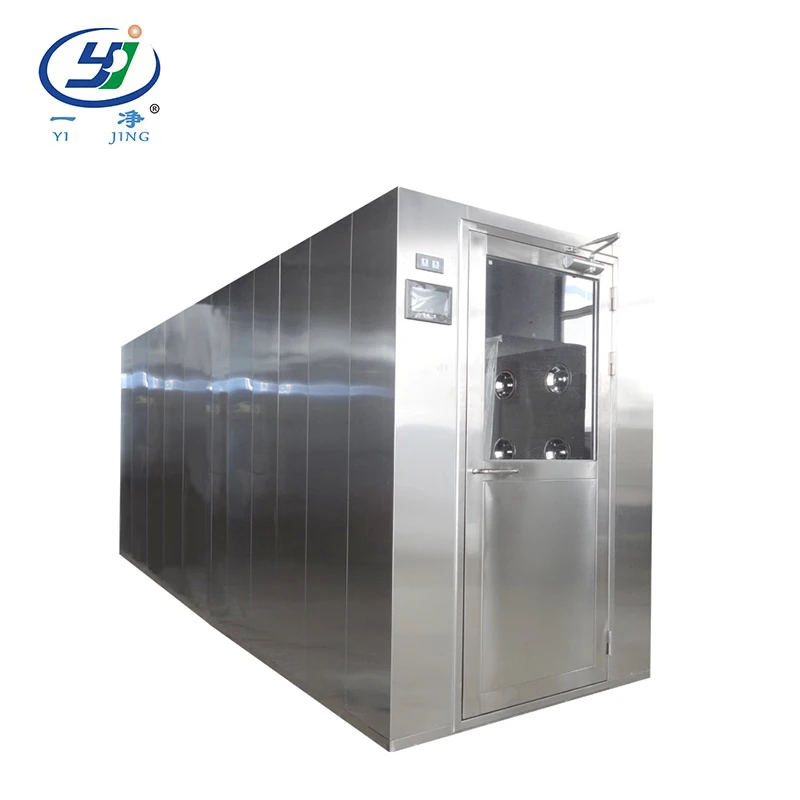
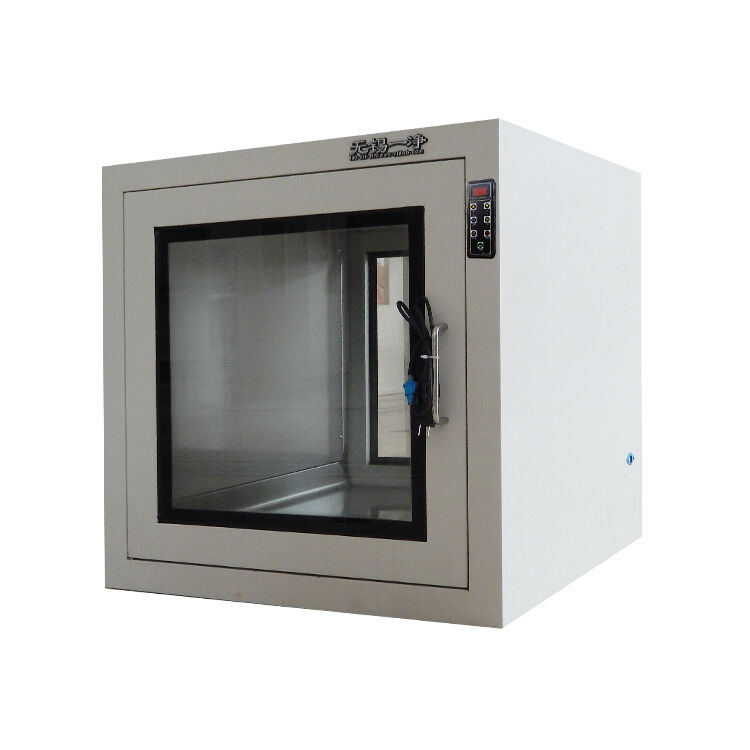
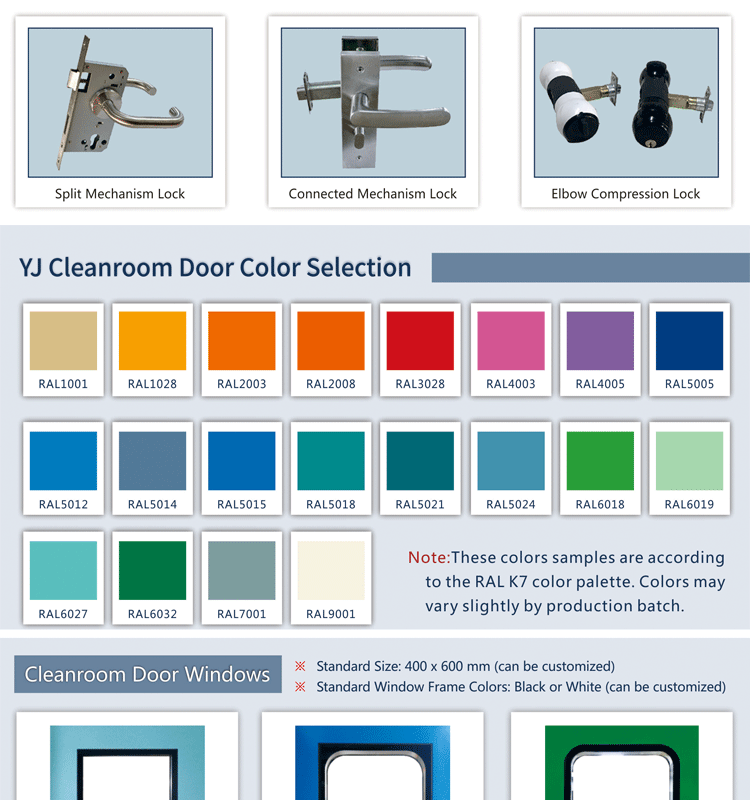
The versatility of doors clean room stems from extensive customization options that allow precise matching to specific industry requirements, operational workflows, and facility constraints, ensuring optimal performance across pharmaceutical manufacturing, semiconductor fabrication, biotechnology research, healthcare facilities, and aerospace component production. This adaptability begins with dimensional flexibility, as doors clean room can be manufactured in sizes ranging from standard personnel entries to oversized openings accommodating large equipment, with custom configurations for unusual architectural situations that would be impossible with standard products. Material selection represents another critical customization dimension, with options including stainless steel for pharmaceutical applications requiring frequent sanitization, powder-coated steel for cost-effective installations in less demanding environments, and specialized composites for facilities requiring non-magnetic properties or specific chemical resistance. The surface finish options extend beyond aesthetics to functional requirements, with electropolished stainless steel providing the smoothest possible surface for biotechnology applications, textured finishes offering improved durability in high-traffic areas, and specialized coatings providing antimicrobial properties that actively reduce surface contamination. Window configurations can be tailored to operational needs, from small vision panels for basic visual communication to full-height glazing for areas requiring extensive visibility, with options for heated glass to prevent condensation in temperature-controlled environments. The hardware selection encompasses manual, semi-automatic, and fully automatic operation modes, with choices including sliding, swinging, and roll-up configurations optimized for different space constraints and traffic patterns. Specialized doors clean room variants address unique requirements such as pass-through chambers for material transfer, rapid-roll doors for high-frequency access points, and fire-rated assemblies that maintain both cleanroom performance and life safety compliance. The integration of specialized features like air showers, which can be incorporated directly into door assemblies to create space-efficient decontamination solutions, demonstrates the adaptability of doors clean room to complex operational requirements. Color customization allows doors clean room to match facility aesthetics or implement color-coding systems that aid in wayfinding and zone identification, supporting operational efficiency and reducing the risk of personnel entering incorrect areas. The ability to retrofit doors clean room into existing facilities without extensive structural modifications makes them practical for facility upgrades and expansions, with adjustable frames accommodating variations in wall thickness and opening dimensions. This customization extends to control systems, with options ranging from simple key-operated locks to sophisticated biometric access control integrated with facility-wide security management platforms. The consultation process for specifying doors clean room typically involves detailed assessment of operational requirements, regulatory obligations, and facility constraints, resulting in solutions precisely matched to each unique application rather than forcing facilities to adapt to standardized products that may compromise performance or efficiency.


Get a Free Quote

Our representative will contact you soon.
Email
Name
Company Name
Attachment
Please upload at least an attachment
Up to 3 files,more 30mb,suppor jpg、jpeg、png、pdf、doc、docx、xls、xlsx、csv、txt
Message
0/1000

Get a Free Quote

Our representative will contact you soon.
Email
Name
Company Name
Attachment
Please upload at least an attachment
Up to 3 files,more 30mb,suppor jpg、jpeg、png、pdf、doc、docx、xls、xlsx、csv、txt
Message
0/1000