মডিউলার ডিজাইন স্কেলেবিলিটি এবং খরচ-কার্যকর বাস্তবায়ন প্রদান করে
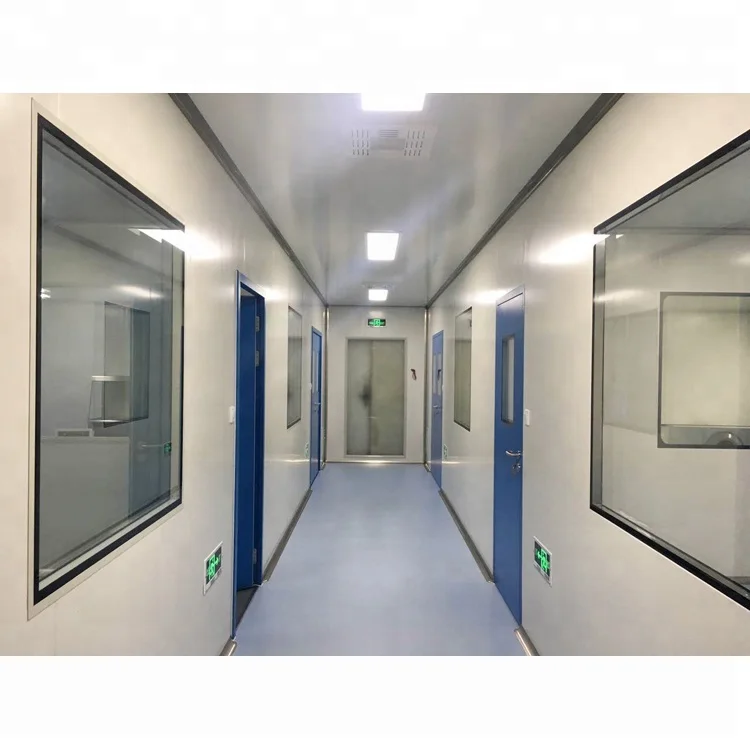
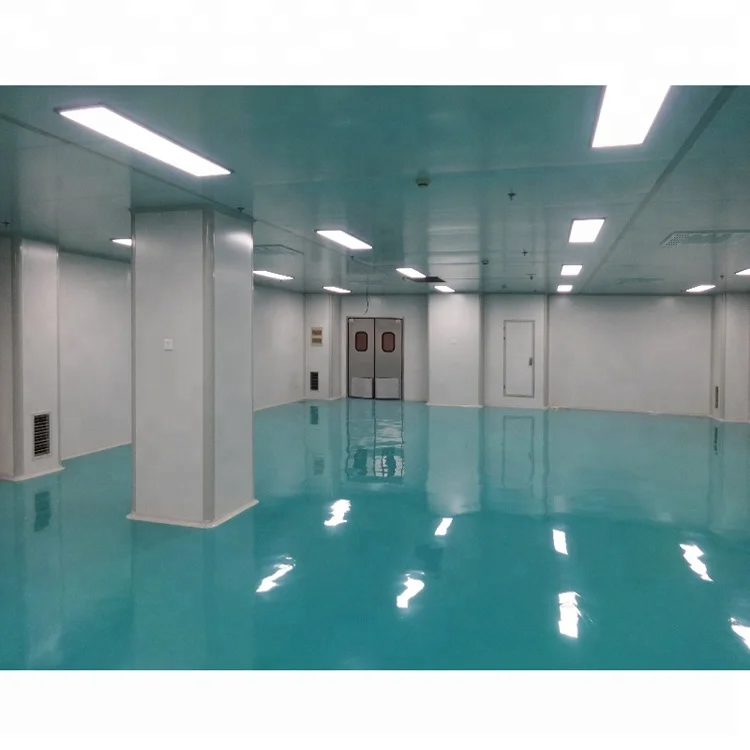
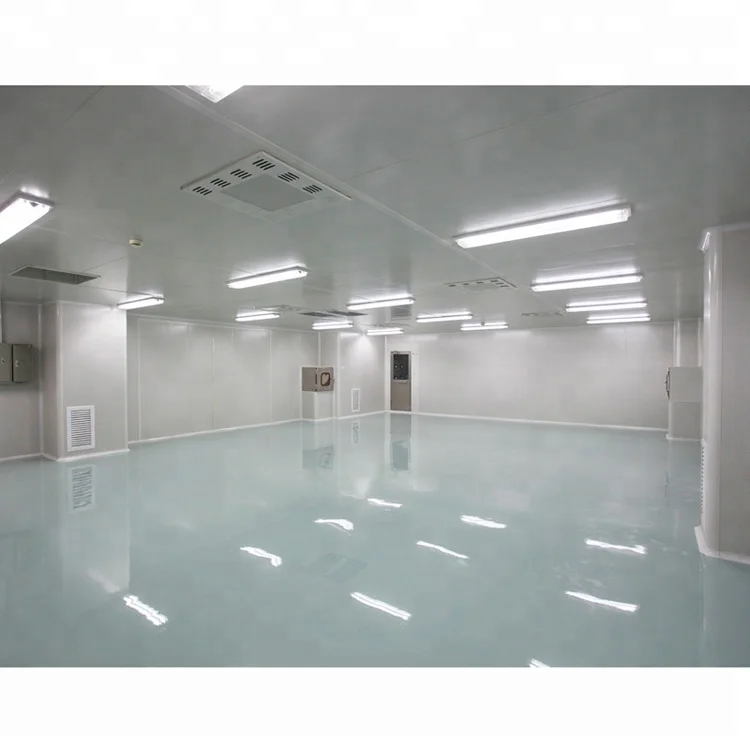
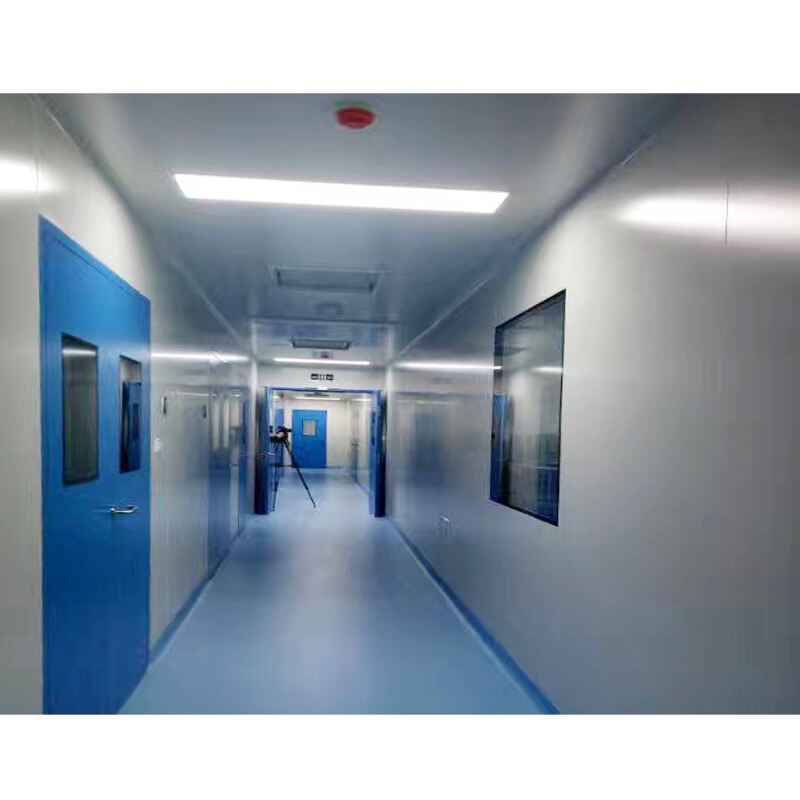
আধুনিক বায়ু পরিষ্কার ঘরের নির্মাণ মডিউলার ডিজাইনের নীতিসমূহকে গ্রহণ করে যা ঐতিহ্যগত স্থানে-নির্মিত পদ্ধতির তুলনায় নমনীয়তা, সম্প্রসারণযোগ্যতা এবং অর্থনৈতিক সুবিধা প্রদান করে। প্রিফ্যাব্রিকেটেড দেয়াল প্যানেল, ছাদ গ্রিড এবং একীভূত সিস্টেমগুলি ইনস্টলেশন সাইটে দ্রুত সংযোজনের জন্য প্রস্তুত অবস্থায় পৌঁছায়, যা নির্মাণ সময়সীমা উল্লেখযোগ্যভাবে কমিয়ে দেয় এবং চলমান অপারেশনগুলিতে ব্যাঘাত কমিয়ে রাখে। এই মডিউলার পদ্ধতি ব্যবসায়গুলিকে দীর্ঘমেয়াদী সুবিধা বন্ধ করা বা বিদ্যমান ভবনে ব্যাপক গাঠনিক পরিবর্তন ছাড়াই বায়ু পরিষ্কার ঘরের প্রযুক্তি বাস্তবায়ন করতে সক্ষম করে। প্যানেলগুলির সাধারণত মসৃণ, অপরিবাহী পৃষ্ঠ থাকে যা কণা জমা রোধ করে এবং পরিষ্কার করা সহজ করে, আর এদের উপকরণগুলি রাসায়নিক প্রতিরোধক্ষমতা ও টেকসইতার জন্য নির্বাচিত হয়। ইন্টারলকিং সিস্টেমগুলি প্যানেলগুলির মধ্যে বায়ুরোধী সীল নিশ্চিত করে যদিও উৎপাদনের প্রয়োজন পরিবর্তিত হলে ভবিষ্যতে পুনর্বিন্যাসের সুযোগ রাখে। কোম্পানিগুলি ছোট আকারের বায়ু পরিষ্কার ঘর দিয়ে শুরু করে ব্যবসা বৃদ্ধির সাথে ধীরে ধীরে এটি সম্প্রসারিত করতে পারে, এবং সমগ্র সিস্টেমটি পুনরায় ডিজাইন না করেই নতুন মডিউল যোগ করতে পারে। এই সম্প্রসারণযোগ্যতা নতুন ব্যবসায় বা নতুন বাজারে প্রবেশকারী কোম্পানিগুলির জন্য বিশেষভাবে মূল্যবান, কারণ মূলধন বিনিয়োগ আয় বৃদ্ধির সাথে সমান্তরালে হয়, বদলে বৃহৎ প্রাথমিক ব্যয়ের প্রয়োজন হয় না। মডিউলার ডিজাইনটি একটি একক সুবিধায় বিভিন্ন পরিষ্কারতা শ্রেণিবিভাগ সমর্থন করে, যেখানে উচ্চ-মানের পরিষ্কার ঘরগুলি নিম্ন-মানের স্থানের মধ্যে সন্নিবেশিত হয় যাতে খরচ অপ্টিমাইজ করা যায়। ISO ক্লাস ৫ শর্ত প্রয়োজনীয় গুরুত্বপূর্ণ প্রক্রিয়াগুলি একটি ছোট কেন্দ্রীয় অঞ্চল দখল করতে পারে, যার চারপাশে কম সংবেদনশীল অপারেশনের জন্য ISO ক্লাস ৭ অঞ্চল থাকে, এবং পৃথকীকরণ বজায় রাখতে উপযুক্ত চাপ ক্যাসকেড ব্যবহার করা হয়। পুনর্বিন্যাসযোগ্যতার সুবিধা পরিবর্তনশীল উৎপাদন প্রয়োজনগুলির সমাধান করে, যা কোম্পানিগুলিকে ঘরের লেআউট পরিবর্তন, আকার সামঞ্জস্য করা বা ব্যবসায়িক কৌশল পরিবর্তনের ক্ষেত্রে সম্পূর্ণ পরিষ্কার ঘর সিস্টেমটি অন্য সুবিধায় স্থানান্তরিত করার অনুমতি দেয়। এই নমনীয়তা পণ্য, প্রক্রিয়া বা অবস্থান পরিবর্তন হলেও পরিষ্কার ঘরের অবকাঠামো কার্যকর থাকা নিশ্চিত করে, যা মূলধন বিনিয়োগকে রক্ষা করে। ইনস্টলেশনের গতি আরেকটি উল্লেখযোগ্য সুবিধা, যেখানে সাধারণত মডিউলার বায়ু পরিষ্কার ঘরের প্রকল্পগুলি কয়েক সপ্তাহের মধ্যে সম্পন্ন হয়, যেখানে ঐতিহ্যগত নির্মাণের জন্য মাস সময় লাগে। দ্রুত বাস্তবায়ন নতুন পণ্যের বাজারে আসার সময় কমায় এবং বিনিয়োগের ফেরত পাওয়া আগে হয়। মডিউলগুলি যে নিয়ন্ত্রিত কারখানা পরিবেশে তৈরি করা হয়, সেখানে সুস্পষ্ট মানের সামঞ্জস্য এবং নির্ভুল সহনশীলতা নিশ্চিত করা হয় যা ক্ষেত্রে নির্মাণে অর্জন করা কঠিন হতে পারে। মানকীকৃত উপাদানগুলির জন্য নির্ধারিত মূল্যের কারণে খরচ পূর্বানুমানযোগ্যতা উন্নত হয়, যা কাস্টম নির্মাণ প্রকল্পগুলিতে সাধারণত দেখা যায় এমন বাজেট অনিশ্চয়তা কমিয়ে দেয়।

 EN
EN